How to Integrate Plants in a Clutter-Free Space to Improve Air Quality and Well-Being
Discover the Transformative Power of Indoor Plants
In today’s fast-paced world, it is essential to create a clutter-free environment that promotes mental clarity and enhances overall well-being. As we spend a significant amount of time indoors, integrating plants into our living spaces has never been more beneficial. Not only do they add a sense of tranquility, but plants can also improve the air quality in your home, offering a natural solution to enhance your daily life.
Consider the myriad ways in which incorporating plants into your space can transform your well-being:
- Air Purification: Certain plants, such as the Snake Plant (Sansevieria) and Spider Plant (Chlorophytum comosum), are particularly effective at removing toxins like formaldehyde and benzene from the air. Studies conducted by NASA have highlighted that houseplants can improve indoor air quality and boost oxygen levels, making your home a healthier environment.
- Emotional Well-Being: Research has shown that having greenery in your surroundings can reduce stress levels and improve your mood. The simple act of caring for a plant can foster a sense of companionship and routine, providing emotional support during challenging times. For instance, studies found that hospital patients with plants in their rooms experienced shorter recovery times and reported lower levels of pain.
- Enhanced Aesthetics: Incorporating plants into your home adds visual interest and vibrancy, breathing life into a minimalist design. A strategically placed Fiddle Leaf Fig or a collection of succulents can serve as a focal point that elevates the overall ambiance of any room.
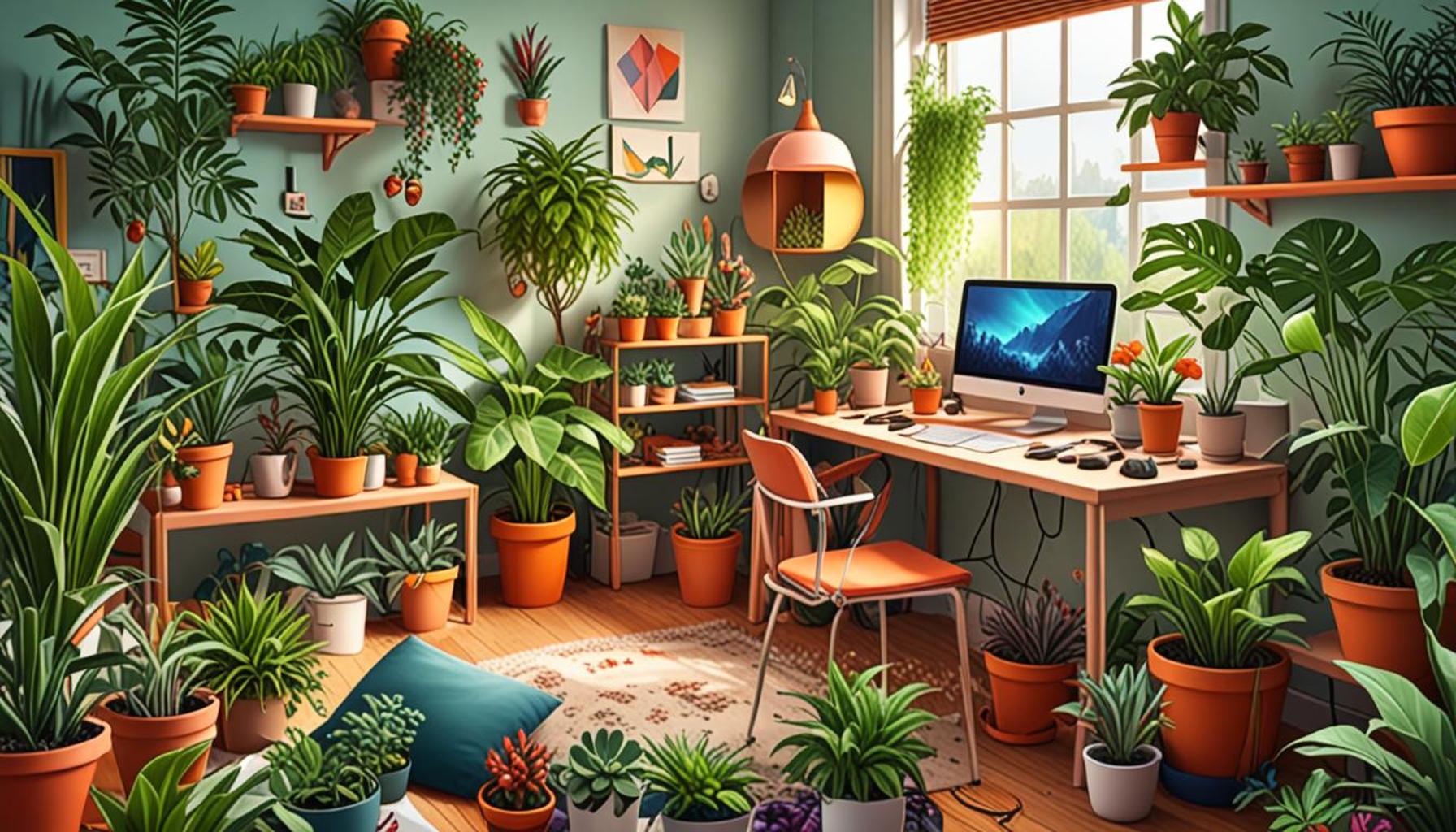
However, the challenge lies in harmoniously integrating plants into your space while ensuring it remains free from clutter. An effective approach is to strategically place plants in locations that complement your existing decor. For example, you can use wall-mounted planters or hanging pots to save on floor space while still enjoying the beauty and benefits of greenery. Another idea includes creating a designated plant shelf that neatly organizes various botanical specimens, showcasing your green thumb without it feeling chaotic.
Moreover, selecting low-maintenance plants can simplify the process for those of us with busy schedules. Pothos, ZZ plants, and peace lilies are excellent choices that thrive even with minimal care, allowing you to enjoy their benefits without the hassle of extensive upkeep.
Are you ready to breathe better and feel more relaxed? Embrace innovative ways to incorporate nature indoors, transforming your home into a sanctuary that prioritizes both aesthetics and health, all while maintaining an organized environment. Start your journey to a greener home today and discover the joys of nurturing plants and the profound impact they have on your everyday life.
DIVE DEEPER: Click here to discover how to create a sustainable wardrobe</
Smart Strategies for Incorporating Plants
To maximize the benefits of integrating plants into your home while maintaining a clutter-free space, it is crucial to apply thoughtful strategies. The key lies in utilizing available space effectively and opting for plant choices that not only enhance aesthetic appeal but also contribute to improved air quality and overall well-being.
Choosing the Right Locations
Identifying the perfect spots for your plants can significantly affect both their growth and your space’s visual balance. Consider these ideas:
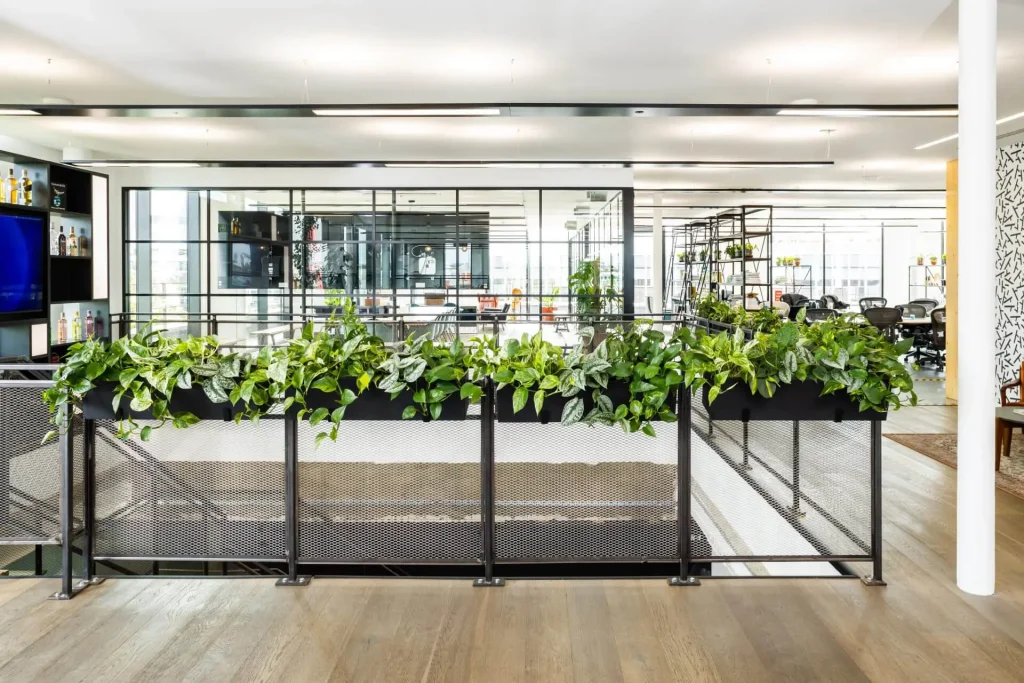
- Vertical Space: Make use of vertical space by installing wall-mounted planters. This not only saves floor space but also adds a dynamic element to your decor. A vertical garden can become an eye-catching focal point while remaining tidy and organized.
- Hanging Pots: Utilize hanging pots, which can be suspended from ceilings or shelves, to create a lush overhead green canopy. This method keeps surfaces clear while allowing plants to thrive in bright, indirect light.
- Windowsills: Take advantage of natural sunlight by placing small potted plants on windowsills. This arrangement is particularly effective for herbs or succulents, which enjoy direct light and lend an inviting aroma to your kitchen or living room.
Selecting Low-Maintenance Options
To ensure that your plant integration remains stress-free, opting for low-maintenance plants is a smart choice. Some excellent options include:
- Pothos: This hardy vine can grow in various lighting conditions and can thrive on neglect, making it ideal for busy lifestyles.
- ZZ Plant: Known for its tolerance to low light and minimal watering, the ZZ plant is an excellent choice for beginners.
- Peace Lily: Beyond its air-purifying abilities, this plant is known for its lovely white blooms and can flourish in lower light settings.
Organizing Your Plant Display
Maintaining a clutter-free aesthetic requires careful organization. Consider dedicating a specific shelf or furniture piece for your plants. This designated space can help you keep plants grouped harmoniously, preventing overcrowding in other areas of your home. Using decorative shelving units can provide both storage and display functions, ensuring your plant collection feels intentional rather than chaotic.
Furthermore, using uniform pots can enhance visual coherence. Whether you choose ceramic, terracotta, or modern metal containers, matching your pots in color and style contributes to a clean, sophisticated look. This thoughtful curation can transform your plant display into an integral part of your home decor while enhancing your indoor climate and well-being.
Are you ready to explore the potential of plants in a clutter-free setting? By adopting these strategies, you can create an inviting atmosphere that promotes relaxation and freshness within your living environment.
Maximizing Benefits of Plants in Your Space
Integrating plants into your home or workspace not only enhances aesthetics but also significantly boosts air quality and well-being. Selecting the right plants for specific spaces can optimize their positive impact. Research indicates that indoor plants can reduce stress levels and increase productivity, creating a more vibrant atmosphere. For instance, plants like snake plants and peace lilies are renowned for their air-purifying properties, effectively absorbing toxins such as formaldehyde and benzene.
Creating a Clutter-Free Environment
To truly benefit from the presence of plants, ensure that your chosen space remains clutter-free. A tidy environment allows the natural beauty of plants to shine while also facilitating improved airflow. Consider using vertical gardens or hanging planters to maximize space and maintain a minimalist approach. This not only saves floor space but also creates an intriguing visual effect that can uplift spirits.
Care Tips for Sustainable Integration
Incorporating plants doesn’t end with placement; proper maintenance is key. Understanding watering needs, light requirements, and pest control can make a profound difference in your plants’ health. Investing in self-watering pots can alleviate some burdens, allowing you to enjoy the benefits of greenery without constant upkeep. Furthermore, rotating plants seasonally can refresh your space and keep the air clean.
Enhancing Room Aesthetics and Mental Health
Colors and textures play a vital role in how plants affect our mood and perception. Incorporating various plant species can create a stunning tapestry of greens that calms the mind. Moreover, studies have shown that exposure to nature, even indoors, can lower anxiety and improve overall mental health. The act of nurturing plants can also underpin a sense of purpose and responsibility, further enhancing emotional well-being. As you explore ways to integrate plants into your space, remember that even a small addition can have a profound impact on your environment and your life.
| Advantage | Description |
|---|---|
| Air Purification | Plants absorb harmful pollutants from the air, improving indoor air quality. |
| Mental Well-Being | Surrounding oneself with greenery can reduce stress and promote a calming atmosphere. |
DIVE DEEPER: Click here to explore efficient systems for personal finance management</p
Creating a Harmonious Plant Ecosystem
Once you’ve chosen the right locations and low-maintenance plants, the next step in integrating greenery into your home involves creating a harmonious plant ecosystem. This entails considering multiple aspects such as plant arrangement, complementary decor, and maintenance routines that are both effective and low-effort.
Grouping Plants for Benefit and Aesthetics
Strategically grouping plants can enhance not only their aesthetic appeal but also their ability to purify the air. According to research from the EPA, indoor plants can improve air quality by filtering out pollutants like formaldehyde and benzene. By placing plants with similar care requirements together, you can simplify your maintenance routine. Consider these tips for effective groupings:
- Height Variation: Incorporate varying heights in your plant display. Taller plants, such as a fiddle leaf fig or snake plant, can be the backdrop for smaller ones like succulents or ferns, creating a visually balanced arrangement.
- Foliage Texture: Mix plants with different leaf shapes and textures to add depth to your display. For instance, the waxy leaves of a jade plant can complement the feathery fronds of a Boston fern, enhancing the overall look and feel.
- Complementary Colors: Employ a color palette that resonates with your room’s existing decor. The rich greens of plants like philodendrons can contrast beautifully with your furniture, inspiring coherence in your space.
Integrating Nature-Inspired Decor
Integrating plants seamlessly into your home also involves using nature-inspired decor elements. This can amplify the calming effects of greenery and create an immersive indoor environment conducive to relaxation. Consider these decor ideas:
- Natural Materials: Incorporate items made from wood or stone in your plant display. Wooden plant stands or terracotta pots create a rustic charm that complements the organic nature of your plants.
- Artistic Planters: Invest in unique planters that reflect your personality. Pieces with interesting shapes or artistic designs can serve as conversation starters and contribute to the overall visual narrative.
- Layering Textures: Use textiles such as cushions or rugs with natural fibers to tie in the plant textures with your furniture, creating a cohesive look throughout your living space.
Maintaining a Sustainable Environment
Finally, it’s essential to establish a maintenance routine that ensures your plants thrive without disrupting the organization of your space. Here are some sustainable practices to consider:
- Watering Schedule: Adopt a consistent watering schedule tailored to each plant’s needs. Use self-watering pots if necessary to minimize frequent upkeep while ensuring the plants receive adequate hydration.
- Natural Fertilizers: Use organic fertilizers and soil amendments to keep your plants healthy and promote growth without introducing harmful chemicals into your living space. Coffee grounds and eggshells make excellent natural fertilizers.
- Routine Pruning: Regularly prune dead leaves and spent flowers to keep your plants healthy and attractive. This practice not only encourages new growth but also prevents your space from appearing cluttered.
Incorporating plants into a clutter-free environment can significantly boost your home’s air quality and enhance your well-being. By employing thoughtful strategies and maintaining a cohesive aesthetic, you can create an oasis of tranquility that also serves to improve your indoor air. Every detail accounts as you nurture a living ecosystem that breathes life into your home.
DISCOVER MORE: Click here to learn about simplified living
Conclusion: Embracing Greenery for a Healthier Home
Integrating plants into a clutter-free space offers numerous benefits that extend far beyond mere aesthetics. As demonstrated throughout this article, well-placed plants not only improve indoor air quality by filtering harmful pollutants, but they also foster a profound sense of well-being and tranquility. By following strategies such as thoughtful plant groupings, utilizing nature-inspired decor, and establishing an efficient maintenance routine, you can cultivate a harmonious environment that breathes life into your living spaces.
Consider the transformative power of even a few well-chosen plants in your home. For instance, incorporating plants like spider plants or peace lilies can infuse your air with vital oxygen while removing toxins. Moreover, engaging with these living elements can significantly enhance your connection to nature, fostering mental clarity and emotional balance amidst our busy lives. The act of caring for plants can even serve as a form of mindfulness, providing a soothing escape from daily stressors.
As you embark on your journey to integrate plants seamlessly, remember that the environment you create is not just a reflection of your aesthetic taste, but also a vital contributor to your overall health. Take small steps towards your green sanctuary—each addition plants greater happiness and a deeper bond with your space. In this pursuit, the benefits of improved air quality and enhanced well-being await, inviting you to discover a healthier way of living.