
The influence of diet on the behavior and energy of pets

Understanding the Link Between Diet and Pet Behavior
Have you ever noticed how your pet’s energy levels change after a meal? Diet plays a crucial role in not only their physical health but also in their behavior and overall mood. What’s on their plate can affect everything from their playfulness to their anxiety levels. Making informed dietary choices can greatly enhance their quality of life.
Consider the following ways diet influences pet behavior:
- High-protein diets may lead to increased energy and activity levels. For instance, dogs that consume a diet rich in quality proteins from sources such as chicken, fish, or legumes often exhibit greater stamina and playfulness. This can significantly enhance their willingness to engage in play and exercise, contributing to better overall health.
- High-carbohydrate meals can result in lethargy or low energy. Pets that predominantly eat grains or fillers may experience spikes and crashes in energy, leading to a sluggish demeanor. A more balanced diet inclusive of vegetables and whole grains may offer sustained energy levels throughout the day, helping pets maintain a stable mood.
- Omega-3 fatty acids are linked to improvements in mood and cognitive function. Various studies suggest that incorporating fish oil or flaxseed into your pet’s diet can promote brain health and reduce anxiety. Pets might become more sociable and less prone to aggressive behaviors when provided with these essential fats.
It’s also essential to consider the impact of food allergies or sensitivities on a pet’s temperament. Ingredients like grains, fillers, and artificial additives could lead to irritation, digestive issues, or hyperactivity. For instance, a dog allergic to certain proteins may exhibit behavioral problems such as excessive barking or chewing, indicating discomfort. Understanding your pet’s dietary needs is crucial in mitigating these issues and unlocking a healthier, happier life for them.
In the quest to ensure our pets live their best lives, it’s essential to explore how the right nutrition can elevate their energy and enhance their demeanor. A well-structured diet not only supports physical health but also nurtures their emotional and cognitive well-being. Pet owners should consider a personalized approach, engaging with veterinarians or pet nutritionists to formulate the best diet tailored to their pet’s specific needs and lifestyle. By diving deeper into this subject, owners can take proactive steps to improve their furry friends’ well-being and overall happiness, nurturing a bond built on health and vitality.
Nutritional Components That Shape Pet Behavior
The dietary choices made for pets can fundamentally shape their emotional and physical states. Different components in pet food can elicit varying responses in behavior and energy, making it crucial for pet owners to pay attention to what they are feeding their furry companions. By understanding these nutritional components, one can navigate the complex relationship between diet and behavior more effectively.
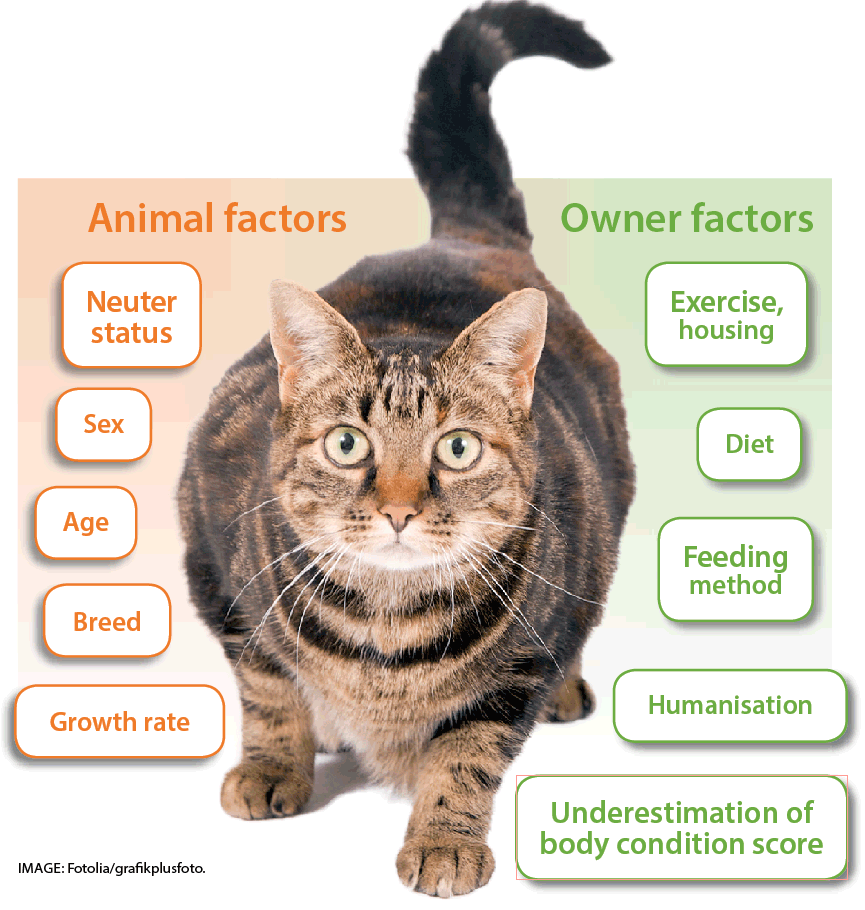
One notable aspect is the balance between proteins, carbohydrates, and fats. Each type of macronutrient serves a specific role in a pet’s diet:
- Proteins: Essential for muscle growth and repair, proteins are integral in energy production. Pets on high-protein diets may experience improved energy levels and increased agility. For example, a study revealed that dogs fed high-quality protein sources showed enhanced athletic performance and endurance compared to those on lower-protein diets.
- Carbohydrates: While often seen as energy sources, not all carbohydrates are created equal. Complex carbohydrates from vegetables can provide sustained energy release, positively influencing mood and vitality. Conversely, simple sugars can lead to energy spikes followed by crashes, making pets irritable or lethargic.
- Fats: Healthy fats, particularly Omega-3 and Omega-6 fatty acids, support brain health and cognitive function. Diets rich in these fats can help alleviate symptoms of anxiety and promote overall emotional stability in pets, allowing them to interact more positively with their environment.
Moreover, fiber plays a crucial role in digestion and can significantly affect behavioral traits. Pets that consume a diet low in fiber could face digestive issues leading to discomfort and irritability. Fiber not only aids in nutrient absorption but is also associated with improved mood in pets. A well-balanced fiber intake can help pets feel fuller longer, reducing anxiety related to hunger and the constant urge to scavenge.
Beyond the basic components of nutrition, it is vital to consider the quality of ingredients. Foods containing artificial additives, preservatives, and fillers can contribute to various behavioral issues. For instance, some pets may exhibit signs of hyperactivity or aggression in response to certain food additives, while others may develop food intolerance, leading to gastrointestinal distress. Recognizing these sensitivities is key to promoting a harmonious household and ensuring your pet feels their best.
In light of these factors, it’s essential to understand that a pet’s mental and emotional health is tightly intertwined with their nutritional intake. Adopting a holistic approach to their diet—one that prioritizes high-quality proteins, healthy fats, and appropriate carbohydrate sources—can usher in an era of vitality and joy in their lives. As pet owners become more informed about the implications of diet on behavior and energy levels, they can foster happier, healthier companions that thrive on their culinary choices.
The Physical and Mental Wellbeing of Pets
When exploring the intricate relationship between diet and the behavior of pets, it’s crucial to understand how nutrition impacts not just physical health but also mental wellbeing. A balanced diet that includes essential nutrients can support optimal brain function, affecting everything from mood stability to cognitive development.
Understanding Nutritional Needs
Pets require a variety of nutrients including proteins, fats, carbohydrates, vitamins, and minerals to thrive. For instance, high-quality protein sources are vital for building and repairing tissues, while fatty acids contribute significantly to cognitive function and skin health. Interestingly, diets deficient in certain nutrients, like omega-3 fatty acids, can lead to increased aggression, anxiety, and various behavioral issues in pets. Moreover, the timing and frequency of meals can also influence a pet’s energy levels and temperament. Regular feeding schedules can help in regulating their metabolism and maintaining stable energy throughout the day.
The Role of Specific Diets
Additionally, emerging evidence suggests that specific dietary patterns, such as grain-free or raw food diets, can significantly alter behavior. For example, a grain-free diet may result in an increase in energy levels for some dogs, while others might thrive on a more traditional feed. Recognizing these differences ensures that pet owners can tailor their pet’s diet effectively, leading to enhanced behavioral outcomes.As the field of pet nutrition advances, it becomes increasingly essential for pet owners to stay informed. The right diet not only fuels energy needs but also promotes a healthy, more balanced, and ultimately happier pet.
The Role of Micronutrients and Supplements in Pet Behavior
While macronutrients have a significant impact on the overall energy and behavior of pets, micronutrients—vitamins and minerals—hold equal importance in shaping a pet’s psychological and physical wellbeing. Various studies have indicated that deficiencies or imbalances in essential vitamins and minerals can lead to behavioral issues and decreased energy levels in pets.
Vitamins such as B-complex play a crucial role in maintaining healthy nerve function and reducing stress levels in pets. For instance, a deficiency in Vitamin B1 (thiamine) can lead to increased anxiety and nervousness in dogs. Supplementing their diet with B vitamins can promote calmness and help pets adapt to new environments or experiences.
Furthermore, Vitamin E, an antioxidant, supports cognitive function. Pets that are provided with a diet supplemented with Vitamin E may exhibit improved overall mood and focus, allowing for more positive interactions with their human companions and surroundings.
On the mineral side, magnesium is essential for balancing nerve and muscle functions. Increasing magnesium levels in anxious pets has been linked to reduced aggression and nervous behaviors. Additionally, calcium plays a vital role in promoting healthy neuronal activity, aiding in a pet’s ability to process their environment calmly. Proper calcium levels can prevent mood swings and help sustain a balanced energy level.
Moreover, the use of supplements such as Omega-3 fatty acids is gaining attention among pet owners. Research suggests that Omega-3s derived from fish oil not only support skin and coat health but also contribute to enhanced cognitive abilities and emotional stability. Pets that receive Omega-3 supplements often show improved mood stability and lower levels of anxiety, translating to more sociable behavior.
Additionally, the administration of probiotics can fortify a pet’s gut health, directly influencing their mood and energy levels. Recent studies have uncovered a profound connection between the gut microbiome and mental health. In pets, a healthy gut can thwart mood disorders and reduce stress, offering a balanced approach to nourishment that fosters well-being.
It’s important to remember that each pet is unique, and a one-size-fits-all approach may not be effective. Observations and adjustments are essential as pet owners monitor their pets’ behaviors in response to dietary changes. Consulting with a veterinarian or a pet nutritionist can provide invaluable insight into personalized diets and supplements that can address specific behavioral challenges.
In a world increasingly aware of the concrete effects of nutrition on health, the correlation between a well-rounded diet and improved behavior in pets is becoming clearer. By choosing high-quality, nutritionally complete diets and considering the right micronutrients and supplements, pet owners can facilitate the development of more energetic, engaged, and emotionally stable companions.
Conclusion
In conclusion, the intricate relationship between diet and the behavior and energy levels of pets underscores the importance of mindful nutritional choices. From macronutrients that fuel energy production to micronutrients that influence mood and stability, every component plays a critical role in determining how pets engage with their environment and their human companions.
As detailed throughout this article, deficiencies in vital vitamins and minerals can lead not only to physical health issues but also to behavioral challenges such as anxiety, aggression, and lethargy. Nevertheless, through the incorporation of a well-rounded diet, enhanced by appropriate supplements like Omega-3 fatty acids and probiotics, pet owners can foster an environment that promotes emotional well-being and a more harmonious pet experience.
It is essential to recognize that no single diet works for every pet. Individual differences in breeds, ages, and lifestyle must be factored into feeding strategies. Therefore, working closely with a veterinarian or pet nutritionist can yield tailored recommendations that not only address energy needs but also combat undesirable behaviors through nutrition.
As we continue to explore and understand the profound impact of diet on pet behavior and energy, it becomes increasingly clear that responsible pet ownership involves more than just providing food—it’s about actively investing in their overall quality of life. By making informed dietary choices, pet owners hold the power to enhance their companions’ happiness and vitality, ultimately creating more engaged, loving relationships.