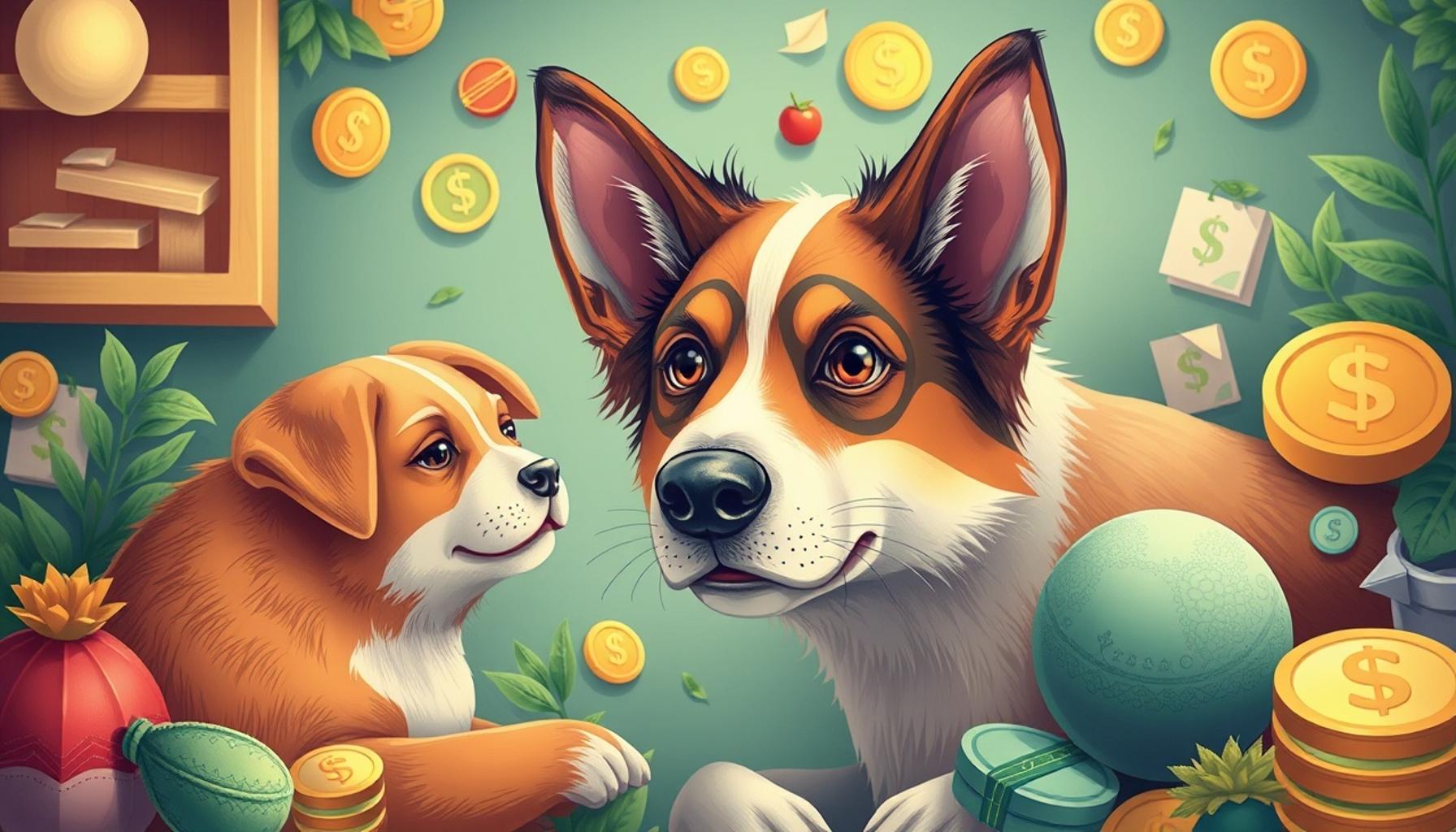
The importance of environmental enrichment for the mental health of pets
Understanding the Needs of Our Pets
Pets are more than just companions; they are family members who require love, care, and a healthy environment. Just like humans, our furry friends benefit significantly from environmental enrichment that stimulates their minds and encourages natural behaviors. Without proper stimulation, pets can experience stress, anxiety, and even behavioral issues. Ensuring that our pets engage in enriching activities can vastly improve their overall well-being and happiness.
What is Environmental Enrichment?
Environmental enrichment refers to enhancements that improve the living conditions of pets. This concept encompasses a variety of activities and resources designed to engage pets psychologically and physically. Some prominent examples include:
- Interactive toys: Toys that require pets to solve puzzles for treats, such as treat-dispensing balls or complex puzzle boxes, not only challenge their minds but also provide physical activity, keeping them busy and engaged.
- Enriched surroundings: For instance, providing climbing structures for cats mimics their natural instincts to perch and observe, while varied walking routes for dogs introduce them to new scents and sights, enhancing their sensory experiences.
- Social interactions: Regular playdates with other pets or simply spending quality bonding time with their human caregivers can fulfill pets’ social needs and strengthen their emotional connections.
- Regular mental challenges: Engaging in training sessions or playing games like hide-and-seek can reinforce positive behaviors and stimulate pets mentally.
Each of these elements plays a crucial role in promoting mental well-being. Research has shown that pets engaged in mentally stimulating activities exhibit fewer signs of anxiety and are generally healthier. In fact, a study conducted by the American Veterinary Medical Association (AVMA) emphasizes that dogs who partake in regular interactive play exhibit lower stress levels and reduced aggression.
The Consequences of Lack of Enrichment
On the flip side, a lack of environmental enrichment can lead to significant issues. Notably, without proper stimulation, pets may exhibit:
- Destructive behavior: Pets may resort to chewing or scratching furniture, which can be both frustrating for owners and harmful to household belongings.
- Depression: Pets can experience depressive symptoms, such as a lack of interest in play or socialization, making their daily interactions less fulfilling.
- Health problems: A sedentary lifestyle due to insufficient activity can lead to obesity and related health issues, shortening their lifespan and reducing their quality of life.
Recognizing the importance of providing a stimulating environment is essential for the mental health of pets. Understanding these needs can help us create a more fulfilling life for our beloved animals. Investing in their happiness not only benefits our pets but also enhances the bond we share with them. By prioritizing their mental and physical well-being through environmental enrichment, we can ensure that our companions lead happy, healthy, and fulfilling lives.

Enhancing Pet Environments: A Path to Healthier Minds
As caretakers, it is our responsibility to ensure that our pets are not only physically healthy but also mentally stimulated. The need for environmental enrichment is fundamental in promoting mental health among pets. By engaging their natural instincts and curiosities, we can create enriching environments that allow our pets to thrive. Research from various animal behaviorists indicates that pets subjected to enriched environments experience lesser anxiety, improved emotional health, and exhibit fewer behavioral problems.
The Role of Play in Mental Stimulation
Play is one of the most effective forms of environmental enrichment. Interactive playtime allows pets to explore their surroundings, express their instincts, and bond with their humans. Dogs, for instance, are known to love playing fetch or tug-of-war, which not only helps to build physical strength but also mentally engages them. Meanwhile, cats benefit significantly from play that mimics hunting behaviors, such as chasing feather wands or laser pointers. This not only entertains but also satisfies their innate predatory instincts, leading to a more balanced emotional state.
According to the American Kennel Club, engaging in play reduces a dog’s hyperactivity, aggression, and anxiety, enhancing their ability to learn and socialize. For cats, regular play sessions can prevent behavioral issues, such as litter box aversion or excessive grooming, which can be indicators of stress or anxiety.
Constructing an Enriching Environment
Creating an enriching environment can be as simple as incorporating a variety of stimuli into your pet’s daily routine. Here are some effective strategies to consider:
- Variety of Toys: Offering a mix of toys, including chew toys, interactive puzzles, and soft plushies, can keep pets engaged and stimulate their minds. Rotate toys regularly to maintain their interest.
- Changing Scenery: Dogs benefit from exploring new environments, whether that be different parks or trails. Simple changes in daily walks can expose them to new scents and sights, promoting mental stimulation.
- Engagement with Nature: For cats, providing safe outdoor access (via catios or leashed walks) allows them to explore and engage with their natural instincts, similar to how they would in the wild.
- Training Sessions: Invest time in teaching your pet new tricks or commands. Positive reinforcement training not only strengthens the bond with your pet but also keeps their minds sharp and engaged.
These strategies are not just activities; they are essential to combating boredom and the distress it can cause. Animals with a lack of engagement often resort to negative behaviors as an outlet for their stress. Observing your pet’s reactions to different enrichment methods will allow you to tailor their activities to best suit their needs. Ultimately, a well-stimulated pet is a happy pet, reflecting the importance of prioritizing these enriching experiences.
| Advantages | Details |
|---|---|
| Cognitive Stimulation | Environmental enrichment provides pets with various challenges that engage their minds, promoting higher cognitive function. |
| Reduced Stress and Anxiety | Interactive toys and varied activities can significantly lower stress levels in pets, which is crucial for their overall mental health. |
| Behavioral Improvement | Engaged pets are less likely to exhibit destructive behaviors, as they channel their energy into constructive activities. |
| Enhanced Bonding | Participating in activities together fosters a stronger bond between pet owners and their pets, enhancing emotional connections. |
The importance of environmental enrichment for the mental health of pets cannot be understated. Providing stimulating environments filled with diverse activities is akin to offering a mental workout, promoting pets’ overall happiness and well-being. According to studies, pets who experience regular environmental enrichment exhibit improved mental sharpness, leading to better responses and feelings of contentment.Pet owners are encouraged to integrate a variety of enriching elements such as interactive toys and outdoor exploration. These play and relaxation activities directly correlate with decreased incidences of anxiety and stress-related issues in pets. The understanding of how mental health and environmental enrichment intersect is profound, leading to more satisfying lives for our furry friends. By delving into this topic, pet owners can appreciate the significant effects that well-planned enrichment strategies can contribute to their pets’ lives, therefore fostering a happier, healthier, and more engaging companionship.
Tailoring Enrichment to Specific Needs
While understanding general enrichment strategies is crucial, recognizing that every pet has unique preferences and needs is equally important. Tailoring enrichment activities provides a personalized approach that caters to each animal’s individual personality, breed characteristics, and past experiences. By observing behavioral cues, pet owners can refine their strategies for optimal mental health support.
Understanding Behavioral Traits
Every breed of dog or type of cat displays distinct behaviors and traits that can inform their enrichment needs. For example, herding breeds like Border Collies or Australian Shepherds thrive on activities that challenge their intelligence and physical abilities. Engaging them with agility courses or interactive puzzle toys not only prevents boredom but effectively utilizes their energy, leading to a more satisfied and well-behaved pet. Similarly, hunting breeds, such as Beagles, benefit from scent-based games that encourage them to follow their noses, creating a stimulating environment that caters to their natural instincts.
For cats, breeds like Abyssinians and Siamese are known for their playful and active nature, and they may require more vigorous playtime compared to more laid-back breeds such as Persians. Understanding these nuances allows pet owners to curate an engaging atmosphere that fosters happier and healthier mental states in their animals.
Incorporating Socialization Opportunities
Social interaction is another critical aspect of environmental enrichment. Many pets, especially dogs, are naturally social animals and depend on interactions with humans and other animals for mental wellness. Group playdates, dog parks, and supervised interactions with other pets can significantly improve a pet’s emotional health and reduce feelings of loneliness or anxiety. Indeed, the American Society for the Prevention of Cruelty to Animals (ASPCA) emphasizes that socialization prevents behavioral problems like aggression and fearfulness, which, if left unaddressed, may lead to distressing reactions during encounters with new people or environments.
For cats, socialization can be achieved through providing opportunities to interact with other cats or humans in safe settings. Organizing play dates with other felines, along with scheduled petting sessions, can promote a sense of security and build confidence. Owners should pay attention to their pets’ signals to ensure interactions are positive and stress-free.
The Impact of Sensory Enrichment
Beyond mental and social stimulation, sensory enrichment plays a vital role in enhancing mental well-being for pets. Utilizing various textures, sounds, and scents in their environment can evoke curiosity and encourage exploration. For dogs, toys that squeak, rustle, or have varied textures can create more enriching experiences during play. For cats, scratching posts with different materials or fragrant herbs like catnip can ignite interest and reduce anxiety, providing opportunities for both play and relaxation.
The Importance of Routine and Consistency
Besides incorporating these diverse strategies of enrichment, establishing a routine enhances learning and predictability for pets. Regular schedules for feeding, play, and exercise reinforce behaviors and comfort levels, leading to an overall sense of security. Research from PetMD indicates that pets thrive on routine, underscoring the importance of maintaining consistent enrichment activities. Not only does this create a structured environment, but it also allows pet owners to monitor for any changes in behavior that may indicate stress or other health concerns.
In summary, understanding and implementing individualized enrichment strategies tailored to each pet’s unique traits, socialization needs, and sensory preferences can lead to remarkable improvements in their mental health. By prioritizing tailored environmental enrichment, pet owners foster a happier, healthier, and more engaged animal companion.
Conclusion: Elevating Pet Well-being through Environmental Enrichment
As we have seen, the significance of environmental enrichment in promoting the mental health of pets cannot be overstated. Tailoring enrichment activities to fit the unique traits and needs of each pet—whether through stimulating physical activities, social interactions, or sensory exploration—can dramatically enhance their overall well-being. This personalized approach not only fosters engagement and happiness but also mitigates behavioral issues that may arise from boredom and anxiety.
Additionally, the importance of regular socialization and consistent routines cannot be ignored. By providing pets with opportunities to bond with other animals and humans, owners can cultivate a secure environment that nurtures emotional stability. Routine enrichment offers predictability, which is essential for reducing stress and enhancing a pet’s sense of safety in their home. The combined effects of these strategies interlink to create a holistic approach that prioritizes mental wellness.
Ultimately, investing time and effort in enriching the environments of our furry companions is not merely a luxury; it is a crucial aspect of responsible pet ownership. As research and expert guidelines continue to evolve, we encourage pet parents to delve deeper into the intricacies of their pets’ needs, paving the way for a brighter, more fulfilling life for both themselves and their beloved animals. Embracing this knowledge can lead to pets that are not only happier but also healthier, showcasing the profound impact of thoughtful enrichment.