Creating a Pet-Friendly Environment: How Home Design Affects Pet Health and Well-Being
Understanding the Importance of a Pet-Friendly Home
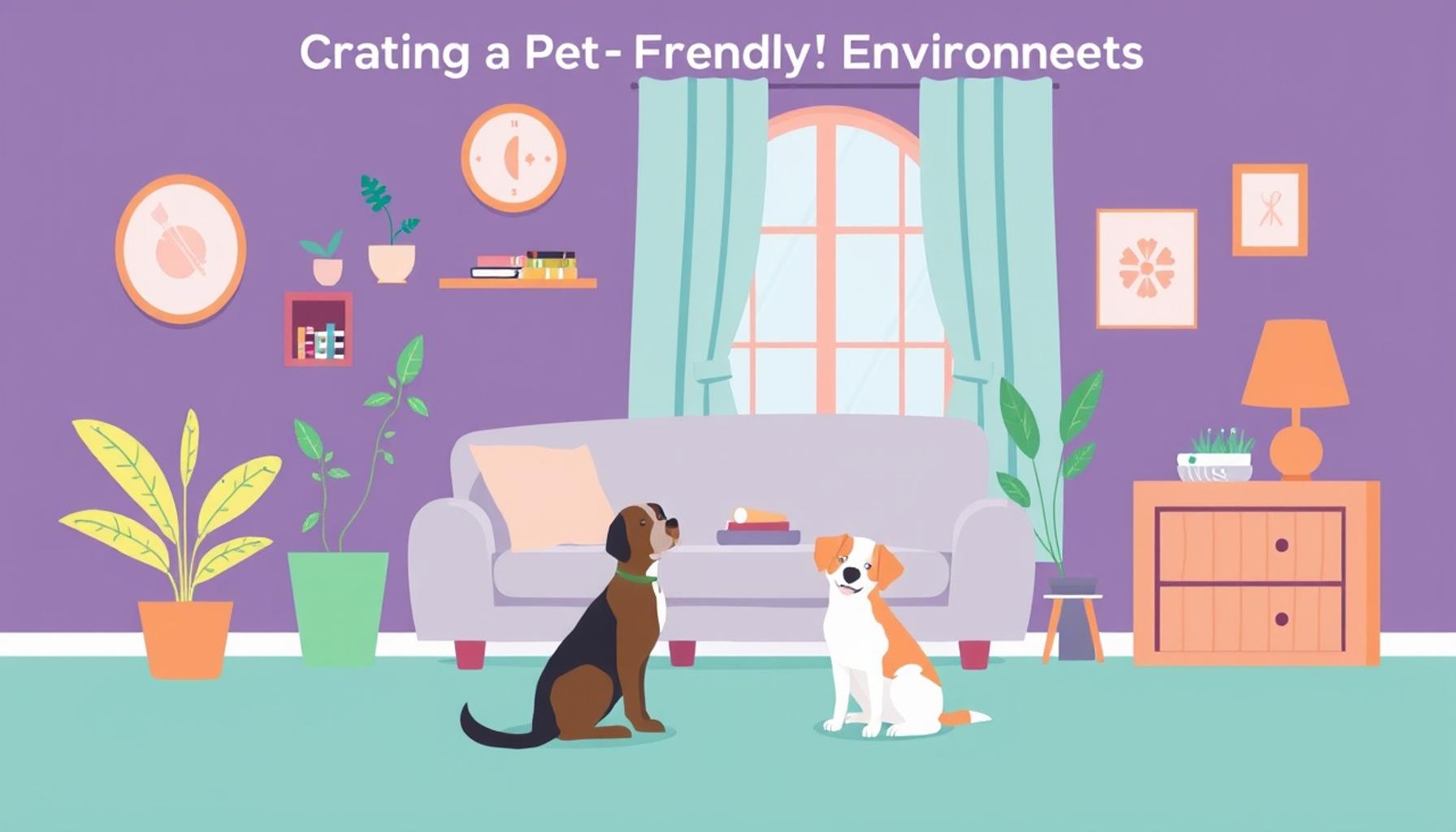
In today’s world, the interrelationship between our living spaces and the well-being of our pets is more significant than ever. Beyond merely serving as a shelter, a home can profoundly influence the health, happiness, and overall quality of life for our furry companions. By embracing the concept of a pet-friendly environment, we can create spaces that not only accommodate but also enhance the lives of our pets.
One of the most crucial elements to consider in this regard is flooring. For instance, homes with hardwood or tile floors can be slippery and may cause older pets—especially those with arthritis or joint issues—to struggle. To counter this, many pet owners are turning to softer surfaces like carpets or area rugs that provide both comfort and traction, helping to reduce the risk of falls while also lessening strain on their joints. Additionally, certain brands of low-pile carpeting are designed to be stain-resistant and easy to clean, catering remarkably well to both pets and their owners.
Another area to pay attention to is furniture choices. Fabric selections can make a significant difference when it comes to wear and tear caused by pets. Materials such as microfiber or leather not only resist staining but are also easier to clean. Incorporating washable slipcovers can further enhance the longevity of your furniture while providing an easy solution for everyday messes. Furniture design also plays a role; opting for rounded edges can help prevent injuries while ensuring comfort and functionality for all family members, including pets.
Equally important is the provision of outdoor access. A secure and safe outdoor space is vital for exercise and mental stimulation, which are crucial for a pet’s overall well-being. Create a pet-friendly yard by ensuring it is securely fenced and free of harmful plants. Adding features like a dog house, climbing structures, or designated digging areas can encourage active play. Moreover, incorporating gardens that include pet-safe herbs or plants can stimulate their senses, providing mental enrichment alongside physical activity.
As this article unfolds, we will dive deeper into practical tips and innovative design ideas that harmonize with pet needs while simultaneously enhancing home aesthetics. From strategic layout considerations to wise material selections, each decision you make can lead to a holistic pet-friendly design that benefits both pets and owners alike. By investing time and thought into these aspects, you not only elevate your home but also enrich the lives of your cherished companions, forging a closer bond in the process.
Key Factors in Creating a Pet-Friendly Home
Creating a pet-friendly environment involves a multifaceted approach that goes beyond just comfortable spaces. It requires a consideration of various elements that can substantially impact the health and happiness of our pets. Understanding these key factors can help pet owners make informed decisions regarding their home design.
Choosing the Right Layout
The layout of your home plays a pivotal role in the well-being of your pets. An open floor plan can facilitate better interaction between pets and their owners, promoting a more engaged lifestyle. Moreover, minimizing clutter can help prevent accidents. Key layout considerations include:
- Accessibility: Ensure that essential areas, such as food and water stations, are easily accessible to pets.
- Designated Spaces: Create specific areas for pets to sleep, eat, and play. This can help establish routines and reduce anxiety.
- Safe Zones: Designate areas that are off-limits to pets where breakable items or harmful substances are kept, promoting both safety and organization.
Lighting and Ventilation
Proper lighting and ventilation are crucial for sustaining a healthy environment. Natural light can enhance mood and energy levels for both pets and humans. Opening windows or incorporating air purifiers can improve indoor air quality. Consider the following:
- Natural Light: Utilize large windows or skylights to bring in sunlight, creating a warm atmosphere.
- Airflow: Ensure proper ventilation to reduce the buildup of pet dander and odors, essential for both pet and human health.
Safe Material Selection
Selecting the right materials can significantly ease the stress of maintaining a pet-friendly home. Materials that are not only durable but also safe for pets can make a world of difference. Considerations include:
- Non-Toxic Paint: Choose pet-safe, low-VOC paint to reduce harmful fumes and ensure a healthy living space.
- Soft Edges: Opt for furniture with rounded edges to minimize injury risks when pets are playing or moving around.
- Scratch-Resistant Surfaces: Look for countertops and furniture made from scratch-resistant materials to withstand the rigors of pet life.
Incorporating these facets into your home design can lead to a more harmonious coexistence with your pets. By making intentional design choices, you can create an inviting, safe, and stimulating space that promotes not only pet well-being but also peace and comfort for the entire household. As we delve deeper into additional aspects of home design, you will discover further strategies that can elevate your living space, transforming it into a true sanctuary for both you and your furry friends.
Designing with Pets in Mind
When it comes to crafting a pet-friendly environment, home design plays a pivotal role in promoting the overall health and well-being of our furry companions. Elements such as flooring, furniture, and layout can significantly affect how pets interact with their surroundings. For instance, choosing durable flooring options like vinyl or tile over carpets can reduce allergens and make cleaning easier, directly impacting your pet’s health.
Moreover, the layout of your home can greatly influence your pet’s behavior. Open floor plans not only enhance mobility for pets but also facilitate better interaction and play areas. Designated spaces for pet meals and activities encourage a sense of routine and comfort, crucial for your pet’s mental health. Additionally, incorporating natural light and ventilation, thanks to strategically placed windows or doors, can uplift both human and pet spirits, fostering a happier living environment.
Safe and Engaging Spaces
Creating safe and engaging spaces is essential for pet owners. Incorporating pet-safe plants and avoiding hazardous materials can prevent health issues related to ingestion. Also, providing vertical spaces such as cat trees or shelves not only caters to natural instincts but also keeps them entertained and mentally stimulated. Interactive toys and designated play areas make a significant difference in preventing destructive behaviors, which can stem from boredom or anxiety.
For dogs, a secure yard with proper fencing and shaded areas for rest can greatly enhance their outdoor experience. Consider a designated area for play, equipped with pet-friendly grass or artificial turf that minimizes allergens and skin irritations.
The use of soft furnishings such as pet beds or cushions can also enhance comfort levels within the home. Strategically placed in quiet nooks or near family gathering areas, these spaces can provide a sense of security and comfort for pets, encouraging them to relax and feel at home.
| Category | Details |
|---|---|
| Flooring | Durable and easy to clean surfaces enhance health. |
| Layout and Space | Open plans facilitate mobility and play areas. |
In summary, being intentional about the design choices in your home not only enriches the lives of your pets but also creates a harmonious living environment beneficial for both pets and humans alike. A pet-friendly design is not just about aesthetics; it is a commitment to the well-being of your furry family members.
Integrating Pet-Friendly Features into Home Design
To truly enhance your living space for both pets and humans, integrating specific features tailored to pet health and well-being is key. Beyond basic considerations, innovative home design elements can lead to a more enriching environment for your furry companions. Let’s explore some essential features to include.
Pet-Friendly Flooring
When it comes to flooring, choices can significantly impact both pets and owners. Selecting materials that cater to pet needs can reduce wear and tear while providing comfort. Here are a few popular options:
- Luxury Vinyl Plank: This flooring is both durable and water-resistant, making it an ideal choice for homes with pets. It mimics the aesthetic of hardwood without the drawbacks associated with scratches.
- Tile: Ceramic or porcelain tiles are excellent choices due to their easy cleaning properties and resistance to stains and scratches. They also keep homes cool during the summer, benefiting pets who may overheat.
- Carpet Tiles: Opting for carpet tiles allows for easy replacement of individual pieces if stains or damages occur, creating a low-stress solution for maintaining a fresh look.
Built-in Pet Amenities
Incorporating built-in amenities can enhance your home’s functionality while catering to pets. Thoughtful installations can streamline routines for pet care, ultimately leading to happier pets. Here are some ideas:
- Feeding Stations: Designate a specific area for feeding, including built-in raised feeding bowls that can reduce strain on pets while minimizing mess.
- Grooming Areas: Consider creating a designated grooming nook complete with storage for grooming supplies and an easy-to-clean surface to keep up with your pet’s needs.
- Cat Ledges or Climbing Structures: For cat owners, adding ledges or climbing walls can provide enriching vertical space, fostering mental stimulation and exercise for indoor cats.
Outdoor Spaces and Landscapes
Outdoor areas also require careful consideration to ensure they are safe and engaging for pets. The landscape should be designed with pet-friendly elements in mind:
- Secure Fencing: Include sturdy, high fences that can withstand potential escapes or tunneling efforts from active dogs.
- Pet-Safe Plants: Choose non-toxic plants and flowers for your garden. Many common landscape plants are hazardous to pets, so researching safe choices can prevent accidental poisoning.
- Personalized Play Areas: Create designated play zones with secure exercise equipment designed for pets, such as agility sets or water features for dogs to cool off in during hot weather.
Implementing these features into home design not only places an emphasis on aesthetics but also ensures practicality and safety for pets. The selection of flooring, incorporation of built-in amenities, and thoughtful landscaping work in harmony to mold a nurturing ecosystem where pets can thrive. As we continue to assess additional elements of pet-friendly design, it becomes increasingly clear how nuanced these considerations are in establishing a home that honors the health and happiness of all its inhabitants.
Conclusion: Building a Sanctuary for Pets Through Thoughtful Design
Creating a pet-friendly environment is not merely about ensuring comfort; it is about fostering a holistic space where both pets and their owners thrive. The integration of pet-friendly flooring, built-in amenities, and carefully considered outdoor spaces contributes significantly to the overall health and well-being of our furry friends. Each design choice, whether it’s the type of flooring or the layout of play areas, can have profound implications for a pet’s happiness and safety.
Moreover, as pet ownership continues to rise in the United States, the demand for innovative home solutions tailored to our beloved companions becomes increasingly pertinent. Emphasizing non-toxic materials, efficient spaces for care routines, and safe outdoor areas ensures that homes are not just shelters, but vibrant sanctuaries for pets. As pet owners navigate their design choices, it is essential to consider these elements as integral parts of creating not only a beautiful home but also a nurturing environment.
In conclusion, incorporating thoughtful design elements can lead to a happier household where pets enjoy enriched lives, contributing heartily to their physical and emotional well-being. As we move forward, let’s continue to recognize the profound influence of our surroundings on our pets’ quality of life and strive to build homes that reflect love, care, and health for all inhabitants. By prioritizing pet-centric design principles, we advocate for healthier, happier lives for our companions, making every home a true haven.