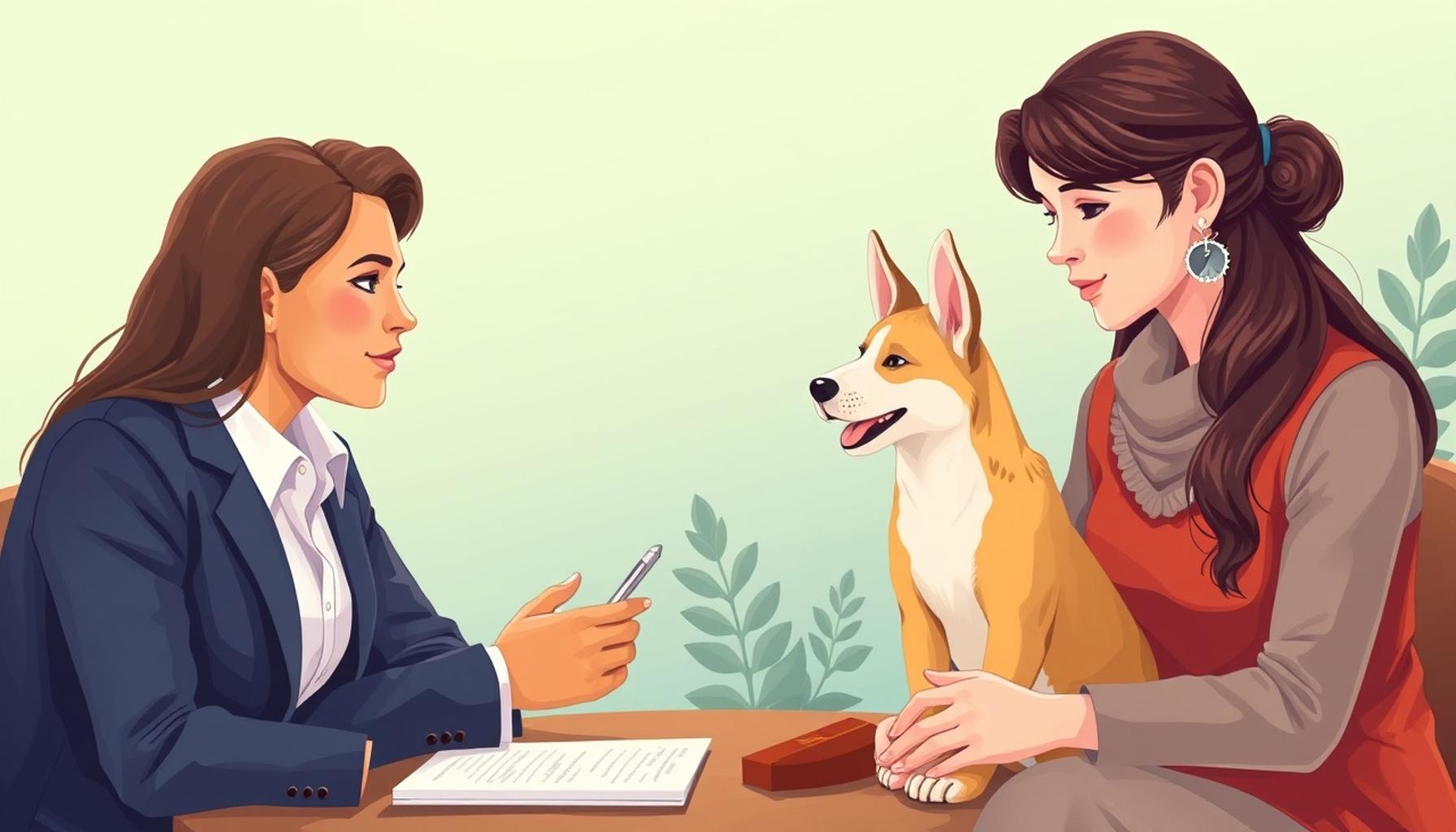
How to Deal with Separation Anxiety in Pets

Understanding Separation Anxiety in Pets
Separation anxiety is a pervasive issue that affects a significant number of pet owners throughout the United States. When pets find themselves alone, they often exhibit a range of distressing behaviors that can not only disrupt their own sense of security but also lead to challenges in their owners’ daily lives. Recognizing the signs of separation anxiety is crucial for fostering a stable and healthy bond with your furry companions.
Key Indicators of Separation Anxiety
- Excessive barking or whining: This is often one of the most noticeable signs. Pets may vocalize incessantly, often in a panic-like manner, when they realize their owner is leaving. This behavior can persist until their owner returns, creating tension in the household.
- Destructive behavior: Pets may resort to chewing furniture, scratching doors, or tearing apart household items as a coping mechanism. This destructive behavior often stems from their anxiety about being alone, leading to significant stress for both the pet and the owner.
- House soiling: Even well-trained pets may urinate or defecate in the home when faced with separation anxiety. This regression can be a distressing indication of their emotional turmoil.
- Attempting to escape: Some pets may try to break out of their confined spaces, such as crates or rooms, which can pose safety risks and potential injury to themselves.
Identifying these signs is essential for pet owners. The emotional well-being of your furry friend is just as important as their physical health. Addressing separation anxiety effectively can lead to a more harmonious household, where both pets and owners can thrive.
Factors Contributing to Anxiety
A variety of factors can trigger separation anxiety in pets, including:
- Changes in routine: For instance, a recent transition to a new job that requires longer hours can disrupt a pet’s sense of stability and security.
- Experiences of abandonment or rehoming: Pets that have been abandoned or rehomed may have heightened anxiety levels, fearing they might be left alone again.
- Traumatic events: Events such as a house move or the loss of a family member can deeply frighten pets, especially if they are not given time to adjust.
By recognizing and understanding these contributing factors, pet owners can take proactive approaches to help their pets cope with anxiety. Implementing effective strategies such as gradual desensitization, creating a safe space, and utilizing positive reinforcement can significantly improve a pet’s mental health. Furthermore, consulting with a veterinary behaviorist or practicing training exercises can pave the way for a calmer and more balanced environment for both pets and their human companions. Taking the time to understand and address separation anxiety can lead to a rewarding relationship filled with joy and companionship.
Effective Strategies for Managing Separation Anxiety
Once pet owners have identified the signs and underlying factors contributing to their pets’ separation anxiety, it becomes essential to employ effective strategies to help alleviate their distress. Tackling separation anxiety in pets requires patience, consistency, and a proactive approach. Here are several actionable steps owners can take to foster a calmer environment for their furry friends:

Gradual Desensitization
One of the most effective methods for addressing separation anxiety is through gradual desensitization. This technique involves helping your pet get used to being alone for short periods before gradually extending the duration. Follow these steps to implement this method:
- Start Small: Begin by leaving your pet alone for just a few minutes. Make sure they are in a comfortable space, equipped with toys and treats to keep them occupied.
- Incremental Increases: Once your pet shows comfort during short absences, gradually extend the duration of time you are away. Aim to increase the time incrementally, monitoring their stress levels carefully.
- Used Positive Associations: Pair your departures with positive experiences. For example, give your pet a special treat or engage them with a favorite toy every time you leave to create a positive association with their time alone.
Creating a Safe Space
Providing a safe and secure environment can significantly help alleviate a pet’s anxiety. Consider the following tips to create a comforting space:
- Choose a Confinement Area: Designate a specific area in the home where your pet feels secure. This could be a cozy corner with their bed, favorite toys, and blankets that carry your scent.
- Use Calming Products: Consider using calming aids such as adaptil diffusers or thunder shirts. These products can provide soothing effects, helping to ease anxiety.
- Background Noise: Leaving soft music or a white noise machine can drown out external sounds that may trigger anxiety, creating a more serene atmosphere for your pet.
Engaging in Interactive Play
Ensuring your pet is physically and mentally stimulated can also play a crucial role in alleviating separation anxiety. Providing regular exercise will help expend excess energy, making your pet more relaxed when you’re not home. Incorporate daily activities that challenge both their mind and body:
- Daily Walks: Schedule daily walks or outdoor activities, allowing your pet to explore and engage with their environment.
- Interactive Toys: Invest in puzzle toys or treat dispensers that encourage your pet to work for their food, providing both mental stimulation and entertainment.
- Training Sessions: Incorporate short training sessions throughout the week to reinforce good behaviors while stimulating your pet’s mind.
By implementing these strategies, pet owners can create a more conducive environment for their animals, ultimately leading to reduced anxiety levels and a more harmonious household. With time, patience, and consistent application of these techniques, both pets and owners can overcome the challenges posed by separation anxiety.
Understanding Separation Anxiety in Pets
Separation anxiety in pets can be a distressing experience for both the animal and the owner. Recognizing the signs and understanding the underlying causes can significantly improve how we deal with this behavior. Pets suffering from separation anxiety often exhibit behaviors such as excessive barking, destruction of furniture, and inappropriate elimination in the house when left alone. These are not just simple bad habits but rather cries for help, indicating that they are struggling to cope with being away from their owners.
Effects of Separation Anxiety
The impact of separation anxiety can extend beyond the immediate behavior issues. It can lead to stress-related health problems, including digestive issues and weakened immune systems. Additionally, pets may develop further behavioral problems if their anxiety is not addressed. It’s important to note that many animals may experience this anxiety due to changes such as moving to a new home, introducing a new pet to the family, or even changes in owner schedules.
Strategies to Alleviate Separation Anxiety
Addressing separation anxiety requires a combination of behavioral training and environmental adjustments. Here are some effective strategies to implement:
- Gradual Desensitization: Begin by leaving your pet alone for short periods and gradually increase the time as they become more comfortable.
- Safe Space Creation: Designate a space in your home where your pet feels safe and secure when you’re away.
- Positive Reinforcement: Reward your pet for calm behavior when left alone, reinforcing positive associations with your absence.
- Interactive Toys: Providing engaging toys can keep your pet occupied, reducing anxiety during your absence.
Utilizing these methods can help pave the way toward a more stable and confident pet. However, be patient, as overcoming separation anxiety can take time. In severe cases, consulting with a veterinarian or a professional animal behaviorist may be necessary for a tailored approach.
| Techniques | Benefits |
|---|---|
| Gradual Desensitization | Helps pets acclimate to being alone without stress. |
| Positive Reinforcement | Encourages desirable behaviors and reduces anxiety over time. |
Understanding and addressing separation anxiety is crucial for your pet’s well-being. By implementing the right strategies, you can help mitigate their anxiety and create a happier environment for both of you.
Professional Help and Advanced Techniques
While the aforementioned strategies are effective, some cases of separation anxiety may be more severe and require professional intervention. Understanding when to seek help can be pivotal in ensuring your pet’s well-being and providing them with the support they need. Here are a few advanced techniques and professional options available:
Consulting with a Veterinarian
Before implementing any new treatment plan, it is crucial to consult with a veterinarian. Your veterinarian can help rule out any medical issues that might be contributing to your pet’s anxiety and may suggest behavioral therapies or medications tailored to your pet’s needs:
- Behavioral Modification Programs: Your vet may recommend a structured program led by a certified pet behaviorist, designed to address specific insecurities and anxiety triggers.
- Medication Options: In cases where anxiety is severe, veterinarians might prescribe anti-anxiety medications to help provide immediate relief while behavioral training is implemented.
Working with a Professional Dog Trainer or Behaviorist
Sometimes, the insights of a professional dog trainer or animal behaviorist can be invaluable. These experts are trained to recognize problematic behaviors and to implement customized training plans. Here are some advantages of seeking professional help:
- Personalized Attention: A professional can observe your dog in their home environment, tailoring their training approach to specific behavioral patterns.
- Comprehensive Training Techniques: They can introduce advanced techniques such as counter-conditioning and reinforcement strategies to gradually change your pet’s emotional response to being alone.
Consideration of Daycare Solutions
If your lifestyle necessitates long absences from home, exploring pet daycare options could be beneficial. Many facilities offer safe environments where pets receive socialization and stimulation during the day, reducing the likelihood of separation anxiety:
- Socialization Opportunities: Daycare allows pets to interact with other animals, promoting companionship and reducing loneliness.
- Structured Activities: Facilities often provide regular exercise, games, and mental stimulation, all of which contribute to a more balanced pet.
Emotional Support Through Technology
Advancements in technology have also opened new pathways for supporting pets with separation anxiety. Innovative gadgets can assist in alleviating anxiety:
- Pet Cameras: With two-way audio and video features, these devices allow owners to check in on their pets and provide real-time comfort through verbal reassurances.
- Interactive Feeders: Devices that dispense treats at intervals can help distract and engage pets during periods of solitude, providing them with an entertaining challenge.
By integrating these advanced strategies and seeking professional guidance when necessary, pet owners can more effectively manage their pet’s separation anxiety. Tailoring an approach based on your unique situation and your pet’s behavior will ultimately lead to a healthier, happier pet and a more relaxed environment.
Conclusion: Nurturing a Calm and Confident Companion
In summary, dealing with separation anxiety in pets is a multifaceted challenge that requires attention, patience, and a proactive approach. The cornerstone of effective management lies in understanding your pet’s unique emotional landscape and employing a combination of behavioral strategies, environmental adjustments, and professional support when necessary. As outlined, methods such as gradual desensitization, positive reinforcement, and even leveraging technology can significantly enhance your pet’s ability to cope when left alone.
It’s essential to recognize that some pets may necessitate deeper intervention, such as medication or professional training, to address severe anxiety. By consulting with a veterinarian and possibly engaging with a certified trainer, pet owners can tailor solutions that meet their furry friend’s specific needs. For those who face long absences from home, exploring options like daycare can pave the way for a well-rounded lifestyle, fostering social skills and reducing stress.
Ultimately, the journey to alleviating separation anxiety is not only about modifying behavior but also about nurturing a trusting bond with your pet. As you implement these strategies, remember that consistency and love are key elements that reassure your furry companion. By championing your pet’s emotional health, you foster a happier, more resilient pet that will thrive in your absence and welcome you home with joy.