Special Diets for Pets with Food Allergies: What You Need to Know

Caring for Pets with Food Allergies
Food allergies in pets can be a complex and distressing issue for both animals and their owners. Understanding what triggers these allergies is crucial in ensuring a pet’s overall health and well-being. For many pet owners, identifying the right diet becomes essential, as the right specialized diet can dramatically improve the quality of life for affected pets. By prioritizing food that caters to their unique needs, pet parents can manage food allergies effectively and help their furry friends thrive.
Key Symptoms to Watch For
Recognizing food allergies early is key to taking prompt action to alleviate your pet’s discomfort. Here are some common symptoms to look out for:
- Skin irritations such as persistent itching, redness, or inflammation can indicate an allergic reaction. Pets might also develop hot spots where they lick or scratch excessively.
- Gastrointestinal issues like vomiting or diarrhea are also prevalent, and these can occur shortly after a pet consumes a trigger food. It’s essential to monitor the frequency and severity of these episodes.
- Behavioral changes due to discomfort can manifest as increased irritability, lethargy, or restlessness. A pet might become less sociable or exhibit signs of distress when on certain foods.
Being vigilant about these symptoms can facilitate earlier intervention. Some common ingredients that tend to trigger allergic reactions include chicken, beef, dairy, wheat, and soy. As food allergies continue to rise amongst pets in the United States, knowing how to manage these dietary restrictions has never been more essential for responsible pet ownership.
Types of Special Diets
When it comes to feeding pets with food allergies, there are several tailored diet options available, each designed to accommodate different needs and preferences:
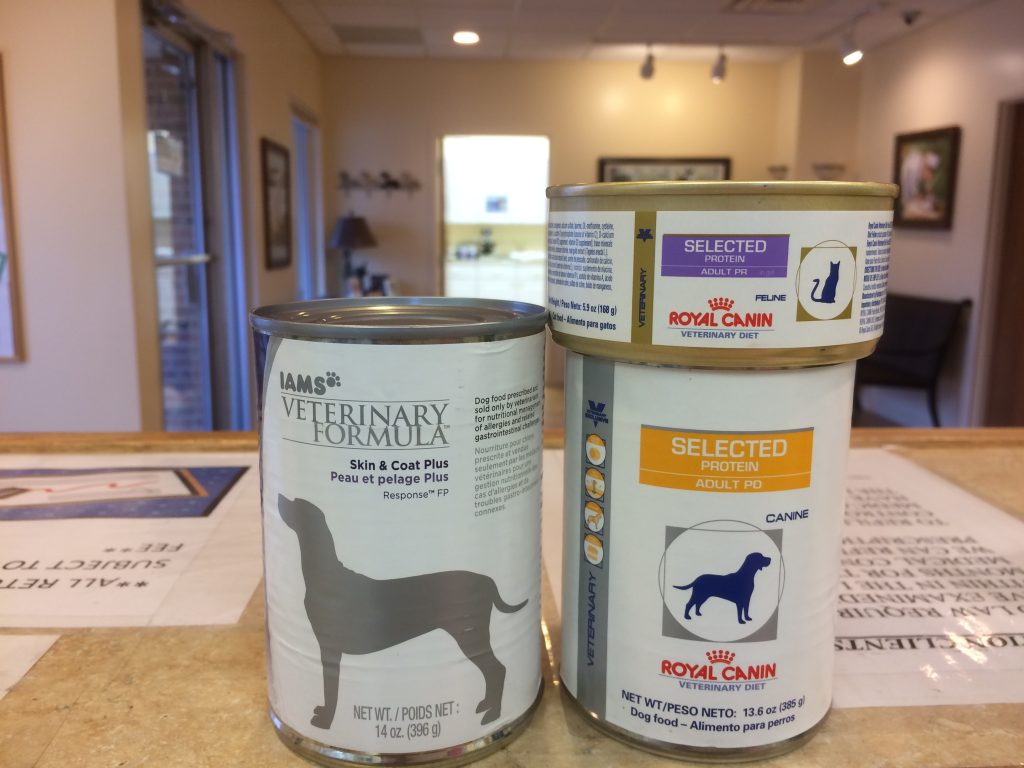
- Prescription diets are specialized food blends formulated by veterinarians that typically include novel protein sources and carbohydrates. These diets are designed to minimize allergens while ensuring balanced nutrition.
- Limited ingredient diets feature fewer components, which limits the exposure to common allergens. By simplifying the ingredient list, pet owners can more easily pinpoint any triggers.
- Home-cooked meals allow pet owners to have complete control over what their pets consume. However, it’s important to ensure that these meals meet all nutritional needs, so consultation with a veterinarian is highly recommended.
Each of these dietary options has its benefits and challenges, reinforcing the importance of professional advice. By exploring these diverse feeding choices, pet owners can equip themselves with ample knowledge and practical solutions to help their pets thrive despite food allergies. Awareness and proactive management are vital for maintaining a happy and healthy pet.
Understanding Special Diets for Pets
The rising concern among pet owners regarding food allergies has necessitated a deeper understanding of dietary options available for our furry friends. With the increasing prevalence of such allergies in the United States—affecting an estimated 10% of pets—it is imperative that pet guardians equip themselves with knowledge to select suitable diets. This situation becomes even more crucial for pets suffering from allergies, as the wrong food can exacerbate symptoms, leading to discomfort and health complications. Providing a balanced diet while managing allergies can seem daunting, but with the right approach, it can promote both a happier and healthier lifestyle for pets.
Popular Ingredients in Special Diets
When considering special diets, it is vital to understand the specific ingredients that can alleviate allergy symptoms. Here are some commonly used components in specialized pet diets:
- Novel proteins: These include less common protein sources such as venison, duck, and fish. Unlike more conventional sources like beef or chicken, novel proteins are often less likely to provoke allergic reactions, particularly for dogs with pre-existing sensitivities. For example, a dog that has shown a negative reaction to chicken may benefit from a diet featuring duck.
- Alternative carbohydrates: Ingredients such as sweet potatoes or peas provide energy without relying on common allergenic grains like wheat, corn, or soy. This can be particularly beneficial for dogs or cats that have grain sensitivities. Sweet potatoes, aside from being delicious, are high in fiber, promoting digestive health—a significant factor in managing allergies.
- Hydrolyzed proteins: These proteins have been extensively processed to break them down into smaller components that are less recognizable to the immune system. This reduces the likelihood of an allergic reaction. Many *veterinary-approved* diets utilize hydrolyzed proteins and are ideal for pets with severe allergies.
These components form the foundation of various prescription diets and limited ingredient diets. Such choices are designed not only to target specific allergens but also to furnish essential nutrients to your pet’s diet. Companies like Hill’s Science Diet and Royal Canin have made strides in producing tailored diets focusing on allergen management.
Navigating the Transition
Transitioning your pet to a special diet is a significant step that requires thoughtful planning. Sudden dietary changes can lead to digestive issues, further complicating existing food allergy symptoms. Here are some important steps to ensure a seamless transition:
- Gradual introduction: Start by gradually mixing a small amount of the new diet with your pet’s current food. Over a period of one to two weeks, increase the proportion of the new food while decreasing the old. This method helps minimize digestive disruptions while your pet adjusts to the new flavors and ingredients.
- Observation: Closely monitor your pet’s response during this transition. Look for signs of improvement in their condition, such as less itching or an overall sense of wellbeing. Keeping a food diary can be invaluable in tracking any changes related to their symptoms, making it easier to identify patterns.
- Consultation: Maintaining communication with your veterinarian throughout this process is imperative. They can offer invaluable insights tailored specifically to your pet’s allergies and individual health needs. Regular vet check-ups can also help assess the effectiveness of the new diet and make further adjustments if necessary.
Ultimately, taking these measures will help enhance your pet’s quality of life. Being proactive about dietary changes not only assists in minimizing allergic reactions but also contributes to your pet’s overall happiness and vitality. By investing time in understanding the available options and keeping an open line of communication with veterinary professionals, you can make informed choices that will benefit your beloved pets in the long run.
| Advantage | Description |
|---|---|
| Improved Digestive Health | Special diets are tailored to eliminate allergens, which can lead to better gut health, reducing digestive issues. |
| Enhanced Nutritional Profile | These diets often contain alternative proteins and carbohydrates, which can provide balanced nutrition to pets with sensitivities. |
| Increased Energy Levels | By avoiding inflammatory ingredients, pets may experience higher energy and overall vitality, allowing them to play more actively. |
| Prevention of Allergic Reactions | Formulated diets can drastically decrease the likelihood of skin irritations, gastrointestinal upset, and other allergic symptoms. |
Understanding special diets for pets with food allergies is crucial for pet owners wanting to ensure their furry friends live a healthy life. A carefully crafted diet can not only alleviate symptoms but can enhance their quality of life. Additionally, these diets encourage open discussions among veterinarians and pet owners, leading to informed choices that benefit both pets and their families. By exploring the unique needs of animals with food allergies, pet owners can discover fascinating new foods, supplements, and feeding practices that may have otherwise gone unnoticed. It’s imperative to learn about the various proteins and carbohydrates that can replace common allergens, making it a journey of discovery for both pet and owner.
Identifying Food Allergies in Pets
Recognizing food allergies in pets can be complex, often requiring a keen eye and observer skills. Unlike humans, who may experience immediate reactions to allergens, pets may exhibit symptoms over a more extended period. Common signs of food allergies include persistent itching, gastrointestinal upset, ear infections, and skin irritations. These symptoms can easily be mistaken for other health issues, thus making proper identification critical.
Conducting an Elimination Diet
One of the fundamental approaches to diagnosing food allergies is through an elimination diet. This method involves removing all potential allergens from your pet’s diet and then gradually reintroducing them one at a time. Here’s how it works:
- Selection of a Base Diet: Opt for a hypoallergenic or limited ingredient diet containing a single protein and carbohydrate source. This will provide a clean slate for your pet.
- Duration: Stick to this strict diet for about 8 to 12 weeks—time needed to observe improvements. Keep an eye out for symptom reduction during this period.
- Reintroduction Phase: After the elimination phase, reintroduce one ingredient at a time, waiting a few days between each addition. This gradual process allows you to pinpoint which foods provoke allergic reactions.
By utilizing the elimination diet method, pet owners can often identify specific allergens, making it easier to tailor a special diet that addresses their pet’s unique needs.
Commercial vs. Homemade Diets
When it comes to special diets for pets with food allergies, many owners grapple with the decision between commercial and homemade food options. Each approach has its advantages and considerations:
- Commercial Diets: These are often formulated by veterinary nutritionists and are designed to meet all of your pet’s nutritional needs. They typically come in the form of prescription diets, ensuring that they avoid common allergens while providing necessary vitamins and minerals. Brands like Purina Pro Plan Veterinary Diets and Hill’s Prescription Diet offer products made specifically for allergenic pets.
- Homemade Diets: Pet owners can opt to cook for their pets, offering complete control over the ingredients used. However, it is crucial to work closely with a veterinarian or a pet nutritionist to create balanced meals. Homemade diets can be tailored to eliminate allergens readily while accommodating specific dietary requirements.
This decision often comes down to your pet’s specific needs, lifestyle, and any medical guidance provided by a veterinarian.
Long-Term Management of Food Allergies
Once your pet has been successfully transitioned onto a special diet, ongoing management is essential. Regular veterinary check-ups are crucial for monitoring your pet’s health and addressing any potential allergies that may arise as they age. Additionally, pet owners should be cautious about introducing any new treats or foods, as these could trigger allergies.
Maintaining a consistent diet helps ensure that your pet remains healthy and comfortable, preventing the resurgence of allergy symptoms. Having a comprehensive plan in place—including an understanding of the signs of allergic reactions—will enable pet owners to respond promptly to any issues that may arise.
Arming yourself with knowledge about special diets for pets with food allergies and maintaining open communication with veterinary professionals will lead to a happier, healthier life for your beloved companions. The increasing options available today—from prescriptive to homemade diets—allow for a more tailored approach to managing food allergies, ensuring pets enjoy their meals without discomfort.
Conclusion
In summary, understanding special diets for pets with food allergies is imperative for pet owners who wish to ensure the well-being of their beloved companions. Identifying food allergies can be a complex journey, but with careful observation and systematic approaches such as the elimination diet, owners can pinpoint allergens effectively. Whether opting for commercial diets formulated by veterinary nutritionists or preparing homemade meals under expert guidance, it is vital to choose a pathway that best suits your pet’s unique needs.
Long-term management is essential once a suitable diet is established, emphasizing the need for regular veterinary consultations and vigilance regarding new food introductions. By remaining informed and proactive about your pet’s dietary requirements, you not only enrich their daily experience but also greatly enhance their overall health and comfort.
The evolving landscape of special diets offers various options, allowing pet owners the flexibility to cater to their pets’ specific allergies and preferences. With a solid understanding of their pet’s conditions and proper dietary practices, pet owners can foster a happier, healthier life for their furry friends. As you navigate this journey, remember that each pet is unique, and tailor-made solutions often lead to the best outcomes for those with food allergies.