How to Prepare Your Home to Welcome a Rescued Animal: Practical Tips

Creating a Safe Haven for Your Rescued Pet
Bringing a rescued animal into your household can ignite a profound change in the lives of both you and your new companion. This rewarding journey often requires more than just an open heart; it necessitates thoughtful preparation to foster a nurturing environment that aligns with the unique needs of your pet. A well-prepared home not only eases the transition for your new furry friend but also enriches the bond you will share in the future.
Before your new companion arrives, it’s vital to consider several critical aspects to ensure their well-being. The following preparations can make a significant difference:
- Safety First: Your home should be a sanctuary, free from dangers that might harm your pet. This includes securing household cleaners, medications, and sharp objects. A simple way to identify potential hazards is to get down to your pet’s level and see the world through their eyes. For example, move any fragile items and cover exposed electrical cords to prevent accidents.
- Comfort Zones: Designating a specific area for your pet gives them a sense of security. This space should include a cozy bed, some enriching toys, and a designated spot for a litter box or crate, depending on whether you have a cat or dog. This helps create a familiar territory where they can retreat when feeling overwhelmed.
- Essential Supplies: Just as you prepare for a new family member, stocking up on essential supplies is necessary. This includes high-quality food suited to their dietary needs, water bowls that are easy to clean, grooming tools tailored for their coat type, and veterinary essentials like microchipping information and vaccination records. Consider also investing in pet insurance for peace of mind.
- House Rules: Establishing clear guidelines from day one aids in effective communication with your new pet. Decide where they can roam, which furniture is off-limits, and how to address any undesirable behaviors. Consistency is key, so involve all family members in these decisions to present a united front.
Understanding your rescued animal’s background is equally essential. Many pets come with unknown histories and may display behavioral quirks or fears derived from previous experiences. Their reactions might range from shyness to anxiety or aggression. Engaging with your veterinarian or a trained behaviorist can provide insights that will help you navigate this transition.
As we explore each of these steps in detail, we aim to equip you with the tools necessary to create an inviting atmosphere that encourages trust and unconditional love. Whether you choose to adopt from a local shelter or rescue an animal from the streets, implementing these practical tips will facilitate your journey toward building a compassionate home for a deserving companion.
Understanding Your Rescued Animal’s Unique Needs
Each rescued animal carries its own set of experiences, emotions, and behaviors. Understanding these unique needs is essential in creating an environment in which your new pet can flourish. Many rescued animals come from difficult backgrounds that have left them with lingering fears or anxiety. The adjustment period can vary widely from one animal to another, but being patient and observant is crucial. Here’s a deeper dive into what you might encounter and how to effectively respond:
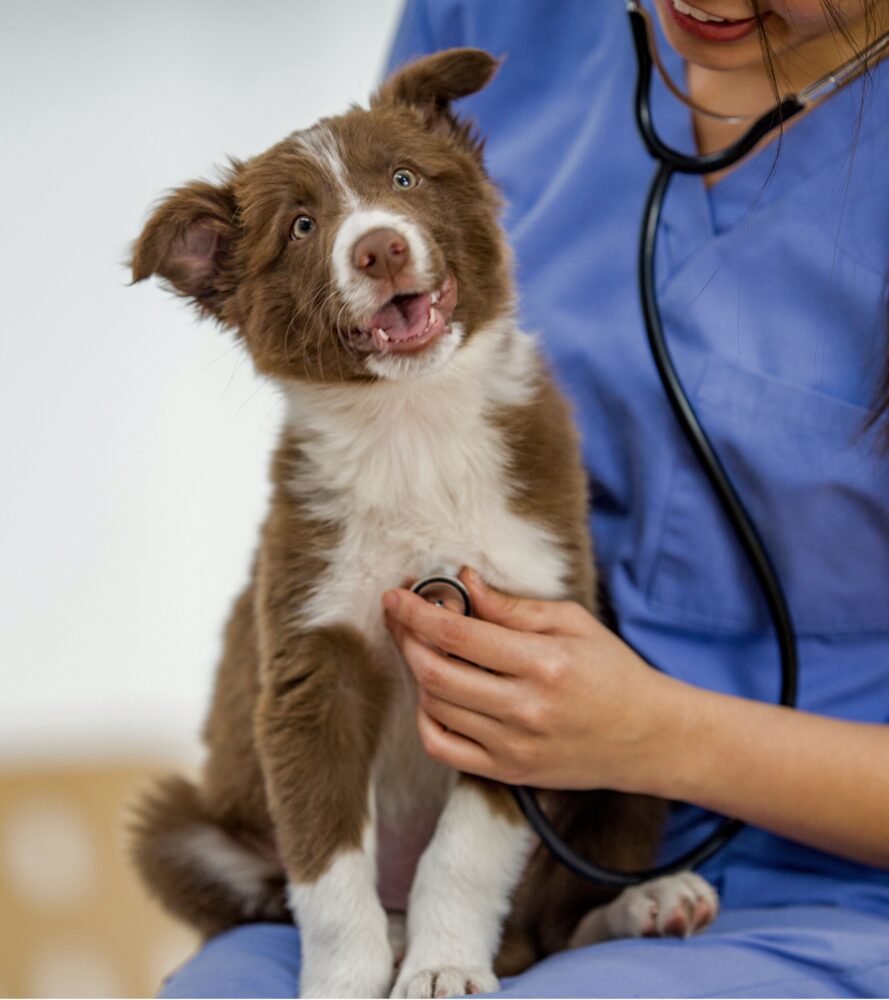
- Recognizing Signs of Stress: New surroundings can be overwhelming for your rescued pet. Look for signs such as excessive barking, hiding, trembling, or avoiding interaction. If your pet exhibits these behaviors, it’s important to allow them the time they need to acclimate. Create a peaceful atmosphere and give them space to explore their new home on their own terms.
- Building Trust Gradually: Trust is not built overnight, especially for animals that have faced trauma. Use a gentle approach by allowing your pet to approach you first. Avoid sudden movements or loud noises that may startle them. Soft-spoken words and treats can help encourage interaction. Gradually introduce them to various areas of your home to reduce their unease.
- Monitoring Interactions: If you have other pets, it’s important to monitor their interactions closely. Introduce them slowly and in a controlled manner. Use a gate or crate to allow them to see each other without direct contact initially. This technique can reduce territorial disputes and promote a peaceful coexistence.
- Consulting Professionals: If behavioral issues persist, don’t hesitate to seek help from a veterinarian or animal behaviorist. Their expertise can offer tailored strategies for managing anxiety or fear-based behaviors, making the transition smoother for both of you.
Another aspect to consider is the breed and age of your rescue. Puppies often have high energy levels and require a lot of engagement to channel their enthusiasm positively. On the other hand, older animals may prefer a quieter space and gentle companionship. Research the breed characteristics to ensure the environment you provide meets their potential physical and emotional needs.
In addition to understanding behavioral aspects, educating yourself about the psychological impact of rescue can also be beneficial. Many rescued pets experience a heightened need for reassurance and stability. Incorporating routines into your daily life can help in providing that necessary anchor for your new furry friend.
Preparation is essential in easing the transition for both you and your pet. By recognizing the emotional landscape your rescued animal navigates, you can foster an inviting environment that supports healing and adaptation. Keep in mind that every pet is unique, and with time and patience, trust will blossom into an unbreakable bond.
Creating a Safe Space
When preparing your home to welcome a rescued animal, the first step is to create a safe and designated space where they can feel secure. Animals that have experienced trauma often need time to adjust, so setting up a quiet area with comfortable bedding, water, and a few toys can make a significant difference in their comfort level. This space should be free from any hazards, such as electrical cords or toxic plants, to ensure a safe environment.
Essential Supplies
Gathering the right supplies in advance is essential to help the transition go smoothly. Consider the following items as essential supplies for your new furry friend:- Food and Water Bowls: Choose sturdy options that won’t easily tip over.- Quality Food: Research and select food suited to your pet’s specific dietary needs.- Litter and Litter Box (for cats): Choosing the right litter can promote good habits.- Collars and Leashes: These are crucial for walks and excursions.- Toys and Chews: Providing mental stimulation is key to keeping your animal happy.
Gradual Introduction to the Home
When it’s time to allow your rescued animal to explore more of your home, do this gradually. Allow them to venture into one room at a time, giving them the opportunity to sniff and familiarize themselves with their new surroundings. Keep the experience positive; use treats and praise to encourage them as they explore. This process helps to build trust and makes them feel more secure in their new environment.
Establishing Routines
Rescued animals thrive on stability and routine. Establish feeding times, playtimes, and bathroom breaks to create a predictable schedule. Animals find comfort in knowing what to expect, and this routine can significantly reduce anxiety. Keep in mind that patience is vital during this transition period; it might take some time before your new companion begins to feel truly at home.
Creating a Secure Environment
Assess your home for any potential safety concerns, particularly if your animal exhibits anxious behaviors. Install baby gates to restrict access to certain areas, secure trash cans, and remove any harmful chemicals. It’s also beneficial to pet-proof your home by ensuring all windows and doors have secure screens, preventing adventurous animals from escaping.
Subtle Changes in Behavior
As you welcome your rescued animal, pay attention to their behavior. Subtle signs of stress, such as hiding or excessive barking, may indicate they need more time to adjust. Recognizing these signs early allows you to modify their environment or routines to better suit their needs.These practical tips can significantly enhance a rescued animal’s transition into your home, fostering a bond built on trust and confidence. By creating a nurturing and safe environment, you’re taking the first step towards a fulfilling relationship with your new friend.
Creating a Safe and Comfortable Space
As you prepare your home to welcome a rescued animal, creating a safe and comfortable space should be one of your primary objectives. A sanctuary where your new furry friend can feel secure will significantly aid in their adjustment. Here are several practical ways to achieve this:
- Designate a Specific Area: Start by setting up a designated area where your pet can relax and feel safe. This could be a quiet room or a cozy corner equipped with a comfortable bed, clean water, and some toys. Make this space theirs, allowing them to retreat there whenever they feel overwhelmed.
- Remove Hazards: Your home may carry a range of potential hazards for a curious new pet. Secure loose wires, remove toxic plants, and store away cleaning supplies and chemicals out of reach. It’s important to conduct a thorough inspection of your home to remove any items that could pose a threat to your new friend’s health and safety.
- Introduce Enrichment Activities: Enrichment activities such as puzzle toys, scratching posts, and interactive games stimulate your rescued animal’s mind and body while easing stress. Consider incorporating these into their designated area to enhance their comfort and provide a sense of adventure. Different pets have different preferences, so observe what engages them the most.
- Prepare for House Training: If your rescued animal is not yet house trained, prepare for potential accidents as they acclimate to their new environment. Have cleaning supplies on hand for quick cleanups and consider creating a routine that promotes their bathroom habits. Frequent outdoor breaks or designated indoor spots can assist in reinforcing these new habits.
- Control Noise Levels: Loud noises from household appliances, traffic, or the triggers of everyday life can be particularly stressful for a new pet. Aim to create a quieter atmosphere, especially during the initial adjustment phase. Consider playing soft music or using white noise machines to mask startling sounds.
Establishing Routines and Boundaries
Establishing routines is another crucial element for welcoming your rescued animal home. A consistent schedule can help your new pet feel more secure and reduce anxiety. Here are some effective practices for creating routines:
- Feeding Schedule: Regular meal times can instill a sense of predictability for your pet. Choose specific times for feeding and maintain them consistently. This not only aids in their digestion but also contributes to building a bond as your pet learns to anticipate your care.
- Exercise Regimen: Depending on the breed and energy level, daily exercise will be vital in managing both physical health and behavioral issues. A well-rounded regimen involving walks, playtime, and mental stimulation can prevent destructive behaviors caused by boredom and pent-up energy.
- Routine Vet Visits: Ensure that your new pet receives a thorough vet check-up shortly after adoption. Regular health assessments and vaccinations are crucial and will contribute to your home’s overall preparedness to care for your pet’s needs.
By establishing a safe environment filled with comfortable spaces and predictable routines, you create a nurturing atmosphere that allows your rescued animal to acclimatize at their own pace. These essential elements not only facilitate a smoother transition into your home but also lay the groundwork for a harmonious and fulfilling relationship. Remember, patience is key, and the bond that develops as your new pet settles in will be well worth the efforts you invest now.
Conclusion
Welcoming a rescued animal into your home is a rewarding experience that not only changes their life but also enriches yours. By following these practical tips, you can create a secure and nurturing environment that promotes comfort and emotional well-being. Designating a specific area, removing hazards, introducing enrichment activities, and setting up predictable routines are essential steps that facilitate your new pet’s adjustment. These measures help alleviate anxiety, fostering a sense of safety and stability that every animal deserves.
Moreover, establishing consistent feeding schedules, exercise regimens, and routine vet visits ensures that your pet’s physical and emotional needs are met. As time progresses, remember that patience is crucial. It may take time for your rescued animal to acclimate fully, but the love and companionship they offer in return make every effort worthwhile. Take the opportunity to observe their unique behaviors, and tailor your approach accordingly; every pet has its own quirks and preferences that turn your shared home into a joyful sanctuary.
Preparing your space for a rescued animal is not just about eliminating risks; it’s also about setting the foundation for a lasting bond built on trust and understanding. Therefore, embrace this journey with an open heart and a willingness to learn. You are not just saving a life; you are gaining a loyal companion that will bring joy, laughter, and love to your household for years to come. So go ahead, take the steps, and get ready to make a positive impact in your new furry friend’s life!