The Importance of Post-Adoption: How to Ensure the Integration and Well-Being of a Rescued Animal in Its New Home
The Essential Steps After Adoption
Bringing a rescued animal into your home is a heartwarming decision that can transform both your life and theirs. However, the critical stage of post-adoption is often overlooked. Ensuring a seamless integration for your new furry friend can significantly impact their well-being, allowing them to flourish in their new environment. The period following adoption is pivotal, as animals often face challenges that can lead to stress, anxiety, or behavioral issues.
To help your new companion adapt, consider the following aspects:
- Safe Environment: Creating a cozy space where your pet feels secure is paramount. This could be a designated nook with comfortable bedding, toys, and their personal effects. Animals, especially those from shelters, thrive in environments that minimize stressors. Ensure this area is quiet and away from household hustle and bustle to help them acclimate.
- Routine Establishment: Establishing consistent schedules for feeding, playtime, and training can ease anxiety. Dogs, for example, flourish on routine, which helps them know what to expect each day. Utilizing feeding clocks or apps can assist in maintaining timing, fostering a sense of security for your new pet.
- Socialization Opportunities: Gradual introduction to family members and other animals is crucial. Start with brief interactions, gradually increasing frequency and duration as your pet becomes more comfortable. This could involve short visits or supervised playdates, allowing your new friend to build confidence in social settings without feeling overwhelmed.
- Monitoring Health: Regular veterinary check-ups and vaccinations are essential to maintaining their health. An initial visit should include a thorough examination, ensuring they are free of parasites and any underlying health concerns. Keeping up-to-date with vaccinations not only safeguards your pet but promotes community health. This is especially relevant in the U.S., where public health officials emphasize the importance of responsible pet ownership.
In the United States, nearly 3 million pets are adopted from shelters each year, and this statistic underscores the need for a thoughtful approach to post-adoption care. This phenomenon reflects a growing awareness among Americans of the joys and responsibilities associated with pet ownership. Your commitment doesn’t end when you bring a pet home; it’s just the beginning of a journey to a happier, healthier life for both you and your pet.
By focusing on these post-adoption strategies, you greatly enhance the adaptability and emotional stability of your rescued animal. Being sensitive to their needs—both physical and emotional—will ensure a fulfilling relationship for both you and your new companion. Embracing this responsibility signifies a deep commitment to a shared life, one filled with love, loyalty, and mutual growth.
Understanding Your Rescued Animal’s Needs
The journey of adoption is just the beginning. To ensure the successful integration of a rescued animal into your home, it’s crucial to understand their unique needs and emotions. Many animals who find themselves in shelters have experienced trauma, neglect, or abandonment, which can manifest in behavioral challenges such as fearfulness, aggression, or withdrawal. Acknowledging these past experiences is essential to applying appropriate care strategies that foster trust and security.
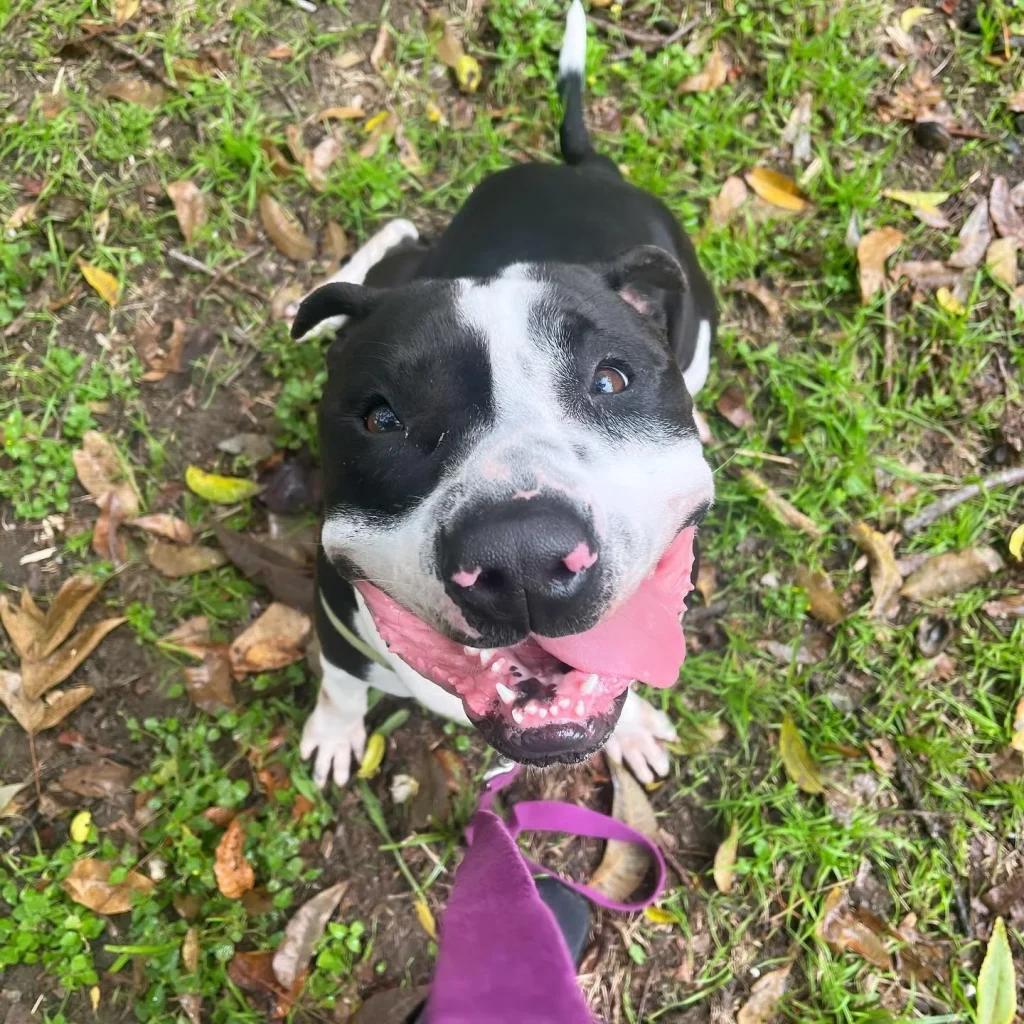
When welcoming a new pet, consider the following aspects to help them adjust:
- Behavior Observation: Pay close attention to your pet’s behavior during the initial days. Signs of anxiety such as pacing, hiding, or excessive barking can indicate stress. Understanding these signals allows you to tailor your approach, whether that’s providing a calm space or engaging in gentle play sessions that encourage interaction.
- Positive Reinforcement Training: Training should begin almost immediately, as it establishes communication between you and your new friend. Utilizing positive reinforcement techniques—like treating, praising, or playing—can help build confidence and strengthen the bond you share. Behavioral training is often advised for many rescue organizations as it can significantly enhance a pet’s adaptability to their new surroundings.
- Gradual Exposure to Everyday Life: Introduce your new companion to the sights, sounds, and smells of your home gradually. This might include everyday activities like vacuuming, cooking, or even having visitors over. Each new experience should be approached slowly and positively to prevent feeling overwhelmed. Safety should always come first; monitor their reactions to ensure they aren’t experiencing excessive stress.
- Consistency in Care: Be consistent with your feeding, routine, and boundaries. Animals thrive in stable environments where they can predict their schedule. For example, if you choose to feed your pet in the morning, do so at the same time every day. Consistency nurtures a sense of safety, helping to alleviate anxiety stemming from uncertainty.
Research suggests that around 30-40% of adopted dogs and cats exhibit some behavioral issues in their first month at home. These challenges stem from various factors, including the transition from shelter life to a new household. Highlighting the importance of early intervention, it is evident that recognizing and addressing these behaviors can dramatically enhance your animal’s adaptation process.
Creating a strong foundation for your new pet involves patience and understanding. By embarking on this journey with empathy and commitment, you can transform your rescued animal’s life for the better, paving the way for a loving and rewarding companionship.
| Integration Strategies | Benefits & Well-Being |
|---|---|
| Consistent Routine | Reduces Anxiety: A predictable schedule helps the animal adapt quickly. |
| Positive Reinforcement | Encourages Trust: Builds a strong bond between the owner and the rescued animal. |
| Dedicated Space | Provides Security: A safe space allows the animal to feel secure and adjust at its own pace. |
| Socialization | Boosts Confidence: Engaging with other animals and people enhances a pet’s social skills. |
Post-adoption is far more than simply bringing the rescued animal home; it requires a proactive approach to ensure the transition is smooth and successful. By implementing effective integration strategies, new pet owners can vastly improve the welfare of their rescued animals. Understanding the individual needs of each pet is key. For instance, some animals may take longer to adjust to a new environment. Providing a consistent routine assists in reducing anxiety and promotes a harmonious living situation. Positive reinforcement is vital; rewarding desired behaviors fosters trust and encourages a loving connection. Creating a dedicated space for the pet can offer a sanctuary where it can feel safe, ultimately leading to a more confident and comfortable animal. Additionally, socialization with people and other pets is crucial to build a well-adjusted companion. Explore these integration techniques further, and make a difference in your new pet’s life. The ongoing relationship between you and your rescued animal can flourish with the right post-adoption care and understanding.
Building a Support System for Your Rescued Animal
While your own efforts are crucial in helping a rescued animal acclimate to their new home, establishing an expansive support system can significantly enhance their well-being. This support framework incorporates various resources, from veterinary guidance to community connections, that help foster a safe and nurturing environment for both pets and owners.
Here are some key components to consider in building this support network:
- Veterinary Care: Ensuring regular veterinary check-ups is essential for your pet’s health. Many rescued animals arrive at their new homes with potential medical issues that may not be immediately apparent. A vet visit soon after adoption can address any underlying health problems and ensure your pet receives necessary vaccinations, spaying or neutering, and parasite control. Establish a relationship with a veterinarian who understands the needs of rescued animals; this can make a significant difference in your pet’s recovery and overall happiness.
- Professional Training Services: Engaging a professional trainer or behaviorist can offer invaluable insights into your rescued animal’s behavior. These experts provide tailored guidance, helping you address specific behavioral challenges while developing effective communication strategies. Group classes can also foster socialization, which is particularly advantageous for adopting anxious or shy pets, as it provides them with safe interactions with other animals and people.
- Support Groups and Community Resources: Connecting with local rescue organizations or pet-focused communities can provide a wealth of information and support. These organizations often offer resources such as training workshops, social events, and advice from fellow pet owners. Socializing with others who have adopted rescue animals can create a helpful network where you can share experiences, learn tips, and find encouragement during the adjustment process.
- Online Resources: Today’s digital landscape offers a plethora of resources dedicated to pet care and rescue communities. Websites, forums, and social media groups provide platforms to seek advice, share challenges, and celebrate successes. Numerous organizations also maintain blogs that delve into adjustment strategies, health tips, and success stories from fellow adopters, which may inspire and guide you in your journey.
A study presented by the Animal Shelter Research organization noted that 72% of pets adopted from rescues successfully transitioned into their new homes within the first year, primarily due to supportive systems that included veterinary care and community engagement. Therefore, realizing the significance of a holistic support system in these critical early months not only benefits your new companion but enriches your own experience as well.
By tapping into veterinary expertise, professional training, community support, and online resources, you are laying a robust foundation for your rescued animal’s integration. This multifaceted approach recognizes that a successful post-adoption journey extends beyond the initial days, creating a lasting impact on your pet’s emotional and physical well-being.
Concluding Thoughts on Post-Adoption Care
Adopting a rescued animal is a remarkable act of compassion, but the journey doesn’t end once the adoption papers are signed. Understanding the importance of post-adoption care is crucial for ensuring the long-term integration and well-being of your new companion. As we have explored, the initial phase following adoption is often filled with adjustments, both for the pet and the owner. This period is pivotal in shaping their future relationship and overall happiness.
By implementing a proactive approach that encompasses regular veterinary care, enlisting professional training services, engaging with local support groups, and utilizing online resources, you are fostering an environment that addresses your rescued animal’s unique needs. This holistic support system not only aids in their acclimatization but also enriches your experience as a pet owner, allowing you to nurture a strong and fulfilling bond.
Consider this: a significant percentage of rescue animals thrive when equipped with the right resources and community support. As a responsible pet owner, it is your duty to embrace these factors and champion the well-being of your rescued animal. In doing so, you contribute to a ripple effect, encouraging others in their adoption journey and ultimately enhancing the quality of lives for countless animals in need.
In conclusion, the post-adoption phase is not merely about giving a home; it’s about cultivating a safe, loving, and supportive space. By prioritizing this crucial step, you ensure that your rescued animal not only survives in their new environment but truly flourishes and enriches your life in return. Your commitment to their well-being can change not just one life but multiple, as you join a compassionate community dedicated to giving these deserving animals the second chance they’ve been longing for.