Animal-Assisted Therapy: Benefits for the Physical and Emotional Health of Caregivers

Understanding Animal-Assisted Therapy
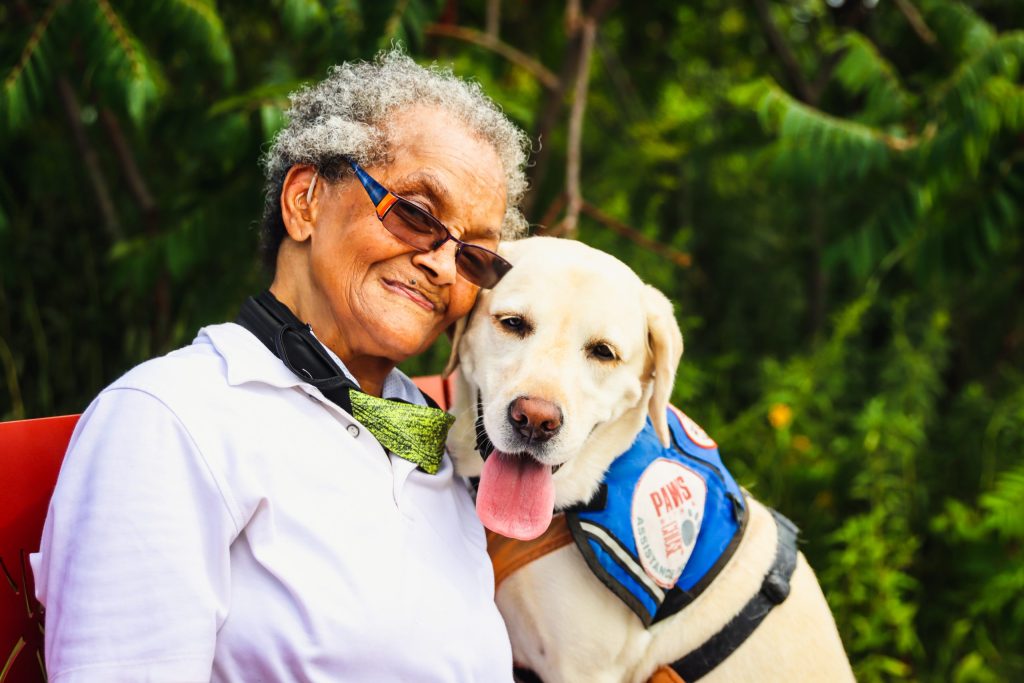
In recent years, the concept of animal-assisted therapy has gained traction, revealing a compassionate approach to enhancing mental health support. This innovative form of therapy involves utilizing trained animals—commonly dogs, cats, and even horses—to assist individuals in overcoming emotional and psychological challenges. For caregivers, who often face continuous demands and stress, incorporating this type of therapy can provide significant relief and rejuvenation.
Emotional Support: A Furry Friend in Times of Need
One of the foremost benefits of animal-assisted therapy is the emotional support animals provide. For caregivers frequently dealing with the emotional toll of their responsibilities, animals serve as a seamless source of comfort. Research has demonstrated that simply petting a dog or cat can evoke feelings of warmth and love, helping to reduce feelings of loneliness and isolation. For example, studies conducted at various universities have found that therapy animals can boost oxytocin levels, often referred to as the “bonding hormone,” significantly improving the mood of caregivers in stressful environments.
Stress Relief: The Power of Presence
The profound ability of animals to relieve stress cannot be overstated. Interacting with animals lowers cortisol levels, the hormone directly associated with stress, while promoting relaxation and happiness. A notable example is evident in therapy programs within hospitals where nurses and caregivers spend time with trained animals during breaks. Such interactions have been shown to decrease not only stress levels but also to increase overall job satisfaction. The unconditional love and non-judgmental nature of animals contribute to a calming atmosphere, making it easier for caregivers to de-stress and recharge.
Enhanced Social Interactions: Connecting Through Companionship
Animals often serve as social facilitators, creating opportunities for new interactions. They can encourage conversations and connections between caregivers, patients, and their families. For instance, in community centers and assisted living facilities, therapy animals can draw people together. Caregivers might find themselves engaging in dialogue with others who are also pet lovers, fostering a sense of community and shared experience. This social dimension is crucial as isolation can exacerbate the burden of caregiving.
Research and Findings: Evidence of Transformative Benefits
Numerous studies support the advantages of animal-assisted therapy for caregivers. A review published in the American Journal of Nursing highlighted that caregivers who engaged with therapy animals reported significantly lower levels of anxiety and burnout. This therapy not only improves emotional well-being but also enhances physical health by inviting caregivers to partake in activities like walking the therapy animal or playing with them, thus promoting a more active lifestyle. The results demonstrate an overall increase in life satisfaction among caregivers involved in animal-assisted therapy programs.
Conclusion: A Pathway to Enlightenment
As we explore the transformative impact of animal-assisted therapy, it becomes increasingly clear that this unique approach can foster deeper personal health and enrich the caregiving experience. In a world where caregivers often neglect their own well-being while prioritizing others, integrating the companionship of trained animals can serve as a vital lifeline, offering not just support but a renewed sense of purpose. Understanding and embracing the profound effects of animal-assisted therapy can pave the way for healthier, happier caregiving practices that benefit both caregivers and those they care for.
The Holistic Advantages of Animal-Assisted Therapy
As the demands of caregiving rise, so does the need for effective coping mechanisms to maintain both physical and emotional well-being. Animal-assisted therapy has emerged as a powerful tool that not only benefits those receiving care but significantly enhances the lives of caregivers themselves. By incorporating trained animals into therapeutic practices, caregivers can experience transformative health effects that extend beyond companionship.
Physical Health Benefits: More Than Just Emotional Support
The physical health benefits drawn from animal-assisted therapy are particularly noteworthy. Unlike traditional therapies that often focus solely on emotional well-being, the inclusion of animals can encourage caregivers to lead more active lifestyles. Here are some of the physical benefits associated with this innovative therapy:
- Increased Physical Activity: Walking, playing, or interacting with therapy animals can result in increased physical activity levels.
- Lower Blood Pressure: Regular interaction with animals has been linked to lower blood pressure readings, contributing to overall cardiovascular health.
- Improved Immune Function: Studies indicate that spending time with animals may enhance immune responses, making caregivers less susceptible to illness.
- Pain Reduction: The soothing presence of therapy animals has been documented to help alleviate chronic pain conditions by distracting caregivers from their discomfort.
These physical benefits combine with the unique emotional advantages associated with animal-assisted therapy, creating a comprehensive approach to caregiver health.
Emotional Resilience: A Catalyst for Renewal
Emotional resilience is vital for caregivers who often face stress and anxiety in their daily roles. Caregivers frequently put their own emotional needs aside in favor of tending to others, leading to feelings of burnout and fatigue. The introduction of therapy animals into this emotional landscape changes the narrative. For instance, interacting with an animal can produce immediate feelings of joy and comfort, often helping caregivers manage their stress better. This emotional uplift is further supported by:
- Connection and Companionship: Animals can fill the void of loneliness, providing a non-judgmental friend to turn to during difficult times.
- Mindfulness Opportunities: Caring for and being present with animals encourages mindfulness, allowing caregivers to focus on the moment instead of their worries.
- Encouragement to Seek Support: The presence of animals often leads caregivers to feel more comfortable seeking support from others, recognizing that they are not alone in their journey.
With such profound emotional and physical impacts, animal-assisted therapy for caregivers serves as more than just a trend. It heralds a shift towards more holistic care practices that prioritize the well-being of those who dedicate their lives to caring for others.
| Advantage | Description |
|---|---|
| Reduced Stress Levels | Animal-assisted therapy has been shown to significantly lower cortisol levels, a stress hormone, helping caregivers manage day-to-day pressures. |
| Enhanced Emotional Support | Interactions with therapy animals provide unconditional companionship, fostering a sense of belonging and emotional well-being among caregivers. |
Engaging in animal-assisted therapy offers unique benefits tailored to the needs of caregivers, who often face overwhelming responsibilities. The presence of trained therapy animals can create a therapeutic environment that promotes healing and emotional balance. Research highlights that caregivers involved in such programs experience an increase in positive emotions and a decrease in anxiety levels.Moreover, the act of petting animals releases endorphins, which contribute to feelings of happiness and relaxation. This physiological response can facilitate a necessary respite for caregivers, prompting them to recharge emotionally and physically. By including animals in therapeutic practices, caregivers gain instant stress relief and support.In addition, therapy animals can serve as powerful motivators for social interaction. Caregivers often feel isolated in their roles, but leaning on the companionship of animals can lead to shared experiences with others, creating enriching connections and community support. The result is a holistic approach to improving the overall well-being of individuals who dedicate their lives to caring for others.
Strengthening Caregiver Communities Through Animal Interaction
The concept of animal-assisted therapy not only offers individual benefits but also fosters a sense of community among caregivers. Engaging with therapy animals can serve as a gateway for caregivers to connect with others sharing similar experiences. This social aspect is vital for emotional support, especially for those who may feel isolated in their caregiving roles.
Creating Connections and Building Support Networks
Caregivers often operate in isolation, dedicating their time and energy primarily to those they care for. The introduction of therapy animals can change that dynamic significantly. For instance, organizations that provide animal-assisted therapy often host group sessions where caregivers can come together, share their experiences, and interact with both animals and fellow caregivers. This promotes:
- Social Engagement: Caregivers can meet others facing similar challenges, which can alleviate feelings of loneliness and enhance emotional well-being.
- Shared Learning Experiences: Group activities centered around animals can inspire caregivers to share techniques, tips, and coping strategies, providing mutual support.
- Collaboration with Professional Therapists: Participating in organized therapy sessions leads caregivers to improve their skills while learning directly from professionals specializing in animal-assisted therapies.
The social network cultivated through animal-assisted therapy opens doors to lasting friendships, which can be instrumental in balancing the emotional toll of caregiving.
Empathy and Emotional Intelligence Enhancement
Working with animals has been proven to enhance emotional intelligence, a key skill for effective caregiving. By nurturing their interactions with animals, caregivers can develop greater empathy and emotional awareness. The subtle cues that animals exhibit require attentiveness and understanding, which can translate into more profound interpersonal relationships with those they care for. Emotional intelligence impacts caregivers in the following ways:
- Better Communication: Enhanced emotional intelligence leads to improved communication skills, allowing caregivers to express their needs and feelings more effectively.
- Stress Management: Understanding and recognizing their emotional responses allows caregivers to manage stress more effectively, leading to lower rates of burnout.
- Increased Patience: Working with animals teaches caregivers to be patient and compassionate, creating a more positive environment for both caregivers and those in their care.
In essence, the enhancement of empathy fosters a more nurturing dynamic in caregiving scenarios, leading to improved relationships and, ultimately, better outcomes for both caregivers and their charges.
Notable Case Studies and Research Findings
Research continues to unveil the multifaceted benefits of animal-assisted therapy for caregivers. A study from the University of Missouri found that caregivers who regularly interacted with therapy dogs reported a 40% improvement in anxiety levels and a corresponding boost in overall satisfaction with their caregiving experience. Furthermore, data from the American Psychological Association indicates that caregivers who utilize therapy animals experience significantly lower levels of depressive symptoms, reinforcing the therapeutic potential of animal interactions.
Such studies illustrate the expanding recognition of animal-assisted therapy as a legitimate resource for enhancing caregiver health. As more organizations and communities embrace these practices, the benefits can compound, fostering a supportive environment for caregivers across the nation.
Conclusion: A Holistic Approach to Caregiver Well-Being
Animal-assisted therapy (AAT) emerges as a transformative approach that not only benefits caregivers on a personal level but also strengthens their communities. The interaction with therapy animals proves to be a therapeutic experience that bridges emotional and physical health challenges faced by caregivers, offering valuable respite from the daily demands of caregiving. Studies reveal a profound impact, highlighting a 40% improvement in anxiety levels and a marked reduction in depressive symptoms among those engaged in AAT, showcasing its potent role in enhancing caregiver wellness.
Furthermore, the communal aspect of AAT fosters vital connections among caregivers, creating networks that nurture shared experiences and support. As caregivers come together, they develop stronger emotional intelligence and interpersonal skills, leading to improved communication and effective stress management. The role of therapy animals extends beyond companionship—it encourages patience, compassion, and mutual understanding, cultivating a more positive caregiving environment.
As recognition of the benefits of animal-assisted therapy grows, it is crucial for healthcare systems and community organizations to integrate these practices into caregiver support programs. AAT not only elevates individual caregiver health but also contributes to a thriving ecosystem of care that resonates throughout families and communities. By embracing the therapeutic potential of animals, we can pave the way for a healthier, more resilient community of caregivers dedicated to their essential roles.
In summary, the compelling evidence laid before us invites further exploration into the dynamic intersection of animal interaction and caregiver well-being. As we continue to investigate and implement AAT, we can unlock new pathways for improving the lives of caregivers across the nation and the individuals they devote their time and love to.