The Importance of Balanced Nutrition for Pet Health
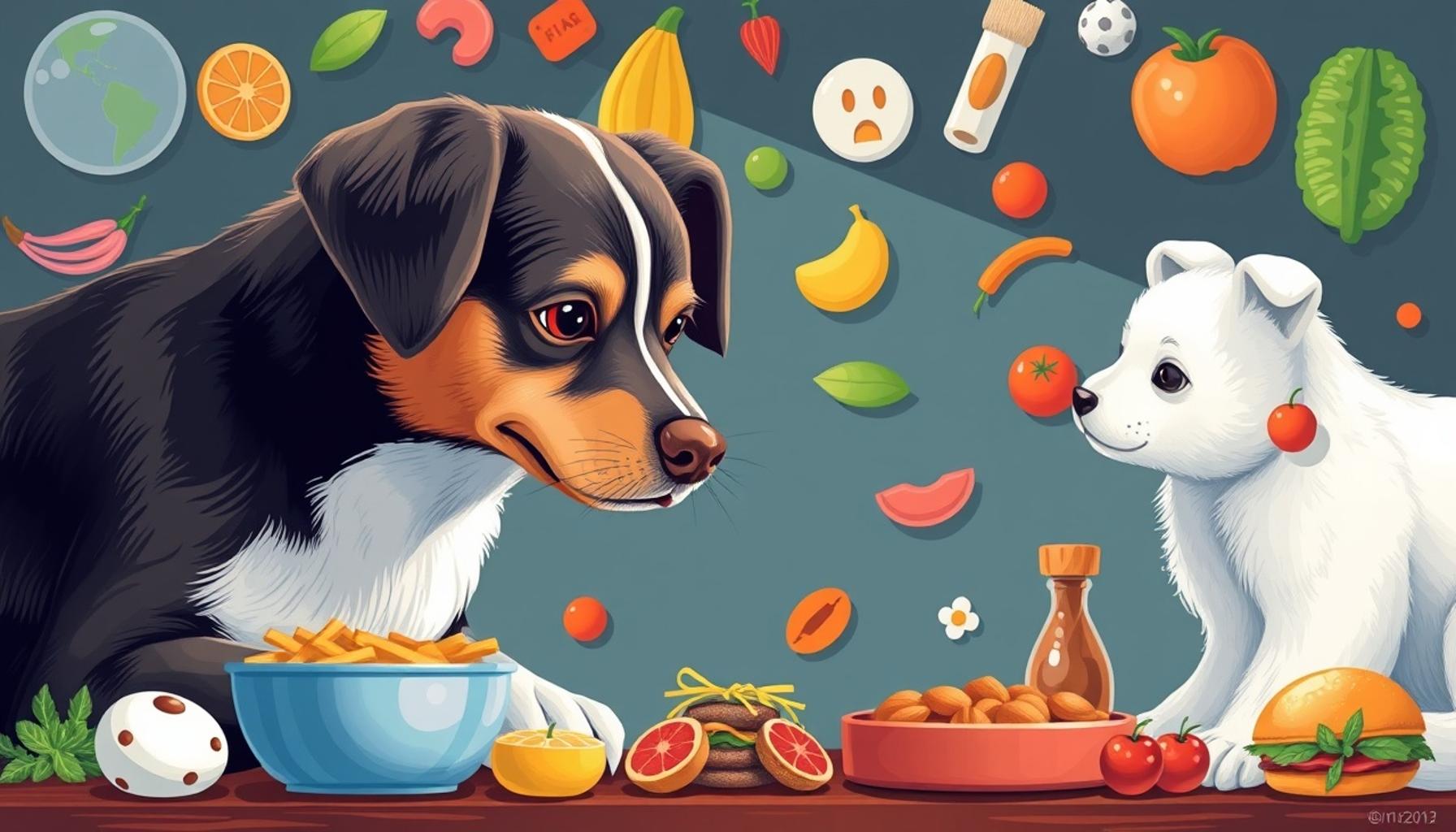
Deciphering the Building Blocks of Pet Nutrition
Pets are not just our companions; they are family members whose health deeply impacts our lives. To ensure that our furry friends lead vibrant and active lives, understanding the intricacies of their dietary needs is paramount. While most pet owners might assume that any commercial pet food is sufficient, the truth is far more complex. A balanced diet is essential, combining several vital components that support every aspect of a pet’s well-being.
Essential Nutrients for Pets
To better appreciate the importance of nutrition, let’s delve into the primary building blocks of a balanced diet:
- Proteins: These are the building blocks of a pet’s body, crucial for growth, tissue repair, and energy supply. High-quality protein sources, such as chicken, fish, and beef, contribute to greater muscle mass and overall vitality. Insufficient protein can lead to lethargy, weakened immune responses, and stunted growth in younger animals.
- Carbohydrates: An often-overlooked aspect of pet nutrition, carbohydrates serve as a primary energy source. Ingredients like grains, potatoes, and peas provide essential calories for daily activities. However, choosing easily digestible carbs is critical; some pets may do better with grain-free options, tailored to their specific dietary needs.
- Fats: Beneficial fats are necessary for a healthy coat and skin, and they also play a role in hormone production and cellular function. Omega-3 and Omega-6 fatty acids, found in fish oil or flaxseed oil, can enhance skin health and reduce inflammation, ensuring your pet feels their best inside and out.
- Vitamins and Minerals: These micronutrients are paramount for numerous metabolic functions. Vitamins A, D, E, and K, along with important minerals like calcium and phosphorus, contribute to immune health, bone development, and energy metabolism. Supplementation may be necessary in some cases, particularly for pets with specific health concerns or those on restricted diets.
The Growing Pet Food Industry
The pet food industry has burgeoned into a multi-billion-dollar market in the United States, reflecting an increasing commitment from pet owners to ensure the health and longevity of their companions. Despite this surge, many still find the nutritional labels of commercial pet foods perplexing. Understanding components like ingredient quality, the significance of whole foods versus by-products, and how to assess caloric content is essential for making discerning choices that protect pets from health complications.
Tailoring Diets to Individual Needs
As pet parents, it is vital to consider that every animal has unique requirements based on their breed, age, activity level, and health conditions. A growing puppy will have different nutritional needs compared to a senior dog, just as an active cat may need a different formulation than one that is more sedentary. Consulting with a veterinarian can provide specific and personalized dietary advice, aiding in the selection of the most appropriate food that aligns with your pet’s health status.
Ultimately, as you embark on the journey to nutrition awareness for your pet, remember that a well-rounded diet not only fosters physical health but also enriches their emotional and mental well-being. With diligence and education, you can make informed choices that contribute to a happy, healthy life for your beloved companion.
DISCOVER MORE: Click here to learn about your cat’s instincts
Understanding the Components of a Balanced Pet Diet
As we embark on the journey to better pet nutrition, it’s essential to grasp the details behind what constitutes a balanced diet for our furry companions. Just like humans, pets thrive on a variety of nutrients that work harmoniously to ensure their overall well-being. A well-rounded diet supports not only physical health but also a pet’s emotional and mental state, fostering a happier and more vibrant life.
Breaking Down Nutritional Needs
Every pet requires a diverse array of nutrients to function optimally. Here are the main categories of nutrients that should be highlighted when considering a pet’s dietary needs:
- Proteins: A fundamental nutrient, proteins play a vital role in building and repairing tissues. Essential amino acids, found in high-quality animal proteins, promote healthy muscle development and bolster the immune system. Additionally, without sufficient protein, pets may experience fatigue, hair loss, and increased susceptibility to illness.
- Carbohydrates: Often misinterpreted as unnecessary fillers in pet food, carbohydrates are crucial for providing energy, particularly for active animals. They help maintain a healthy digestive system when derived from sources like sweet potatoes, peas, and whole grains. However, pet owners should be cautious about the quality of carbs, as not all are created equal.
- Fats: Healthy fats are indispensable for a pet’s diet, supporting brain development and maintaining a lustrous coat. Omega-3 and Omega-6 fatty acids are essential for reducing inflammation and promoting overall skin health. Pet foods enriched with sources like fish oil and flaxseed can provide significant benefits.
- Vitamins and Minerals: These micronutrients are vital for proper metabolic processes. Vitamins A, D, E, and several B vitamins are crucial for maintaining vision, bone health, and energy production. Additionally, minerals like zinc, calcium, and iron support immune function and sustain metabolic balance. A deficiency in these essential nutrients can lead to serious health issues, making appropriate supplementation critical in some instances.
Commercial Diets: More Than Meets the Eye
The explosion of options in the pet food industry offers consumers a wide variety of choices. Pet owners are inundated with brightly labeled products promising superior nutrition. Yet, as tempting as it may be to opt for the latest trend or flashy packaging, understanding the quality of ingredients is paramount. Many commercial pet foods contain unnecessary fillers and by-products that can detract from your pet’s health.
When selecting food, scrutinizing the ingredient list can provide insight into the quality of the diet you’re offering. Look for whole ingredients like real meat, vegetables, and whole grains, and avoid those that list vague terms such as “meat meal” or “animal by-products.” This conscious effort can lead to better health outcomes and longevity for your pet.
In conclusion, the foundation of ensuring a pet’s health begins with their diet. Paying closer attention to the specifics of pet nutrition—proteins, carbohydrates, fats, vitamins, and minerals—can transform your pet’s life. As a devoted pet parent, taking the time to understand these essential nutrients is not just beneficial, but necessary in nurturing a long, healthy, and happy life for our animal companions.
The Importance of Balanced Nutrition for Pet Health
Providing balanced nutrition for your pets is essential not only for their physical health but also for their mental wellbeing. A well-rounded diet consisting of appropriate proportions of proteins, fats, carbohydrates, vitamins, and minerals supports their daily activities and overall quality of life. Without a balanced diet, pets can suffer from a variety of health issues, including obesity, diabetes, and digestive problems.
Research indicates that a diet rich in natural ingredients promotes optimal health, enhances the immune system, and contributes to a shiny coat. For instance, dogs and cats that receive the right nutrients experience better energy levels, are more playful, and have improved cognitive functions. Moreover, specific nutrients, like omega-3 fatty acids, are known to benefit joint health and reduce inflammation.
Many pet owners are now turning to holistic approaches to their pets’ diets, incorporating fresh, whole foods that closely mimic what their pets would eat in the wild. This trend not only improves their pets’ nutrition but also minimizes the risk of chronic conditions related to artificial additives and low-quality fillers often found in commercial pet food.
| Advantage | Impact on Health |
|---|---|
| Improved Digestive Health | A balanced diet promotes better digestion and nutrient absorption, leading to enhanced health. |
| Weight Management | Proper nutrition helps prevent obesity, reducing the risk of diabetes and joint issues. |
It is crucial to consult with a veterinarian to determine the specific dietary needs of your pet based on their age, breed, and health status. Incorporating professional advice can further enhance the nutritional balance of your pet’s diet. With the right guidance and commitment, pet owners can ensure their furry companions lead happy and healthy lives.
DISCOVER MORE: Click here to learn how to enrich your cat’s environment
The Role of Nutrition in Preventing Health Issues
Investing in a balanced diet can significantly reduce the risk of various health issues in pets. Chronic diseases such as obesity, diabetes, and dental disease are increasingly common among domesticated animals, largely due to poor dietary choices and sedentary lifestyles. By providing the right nutritional components, pet owners can play a critical role in enhancing their pets’ quality of life and longevity.
Obesity: A Growing Concern
One of the most pressing issues plaguing pets today is obesity. According to the Association for Pet Obesity Prevention, over 50% of dogs and cats in the United States are classified as overweight or obese. This condition can lead to severe complications, including heart disease, joint problems, and decreased life expectancy. A balanced diet that focuses on appropriate portion sizes, quality ingredients, and nutrient-dense food options can help manage a pet’s weight effectively.
It is vital to read feeding guidelines from pet food manufacturers while also considering individual needs based on breed, age, and activity level. Regular consultation with a veterinarian can provide tailored dietary plans to keep weight in check and avoid the pitfalls of overfeeding.
Understanding the Importance of Hydration
Another critical, yet often overlooked, aspect of pet nutrition is hydration. Many pets, especially those on dry kibble diets, can become dehydrated over time. Dehydration can lead to urinary tract infections, kidney problems, and hindered metabolic functions. Pet owners should ensure that clean, fresh water is readily available and consider incorporating wet food into their pet’s diet, which can contribute to increased moisture intake.
In some cases, particularly among cats, feeding a diet that includes a significant percentage of moisture can be particularly beneficial for preventing urinary issues. Hydration plays a fundamental role in overall pet health, and prioritizing it can lead to a host of positive outcomes.
The Role of Specific Nutrition in Life Stages
Pets have different nutritional needs at various stages of their lives. Puppies and kittens require nutrient-dense formulas rich in calories, proteins, and fats to support their rapid growth and development. On the other end of the spectrum, senior pets may benefit from diets that reduce caloric intake while enhancing joint health through targeted ingredients like glucosamine and omega fatty acids.
Recognizing these differences and adjusting a pet’s diet accordingly can lead to healthier, more active lifestyles and potentially prevent age-related conditions. Consult with animal nutritionists or veterinarians to tailor diets that suit the specific life stage of your pet, ensuring that they receive the essential nutrients they need to thrive.
Impact of Ingredients on Behavior and Mood
It is fascinating to note that nutrition may even influence a pet’s behavior and mood. Research suggests that certain ingredients can have a sizeable impact on a pet’s mental state. For example, diets high in quality proteins and healthy fats can contribute to improved mood and cognitive function.
Supplementation with omega-3 fatty acids, commonly found in fish oil, has been shown to enhance learning capabilities and reduce anxiety in dogs and cats alike. Therefore, investing in a nutritionally balanced diet can potentially lead to positive behavioral changes, fostering a more harmonious household for both pets and their owners.
EXPLORE MORE: Click here to discover holistic pet nutrition tips
Conclusion: Embracing Balanced Nutrition for Optimal Pet Health
In conclusion, the significance of balanced nutrition for pet health cannot be overstated. It affects not only the physical well-being of our furry companions but also their emotional stability and behavioral patterns. A carefully curated diet tailored to each pet’s specific life stage, breed, and health status can prevent a myriad of chronic conditions, from obesity to dental disease, ensuring a longer, happier life.
Pet owners are encouraged to prioritize proper portion control, hydration, and ingredient quality when selecting their pets’ meals. By taking proactive steps, such as consulting with veterinarians and understanding feeding guidelines, pet owners can foster an environment conducive to longevity and vitality. The undeniable correlation between nutrition and mood regulation further highlights how what we feed our pets can significantly affect their overall quality of life.
As we continue to learn more about the unique dietary needs of our pets, the role of nutritionally balanced diets will only grow in importance. Embracing responsible feeding practices is not just an act of love; it is a commitment to safeguarding their health and happiness. By making informed dietary choices, pet owners can unlock the full potential of their beloved companions, paving the way for vibrant, engaging lives filled with joy and companionship.