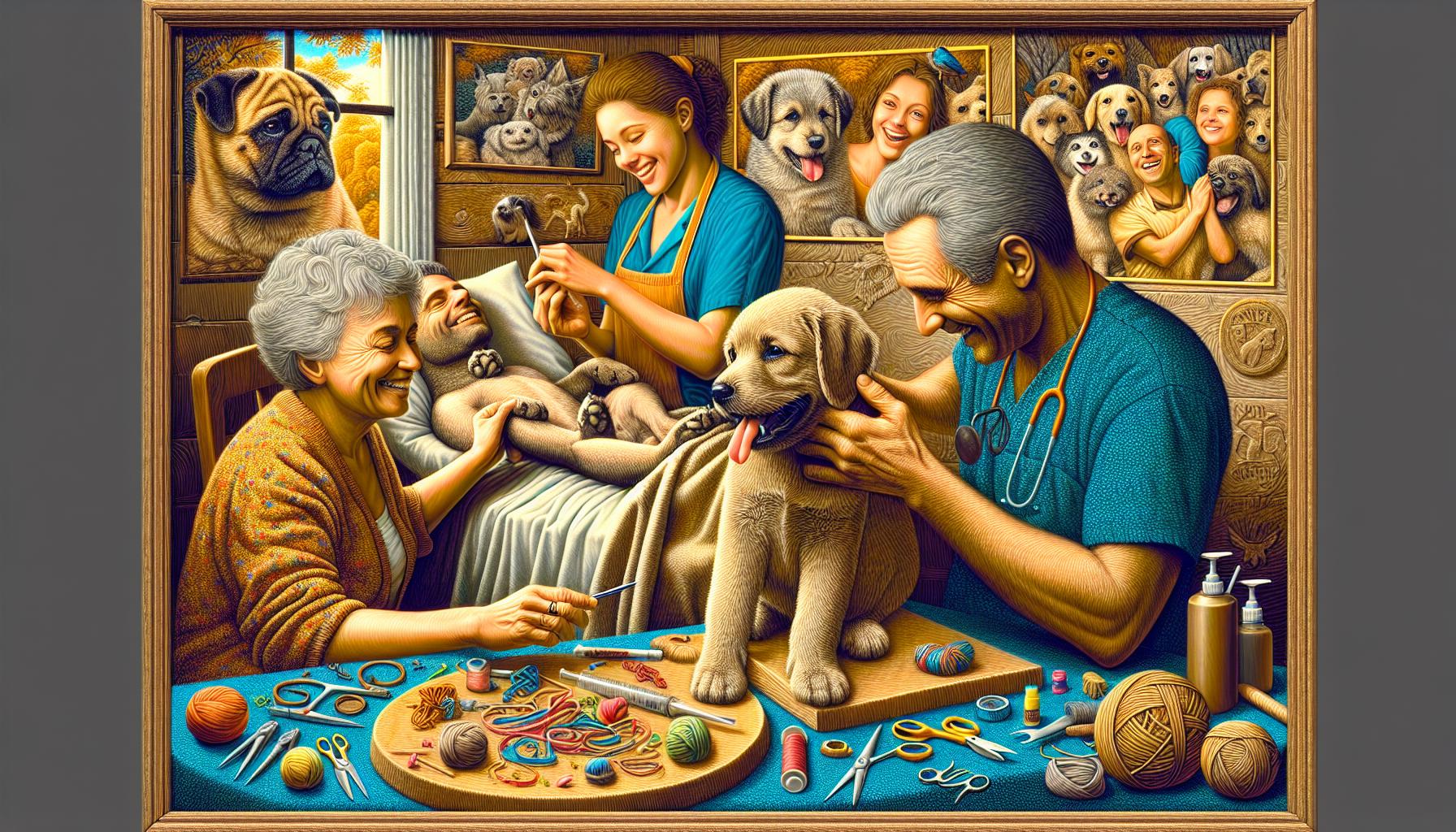
The Impact of Pet Companionship on Heart Health and Longevity

The Impact of Pets on Cardiovascular Health
Pets are often viewed as simple companions, but their influence on human health, especially heart health, is profound and often underestimated. Numerous studies indicate that the presence and interaction with pets can lead to significant health benefits that contribute to overall cardiovascular well-being. Understanding these effects can shed light on how our furry friends may play a crucial role in our lives.
Reduced Stress Levels
One of the most notable benefits of pet ownership is the reduction of stress levels. Research has shown that simply petting a dog or cat can lower cortisol levels—the hormone primarily responsible for stress. This biological reaction can translate to lower heart rates and improved emotional stability. For example, a study by the American Heart Association revealed that pet owners experienced lower levels of anxiety and displayed fewer symptoms of depression compared to those without pets. The comforting presence of an animal can act as a buffer against life’s daily stressors, fostering a sense of calm.
Increased Physical Activity
Pets, especially dogs, play an important role in promoting physical activity, a critical component of heart health. Dog owners often engage in regular walking, playing, and exercising with their pets, which contributes to a more active lifestyle. For instance, a research study highlighted that dog owners walked an average of 30 minutes more per week than non-owners. This increase in physical activity not only helps in managing weight but also decreases the risk of cardiovascular diseases.
Lower Blood Pressure
Another significant benefit of pet ownership is the potential for lower blood pressure. Pet owners frequently exhibit lower blood pressure readings compared to non-owners, which is essential for preventing heart-related issues. The simple act of cuddling with a pet releases oxytocin, a hormone that promotes bonding and lowers blood pressure. Studies conducted among seniors with pets showed consistent reductions in both systolic and diastolic blood pressure, showcasing the healing effects of companionship.
Enhancing Emotional Well-being
The emotional link between individuals and their pets can significantly enhance overall happiness, further promoting heart health. Pets provide companionship, which can lead to reduced feelings of isolation and depression. This companionship is particularly valuable for elderly individuals living alone, as pets can give them a sense of purpose and belonging, alleviating loneliness. Ample evidence now suggests that pet ownership can lead to improved emotional stability, offering support in times of distress.
Structured Routine and Longevity
Moreover, the daily demands of caring for a pet can inspire a structured routine that promotes health and well-being. Establishing a schedule for feeding, walking, and playing with pets can encourage owners to maintain regular habits that positively impact their health. This structure may play a vital role in promoting longevity, with research suggesting that pet owners often enjoy a longer life expectancy than non-owners. The added responsibilities can inspire individuals to stay engaged and active, significantly improving their quality of life.
As we examine the intricate bond between humans and their pets, it becomes increasingly evident that this relationship is far more than mere companionship. It is a pathway to healthier living and, potentially, a longer life. Understanding the connection between pets and heart health may encourage individuals to embrace the companionship of animals, not just for emotional fulfillment but for the substantial health benefits they provide.
DISCOVER MORE: Click here to explore how pets boost your physical wellness
The Heartwarming Benefits of Pet Companionship
Delving deeper into the influence of our beloved pets, it becomes clear that their companionship extends beyond mere joy; they actively contribute to enhancing our heart health and overall longevity. These furry friends, particularly dogs and cats, play essential roles in mitigating several risk factors associated with cardiovascular diseases. The following factors illustrate how pet ownership can usher in a heart-healthy lifestyle.
Lower Cholesterol Levels
Pet companionship may also correlate with lower cholesterol levels. A study conducted by the American Heart Association found that individuals who owned pets had lower levels of triglycerides (a type of fat found in the blood) and cholesterol compared to non-pet owners. This finding suggests that the presence of a pet might lead to healthier lifestyle choices, such as increased physical activity and lower stress, both of which significantly influence cholesterol levels. Proper management of cholesterol is vital in reducing the risk of heart diseases.
Social Connectivity and Heart Health
Another fascinating angle is the impact of pet ownership on social connectivity, which is linked to heart health. Pets can serve as social catalysts, enhancing our relationships and interactions with others. Dog owners, in particular, often meet fellow dog lovers during walks or visits to dog parks, fostering a sense of community. Increased socialization has been shown to improve mental health and emotional resilience, leading to healthier hearts. A notable study from the University of California highlights that children with pets showed better social interaction skills and were more empathetic than those without.
The Joy of Laughter: A Natural Heart Booster
Engaging with pets often leads to laughter and joy, both of which have proven benefits on heart health. Laughter reduces the stress hormones in the body while stimulating circulation and improving the function of blood vessels. The spontaneous and playful nature of pets, especially when they perform silly antics, can easily bring a smile to one’s face, resulting in a natural boost to heart health. In fact, a survey from the Humane Society indicates that pet owners report experiencing more daily moments of joy compared to non-pet owners.
Potential for Better Sleep Quality
Quality sleep is a cornerstone of good heart health, and pet companionship can improve sleep patterns. Studies show that approximately 56% of pet owners feel more secure and relaxed while sleeping next to their pet. This sense of security can lead to improved sleep quality, which is crucial for managing blood pressure and minimizing stress. Moreover, having a pet can provide comfort during times of anxiety, making bedtime a more peaceful experience.
Conclusion: Integrating Pets for Heart Health
As we explore the diverse aspects of pet ownership, it’s apparent that integrating these loving companions into our lives can foster a heart-healthy environment. From reducing stress and cholesterol levels to enhancing social connectivity and sleep quality, the benefits of pet companionship are not just anecdotal. These factors contribute powerfully to a healthier heart and potentially longer life, encouraging further exploration into the valuable bond shared between humans and animals.
The companionship of pets, particularly dogs and cats, has a profound impact on heart health and overall longevity. Numerous studies have highlighted how owning a pet can significantly reduce stress levels, which is crucial since chronic stress is a known risk factor for heart disease. The simple act of petting a dog or cat can trigger the release of oxytocin, often referred to as the “love hormone,” which helps in reducing blood pressure and promoting a sense of well-being.
Moreover, pets provide encouragement for physical activity through regular walks and playtime, further benefiting cardiovascular health. Engaging in these activities not only helps control weight but also enhances cardiovascular fitness. A study published in the journal *Circulation* indicated that dog owners are 54% more likely to meet their exercise requirements, showcasing the intrinsic connection between pet ownership and an active lifestyle.
Social interaction is another important aspect of pet companionship. Pets help create connections with other people, whether through dog parks, pet events, or even simple neighborhood encounters. This community involvement has been shown to decrease feelings of loneliness and isolation, which can adversely affect heart health. Research indicates that social engagement can lead to a prolonged lifespan, further supporting the notion that having a furry friend isn’t just about companionship—it’s also about optimal health benefits.
Additionally, pets have been associated with lower triglyceride and cholesterol levels, contributing to reduced cardiac risks. When coupled with the emotional and psychological support they provide, the health benefits tied to pet companionship are undeniable, warranting a closer examination of how these incredible creatures can enhance our lives in multi-faceted ways.
| Health Benefits | Impact of Pet Companionship |
|---|---|
| Lower Stress Levels | Reduces the risk of heart disease by promoting relaxation. |
| Increased Physical Activity | Regular walks and play contribute to better cardiovascular fitness. |
| Enhanced Social Interaction | Strengthens community ties and reduces feelings of isolation. |
As this evidence mounts, the case for integrating pets into our lives as companions goes beyond mere affection; it extends to vital health benefits that can improve both heart health and longevity. Understanding the holistic impact of pet companionship opens new avenues for promoting healthy living, making it imperative to explore ways to incorporate these loyal friends into daily routines.
DISCOVER MORE: Click here to learn how pets boost your health
Fostering Resilience Through Pet Companionship
As we delve further into the benefits of pet companionship, we uncover additional layers of how these animals contribute to our heart health and longevity. The emotional and psychological support offered by pets plays a significant role in fostering resilience and reducing the prevalence of heart-related ailments.
The Stress-Reducing Qualities of Pets
One of the most significant benefits of pet ownership is its stress-reducing qualities. The simple act of petting a dog or cat can lower cortisol levels, the hormone responsible for stress. A study published in the Journal of Psychosomatic Research found that petting animals resulted in a marked decrease in anxiety, leading to lower blood pressure and heart rate. The rhythmic motion of petting is soothing, often drawing attention away from daily stressors, allowing owners to unwind. Improved stress management not only enhances mental well-being but also directly influences cardiovascular health.
The Power of Unconditional Love
Emotional support from pets is another crucial element in promoting heart health. Pets provide unconditional love and companionship, helping to alleviate feelings of loneliness and depression. Research conducted by the Mayo Clinic indicates that pet owners tend to have lower rates of depression, which can contribute to a healthier heart. Such companionship is particularly beneficial for aging adults who might be more susceptible to isolation. The love and loyalty shown by pets can serve as a powerful deterrent against loneliness, making individuals feel more connected and valued.
Physical Activity and Healthy Lifestyles
The bond between pets and their owners encourages a more active lifestyle, which is inherently beneficial for heart health. Regular physical activity is known to be effective in reducing the risk of heart disease. Dog owners, for instance, are often more active due to the necessity of walking their pets. A survey from the Centers for Disease Control and Prevention revealed that dog owners walk an average of 300 minutes per week. Increased activity levels not only improve cardiovascular fitness but also aid in maintaining a healthy weight, which is vital in preventing heart-related issues.
The Therapeutic Impact of Pets
In recent years, the concept of animal-assisted therapy has gained traction in promoting heart health. Therapy animals are used to support individuals recovering from medical conditions, including heart-related illnesses. Institutions like the American Heart Association advocate for the inclusion of therapy animals in recovery programs because they are shown to improve mood, reduce anxiety, and provide motivation for physical rehabilitation. The genuine connection facilitated by therapy animals can enhance emotional wellness and recovery speed.
The Role of Pets in Encouraging Mindfulness
Pets have an innate ability to drive us towards mindfulness, encouraging us to live in the moment. The practice of mindfulness has been linked to improved cardiovascular health outcomes. Studies suggest that individuals who engage in mindfulness practices experience lower blood pressure and better stress management. Spending time with pets naturally draws individuals into the present moment, whether it’s playing fetch with a dog or cuddling with a cat. This engagement facilitates a heightened sense of awareness and tranquility, which is key in promoting heart health.
As we analyze the comprehensive impacts of pet companionship on heart health, it becomes evident that these loyal companions provide multifaceted benefits that contribute to improved cardiovascular wellness and prolonged life. By not only enhancing emotional support and physical activity but also reducing stress and fostering mindfulness, pets truly become partners in our journey towards a healthier, longer life.
Dive Deeper: Click here to discover how pets enhance our physical wellness
Conclusion: Embracing Pets for a Heart-Healthy Future
The compelling evidence surrounding the impact of pet companionship on heart health and longevity is undeniable. From reducing stress and fostering emotional support to encouraging physical activity and mindfulness, pets have proven to be invaluable allies in promoting cardiovascular wellness. As we reflect on the profound relationship between humans and their furry companions, it becomes clear that the love and loyalty provided by pets contribute significantly to our overall well-being.
Beyond companionship, the integral role pets play in enhancing our quality of life underscores the importance of integrating them into our daily routines. For instance, the simple act of walking a dog not only fosters physical activity but also opens doors to social interactions that are crucial in combating feelings of isolation and loneliness. Moreover, the therapeutic benefits of animal-assisted programs highlight how pets can serve as a catalyst for recovery and emotional healing.
As we look forward, further exploration into this therapeutic partnership could yield essential insights for public health strategies aimed at improving heart health across various demographics. For individuals, adopting a pet may not just fill a void but could be a transformative step towards a healthier lifestyle. Whether you are a seasoned pet owner or considering welcoming an animal into your life, it is essential to recognize the holistic advantages that arise from this bond. In conclusion, cultivating a relationship with a pet may very well be a heart-centered approach towards a longer, healthier life.