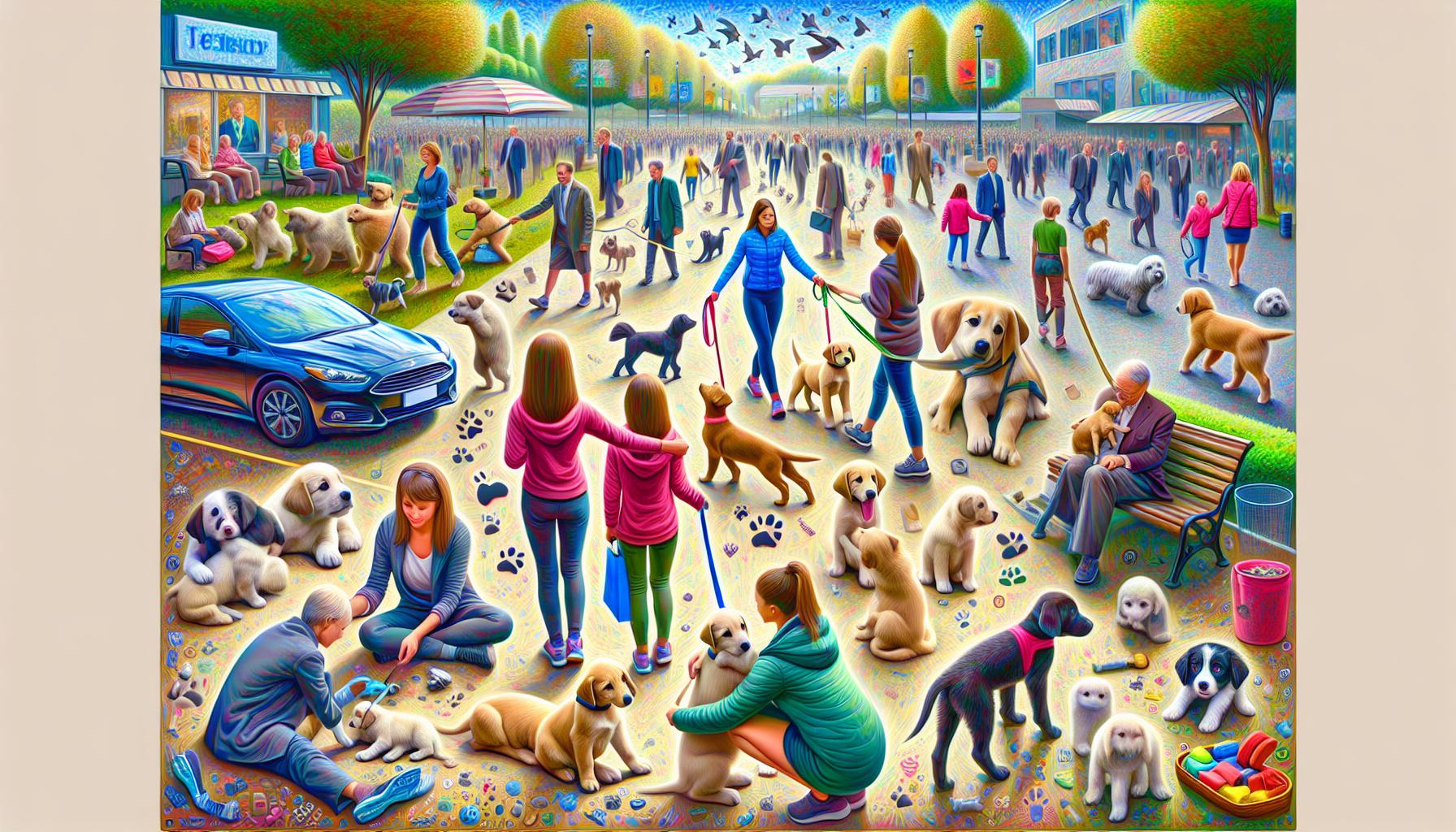
Socialization Techniques for Dogs: How to Prepare Your Best Friend to Interact with Others

The Importance of Socialization for Dogs
Every dog deserves a chance to thrive in social settings. Proper socialization techniques can make the difference between a friendly pup and one that is overly shy or aggressive. By exposing your canine companion to various environments and experiences, you pave the way for a well-adjusted pet. Understanding the principles behind dog socialization can help you and your furry friend navigate the world more successfully.
Benefits of Socialization
- Reduced Anxiety: Dogs that are socialized early tend to be calmer in new situations. For instance, a dog that has been exposed to different sounds, environments, and people is less likely to become fearful during trips to the vet or when encountering loud noises, like fireworks.
- Improved Behavior: A well-socialized dog is often more obedient and responsive to training. This is crucial for maintaining control during walks or playtime, allowing for a more enjoyable experience for both the owner and the pet.
- Enhanced Confidence: Interactions with people and other animals build a dog’s self-esteem. A confident dog is better equipped to handle unfamiliar situations, such as meeting new friends at the dog park or participating in events like dog shows.
Many pet owners may wonder how to start this crucial process. Socialization isn’t a one-time event; rather, it is an ongoing mission that can begin as early as puppyhood. Starting early can set the foundation for a well-rounded adult dog. Here’s how you can introduce your four-legged friend to the world responsibly.
Key Socialization Techniques
There are several effective strategies to ensure your dog develops healthy social skills. These techniques include:
- Controlled Exposures: Gradually introduce your dog to various stimuli, including people of different ages, sizes, and ethnic backgrounds, other pets, and diverse environments such as parks, busy streets, or quiet cafes. This involves watching for signs of stress and allowing your dog to explore at their own pace.
- Group Classes: Enrolling in training classes can provide structured socialization opportunities. Classes led by experienced trainers can teach your dog essential commands while encouraging positive interactions with other dogs. This setting mimics real-life encounters, boosting your dog’s comfort level.
- Regular Outings: Frequent visits to parks or pet-friendly spaces help your dog learn how to interact openly. Engaging with other pets and their owners during these outings teaches your dog important social cues and behaviors.
By utilizing these socialization techniques, you can help your dog feel secure and happy in any situation. Engaging your dog in diverse activities will not only strengthen your bond but also prepare them for the interactions that lie ahead.
Ultimately, investing time and effort into socializing your dog can pay off significantly, paving the way for a more harmonious life together. A well-socialized dog is not just a joy to have, but also a well-adjusted member of society, enriching the lives of those who meet them along the way.
DIVE DEEPER: Click here to discover how pets enhance our wellness
Implementing Effective Socialization Techniques
As you embark on the journey of socializing your dog, it’s essential to have a well-thought-out plan that emphasizes gradual exposure and positive reinforcement. This transition will not only help your dog develop impeccable manners but also foster an enjoyable relationship between you and your furry companion. Below are some effective socialization techniques to consider:
Understanding Canine Body Language
Before diving into socialization practices, it is crucial to understand your dog’s body language. Dogs communicate largely through their posture, facial expressions, and tail movements. Recognizing signs of stress—like cowering, growling, or a tucked tail—can help you gauge how your dog is feeling during interactions. Conversely, signs of comfort, such as a relaxed stance or wagging tail, indicate that your dog is engaged and ready to explore further. Establishing this understanding can prevent negative experiences, making the entire process smoother.
Gradual Exposure to New Experiences
One of the cornerstones of effective socialization is gradual exposure. For instance, introducing your dog to a busy park should be done progressively. Start with quieter moments during the day, allowing them to observe other dogs and people from a safe distance. As they grow more comfortable, you can bring them closer to the action. This technique helps them learn to cope with various stimuli without feeling overwhelmed.
Playdates with Social Dogs
Another fantastic way to socializing your pup is through organized playdates with well-mannered dogs. This helps teach your dog proper social skills and provides an opportunity for positive reinforcement as they engage with others. When setting up these encounters, ensure that the other dog is friendly, healthy, and vaccinated. This not only promotes safe interactions but also gives your dog a great chance to develop good relationships with others.
Positive Reinforcement
Using positive reinforcement during socialization is particularly effective. Whenever your dog behaves well in a new situation—be it meeting a stranger, encountering a fellow dog, or exploring a new park—reward them with treats, praise, or playtime. This method creates a positive association with social situations, encouraging them to repeat those behaviors in the future.
- Start Early: The earlier you begin socializing your dog, the better. Puppies are generally more adaptable, making them eager learners.
- Frequent Socialization: Regularly expose your dog to diverse environments, sounds, and experiences to maintain their comfort level.
- Resist Overwhelming: Avoid overwhelming your dog, as too much exposure too quickly can lead to anxiety. Slow and steady is the key to successful socialization.
Implementing these techniques will not only enhance your dog’s social skills but will also play a pivotal role in promoting overall mental well-being. By nurturing these essential skills, you’re preparing your best friend to interact confidently and positively with others, ensuring a harmonious relationship with their surroundings.
In the world of canine companionship, socialization techniques are paramount for fostering healthy interactions between dogs and their environments. One effective method is the use of positive reinforcement. This approach involves rewarding your dog with treats, affection, or praise when they exhibit appropriate social behaviors. By reinforcing good actions, you help your dog associate positive outcomes with their interactions, making them more eager to engage with others.
Another strategy is exposing your dog to various settings and individuals. Start with quiet environments, such as a friend’s yard or a park during off-peak hours. Gradually introduce them to busier locations, ensuring that each experience is positive. Remember, patience is crucial—rushing through socialization can lead to anxiety and behavioral issues.
Incorporating group classes or playdates is also beneficial. These settings allow your dog to interact with other dogs and humans under supervised conditions, facilitating a controlled social experience. As they learn to navigate these interactions, your dog builds confidence and learns important cues about canine behavior.
Finally, understanding your dog’s body language is vital. Recognizing signs of stress or discomfort can prevent negative interactions and allow you to intervene appropriately. Every dog is unique, and respecting their individual needs during the socialization process will lead to successful outcomes.
| Category | Details |
|---|---|
| Positive Reinforcement | Using treats and praise to encourage good behavior during interactions. |
| Gradual Exposure | Introducing your dog to different environments and social situations incrementally. |
| Supervised Play | Facilitating interactions within controlled settings to monitor behavior. |
| Understanding Body Language | Recognizing signs of stress or discomfort to ensure positive socialization. |
Each of these techniques plays a critical role in shaping a well-adjusted dog who is comfortable and confident in social situations. Owners equipped with these tools will find their dogs thriving in interaction, whether with fellow pups or people.
Dive deeper: Click here to discover how pets enhance your physical wellness
Expanding Your Dog’s Social Horizons
Once you have initiated the foundational techniques for socialization, it’s time to take your dog’s interaction skills a step further. Broadening their experience requires creative approaches that cater to various environments, people, and social situations. Below are additional strategies designed to elevate your dog’s social skills:
Engaging with Diverse Settings
One of the most effective ways to encourage socialization is exposing your dog to a variety of environments. Take them to dog-friendly venues such as pet stores, cafes with outdoor seating, or community events. Each of these locations presents unique stimuli, from new sights and sounds to the scent of unfamiliar food. By allowing your dog to engage with diverse settings, you help them grow accustomed to unpredictable environments, which can be beneficial for their adaptability.
Utilizing Group Training Classes
Consider enrolling your dog in a group training class. These settings not only teach your dog basic commands but also provide a controlled environment for socialization. Interacting with other dogs and their owners under the guidance of a professional trainer helps reinforce good behavior. Many facilities offer classes that focus on specific skills while incorporating socialization tasks, like working alongside other dogs, which can significantly improve your dog’s social competence.
Field Trips and Adventures
Regularly taking your dog on field trips can be a fun and rewarding approach to socialization. Whether it’s a hike at a dog-friendly park, a visit to a beach, or simply a stroll through your neighborhood, these adventures help your dog experience new people and other animals. Keep in mind to have a few training treats on hand and guide your dog through different scenarios, rewarding calm behavior. Over time, your dog will begin to associate trips away from home with positive experiences.
Creating a Safe Social Circle
Fostering friendships with other pet owners can create a routine of safe and enjoyable interactions for your dog. A safe social circle should ideally consist of other dogs that share similar energy levels and temperaments. Organizing dog outings, whether it’s for picnics, hiking, or simply playdates in the backyard, can provide consistent and positive experiences for dogs to bond over while learning to navigate social dynamics.
- Observe Group Dynamics: Pay attention to how your dog interacts in group settings. Identify which dogs they are most comfortable around and cultivate those relationships.
- Periodic Adjustments: Every dog is unique, and their comfort levels may fluctuate. Be prepared to adjust your socialization approach based on their responses.
- Encourage Exploration: Allow your dog to explore new environments and experiences at their own pace, reinforcing positive behavior with praise or treats.
By incorporating these strategies into your socialization efforts, you’re setting the stage for your dog to become an adaptable, well-mannered companion. With patience and consistency, your furry friend will not only learn how to interact with others, but also build confidence that will enhance their overall quality of life.
DISCOVER MORE: Click here to learn how pets enhance your physical wellness
Conclusion: The Lifelong Journey of Socialization
In conclusion, socialization techniques for dogs play a pivotal role in ensuring that your canine companion can engage positively with their environment and the people around them. By implementing the strategies discussed—such as exposing your dog to diverse settings, enrolling in group training classes, and organizing regular social activities—you are not merely training your dog but also enriching their life experiences. Each outing, each interaction, and each new scent they encounter contributes to their adaptability and emotional well-being.
Moreover, socialization is a continuous journey. Dogs, like humans, evolve, and their preferences may change over time. It is essential to remain attentive to their comfort levels, making necessary adjustments to their social experiences as they grow. Establishing a secure social circle of compatible playmates can also provide reassuring interactions that further enhance their confidence.
As you invest time and effort into socializing your dog, remember that patience is key. Celebrate small victories along the way, and be consistent with your training to build a trusting relationship. With a well-socialized dog by your side, you are not only creating a more enjoyable life for your pet but cultivating a harmonious bond that transcends communication barriers. This lifelong commitment to their social development will lead to happier days for both of you.
By understanding and applying these socialization techniques, you set your furry friend up for a fulfilling life filled with adventure, friendship, and joy. Don’t hesitate to continue exploring new methods and ideas, as each step you take is a step towards a more socially adept and confident best friend.