
Preventive Care: Vaccines and Regular Check-ups to Keep Your Pet Healthy
The Importance of Preventive Care for Pets
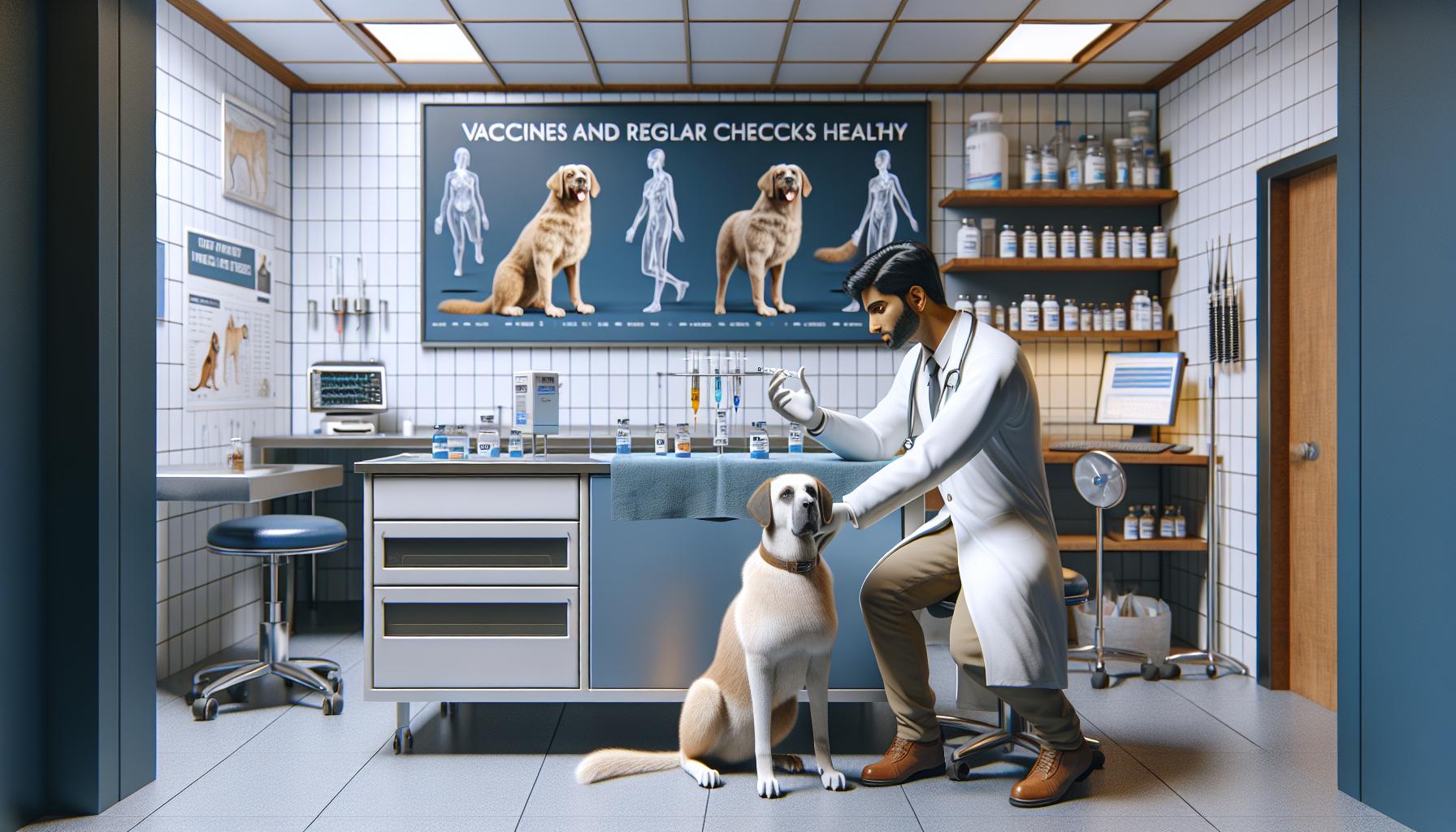
Ensuring a healthy life for your furry companions goes beyond love and care; it hinges on preventive care. Regular check-ups and timely vaccinations can be the difference between a healthy pet and one plagued by illness. Preventive care is essential as it allows pet owners to safeguard their pets against a variety of serious health concerns before they become dire. Basic veterinary services can save not only lives but also significant emotional and financial stress in the long run.
- Vaccines protect against serious diseases: Core vaccines play an indispensable role in preventing serious ailments such as rabies, distemper, and parvovirus. For example, rabies is invariably fatal once symptoms appear, but regular vaccination ensures that your pet remains protected throughout its life. Vaccination schedules may vary depending on the pet’s age and exposure risks; thus, understanding and adhering to these schedules is crucial.
- Regular check-ups identify issues early: Routine veterinary visits can help in detecting health problems before they escalate. Regular examinations can uncover dental diseases, obesity, and even early-stage cancers. For instance, a small lump that might appear insignificant could be an early sign of a more severe condition. By identifying such issues early, treatment can commence promptly, which often leads to better outcomes and extended lifespans for pets.
- Improving overall well-being: Preventive care does not solely focus on combating illness; it also promotes better behavior and emotional stability. Regular visits to the veterinary clinic help pets become accustomed to handling and examinations, reducing anxiety when they require further medical attention. This consistent health management fosters a stronger bond between you and your pet as you navigate their health journey together.
According to the American Veterinary Medical Association (AVMA), over 60% of pets are considered overweight or obese. This alarming statistic underscores the growing need for comprehensive pet wellness programs that incorporate preventive care. Regular health evaluations not only identify potential health hazards but also facilitate weight management strategies that involve diet adjustments and exercise recommendations. Incorporating preventive care fosters informed decisions that can significantly enhance your pet’s quality of life, sparking curiosity in pet owners about optimal health practices.
For those eager to delve deeper into how preventive care can positively impact your pet’s health, understanding the essential vaccines and check-up schedules specific to pets in the United States is vital. By staying informed and proactive, pet owners can ensure a bright future for their companions, making each moment spent together healthier and happier.
DISCOVER MORE: Click here to learn how pets boost your physical wellness
Vaccination: A Shield Against Disease
One of the cornerstone elements of preventive care is timely vaccinations. In the United States, vaccines are not just recommended but are often required by law for certain diseases. Core vaccines, such as those protecting against rabies, distemper, parvovirus, and adenovirus, create vital immunity for your pets, shielding them from highly contagious and potentially fatal diseases. Understanding the importance of these vaccines can empower pet owners to take decisive steps towards their pets’ health.
Vaccination schedules can be confusing, but with guidance from your veterinarian, you can tailor a plan that meets your pet’s unique needs. Puppies and kittens typically undergo a series of vaccinations starting at a young age, while adult pets may need booster shots to maintain their immunity. For example, rabies vaccination is mandated in most states by the time a pet is 4 months old, while other vaccines might require annual boosters to keep protection levels high. Staying up to date with these schedules not only protects your pet but also contributes to community health by preventing outbreaks.
The Risks of Vaccine Hesitancy
Despite the proven benefits of vaccinations, some pet owners express hesitance towards vaccinating their pets. This can stem from misinformation or concerns about potential side effects. It’s essential to note that the veterinary community continuously evaluates the safety and efficacy of vaccines. The risk of adverse reactions is exceedingly low compared to the potential for serious diseases that can arise from not vaccinating. Engaging in open conversations with your veterinarian can help alleviate fears and empower you to make informed decisions for your pet’s health.
The Vital Role of Regular Check-ups
In addition to vaccinations, regular check-ups play a crucial role in maintaining your pet’s overall health. A visit to the veterinarian at least once a year can help identify potential health issues before they become critical. During these appointments, your veterinarian will perform thorough examinations that typically include:
- Weight assessments: Managing your pet’s weight is crucial in preventing obesity-related diseases, including diabetes and joint problems.
- Dental health evaluations: Dental disease is common in pets, leading to pain and other systemic health problems if left unchecked.
- Behavioral observations: Regular check-ups allow your veterinarian to assess your pet’s behavior, helping to identify anxiety or other issues that could interfere with their well-being.
- Overall physical assessments: A detailed health evaluation can uncover hidden conditions such as heart disease, kidney issues, or even early-stage tumors.
By committing to routine veterinary visits, you not only enhance your pet’s quality of life but also build a foundational trust between your pet and their healthcare provider. This comfort level can be invaluable when unexpected health issues arise, ensuring your pet receives the best possible care when they need it most.
It’s clear that integrating preventive care into your pet’s routine is essential for their health and longevity. Understanding the importance of vaccines and regular check-ups helps pet owners take charge of their companions’ well-being, ultimately leading to happier lives for both pets and their families.
| Advantage | Description |
|---|---|
| Early Detection of Health Issues | Regular check-ups allow veterinarians to identify potential health problems before they develop into serious conditions, ensuring timely intervention. |
| Boosted Immunity through Vaccination | Vaccines prepare your pet’s immune system to defend against dangerous diseases, significantly lowering the risk of infections. |
In addition to these remarkable advantages, preventive care plays a significant role in enhancing the quality of life for pets. Routine visits to the veterinarian not only involve health checks but also offer guidance on nutrition, exercise, and overall well-being. Furthermore, the bond between pets and their owners is strengthened through these proactive measures, as they reassure owners of their pet’s health status.Additionally, staying up-to-date with vaccinations can be crucial if your pet encounters other animals, especially in social environments or boarding facilities. These vaccines can safeguard against fatal diseases like parvovirus, rabies, and distemper. It’s also important to remember that some vaccinations require boosters to maintain their effectiveness, demonstrating the need for consistent veterinary care.Overall, preventive care significantly contributes to a longer, healthier, and happier life for your pet. By prioritizing vaccines and check-ups, pet owners can save on potential future vet bills resulting from serious health issues. Embracing this aspect of pet ownership begins a journey toward sustained health and vigor for your furry companions.
DISCOVER MORE: Click here to learn how pets enhance your health
Nutrition and Lifestyle: Essential Components of Preventive Care
While vaccinations and regular check-ups form the backbone of preventive care, the importance of a balanced diet and an active lifestyle cannot be overstated. Nutrition plays a pivotal role in maintaining your pet’s health, and providing them with high-quality food tailored to their specific needs can significantly enhance their quality of life. Just as people require different diets based on age, activity level, and health conditions, pets also have unique nutritional requirements that should be recognized and catered to.
A proper diet contributes to the prevention of various health issues, including obesity, diabetes, cardiac problems, and even certain types of cancer. For example, a diet rich in antioxidants is known to support the immune system, while omega fatty acids are beneficial for skin and coat health. Consulting with your veterinarian regarding the appropriate diet for your pet can be instrumental in ensuring long-term health. They may also suggest dietary supplements tailored to your pet’s specific conditions.
The Role of Physical Activity
Another critical aspect of preventive care is ensuring your pet engages in regular physical activity. Obesity is a growing concern among pets in the United States, with estimates suggesting that more than 50% of dogs and cats are overweight or obese. This excess weight can lead to a host of health complications, including joint pain, respiratory issues, and reduced lifespan. Establishing a routine that includes daily walks, playtime, and mental stimulation is essential for keeping your pet fit and healthy.
Moreover, interactive toys, agility training, and socialization with other pets can prevent behavioral issues stemming from boredom, such as excessive barking or destructive chewing. Keeping your pet engaged and active could also strengthen your bond, making your time together more enriching and rewarding.
The Importance of Dental Care
Another often-overlooked component of preventive care is dental health. Just as humans prioritize oral hygiene, pets also require dental care to maintain their overall health. Periodontal disease is a common issue in pets, affecting up to 80% of dogs and cats by the age of three. This condition can lead to tooth loss, but more critically, it can have systemic consequences that affect not just the mouth but also the heart, liver, and kidneys.
Incorporating regular tooth brushing, dental treats, and professional cleanings into your pet’s health routine can go a long way in preventing these issues. Discussing dental care options with your veterinarian can help create a customized plan that ensures your pet’s mouth remains healthy, giving them a longer, more comfortable life.
Identifying early signs of health issues is another reason regular veterinary visits are crucial; these appointments can help ensure that concerns related to nutrition, activity, and dental care are discussed. Being proactive rather than reactive will empower pet owners to make informed and timely decisions, ultimately prolonging their pet’s lives.
DISCOVER MORE: Click here to learn how pets enhance our wellness
Conclusion: A Holistic Approach to Your Pet’s Health
In conclusion, preventive care is an essential aspect of ensuring your pet leads a long and healthy life. By prioritizing vaccinations and regular check-ups, pet owners can catch potential health problems before they escalate, safeguarding their furry companions against preventable diseases. Yet, as we’ve explored, this is only the tip of the iceberg. A comprehensive approach to your pet’s health also encompasses tailored nutrition, sufficient physical activity, and diligent dental care.
By consulting with veterinarians, pet owners can devise personalized health plans that cater to the unique needs of their pets. For instance, identifying the right diet can mitigate risks for conditions such as obesity and diabetes, while establishing regular exercise regimens can improve overall fitness and behavioral health. Moreover, integrating dental hygiene into your pet’s routine can prevent serious health issues that extend beyond the mouth, affecting vital organs.
Ultimately, preventive care is about empowerment—arming pet owners with the knowledge and resources to make informed decisions for their beloved companions. Staying proactive rather than reactive not only enhances your pet’s well-being but also enriches the bond you share. As you embark on this journey of preventive care, remember that each small step contributes to a larger commitment to your pet’s health, paving the way for happier, longer lives together.