The Importance of Socialization in Puppies: How Positive Interactions Shape Adult Behavior
Understanding the Critical Role of Puppy Socialization
The journey from a playful puppy to a well-adjusted adult dog is significantly influenced by early socialization experiences. Positive interactions during the sensitive developmental period not only shape behavior but also play a critical role in forming the puppy’s personality. This essential phase occurs between approximately 3 to 14 weeks of age, making it a prime opportunity for learning and exploration.
One might wonder, why is this period so influential in a dog’s life? Here are some key reasons:
- Behavioral Foundation: During this stage, puppies learn crucial social norms from their interactions with other dogs and people. This exposure teaches them acceptable behaviors, such as playing gently, the concept of personal space, and how to respond appropriately to various social cues.
- Confidence Building: Puppies who are socialized in a variety of environments are more likely to develop a strong sense of self-confidence. For instance, a puppy that encounters different landscapes, such as parks, beaches, and busy city streets, learns to navigate and feel at ease in diverse situations.
- Reducing Fear: Early exposure to various sights, sounds, and experiences can significantly diminish the likelihood of fear-based behaviors in adulthood. For example, a puppy that hears the sound of a vacuum cleaner during its formative weeks is less likely to develop a fear of it later.
When raised in an enriching environment, puppies benefit immensely from experiencing a wide array of stimuli which helps them to develop positively. These experiences may include:
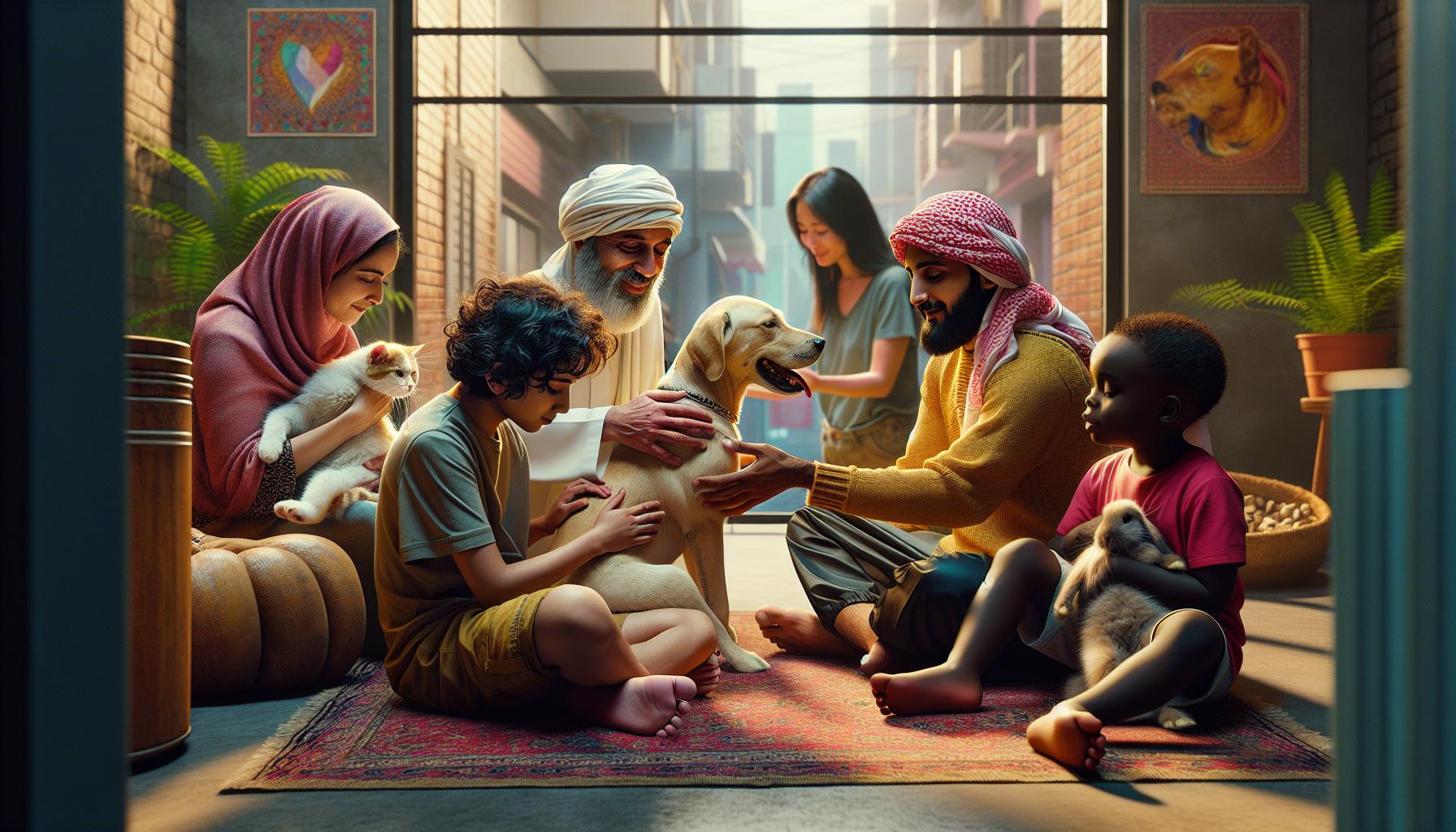
- Interactions with different people, including men, women, and children, which can help a puppy become more tolerant and friendly towards all members of the family and community.
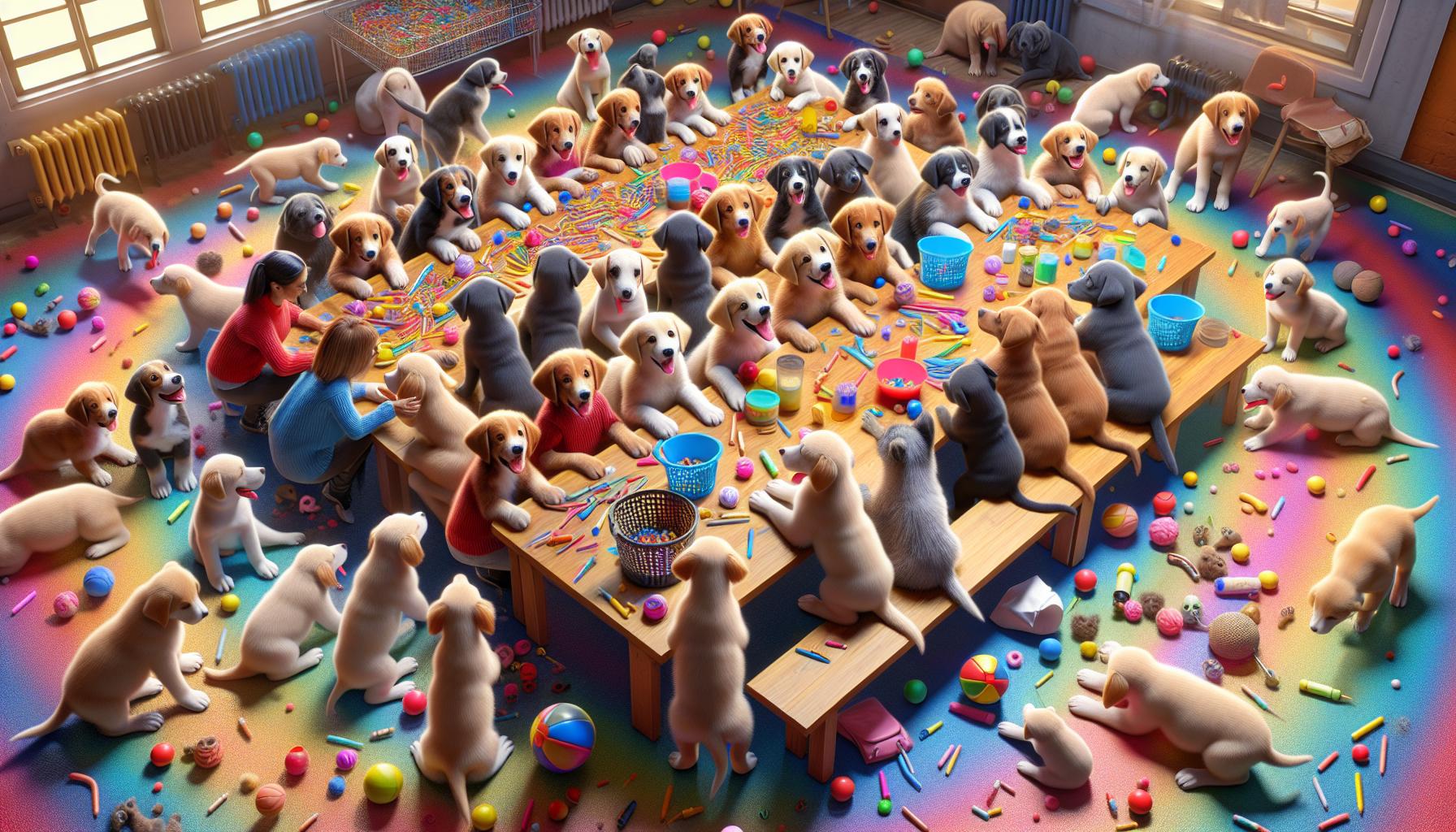
- Socialization with other dogs of various breeds and sizes, promoting understanding and acceptance of canine diversity, which is essential for their social development.
- Exposure to unusual sounds and objects, such as bicycles whizzing by or the clattering of pots in the kitchen, helping to ensure that they grow up to be adaptable and resilient.
These varied exposures foster the development of a well-rounded dog less likely to exhibit anxiety or aggression. Ensuring that your puppy has many positive socialization experiences can lead to a happier, healthier relationship as they transition into adulthood. Furthermore, the long-term benefits of socialization can be profound; well-adjusted dogs often display improved behavior, making them more enjoyable companions and less likely to develop behavioral issues in their later years.
In summary, the importance of early socialization cannot be overstated. By investing time and effort into exposing puppies to a rich tapestry of sights, sounds, and social interactions during their critical formative weeks, pet owners can play a vital role in shaping not only their dog’s personalities but also their overall well-being. In doing so, they pave the way towards cultivating a loyal and confident companion, ready to face the world alongside them.
DISCOVER MORE: Click here to learn how pets can boost your wellness
The Lasting Impact of Positive Interactions
Puppy socialization goes beyond mere playdates; it lays the groundwork for lifelong behavioral patterns that can significantly influence the dynamics within a household. Early exposure to various environments and social settings equips puppies with the skills necessary to comfortably navigate the adult world. Positive interactions during this crucial period are essential for preventing common behavioral issues that can arise in dogs who lack social experience.
One of the primary benefits of socialization is the development of appropriate canine communication skills. Puppies need to learn how to express themselves and interpret the signals of others. Interacting with a diverse array of dogs helps them understand body language and vocal cues better. For instance, a puppy that engages with both boisterous and timid dogs learns to adjust its own play style, eventually mastering the art of social play that is interactive but safe. In contrast, a dog that misses this opportunity may grow up to be either overly dominant or excessively shy, leading to potential conflicts or anxiety in social settings.
To exemplify the types of interactions that are beneficial, consider the following experiences that should be prioritized during puppy socialization:
- Exposure to Diverse Environments: Regular visits to dog parks, pet-friendly stores, and even outdoor markets can familiarize puppies with different surfaces, odors, and situations. This exposure fosters adaptability and resilience in unfamiliar scenarios.
- Playtime with Various Breeds: Arranging playdates with dogs of different breeds and sizes encourages dogs to engage positively with others, reducing prejudices and fears they may develop as adults.
- Interactions with People: It’s key for puppies to meet and interact with a broad spectrum of people, including children, seniors, and individuals wearing hats or carrying umbrellas. Such encounters help to create a well-rounded dog that does not fear diverse human encounters.
- Encounters with Different Sounds: Introducing puppies to everyday household sounds—like the ringing of a doorbell, the clatter of dishes, or the noise from a television—prepares them for life in a bustling home environment.
The cornerstone of these interactions is the presence of a positive reinforcement approach. By rewarding puppies with treats, praise, or playtime after successful social situations, owners can encourage desirable behaviors and help them form positive associations with new experiences. This method of learning not only enhances their confidence but also diminishes the likelihood of forming unwanted behavioral traits that include fear or aggression.
In conclusion, the cultivation of a well-socialized puppy involves more than just keeping them entertained; it is about laying the groundwork for a smooth transition into adulthood. By prioritizing diverse social interactions, owners can significantly influence their puppy’s development, facilitating a harmonious relationship that stands the test of time. The puppy’s early experiences will shape not only how they interact with others but also their adaptability in the various challenges life may present as they grow older.
| Socialization Advantages | Positive Interactions Impact |
|---|---|
| Enhanced Confidence | Puppies that experience various environments and stimuli are more likely to develop strong confidence in their abilities. |
| Reduced Fearfulness | Early exposure through socialization leads to dogs that are less fearful of new situations, reducing anxiety-related behaviors. |
| Improved Social Skills | Puppies who interact with other dogs learn essential communication cues, making them more approachable adults. |
| Better Adaptation | Socialized puppies adapt more easily to different lifestyles, from busy urban areas to quieter rural settings. |
As the discourse surrounding dog behavior evolves, the importance of socialization is becoming increasingly acknowledged by pet owners and trainers alike. A well-socialized puppy can significantly reduce instances of behavioral issues in adulthood, such as aggression and excessive barking. Studies suggest that dogs who have frequent, positive interactions with diverse groups of people and animals are more likely to develop a balanced temperament, alleviating common problems associated with isolation or lack of experience. Furthermore, by engaging in activities like visitations to parks, groups, and puppy training classes, owners cultivate a sense of adventure in their puppies. This context allows for the building of a comprehensive skill set that prepares dogs for a lifetime of companionship and adaptable behavior. It’s essential to note that the first few months of a puppy’s life are critical for lasting impressions, and utilizing this window effectively can set the foundation for a well-adjusted adult dog.
DIVE DEEPER: Click here to discover how pets enhance our active lifestyles
Building Confidence and Reducing Fear
Another profound benefit of puppy socialization is the opportunity it provides for confidence building. Puppies that are regularly introduced to new experiences may develop a stronger sense of self-assurance, which directly correlates to their behavior as adults. For instance, puppies that have explored various environments, from busy city streets to quiet rural areas, acquire the ability to engage naturally with the world around them. This invites curiosity rather than fear, leading to a more adaptable and well-rounded dog.
Research conducted by pet behaviorists indicates that puppies who experience positive interactions with surroundings display lower levels of anxiety and stress as they reach adulthood. For example, a survey conducted by the Pet Professional Guild revealed that 70% of dogs who were well-socialized in their early stages exhibited less reactive behaviors towards loud noises and unfamiliar situations than those who were not. This indicates a crucial correlation: the more good experiences a puppy has, the more likely they will handle life’s surprises with poise.
Socialization also plays a significant role in preventing behavior problems. For dog owners, one of the most frustrating aspects can be dealing with behavioral issues that could have been avoided through early social exposure. Fear-related behaviors, such as aggression or excessive barking, often stem from a lack of social interaction. For instance, a puppy that grows anxious during encounters with new people or animals may develop a tendency to mournfully bark or even snap when faced with such situations later in life. Regular social outings can diminish these tendencies, nurturing a place where comfort and calm prevail.
Additionally, understanding the critical windows for socialization is essential for puppy owners. Experts suggest that the most impactful period for puppy socialization occurs between approximately 3 to 14 weeks of age. During this time, a puppy’s brain is particularly receptive to learning, making interactions during this phase uniquely valuable. This is referred to as the “critical period” for socialization. Encouraging the right exposure during this window can pave the way for a dog that is not only well-adjusted but also eager to engage positively with the world throughout its life.
To maximize the benefits of socialization, incorporate structured activities that both challenge and excite your puppy. Here are some suggestions:
- Obedience Training Classes: Enrolling in puppy classes not only teaches essential commands but also provides opportunities for play and interaction with other puppies under the guidance of experienced trainers.
- Group Walks: Organized dog walks with other pet owners encourage socialization in a calm, structured environment while reinforcing good leash manners.
- Participating in Puppy Events: Engaging in local events or meetups focused on puppy play fosters a sense of community, allowing your dog to socialize with various dogs and humans.
- Visit Dog-Friendly Cafés: Canine-friendly establishments can provide social experiences in a less chaotic environment, where owners can control the level of stimulation their puppy experiences.
As dogs navigate various scenarios and develop social confidence, they also learn vital life skills that can mitigate struggles in their adult years. Fostering appropriate social interactions, therefore, is not merely an exercise in play; it represents a fundamental building block that shapes a dog’s character and behavior.
DISCOVER MORE: Click here to learn how pets boost your physical wellness
Conclusion
In summary, the journey of a puppy toward becoming a well-adjusted adult dog hinges significantly on socialization. The experiences and interactions puppies encounter during their formative weeks are critical, laying a foundation that not only influences their immediate behavior but also shapes their long-term reactions to the world. By participating in diverse environments, engaging with various people and animals, and experiencing new situations, puppies can develop essential skills such as confidence and adaptability.
Pet owners play a pivotal role in this process, providing opportunities for structured interactions that encourage positive growth. Enrolling puppies in training classes, participating in community events, or simply exploring dog-friendly venues fosters an atmosphere where they can thrive. As studies reveal, well-socialized dogs exhibit fewer behavioral issues and demonstrate greater emotional resilience in unfamiliar situations than their less-socialized peers.
Moreover, recognizing the critical socialization window between 3 to 14 weeks enables owners to optimize these valuable experiences. This period is not just about play; it significantly impacts how dogs will respond to challenges and opportunities in their later lives. By investing in socialization today, dog owners are not only nurturing their puppies but also ensuring that they will grow into well-rounded, confident companions.
As a lifelong commitment, the process of socializing a puppy acts as a profound catalyst in developing a dog capable of navigating the complexities of life with ease. Therefore, the importance of positive interactions during this critical stage cannot be overstated; it is the cornerstone of a harmonious relationship between dogs and the vibrant world they inhabit.