
Natural Foods vs. Commercial Feed: What is the Best Option for Your Animal?
Understanding Animal Nutrition Choices
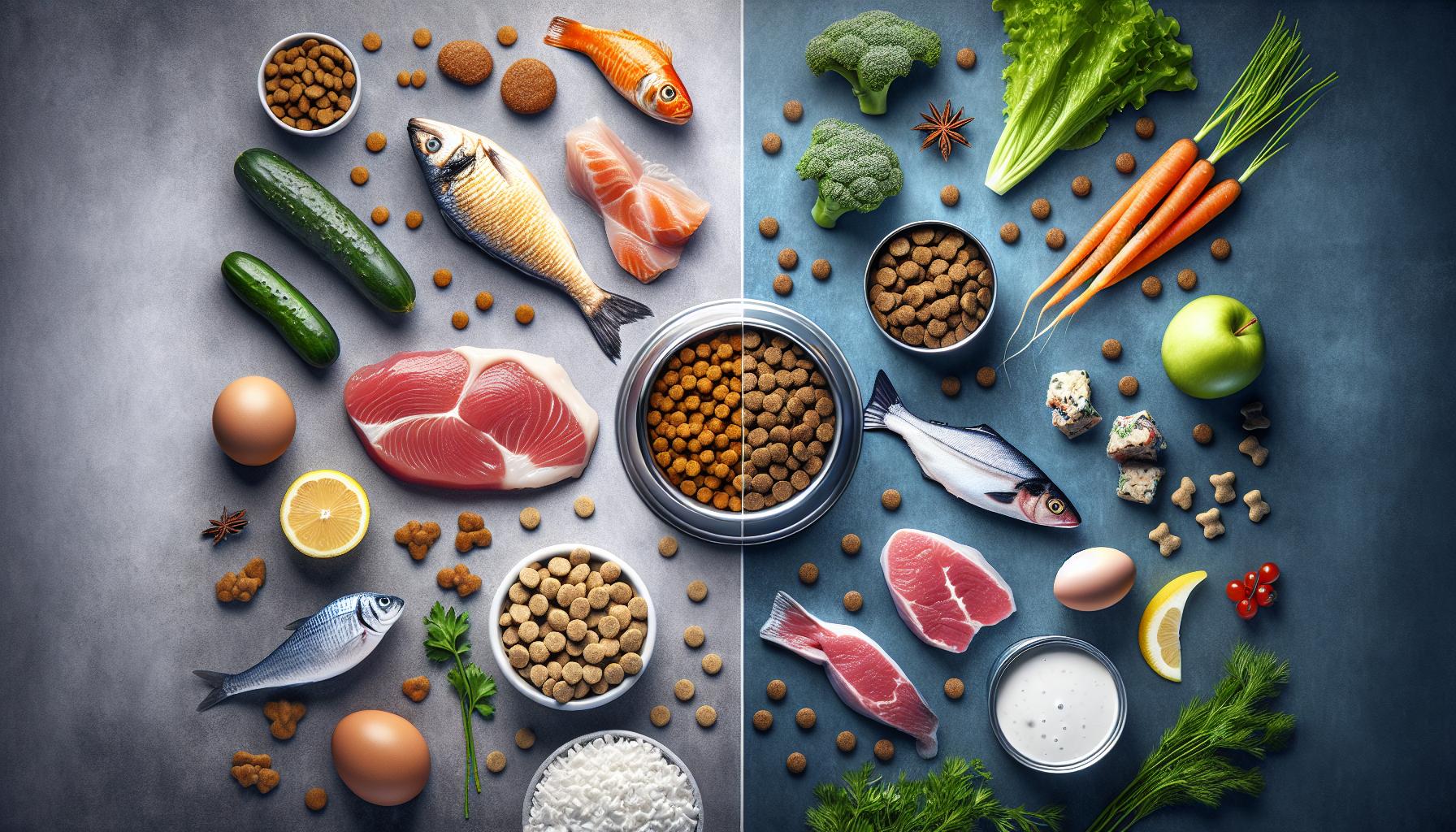
The debate between natural foods and commercial feed for animals continues to capture the attention of veterinarians, animal husbandry professionals, and pet owners alike. With a growing awareness of the implications that nutrition has on health and environmental sustainability, choosing the right diet for your animals has become a multifaceted consideration. As options abound, making an informed decision may seem daunting, yet it is essential for optimal animal health.
One significant aspect to consider is nutritional value. Natural foods, such as whole grains, fresh vegetables, and fruits, are generally less processed and may contain fewer additives and preservatives. For example, feeding chickens grains and kitchen scraps can lead to richer yolks and healthier birds, compared to feeding them solely on commercial pellets. In contrast, commercial feeds often include formulated blends that claim to meet nutritional needs but may also contain artificial flavors, colors, and other additives that are not always beneficial. Understanding the specific nutritional profiles and how these nutrients contribute to overall well-being is crucial.
Cost is another important factor in this discussion. While commercial feeds often provide a convenient solution—especially in large quantities—the cost can add up over time. Some high-quality brands may even exceed the price point of buying fresh, whole foods in bulk. On the flip side, opting for natural diets may require more preparation time and effort. For instance, if you own goats, creating a balanced diet with forage, grains, and minerals might take more time to assemble than simply pouring out a prepackaged goat feed. Ultimately, balancing budget and time investment is key.
The health impact of feeding practices cannot be overstated. A diet rich in natural ingredients can improve not just longevity but also the quality of life for animals. Studies have shown that pets fed natural diets often exhibit fewer health issues, such as obesity and allergies, compared to those on commercial feeds. For instance, dogs that consume fresh, whole food diets may display enhanced energy levels and better coat condition, emphasizing the importance of ingredient sourcing.
It’s essential to understand that both feeding methods have their advantages and disadvantages. Natural foods cater to those who prioritize holistic health but may require additional effort, while commercial feeds offer convenience with varying degrees of quality. Engaging in discussions with veterinarians or animal nutritionists and researching specific dietary needs for your animals can aid in making an informed choice.
As you weigh these factors, consider what aligns best with your animal’s needs, your lifestyle, and your values. The right choice can lead to a happier and healthier life for your companion animals.
DISCOVER MORE: Click here to learn how pets enhance our well-being
Evaluating Nutritional Profiles
When it comes to the choices you make for your animal’s diet, nutritional profiles play a significant role in guiding your decision. Natural foods often boast higher levels of essential nutrients, vitamins, and minerals when compared to many commercial feeds. For example, fruits and vegetables-rich diets can provide animals with beneficial phytonutrients that might be absent in standard feed formulations. This is particularly relevant for pets like dogs and cats; natural ingredients can contribute to improved digestion and nutrient absorption.
However, it’s vital to recognize that not all commercial feeds are created equal. The market is filled with various brands that range widely in quality and composition, with some offering premium options that utilize high-quality ingredients sourced from reputable suppliers. As you evaluate your options, here are several inquiries to consider:
- What are the main ingredients? Check for whole foods, such as real meat, vegetables, and grains, rather than vague terms like “meat by-products” or “animal fat.”
- Are there any artificial additives? Some commercial feeds may contain preservatives, flavors, and colors that can detract from your animal’s health.
- How does the diet affect specific needs? Different animals have varying nutritional requirements; understanding whether a natural or commercial option better meets these needs is pivotal.
- Can you find reviews or scientific studies? Evidence from pet owners and nutrition experts can offer insights into how different types of diets influence health outcomes.
The differences in ingredient quality can subsequently influence overall health. For instance, research indicates that pets fed diets rich in whole foods often exhibit fewer gastrointestinal issues, allergies, or skin problems compared to those consuming highly processed diets. Furthermore, pets on natural food regimens tend to show higher energy levels and enhanced mental acuity, which is particularly relevant for active breeds.
Addressing Convenience and Time Management
While the nutritional benefits of natural foods can be compelling, potential pet owners must also consider the factors of convenience and time management. Preparing a home-cooked meal for your pet can be time-consuming, requiring careful planning to ensure a balanced diet. This is where commercial feed shines: its easy accessibility makes it a simple solution for many busy households.
Commercial feeds are particularly popular among livestock owners looking to provide balanced nutrition without the hassle of sourcing and preparing individual ingredients. Many feed manufacturing practices aim to create blends that deliver the right nutrients tailored to the life stages of animals—from growth to maintenance to performance. However, the reliance on these products means owners need to ensure they are choosing the highest quality options available to protect their animals’ health.
In summary, understanding the distinct differences between natural foods and commercial feeds is vital to making an informed choice for your animal’s diet. By carefully assessing nutritional content, considering the scope of convenience, and evaluating the time commitment required, you can find the best feeding strategy that aligns with both your animal’s needs and your lifestyle.
| Advantages of Natural Foods | Advantages of Commercial Feed |
|---|---|
| Higher Nutritional Value: Natural foods are often richer in vitamins and minerals, which can significantly enhance the overall health of your animals. | Convenience and Consistency: Commercial feed offers a reliable source of nutrition, ensuring your animals receive a balanced diet without extensive preparation. |
| Improved Digestibility: Many animals benefit from the natural enzymes found in whole foods, leading to better assimilation of nutrients. | Formulated for Specific Needs: Many commercial feeds are tailored to the specific life stages and health requirements of various animal species. |
Natural foods like fruits, vegetables, and grains offer a plethora of health benefits. For instance, these foods can boost the immune system and improve coat quality in pets. Additionally, animals consuming natural diets often exhibit higher energy levels and better mental alertness. On the flip side, commercial feed manufacturers conduct extensive research to formulate diets that can prevent health issues like obesity and digestive disorders, while also ensuring a consistent quality.Furthermore, organic options within the commercial feed sector are gaining popularity, providing animal owners with choices that align more closely with the principles of natural feeding. It’s essential to consider all these aspects as part of a holistic approach to feeding your animals. Exploring both natural and commercial options could lead to more informed decisions based on your animal’s health and well-being.
DISCOVER MORE: Click here to learn how pets boost your physical wellness
Health Considerations and Long-term Impacts
Beyond nutritional content and convenience, health considerations play a critical role in deciding between natural foods and commercial feeds for your animals. Investigating the potential long-term impacts of each option is essential for fostering overall well-being. Natural diets are often linked to fewer cases of chronic illnesses. For example, pets consuming diets rich in omega-3 fatty acids from fish and flaxseed may experience reduced inflammation, which can lead to better joint health and lower rates of arthritis as they age. Similarly, livestock fed natural grains and forage may demonstrate improved reproductive performance and vitality compared to those reliant on highly processed feeds.
Furthermore, there is a growing body of evidence suggesting that animals consuming whole foods face fewer health issues, such as obesity and diabetes. In the US, where pet obesity rates have reached alarming levels, opting for a natural diet could contribute to maintaining healthy body weight and energy levels. In essence, the quality of ingredients significantly impacts the animal’s health trajectory over its lifetime.
The Role of Additives and Fillers
When evaluating commercial feeds, understanding the role of additives and fillers is crucial. Many commercial diets contain ingredients such as corn, soy, and wheat, which are often used as inexpensive fillers. While these components can provide energy, they may lack essential nutrients, leaving your pet or livestock without optimal nourishment. In contrast, natural food regimes prioritize whole ingredients—so the focus is on providing complete and balanced nutrition without unnecessary fillers. Reading the ingredient label is essential to navigate through the myriad options available on the market.
Personalization and Special Dietary Needs
Every animal has unique dietary needs based on factors such as age, breed, activity level, and health conditions. For instance, senior pets may require easier-digestible proteins and increased fiber to support their digestive health. Natural foods allow for seamless meal personalization, as ingredients can be tailored to meet these specific dietary requirements. On the other hand, while many commercial feeds claim to cater to all life stages, they may not effectively address the individual needs of every animal. Therefore, pet owners should conduct thorough research or even consult with a veterinarian to ensure that their animal’s diet is suited to their specific health requirements.
Environmental and Ethical Implications
Consumers are increasingly weighing the environmental and ethical implications of their purchasing decisions. Natural food sources, particularly those obtained from sustainable farming practices, often demonstrate a lower carbon footprint and can contribute to better animal welfare. For example, pasture-raised meats and free-range eggs represent a more humane approach compared to conventional factory farming, where animals are often confined in overcrowded environments. Pet owners and livestock managers who align their dietary choices with ethical practices may find peace of mind knowing they are promoting responsible practices, both for their animals and for the planet.
As we dive deeper into the intricacies of natural foods versus commercial feeds, it becomes increasingly clear that these choices extend beyond simple preferences. They encompass a myriad of factors that include health impacts, ingredient quality, personalization needs, and ethical considerations. By analyzing these components thoughtfully, individuals can equip themselves with the knowledge necessary to make informed decisions that are in harmony with their animals’ well-being and their own values.
DISCOVER MORE: Click here to learn how pets can boost your physical wellness
Conclusion: Choosing the Right Diet for Your Animal
In the ongoing debate between natural foods and commercial feed, the decision ultimately hinges on several critical factors that impact both the health of your animal and ethical considerations. As we’ve explored, natural foods often provide superior nutritional value, fostering long-term well-being and reduced incidence of chronic health issues. With their focus on wholesome, unprocessed ingredients, these diets can contribute to better overall vitality, weight management, and tailored nutrition for specific needs.
On the flip side, commercial feeds, while convenient and often formulated for specific life stages, may fall short in offering complete care. Many formulations include fillers and additives that dilute essential nutrients, potentially compromising the health of your pets or livestock. It is crucial for caretakers to become well-informed consumers, analyzing ingredient labels and understanding what they are feeding their animals.
Additionally, the ethical implications of sourcing food cannot be overlooked. Choosing natural food options that promote sustainable farming practices can have positive environmental effects and encourage better welfare standards for animals. The decision is not merely about what’s best for your animal, but also about aligning your choices with personal values regarding health and sustainability.
Ultimately, the journey to finding the best dietary option is unique to each animal and household. By engaging in research, consulting with veterinarians, and considering the evolving landscape of dietary products, pet owners and livestock managers can make informed decisions that balance health, happiness, and ethical responsibility. As you embark on this quest for the right nutrition, remember that what you feed your animals is a reflection of both your commitment to their well-being and your values as a conscientious consumer.