
How to Prepare Your Home to Welcome a Rescued Animal: Practical Tips
Understanding the Transition Process
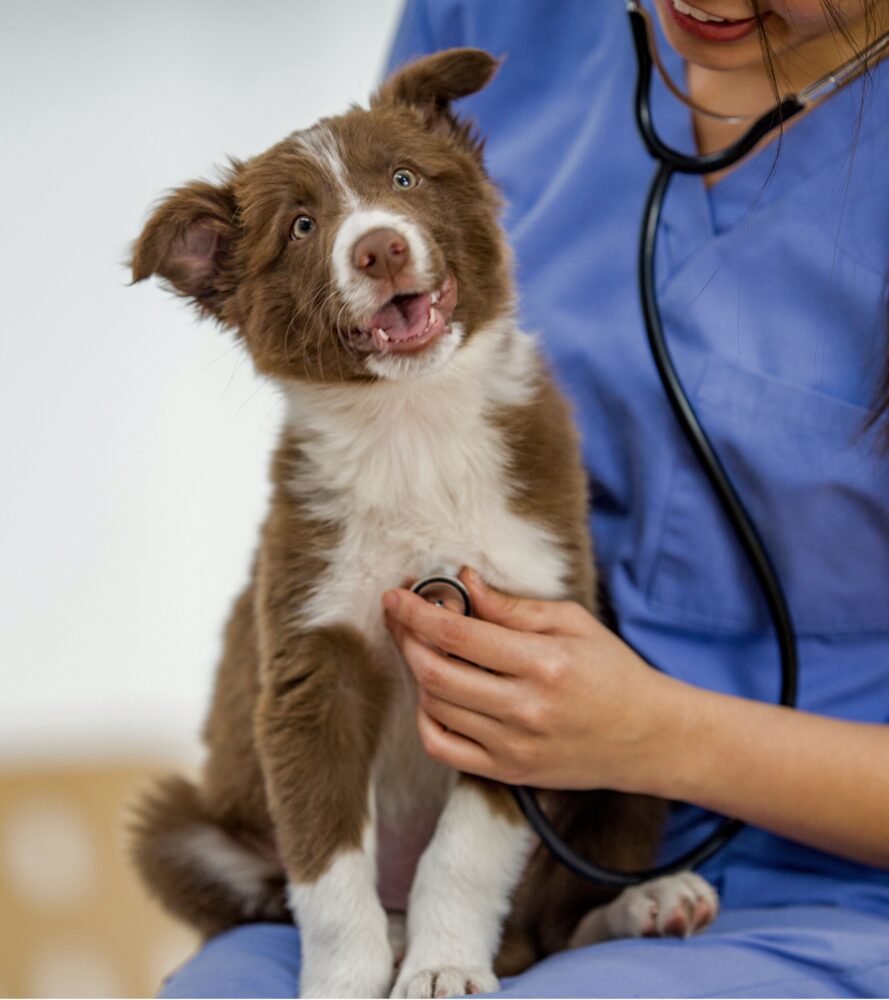
Bringing a rescued animal into your home is not just an act of kindness; it is an invitation to nurture a new life. This process, while immensely gratifying, demands careful planning and consideration. The initial days in their new environment are critical as your new furry friend navigates the challenges of adapting to life beyond the confines of a shelter or their previous home.
Preparing Your Home
To foster a positive relationship with your rescued pet, it is essential to prepare your living space. Start by assessing your space to identify safe areas where your pet can explore without danger. For instance, if you have a compact apartment, it may be wise to create a designated area in a corner of the living room where your pet can feel secure. Consider using baby gates or playpens to restrict access to stairs or precarious spaces.
Next, gather supplies that will make your pet feel welcome and comfortable. Basic supplies include high-quality food that meets their nutritional needs, durable water bowls, engaging toys to stimulate their minds, and a cozy bed that provides a sense of security. For dogs, a leash and harness are essential for walks. Meanwhile, cat owners might consider litter boxes and scratching posts to maintain hygiene and satisfy natural behaviors.
Identifying potential dangers is another crucial step. This means removing hazards that could jeopardize your pet’s safety, such as small objects they might swallow or toxic plants that could cause illness. Look for chewable cords and electrical outlets they could reach and use cord protectors or outlet covers to avoid accidents. Painstaking attention to detail can significantly impact your new pet’s well-being.
The First Few Days
During the initial days, animals can feel anxious or overwhelmed, so establishing a calming environment is vital. Designate a safe zone in your home, such as a quiet room where your new pet can retreat to when feeling stressed. Equip this space with their bed, a few toys, and some familiar scents, like an old blanket or a piece of clothing that carries your scent. This safe haven can act as a sanctuary where they can feel secure and slowly acclimate to their new surroundings.
If you have other pets, monitor interactions closely when introducing them to your rescued animal. Different pets have distinct personalities, and there can be territorial behavior to navigate. Consider gradual introductions, perhaps by allowing them to sniff each other through a doorway before facilitating face-to-face meetings, ensuring a stress-free interaction.
Moreover, a structured routine is beneficial. Establish a routine that encompasses consistent feeding times, daily walks, and regular play sessions. This consistency not only helps your new animal feel more secure but also establishes a rhythm in your household that benefits everyone involved.
In conclusion, preparing your home for a rescued animal is a crucial step toward nurturing a loving relationship. By understanding their needs and creating a tailored environment, you’ll facilitate a smoother transition for both you and your new companion. This endeavor is not merely about sheltering a pet but about cultivating a bond that promises joy and mutual enrichment in the years to come.
DISCOVER MORE: Click here to learn how pets boost your physical wellness
Creating a Safe and Inviting Space
Preparing your home to welcome a rescued animal involves more than just the logistics of bringing them home; it requires crafting an environment that feels safe, inviting, and nurturing. Understanding the needs of your new pet can help you design a supportive atmosphere as they transition into your life.
Assessing Your Living Space
Start with a thorough assessment of your living space. Each room can present unique challenges or safety concerns. For example, if you live in a multi-story house, you may want to designate a specific area on the ground floor where your pet can feel comfortable and safe while they adjust. Utilizing baby gates can be an effective way to control access to stairs or unfamiliar rooms, allowing your new companion to acclimatize at their own pace.
Gathering Essential Supplies
Next, it’s time to gather essential supplies that cater to your new pet’s needs. Here’s a checklist to guide you:
- Quality Food: Research and choose nutritious options that align with your pet’s age and dietary requirements.
- Water Bowls: Invest in sturdy, non-tip bowls that can be easily cleaned.
- Toys: Select a variety of toys that engage them physically and mentally, including chew toys for dogs and interactive puzzles for cats.
- Comfortable Bed: Provide a cozy bed or blanket that gives your new friend a sense of security and a place to retreat to.
- Leash and Collar/Harness: For dogs, a proper leash and collar or harness are necessary for safe walks.
- Litter Box/Scratching Post: Essential for cat owners to keep the house clean and satisfy their natural instincts.
Identifying and Eliminating Risks
Another crucial aspect of preparing your home is identifying and eliminating potential hazards. This means removing any items that could cause harm to your pet. Start by evaluating your space for:
- Toxic Plants: Familiarize yourself with plants that are harmful to pets, such as lilies, azaleas, and poinsettias.
- Small Objects: Remove any small items that could be ingested, such as coins, batteries, and strings.
- Cords and Electrical Outlets: Use cord protectors and outlet covers to safeguard curious paws and noses.
- Cleaning Supplies: Store all cleaning products securely to prevent accidental ingestion.
As you prepare your home, keep in mind that a little foresight can go a long way in ensuring the well-being of your new family member. Your efforts to create a safe and welcoming space not only protect them but also help cultivate a harmonious environment where love and trust can thrive. When adequately set up, your home can become a sanctuary, paving the way for a bright new chapter in the life of your rescued animal.
Creating a Safe Environment for Your Rescued Animal
When you decide to welcome a rescued animal into your home, the first step is ensuring that your living space is safe and comfortable. Animals coming from shelters or difficult situations may be anxious or fearful, making it essential to provide them with a secure environment. Start by removing hazards such as toxic plants, exposed wires, and small objects that could be swallowed. Additionally, secure windows and balconies to prevent unfortunate escapes.
Designating a Refuge Space
Consider designating a specific area in your home as a retreat for your new pet. This could be a quiet room or a cozy corner with a comfortable bed, toys, and fresh water. This space allows your rescued animal to acclimate to their new surroundings at their own pace, reducing stress and anxiety. It is wise to keep this area free from disturbances, allowing them to feel safe.
Fostering Trust and Building Bonds
Trust-building is a crucial aspect of integrating a rescued animal into your family. Begin with gentle interactions; allow them to approach you when they feel ready. Offering treats, praising good behavior, and spending quiet time together can foster a strong bond. It’s important to be patient, understanding that some animals may require more time to feel secure.
Establishing a Routine
Animals thrive on routine. Feeding, walks, and playtime should occur at the same time each day to help your new companion feel settled. A consistent schedule not only enhances their sense of security but also helps in managing behavioral issues stemming from anxiety or uncertainty.
Health and Wellness Considerations
Health checks are paramount when welcoming a rescued animal. Schedule a visit to your veterinarian shortly after adoption to ensure they are healthy and up to date on vaccinations. Discuss with your vet about nutrition and any specific care your new pet might need.In addition to routine health checks, be attentive to your new friend’s emotions. Signs of stress or discomfort can manifest in various ways, including hiding, changes in appetite, or aggressive behavior. Observing these cues will help you provide the support your rescued animal needs.By creating a welcoming and nurturing atmosphere, you set the stage for a fulfilling and enriching life together. The journey of preparing your home is not just about the physical changes but also the emotional readiness to embrace a new member of your family.
Table of Advantages
| Advantage | Description |
|---|---|
| Safe Space Preparation | Creates a secure environment for your pet, reducing anxiety. |
| Routine Establishment | Promotes stability and a sense of normalcy for your new companion. |
By incorporating these practical tips into your approach, you will be well on your way to nurturing a bond with your rescued animal that lasts a lifetime.
DISCOVER MORE: Click here to learn how pets boost your wellness
Establishing Routines and Boundaries
Creating a welcoming environment for a rescued animal not only involves physical space and safety, but also the establishment of routines and boundaries that foster trust and security. Pets, especially those coming from shelter situations, often thrive when they know what to expect from their new surroundings.
Establishing Daily Routines
One of the most important steps in helping your new pet adjust is to establish a daily routine. Animals are creatures of habit, and a predictable schedule can bring a sense of stability to their lives. Consider the following elements of a routine:
- Feeding Times: Feed your pet at the same times each day to create structure. Whether you’re feeding, cleaning litter boxes, or taking them for walks, consistency is key.
- Exercise and Playtime: Schedule regular play sessions and exercise to help alleviate anxiety and prevent behavioral issues. Daily walks for dogs or interactive play for cats are fantastic ways to ensure they release pent-up energy.
- Quiet Time: Designate specific times of day for calm and relaxation. This could be a quiet lap time with you or a cozy corner equipped with a soft bed where they feel secure.
Creating Boundaries
Just as routines are important, establishing boundaries is essential to maintain a harmonious household. This involves setting rules regarding where your pet can go and what behaviors are acceptable. For example, if you wouldn’t like your dog on the furniture, make that clear from the beginning. Utilize positive reinforcement techniques to encourage desired behaviors, and be consistent in applying the same rules.
To further define boundaries, consider how you might use different spaces within your home:
- Designated Areas: Create specific areas for sleeping, eating, and playing. This helps your animal understand their domain and reduces the likelihood of anxiety.
- Crate Training: For dogs, crate training can be an exceptional way to offer them a safe space of their own while ensuring they are comfortable with their surroundings. A cozy crate can serve as their personal sanctuary.
- Supervised Introductions: If you already have pets, introduce your new rescue animal gradually and under supervision to create a peaceful dynamic within the household.
Using Positive Reinforcement
Implementing positive reinforcement techniques can significantly aid in the adjustment period for your newly rescued animal. Praise, treats, and affection when they exhibit good behavior can help them understand expectations and feel more secure in their new environment. For example, if your dog sits calmly during feeding, recognizing and rewarding that behavior encourages them to repeat it.
Training sessions can also be a great bonding experience, providing mental stimulation and reinforcing your authority in a gentle manner. Consider enrolling in local obedience classes or seeking online resources to help you with training strategies tailored to your animal’s breed and temperament.
By thoughtfully establishing routines and boundaries, you can help your new pet feel secure and loved, making their transition into your home a smoother experience. Remember, preparation is not only about making physical adjustments but also about creating a nurturing atmosphere that encourages trust and stability. The journey of integrating a rescued animal into your family can be immensely rewarding, filled with love, companionship, and the joy of giving a second chance to those in need.
DON’T MISS OUT: Click here to discover how pets can enhance your wellness
Conclusion
Welcoming a rescued animal into your home is a fulfilling experience that requires thoughtful preparation and care. By implementing the right strategies, you not only create a safe and comfortable living space, but also foster an environment where your new pet can relax, adapt, and thrive. As discussed, establishing daily routines and boundaries is crucial for your rescued animal’s sense of security. These practices not only help minimize anxiety but also build trust between you and your furry friend, paving the way for a healthy relationship.
Moreover, utilizing positive reinforcement techniques allows you to teach expectations and acceptable behaviors while reinforcing your bond. Remember, the journey of integrating a rescued animal into your life is not just about providing shelter; it’s about transforming their life through love and understanding. Each step, from preparing your home to adjusting routines, plays a pivotal role in nurturing their well-being.
As you embark on this rewarding journey, keep in mind that patience is key. Your new companion will need time to adjust, so be prepared for minor setbacks along the way. For those considering adopting, knowing how to prepare your home is essential for a harmonious transition. For more insights and resources on fostering a successful relationship with your rescued animal, don’t hesitate to explore local animal shelters and online communities dedicated to animal adoption and care. Embrace this journey—it’s a chance to make a lasting difference in the life of an animal in need, while enriching your own life in countless ways.