The Experience of Volunteers in Shelters: Transforming the Lives of Abandoned Animals

Understanding the Transformative Role of Animal Welfare Volunteers
The bond between humans and animals is one of the most profound connections we can experience. In the realm of animal shelters, this connection becomes a lifeline for countless abandoned animals. Every year, millions of animals find their way to shelters, waiting for a second chance at life. In the United States alone, the American Society for the Prevention of Cruelty to Animals (ASPCA) estimates about 3.2 million animals enter shelters annually. The dedication and compassion of volunteers can significantly alter the trajectories of these animals, helping them transition from the shelter environment into loving homes.
Volunteers play a crucial role in this transformative journey, often serving as the bridge between abandoned animals and their future families. Their experiences can also foster personal growth and fulfillment. Here are some key aspects of volunteer experiences in shelters:
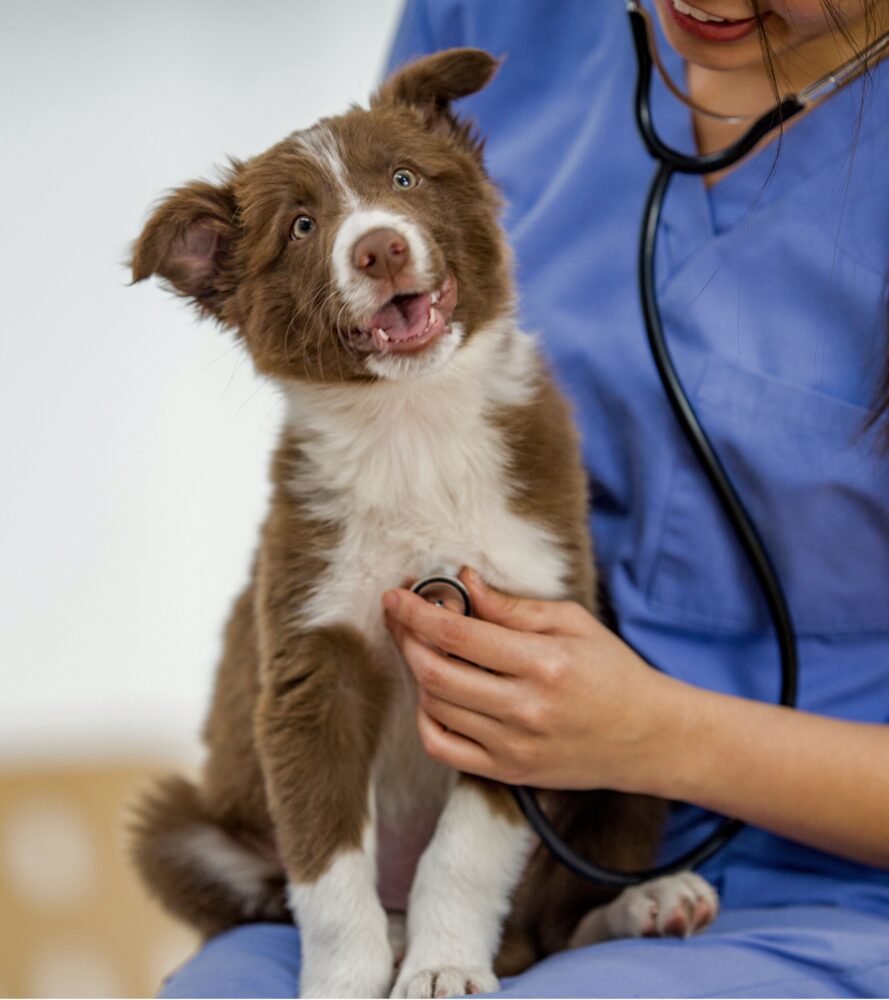
- Emotional Support: One of the most vital contributions volunteers make is providing care and affection. Simple acts of kindness, like petting, grooming, and talking to shelter animals, can help alleviate their fears and anxieties. For instance, a volunteer may spend time with a shy dog, soothing them with a gentle touch, which not only builds the animal’s confidence but also makes them more approachable to potential adopters.
- Socialization: Volunteers aid in socialization, helping animals learn or relearn vital social skills. Dogs, for example, need to be comfortable around people and other animals to thrive in a home environment. By engaging in play sessions or basic training exercises, volunteers help improve these skills, significantly increasing an animal’s chances of adoption. A well-socialized animal is often more attractive to adopters, leading to quicker placements in forever homes.
- Advocacy: Volunteers become powerful advocates for animal welfare, raising awareness on numerous issues, including the importance of spaying and neutering pets, promoting responsible pet ownership, and encouraging adoption over purchasing animals from breeders or pet stores. Social media campaigns, community events, and educational outreach can amplify their voices, potentially inspiring greater community engagement.
These efforts create a ripple effect within communities, where one person’s dedication can inspire others to get involved. Studies show that involvement in animal shelter activities not only increases the chances of an animal’s adoption but may also foster a strong sense of purpose and fulfillment in the volunteers themselves. The emotional rewards of witnessing an animal find a loving home can be life-changing.
As we delve deeper into the stories of these selfless individuals and the animals they help, it becomes clear that the experience of volunteering in shelters is not just about saving lives; it’s about changing them—both for the animals and the volunteers. Each story is a testament to the impact of human kindness and empathy. Join us on this journey of compassion, dedication, and love, and consider becoming part of the animal welfare community. Your involvement could make a profound difference in the life of an animal in need.
DISCOVER MORE: Click here to learn how pets enhance our active lifestyles
The Personal Journey of Animal Shelter Volunteers
Volunteering at an animal shelter is more than just a philanthropic act; it’s a transformative experience that often reshapes the lives of both the animals and the individuals who dedicate their time and energy. Volunteers come from diverse backgrounds, bringing with them a shared passion for animal welfare. Regardless of their reasons for volunteering, the impact of their involvement can be profound and far-reaching.
One significant aspect of the volunteer experience in shelters is the bond that forms between the volunteers and the animals. Many volunteers report that their initial intention was simply to help, but they soon find themselves emotionally invested in the animals’ well-being. This strong emotional connection serves as a catalyst for ongoing commitment. The act of caring for an abandoned animal can offer volunteers a sense of purpose and fulfillment that extends beyond the walls of the shelter.
Building Empathy through Hands-On Experience
Volunteers often acquire invaluable life skills through hands-on interactions with the animals. These can include:
- Patience: Working with scared or traumatized animals requires a significant amount of patience. Volunteers learn that trust must be built slowly, and they develop the capacity to remain calm and composed in challenging situations.
- Communication Skills: Engaging with animals that cannot speak requires volunteers to hone their non-verbal communication skills. They become experts at reading body language, understanding subtle cues, and differentiating between comfort and fear.
- Teamwork: Animal shelters are often bustling environments where collaboration is key. Volunteers learn to work alongside staff and fellow volunteers, fostering a spirit of teamwork that enriches the overall shelter experience.
The emotional rewards of volunteering are equally impactful. Research indicates that individuals who volunteer report greater life satisfaction. Witnessing the transformation of a once-abandoned animal into a loving companion for a new family can evoke feelings of joy and accomplishment. Many volunteers reflect on the meaningful relationships they build with the animals they care for, which brings a deep sense of connection and belonging.
Creating Lifelong Advocates for Animal Welfare
As volunteers become more engaged in their roles, they often evolve into advocates for animal welfare. Their experiences in shelters empower them to speak out on behalf of animals, educating others about the importance of rescue, adoption, and responsible pet ownership. This advocacy can take many forms, including:
- Host Workshops and Events: Volunteers may organize workshops aimed at educating the community on proper animal care and the benefits of adoption.
- Leverage Social Media: Sharing heartwarming stories and successful adoptions online helps raise awareness and can stimulate interest in adopting abandoned pets.
- Collaborate with Local Organizations: Building partnerships with other community-based programs can enhance outreach and promote local animal welfare initiatives.
Through these various avenues, volunteers help to elevate the conversation around animal welfare, changing perceptions and encouraging responsible actions within their communities. In the process, volunteers often discover their own passion for advocacy, illustrating that the experience of volunteering in shelters is truly a two-way street—a journey of transformation that extends beyond mere service.
In delving deeper into the transformative experiences of volunteers in animal shelters, it becomes evident that their contributions extend beyond mere caregiving to influence the broader narrative of animal welfare. Volunteers play a pivotal role in providing essential support to abandoned animals, improving their quality of life and increasing their chances of adoption. Through regular interaction, volunteers develop bonds with these animals, which not only helps to socialize them but also aids in assessing their behavior and temperament.Moreover, the emotional benefits are significant for both the volunteers and the animals. Engaging with animals has been shown to reduce stress, anxiety, and feelings of loneliness among volunteers. Such interactions foster a sense of purpose and fulfillment, highlighting the reciprocal nature of this relationship. In fact, many volunteers report life-changing experiences that not only inspire them to continue helping animals but also lead them to advocate for animal rights within their communities.Fundamentally, the experience of volunteering in shelters contributes to a broader movement towards responsible pet ownership and awareness of animal issues. By sharing their stories and insights, volunteers become ambassadors for the cause, encouraging others to consider adopting rather than shopping for pets, thereby addressing the critical issues of overpopulation and abandonment.As we explore this topic, it is important to recognize the ongoing need for volunteers in shelters. The demand for their time and commitment is unwavering, as many shelters operate with limited resources and rely heavily on volunteers to maintain their operations. Training and orientation programs for new volunteers are essential in helping them make informed contributions, ultimately enriching the shelter environment for the animals and increasing the likelihood of successful adoptions.Volunteers not only care for the animals but also engage in fundraising and community outreach efforts, thereby expanding the sphere of influence for animal welfare initiatives. By creating an atmosphere of love and care, they significantly enhance the lives of abandoned animals, advocating for a future where every animal receives a loving home. The combination of shared passion and collective action is what truly transforms the lives of these vulnerable animals. Through dedicated volunteer efforts, we can mitigate the challenges faced by abandoned animals and promote a culture of compassion, empathy, and responsible stewardship toward our furry companions.
DISCOVER MORE: Click here to learn how pets boost your physical wellness
The Ripple Effect of Volunteerism in Animal Shelters
The influence of volunteers extends well beyond the immediate surroundings of an animal shelter. Their efforts radiate throughout the community, creating a ripple effect that ultimately enhances the lives of abandoned animals. This phenomenon can be observed in various ways, from increasing adoption rates to fostering a culture of compassion towards all creatures.
Enhancing Adoption Opportunities
One of the most poignant impacts of volunteer involvement in animal shelters is the boost in adoption opportunities for abandoned animals. Data from the American Society for the Prevention of Cruelty to Animals (ASPCA) suggests that shelters with active volunteer programs see a notable increase in their adoption rates. Volunteers play an essential role in promoting animals available for adoption through various platforms, including social media, community events, and local outreach initiatives.
Dedicated volunteers often photograph animals, write engaging descriptions, and share their stories online, making the animals more appealing to potential adopters. This grassroots marketing not only highlights the unique personalities of the animals but also humanizes them, encouraging people to consider adopting instead of purchasing a pet. According to the Humane Society, fostering such awareness can significantly decrease the overall number of animals in shelters.
Community Engagement and Support
Volunteers also foster a sense of community around animal welfare. By actively involving local residents, they create a network of support that extends beyond the shelter. Some volunteers take the initiative to host open days or community clean-up events, turning the shelter into a lively hub of activity and learning. This communal effort does not only introduce the mission of the shelter to a broader audience but also strengthens community ties, bringing together people from all walks of life who share a common goal: to support abandoned animals.
Such civic participation can lead to the formation of local advocacy groups dedicated to advancing animal rights issues, promoting spay and neuter programs, and addressing local legislation on animal welfare. The presence of these groups signals a shift in public consciousness, showing that communities are increasingly committed to protecting vulnerable animals.
Personal Transformation and Skill Development
On a personal level, many volunteers find that their time spent in animal shelters not only enriches the lives of the animals but also transforms their own lives. For instance, individuals often report increased levels of empathy, self-confidence, and a stronger sense of community responsibility. Volunteering can be particularly beneficial for young people, as they gain essential soft skills like leadership, conflict resolution, and project management. These experiences prepare them for future academic and career opportunities while instilling a lifelong commitment to service and advocacy.
Moreover, studies have shown that volunteering in animal shelters can have positive effects on mental health. Volunteers frequently express that spending time with animals alleviates stress and anxiety. The unconditional affection of a pet and the satisfaction of making a difference contribute to a greater sense of well-being.
Long-Term Changes in Attitudes Towards Animal Welfare
Ultimately, the work of shelter volunteers leads to long-term changes in societal attitudes towards animals. As volunteers advocate for responsible pet ownership and proper animal care, they inspire others to recognize that animals are sentient beings deserving of compassion and respect. This cultural shift can influence policies at local and national levels, fostering more stringent regulations around animal welfare and discouraging neglect and abuse.
In essence, the transformative experience of volunteering in animal shelters creates a powerful synergy between the volunteers, the animals, and the community, leading to sustainable positive change that stands to benefit countless abandoned animals in the long run.
DISCOVER MORE: Click here to learn how pets can enhance your active lifestyle
Conclusion: A Collective Journey Towards Change
The experience of volunteering in animal shelters is a profound testament to the power of compassion and community engagement. By dedicating time and effort to care for abandoned animals, volunteers do not merely impact the lives of these vulnerable creatures; they also initiate a significant transformation in societal perceptions about animal welfare. As highlighted throughout this article, volunteers not only enhance adoption rates through creative advocacy but also foster team spirit and collective action within their communities. This newfound sense of collaboration ultimately paves the way for sustainable animal welfare initiatives.
Furthermore, the personal growth volunteers experience—encompassing improved mental health, enhanced skills, and developed empathy—demonstrates that the journey of helping animals profoundly enriches human lives as well. It is this dual transformation that reinforces the idea that caring for the less fortunate deepens our understanding of our own humanity.
With continuous volunteer efforts, we can ensure that abandoned animals receive the care and love they need while perpetuating a culture of responsibility and respect towards all living beings. It is essential to recognize that the ripple effect created by volunteers is critical in shaping a future where every animal has a safe and loving home. By engaging in volunteerism, individuals are not only changing lives; they are also igniting hope and fostering a more compassionate society for generations to come.