Personalized Nutrition: How to Create Specific Diets for Animals with Special Needs
Exploring the Importance of Tailored Diets for Pets
Creating tailored diets for animals with special needs is a fundamental aspect of modern pet care. Nutritional requirements can significantly vary based on health conditions, breed, and age. Implementing personalized nutrition can enhance the quality of life for pets, leading to better health outcomes. Much like humans, pets thrive when their diets are suited to their unique physiological and lifestyle demands.
For many pet owners, understanding the unique dietary needs of their furry companions is essential to ensuring their well-being. Here are some critical factors to consider:
- Health Conditions: Animals suffering from diabetes require low-sugar diets, while those with allergies might need hypoallergenic food formulations to avoid ingredients like beef or dairy. For example, pets with kidney disease may benefit from specially formulated diets low in protein and phosphorus to alleviate strain on their kidneys.
- Breed-Specific Needs: Different breeds may show varying sensitivities and nutritional needs. For instance, a Great Dane’s nutritional requirements differ significantly from those of a Chihuahua. Larger breeds may need larger kibble sizes and specific joint-supporting nutrients, while smaller breeds might require calorie-dense formulations to support their higher metabolisms.
- Age Considerations: Nutritional needs evolve as pets age. Puppies require a diet rich in protein and energy to support their rapid growth, whereas senior pets generally benefit from lower-calorie diets that include joint supplements to help manage arthritis and mobility issues.
The journey to crafting a customized diet begins with recognizing these individual needs. By collaborating with veterinarians and pet nutritionists, pet owners can explore an ideal balance of ingredients that cater to their animal’s specific requirements. Regular check-ups and nutritional assessments can also help adjust dietary plans as pets grow older or as health conditions change.
Moreover, exploring the benefits of personalized nutrition reveals how it promotes optimal growth, longevity, and overall well-being. Personalized diets can enhance skin health, improve coat condition, and even stabilize blood sugar levels for diabetic pets. This approach fosters a healthier lifestyle and can prevent the onset of chronic diseases, ultimately saving pet owners the emotional and financial distress associated with health issues.
As we dive deeper into this topic, expect to uncover essential strategies to build meal plans that cater not just to the palate but also to the health of our beloved pets. By making informed choices based on individual assessments, pet owners in the United States can ensure their furry friends enjoy longer, healthier, and happier lives. It is a commitment worth making for the love and loyalty they provide in return.
DISCOVER MORE: Click here to learn how pets enhance our health
Understanding the Foundations of Personalized Nutrition for Pets
Creating personalized nutrition plans for animals with special needs requires a comprehensive understanding of their unique biological and behavioral needs. This foundational knowledge allows pet owners and caregivers to make informed decisions regarding their pets’ diets, ultimately leading to improved health and quality of life. When embarking on this journey, it’s crucial to focus on several key components of tailored diets:
- Nutrient Composition: Different animals have varying requirements for carbohydrates, fats, proteins, vitamins, and minerals. For example, a dog with allergies might need a diet that is not only free from common allergens but is also higher in omega-3 fatty acids to help with inflammation. It is essential to analyze the nutrient composition of available pet foods and supplements to ensure they align with the specific needs of the animal.
- Caloric Needs: The caloric intake needed can vary widely depending on an animal’s activity level, size, and metabolic rate. Dogs that lead more sedentary lifestyles need fewer calories compared to active breeds like working dogs. Understanding these needs is critical in preventing obesity and other related health issues.
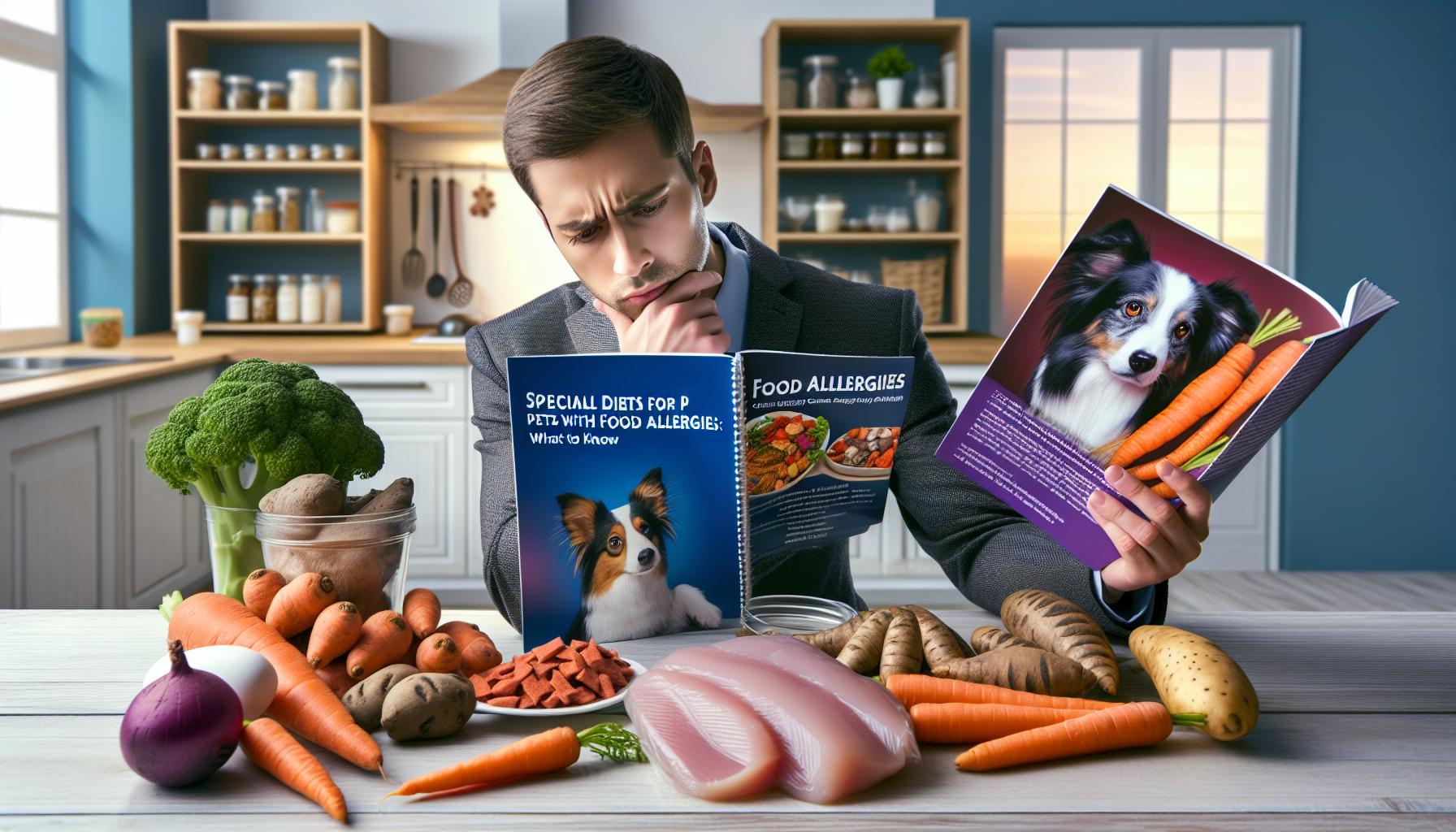
- Food Sensitivities and Allergies: Many pets experience food sensitivities that can lead to discomfort and health problems. It is important to identify problematic ingredients, which may involve elimination diets or comprehensive food allergy testing. For example, a cat that shows signs of digestive distress may require a specialized diet that avoids grains and focuses on easily digestible proteins.
Equipping pet owners with the right knowledge about these components is paramount. Creating a diet should involve evaluating the pet’s lifestyle, health, and individual preferences, as well as recognizing any special needs. As manufacturers increasingly offer specialized pet foods, working alongside a veterinarian or pet nutritionist becomes crucial in selecting balanced and safe options for any unique requirements.
Another important consideration is the role of ingredients. When formulating a personalized diet, it’s essential to look beyond just the food itself. The quality of ingredients can vary widely across brands and products; hence, familiarity with the sourcing and processing of ingredients is vital. Opting for whole food sources over processed ingredients can make a substantial difference in overall health. For instance, using fresh fruits and vegetables can provide essential vitamins and antioxidants that processed foods might lack.
In recent years, pet owners have increasingly turned to homemade diets as a means to exercise control over their pets’ nutrition. However, it is critical to approach this option cautiously. Crafting home-cooked meals requires ensuring that recipes are nutritionally balanced and meet the specific needs of each animal. Consulting with a veterinary nutritionist can provide invaluable guidance to avoid nutritional deficiencies while tailoring meals.
As we continue to unravel the intricacies of personalized nutrition, it becomes clear that a one-size-fits-all approach is inadequate for the diverse needs of pets. By focusing on individualized strategies that prioritize health and wellness, pet owners can be empowered to contribute to the overall happiness and vitality of their furry companions.
Understanding Individual Nutritional Requirements
Creating personalized diets for animals with special needs begins with a thorough understanding of their individual nutritional requirements. Each animal, similar to humans, has a unique metabolic rate and specific health conditions that influence their dietary needs. For example, animals with diabetes require diets that help maintain steady blood sugar levels, while those with allergies may need to avoid certain proteins. This necessitates a detailed analysis of each pet’s health history, including any existing conditions or medications that could affect their diet.
Incorporating Functional Ingredients
In the quest for optimal nutrition, incorporating functional ingredients into a pet’s diet can lead to significant health improvements. Ingredients such as omega-3 fatty acids can be particularly beneficial for pets suffering from joint issues or skin conditions. Probiotics may enhance digestive health, while antioxidants can bolster the immune system. By selecting high-quality, nutrient-dense foods, pet owners can ensure that their furry companions receive the full spectrum of vitamins and minerals they need, which is especially important for animals with special needs.
Working with Veterinary Professionals
Collaboration with veterinary professionals is crucial when devising a personalized nutrition plan. Veterinarians or veterinary nutritionists can provide expert guidance tailored to the specific needs of the animal. They can help with formulating diets based on clinical research and data, ensuring that pets receive balanced nutrition that supports their health. Additionally, a professional can assist in monitoring progress and making necessary adjustments, providing a safety net that enhances the overall effectiveness of the dietary changes.
Benefits of Personalized Nutrition
The benefits of personalized nutrition for animals with special needs extend beyond mere weight management. Improved energy levels, better skin and coat condition, and enhanced overall wellbeing are some of the positive outcomes pet owners can observe. Furthermore, tailored diets can reduce the risk of serious health issues down the line, ultimately leading to a longer and healthier life for the pet. Engaging regularly with the pet’s health status and being proactive in dietary adjustments creates a supportive environment for ensuring their unique needs are met.
| Category | Key Benefits |
|---|---|
| Customized Diet Plans | Addresses specific health concerns and improves overall wellness. |
| Enhanced Health Monitoring | Allows for adjustments in the diet based on ongoing health assessments. |
Monitoring and Adjusting Diets
Finally, it is essential to regularly monitor the animal’s response to the diet and make adjustments as necessary. What works initially may need to change as the animal ages or as health conditions evolve. Continuous feedback through behavioral observations and veterinary check-ups ensures that the diet remains effective and beneficial. Ultimately, personalized nutrition for animals with special needs is an ongoing commitment that requires attention and adjustment to meet their lifelong health requirements.
DISCOVER MORE: Click here to learn how pets enhance your physical wellness
Implementing Personalized Nutrition Plans: Practical Steps for Pet Owners
Once pet owners have a foundational understanding of their animals’ specific dietary needs, the next step is to implement these personalized nutrition plans. This process involves meticulous planning, monitoring, and adjustments to ensure that the animals receive balanced and appropriate nutrition tailored to their individual requirements. Here are some practical steps to consider when developing these personalized diets:
- Consulting with Veterinary Professionals: Before making any dietary changes, pet owners should consult with a veterinarian or a certified animal nutritionist. These professionals can provide personalized recommendations based on the animal’s health status, age, breed, and specific medical conditions. Moreover, they can help interpret blood work or other diagnostic tests to determine nutritional deficiencies or excesses.
- Developing Structured Meal Plans: Creating a structured meal plan is essential for maintaining consistency in the pet’s diet. This should include meal times, portion sizes, and types of food that cater to the animal’s preferences and nutritional requirements. For instance, a dog requiring weight management may benefit from smaller, more frequent meals to regulate metabolism and prevent over-eating.
- Incorporating Variety with Care: Introducing variety into a pet’s diet can prevent boredom and enhance their overall enjoyment of food. However, when personalizing diets for animals with special needs, it is critical to make changes gradually and monitor reactions closely. A change in protein source, for example, should be done slowly to avoid gastrointestinal upset, particularly for pets with sensitivities.
Another vital aspect of personalized nutrition is supplementation. Many pets, especially those with specific health issues or advanced age, may require additional nutrients that cannot be sufficiently obtained through their diet alone. Supplements such as omega-3 fatty acids for joint health, glucosamine for mobility, or probiotics for digestion can significantly impact the well-being of pets with special needs. Again, veterinary guidance is crucial to determine the appropriate types and dosages of supplements.
Moreover, tracking and monitoring the pet’s progress after implementing a new diet is essential. Pet owners can keep a food diary documenting changes in the pet’s behavior, energy levels, and overall health. Regular check-ins with the veterinarian can help assess the effectiveness of the dietary changes and make necessary adjustments. For example, if an animal continues to exhibit digestive issues despite dietary changes, further evaluation may be needed to pinpoint additional food sensitivities.
Technology is also paving new avenues in personalized nutrition for pets. Many companies now offer pet food delivery services that curate meals based on specific dietary needs derived from data entered by the pet owner. This innovative approach not only simplifies the process of maintaining a specialized diet but also ensures that high-quality, nutritionally balanced meals reach the home. Additionally, apps and tracking software can help pet owners manage their animals’ dietary information and health markers in real time.
As the demand for tailored diets continues to grow, it’s essential for pet owners to stay informed about the evolving landscape of personalized nutrition. Understanding how nutrition correlates with health outcomes can have a profound impact on the lives of pets with special needs, elevating their care and overall quality of life. The journey towards optimizing nutrition for our animals is an ongoing partnership between pet owners, veterinary professionals, and the evolving world of animal nutrition.
DIVE DEEPER: Click here to discover how pets enhance your physical wellness
Conclusion: Enhancing Pet Health Through Personalized Nutrition
In the ever-evolving sphere of animal care, personalized nutrition emerges as a critical avenue for improving the health and well-being of pets, particularly those with special needs. From understanding individual dietary requirements to implementing tailored meal plans, every step counts in nurturing the unique health profiles of our beloved animals. The collaboration between pet owners and veterinary professionals plays an essential role in crafting effective nutrition strategies that address specific health concerns, such as weight management, allergies, and age-related issues.
By emphasizing structured meal planning, careful supplementation, and ongoing monitoring, pet owners can significantly influence their pets’ quality of life. It’s important to recognize that each animal is distinct, and what works for one may not suit another. Therefore, gradual adjustments and mindful observations are paramount in this process. Technological advancements, such as customized pet food delivery services and dietary tracking apps, enhance accessibility and ease of maintaining these specialized diets, ensuring that our pets receive not just adequate, but optimal nutrition.
As the demand for tailored diets grows, staying informed about the latest nutritional science becomes essential for pet owners. This knowledge not only facilitates better decision-making but also fosters a deeper bond between pets and their caretakers. Ultimately, personalized nutrition for animals is not merely a trend; it is an indispensable element of responsible pet ownership that warrants continuous exploration and commitment. As you embark on this journey of optimizing your pet’s dietary needs, remember that every small change can lead to a happier, healthier, and longer life for your furry companions.