Natural Diets vs. Processed Foods: What is Better for Your Pet?

The Importance of Choosing the Right Diet for Your Pet
The question of what to feed your pet can stir intense discussions among pet owners. Given the diverse range of dietary options, how can one ensure their furry friends thrive? The choice between natural diets and processed foods is often at the forefront of this conversation, impacting your pet’s health, energy levels, and even longevity.
Exploring Natural Diets
Natural diets are gaining popularity for their emphasis on unprocessed ingredients that mirror what animals might consume in a more primitive setting. Common components of a natural diet include:
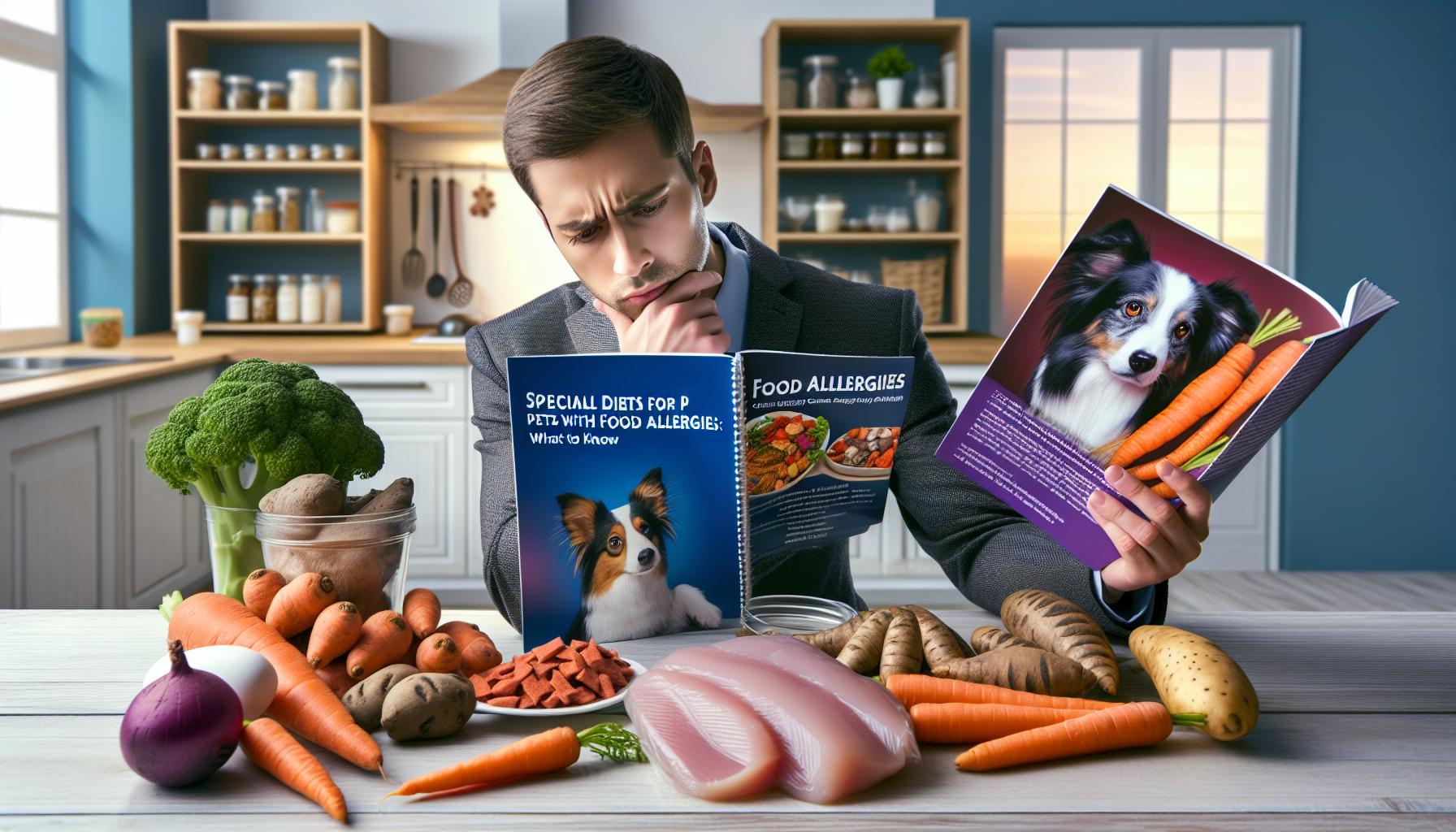
- Fruits and vegetables: Foods like carrots, blueberries, and spinach offer essential vitamins and antioxidants.
- High-quality meats: Ingredients such as chicken, beef, or fish provide necessary proteins and amino acids vital for muscle development and energy.
- Whole grains: Brown rice or quinoa can serve as excellent carbohydrate sources, offering sustained energy and dietary fiber.
A shift towards natural diets can contribute to enhanced hydration and better digestion, as many of these foods are less processed and richer in nutrients. Pet owners report observable benefits in their animals, such as improved coat condition and increased vitality.
Understanding Processed Foods
Contrarily, processed pet foods, while often favored for their convenience, include an array of ingredients that some pet owners may find concerning. Typical aspects of processed foods are:
- Preserved ingredients: Chemicals to extend shelf life can alter the nutrient profile of these foods.
- Artificial additives: Flavor enhancers and coloring agents can be misleading, masking lower-quality ingredients.
- Convenient packaging: Many processed foods come in bags or cans that provide easy storage and preparation, appealing to busy pet owners.
It’s important to scrutinize the labels and familiarize yourself with ingredient sourcing, as this can significantly impact your pet’s overall health. Studies show that certain processed diets can lead to obesity and other health issues due to excessive fillers and lack of genuine nutritional value.
The American Pet Owner’s Perspective
In the United States, a noticeable trend is emerging where pet owners increasingly demand wholesome nutrition. Research indicates that around 50% of pet owners are inclined to purchase products labeled as “natural” or “organic.” This shift reflects a growing awareness of the importance of diet in pets’ lives, sparking further curiosity into the various options available.
Ultimately, determining the best diet for your pet is a highly individualized process. It requires taking into account your pet’s breed, age, activity level, and even pre-existing health conditions. Consulting with a veterinarian can also provide personalized guidance based on comprehensive health assessments.
Embarking on the journey of exploring your pet’s nutrition may seem overwhelming, yet it is undeniably rewarding. Understanding the benefits and drawbacks of both natural and processed diets equips you with the knowledge necessary to make informed decisions that support your pet’s well-being for years to come. So, start digging deeper, learn the nuances, and find that perfect dietary fit for your furry companion.
DISCOVER MORE: Click here to learn how pets boost your health
Weighing the Options: Natural Diets vs. Processed Foods
As pet owners delve into the debate of natural diets versus processed foods, it’s vital to understand the nuanced differences that can influence your pet’s health and overall well-being. Both approaches have their distinct characteristics, advantages, and potential drawbacks, making informed decisions more crucial than ever.
The Benefits of Natural Diets
Natural diets often appeal to pet owners seeking to replicate an animal’s ancestral eating habits. These diets typically incorporate a range of fresh, whole foods that are minimally processed and free from artificial additives. Some advantages of opting for a natural diet include:
- Improved Nutrient Absorption: Natural foods, rich in vitamins, minerals, and essential fatty acids, can enhance your pet’s nutrient absorption, leading to healthier bodily functions.
- Better Digestive Health: Many natural ingredients, like whole grains and fibrous vegetables, can contribute to a stable digestive system, potentially reducing gastrointestinal issues.
- Boosted Immune Support: The antioxidants found in fresh fruits and vegetables can help strengthen your pet’s immune system, guarding against diseases and infections.
Moreover, maintaining a natural diet allows pet owners to have better control over what exactly their pets are consuming. Transparency in ingredient sourcing and the absence of harmful preservatives can ease concerns about long-term health effects. Many pet owners who switch to natural diets often report noticeable improvements in their pets’ appearance and behavior, with enhanced energy levels and vitality being common observations.
The Role of Processed Foods
While the allure of convenience plays a significant role in the popularity of processed pet foods, examining their underlying composition is essential. Processed foods often contain high levels of preservatives, artificial flavors, and other additives aimed at improving shelf life and palatability. Here are some considerations when it comes to processed foods:
- Economical and Convenient: Processed foods are generally easier to store and serve, making them an appealing option for busy pet owners.
- Quality Control Concerns: Some pet owners express concerns about ingredient quality in processed foods, as lower-quality protein sources and excessive fillers may be present.
- Consistent Nutritional Profile: Manufactured pet foods offer a consistent nutritional profile, ensuring that pets receive balanced diets in every serving, which can simplify meal planning.
However, pet owners should remain vigilant regarding ingredient labels. Certain cheaper processed diets can lead to long-term health issues, such as obesity and related ailments. Consequently, educating oneself about the nutritional content and sourcing of ingredients in these foods becomes crucial.
The bottom line is that every pet is different; hence, their dietary needs can vary significantly. As consumers increasingly question what goes into their pets’ bowls, understanding the differences between natural diets and processed foods is fundamental in nurturing healthier, happier lives for our beloved companions.
Natural Diets vs. Processed Foods: A Deeper Look
As we delve into the differences between natural diets and processed foods for pets, it’s essential to understand the fundamental characteristics of each. Natural diets, often consisting of whole ingredients, are praised for being rich in nutrients and free from artificial additives. In contrast, processed foods, while convenient, can contain numerous fillers and preservatives that may not contribute positively to your pet’s health.
One of the main advantages of a natural diet is its potential for improved overall health. Pets on a natural diet tend to experience fewer allergies and digestive issues due to the absence of synthetic ingredients. Furthermore, these diets often include fresh fruits and vegetables, supporting a balanced intake of vitamins and minerals that are crucial for your pet’s immune system.
On the other hand, processed foods can be more appealing in terms of taste and convenience. Many pet owners appreciate that these foods come in pre-packaged servings, making mealtime hassle-free. However, it’s important to scrutinize the ingredient lists, as some processed foods may include low-quality ingredients that could adversely affect your pet’s health in the long run.
Understanding the Ingredients
When choosing what to feed your pet, always look for transparency regarding ingredients. A natural diet will typically feature identifiable components such as chicken, fish, vegetables, and grains, all of which contribute to a wholesome meal. In comparison, highly processed pet foods may contain mystery meat meals or by-products, which can be detrimental to your pet’s well-being.
Moreover, many pet owners are now turning to homemade meals for their furry friends, selecting ingredients that they trust and can verify. This option allows for complete control over nutritional content and overall health benefits. However, it’s crucial to consult with a veterinarian or a pet nutrition expert to ensure that homemade diets meet all necessary nutritional requirements.
Ultimately, the choice between natural diets and processed foods hinges on various factors, including your pet’s specific health needs, lifestyle, and your own values as a pet owner. As you navigate this important decision, consider exploring the benefits of various food options and always prioritize your pet’s health and happiness.
| Category | Key Features |
|---|---|
| Natural Diets | Whole ingredients, high nutrient density, fewer allergens. |
| Processed Foods | Convenient, often includes fillers and preservatives. |
| Health Benefits | May reduce digestive issues and improve immunity. |
| Preparation | May require more effort but fosters trust in ingredients. |
LEARN MORE: Click here to discover how pets can boost your physical well-being
Considerations for Making the Right Choice
When deciding between natural diets and processed foods for your pet, it’s essential to weigh not just the pros and cons, but also the specific needs of your pet. Factors such as age, breed, health status, and lifestyle play a significant role in determining which diet might be more suitable.
For instance, puppies and kittens require high levels of protein and certain nutrients for growth and development. In many cases, premium processed diets are formulated to meet these specific needs with added vitamins and minerals to support their rapid growth phases. However, not all processed foods are created equal; monitoring the ingredient quality is vital. You may find that some brands use higher-quality protein sources with minimal fillers, which can lead to better outcomes for your growing pet.
Conversely, senior pets often have differing dietary requirements, such as those with added fiber for digestive health or reduced fat to maintain a healthy weight. Many pet owners who opt for natural diets assert that these fresh, unprocessed foods offer greater variety and allow for customized meals tailored to their pet’s specific needs. Raw food diets, for example, have gained popularity among pet enthusiasts who believe in mimicking a more natural feeding approach. Proponents argue that such diets can conserve, if not enhance, certain nutrients lost during processing.
Vet Guidance and Safety Concerns
Regardless of the route you choose, consulting with a veterinarian is essential. Many veterinarians advocate for a balanced approach, often recommending diets that blend both commercial processed food and natural ingredients. This fusion can help mitigate the risks associated with each side, providing both practicality and nutrition.
Moreover, safety is paramount when considering a natural diet. Raw diets, while popular, can pose risks of bacterial contamination. It’s crucial for pet owners to handle raw ingredients with strict hygiene practices and ensure they’re sourcing meats from reputable providers. Likewise, improperly balanced home-cooked diets can lead to nutritional deficiencies, which can be detrimental to your pet’s health over time.
- Understanding nutritional balance: When crafting a natural meal, ensure it meets the AAFCO (Association of American Feed Control Officials) standards based on your pet’s age and health requirements.
- Ingredients sourcing: For natural diets, prioritize locally-sourced and organic ingredients, which can enhance quality while supporting local farmers.
- Individual preferences: Take note of your pet’s unique tastes and preferences; some pets might fare better on a diet that includes moderate levels of processed foods, which are often more palatable.
Long-Term Implications
Over time, the choice between natural and processed diets can influence health outcomes significantly. Some studies suggest that a diet abundant in whole, natural ingredients can lead to prolonged vitality and a lower incidence of chronic illnesses in pets. Reports have indicated that pets on optimal natural diets may experience healthier skin and coats, reduced allergies, and less likelihood of developing metabolic disorders.
In the evolving landscape of pet nutrition, being an informed owner means continually educating yourself about the latest findings and trends. As the market grows with new products and formulations, remaining curious and open to exploring diet options could help in discovering what truly benefits your pet the most.
DISCOVER MORE: Click here to learn how pets boost physical wellness
Conclusion: Navigating the Choice for Your Pet’s Diet
When it comes to the question of natural diets vs. processed foods, there is no one-size-fits-all answer. The ideal nutritional path for your pet is influenced by numerous factors, including their age, health status, and individual preferences. While natural diets can offer personalized nutrition and potentially enhance wellbeing, premium processed foods have been meticulously formulated to meet specific dietary requirements, often ensuring balanced nutrition with added convenience for pet owners.
As you consider the right diet, the importance of involving a veterinarian in your decision cannot be overstated. Their insights can guide you towards choosing high-quality options, regardless of the path you take. This collaborative approach allows you to address your pet’s unique health needs while balancing convenience and nutritional integrity.
Additionally, staying informed about the latest research in pet nutrition empowers you to make educated choices. As the landscape evolves, a hybrid approach that combines the benefits of both natural and processed diets may emerge as a compelling strategy—allowing for flexibility while prioritizing your furry friend’s health. Ultimately, investing time and effort in understanding what is better for your pet can lead to a happier, healthier life for them.
Your pet deserves the best, and as a dedicated owner, being proactive in their dietary choices is a fundamental step toward ensuring their longevity and quality of life.