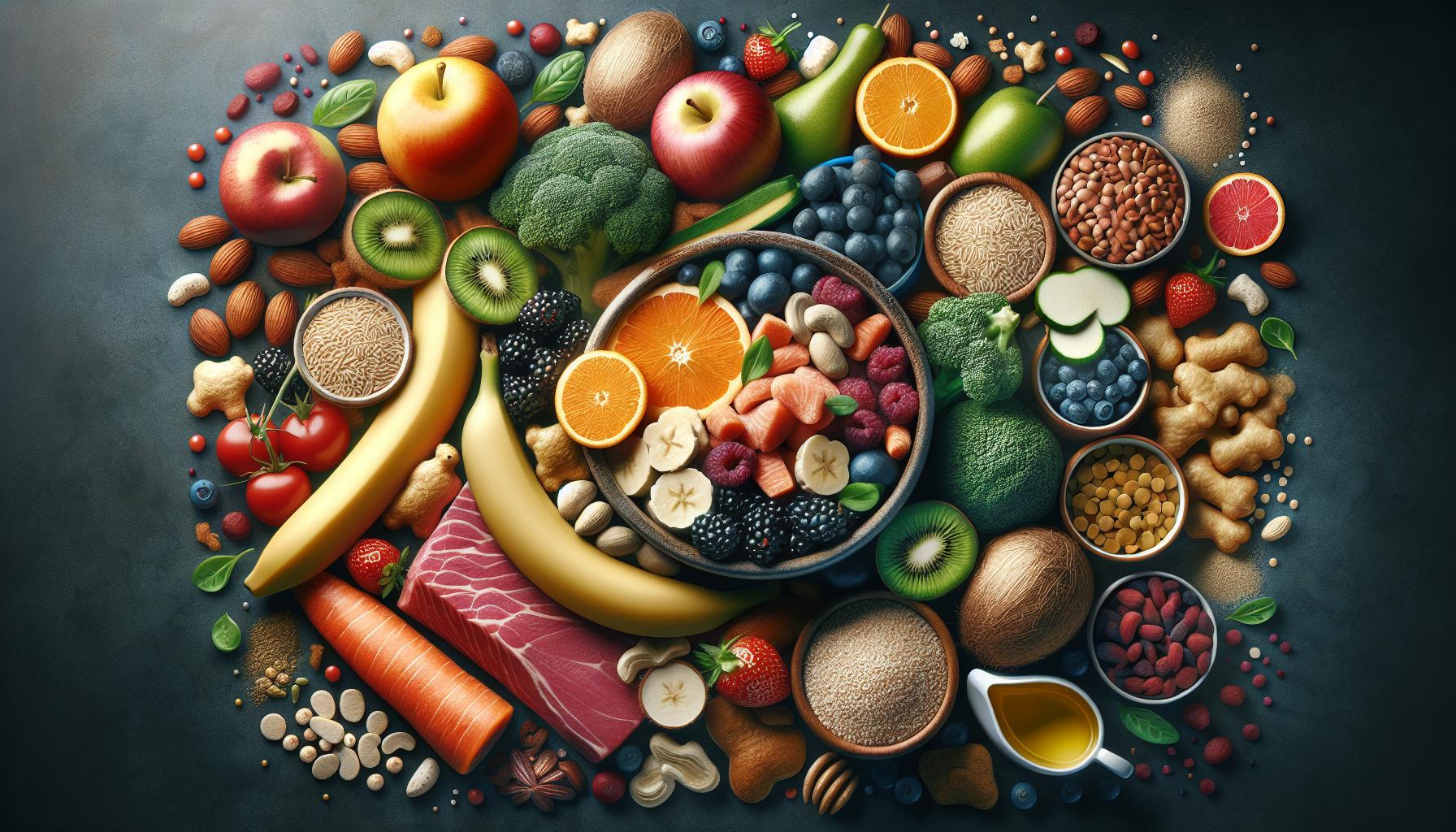
Natural Foods vs. Commercial Feed: What is Better for Your Cat?
Understanding Your Cat’s Diet Choices
Feeding your cat is more than just filling a bowl; it’s about ensuring a healthy and balanced diet. As pet owners increasingly question the best nutrition for their furry companions, two primary options emerge: natural foods and commercial feed. This debate delves into more than just ingredients; it encompasses the broader health implications for your pet, which can significantly affect their quality of life.
When considering natural foods, they are often touted as beneficial because they consist of whole, unprocessed ingredients. For instance, this could mean including options like cooked chicken, turkey, or even certain types of fish, ideally sourced from a trusted local supplier. These foods can often provide vital nutrients without unnecessary additives. Many cat owners have shifted towards homemade diets, emphasizing fresh meat and organ sources, alongside small amounts of vegetables or grains, to achieve a well-rounded nutritional profile. Moreover, there are resources available, like veterinary nutritionists, who can assist in creating a balanced natural diet for your cat.
On the other hand, commercial feed is convenient and typically formulated to meet the specific dietary needs of cats at various life stages. However, it’s essential to scrutinize the ingredient list, as many commercially available foods can contain fillers such as corn, wheat, and soy, which may not offer substantial nutritional value and can lead to issues like allergies or obesity in some cats. Brands often emphasize high protein content to cater to a cat’s obligate carnivore status, suggesting that meat should be the primary ingredient, but the quality of the protein is just as important as the quantity.
- Health Impact: The choice between natural foods and commercial feed can significantly affect your cat’s lifespan, energy levels, and overall well-being.
It’s critical to be aware that each cat has unique dietary needs influenced by various factors such as age, activity level, and health conditions, including diabetes or renal issues. For example, a young, active cat may thrive on a high-protein commercial diet, whereas an older cat might benefit from a more specific formulation with lower calories and added fiber to maintain a healthy weight.
As you delve deeper into the world of cat nutrition, consider the long-term effects of your choices. Will you opt for convenience or quality? The answers may surprise you and lead to a healthier lifestyle for your feline friend. Many cat enthusiasts report that their pets exhibit better energy and lower veterinary bills after adjusting their diets. This underscores the importance of investing time and effort into thoroughly understanding feline dietary needs.
Combining knowledge from veterinary science with personal experience can empower you to make informed decisions for your cat’s diet. Ultimately, it’s about striking a balance that prioritizes your cat’s health while aligning with your lifestyle as a pet owner.
Evaluating the Benefits of Natural Foods
Exploring natural foods for your cat often reveals a myriad of benefits that advocate for fresh, wholesome ingredients. Many pet owners appreciate the transparency associated with homemade meals, as they have full control over what their felines consume. By choosing ingredients such as fresh meats, organs, and even select vegetables, owners can provide a diet that closely mirrors what a cat would naturally eat. These nutrient-rich foods are not only easier for most cats to digest, but they can also lead to improved coat conditions, enhanced immune functions, and increased energy levels.
One of the significant advantages of natural foods is the absence of controversial additives commonly found in commercial feeds. Ingredients like artificial preservatives, colors, and flavorings can be detrimental to your cat’s overall health. With a focus on purity, natural diets aim to reduce the risk of allergic reactions and food sensitivities that some cats may develop when exposed to lower-quality commercial options. Furthermore, the presence of high protein content in raw or minimally cooked meats aligns well with a cat’s biological needs as obligate carnivores, ensuring they receive the essential amino acids necessary for survival.
Considerations When Choosing Natural Foods
As appealing as the benefits of natural foods can be, pet owners must be aware of the potential challenges. Here are some essential factors to consider:
- Balance: Creating a nutritionally balanced homemade diet requires careful planning and sometimes the guidance of a veterinary nutritionist to ensure that all vital nutrients are included.
- Preparation Time: Natural diets often require significant time and effort in preparation, which may not align with every pet owner’s schedule.
- Cost: Depending on the choices made, natural feeding can become more expensive than purchasing pre-packaged commercial options.
Despite these challenges, many owners find the rewards in enhancing their cats’ health justify the extra effort. For example, anecdotal evidence suggests that cats on a natural diet may experience fewer health issues such as dental problems, obesity, or gastrointestinal disorders. Preparing meals at home may also foster stronger connections between you and your pet, as it involves a more hands-on approach to their care.
Navigating Commercial Feed Options
On the other side of the debate lies commercial feed, which boasts the convenience of being easily accessible and often specifically formulated to meet the dietary needs of cats at different life stages. Most commercial brands conduct feeding trials and testing to ensure their products comply with the nutritional standards set by organizations like the Association of American Feed Control Officials (AAFCO). However, while these feeds may offer reassurance in terms of quality control, owners still need to stay informed about the specific ingredient formulations.
When examining commercial options, a closer look at ingredient lists is essential. Some products, even those marketed as high-protein or premium, may contain lower-quality protein sources or fillers that don’t contribute to your cat’s nutritional needs. Owners should aim to choose options where high-quality meat or fish is listed as the primary ingredient, avoiding those that rely heavily on grains or artificial additives.
In conclusion, whether you lean towards natural foods or commercial feed, understanding the intricacies of each choice is crucial for your cat’s well-being. By weighing the pros and cons, you can make a decision that aligns with your cat’s specific needs and your lifestyle, ultimately leading to a healthier, happier feline companion.
Exploring Nutritional Value
When it comes to keeping your feline friend healthy, the nutritional value of their food is paramount. With the rising popularity of the debate over Natural Foods vs. Commercial Feed, it’s essential to dissect what each option brings to the table.Natural foods are often celebrated for their quality ingredients, which can include whole meats, fresh produce, and grains that are minimally processed. These ingredients can provide a rich source of vitamins, minerals, and essential fatty acids. Many cat owners report noticeable improvements in their pets’ coat health, energy levels, and overall vitality when switching to a natural diet. However, sourcing natural ingredients can sometimes be costly and might require more effort in meal preparation.On the other hand, commercial feeds, particularly those with high-quality brands, often offer convenience and balanced nutrition tailored for specific life stages. These feeds are formulated to meet the dietary needs of cats, often fortified with essential nutrients. With a plethora of flavors and options, finding something that appeals to your cat’s palate can be simpler. However, concerns surrounding the long-term effects of preservatives, fillers, and artificial additives still linger among pet owners.
Health Considerations
Health considerations play a crucial role in this ongoing debate. Natural foods can lead to a lower risk of obesity, diabetes, and other ailments related to improper nutrition. The absence of fillers means cats may consume fewer calories while still receiving adequate nutrition. Such diets can also be more suitable for pets with allergies or sensitivities, as owners can control what their cats are eating more meticulously.Conversely, reputable commercial feed options often undergo rigorous testing for safety and nutritional adequacy. They are engineered to provide balanced nutrition without the need for additional supplementation. Nevertheless, it’s vital to read the labels and be aware of the sourcing of ingredients. Some commercial brands utilize low-quality by-products that may not contribute positively to your cat’s health.Thus, when deciding on a diet for your cat, it’s important to consider your pet’s specific needs, consult with a veterinarian, and weigh the benefits of both natural foods and commercial feed to find the best option. The right choice can enhance your cat’s quality of life, longevity, and happiness.
Understanding the Drawbacks of Commercial Feed
Despite the convenience of commercial feed, there are notable drawbacks worth considering. One of the primary concerns is the variance in quality across brands. While some manufacturers pride themselves on sourcing high-quality ingredients, others may cut corners, relying on cheaper fillers such as corn and soy, which provide minimal nutritional value for your cat. These fillers can contribute to health issues, such as obesity, as they often pad the calorie count without delivering the essential nutrients that your feline friend needs.
Many commercial cat food products also include by-products, a term that can be vague and misleading. These can consist of leftover animal parts that are not suitable for human consumption, and while they do contain protein, the overall quality and digestibility can be questionable. Understanding terms like “meat by-products” can help owners navigate the often-complicated ingredient lists seen on packaging.
Health Implications of Long-Term Commercial Feeding
Long-term reliance on commercial feed can also have implications for your cat’s health. Some studies have suggested a correlation between diets high in carbohydrates—common in lower-quality dry foods—and an increase in feline obesity and diabetes cases. Cats thrive on a diet rich in animal protein and low in carbohydrates, so this mismatch can lead to metabolic issues over time.
Another factor to consider is the prevalence of recalls in the pet food industry. High-profile recalls over the last few years have raised awareness about the potential hazards lurking within commercial feeds, from contamination to mislabeling of ingredients. Pet owners who choose commercial feeding must stay updated on recalls and safety notices from the FDA and respective manufacturers to ensure the safety of their pets.
The Role of Research and Transparency
With the rise of pet wellness communities, many companies are now becoming more transparent about their ingredients and sourcing. Checking for certifications from organizations like AAFCO can be a helpful step in ensuring dietary standards are met. Some brands offer extensive details about their sourcing practices, which helps owners feel more secure about their choices. Additionally, many companies are also evolving, creating grain-free and natural options that cater to specific dietary needs more closely aligned with a cat’s natural diet.
Moreover, some pet nutrition experts recommend utilizing both commercial feeds and natural foods in a hybrid model. This approach allows owners to take advantage of the convenience and analyses behind commercial products while incorporating fresh, natural foods for balance and variety. For those who prefer to rely on commercial feeds, seeking higher-end brands that prioritize quality—without compromising nutritional value—can ultimately lead to better health outcomes for your cat.
Deciding between natural foods and commercial feed isn’t simply a matter of preference; it involves a deep understanding of your cat’s unique needs, examining ingredient quality, and staying abreast of current health research and guidelines. Both options have their place in cat care and nutrition, and informed decision-making is key to ensuring a long, healthy life for your feline companion.
Final Thoughts on Cat Nutrition Choices
In the debate of Natural Foods vs. Commercial Feed, it is imperative for cat owners to recognize that both options come with their unique benefits and challenges. While commercial feeds offer convenience and a certain reassurance due to regulatory standards, they may also introduce risks related to ingredient quality and the use of additives that are less than ideal for your cat’s health. On the other hand, natural foods can provide a more wholesome and species-appropriate diet, but require careful planning to ensure complete nutrition and avoid deficiencies.
Ultimately, the choice between these two paths hinges on individual factors including your cat’s health status, dietary preferences, and your lifestyle as a pet owner. Consulting with a veterinarian can play a pivotal role in tailoring a diet that meets your cat’s specific needs. Furthermore, emerging trends in pet nutrition, such as hybrid feeding—which combines the advantages of both options—offer intriguing possibilities for maximizing your cat’s health.
As a responsible pet owner, staying informed about the latest research, ingredient sourcing, and potential recalls within the pet food industry is crucial. Brands that prioritize quality and transparency can help foster a safer feeding environment. Therefore, investing time in understanding what goes into your cat’s diet will not only enhance their well-being but also enrich your shared life together.
In conclusion, whether you lean towards natural foods or carefully selected commercial feed, informed decision-making remains vital. A well-rounded approach to your cat’s diet is the key to ensuring their happiness, health, and longevity.