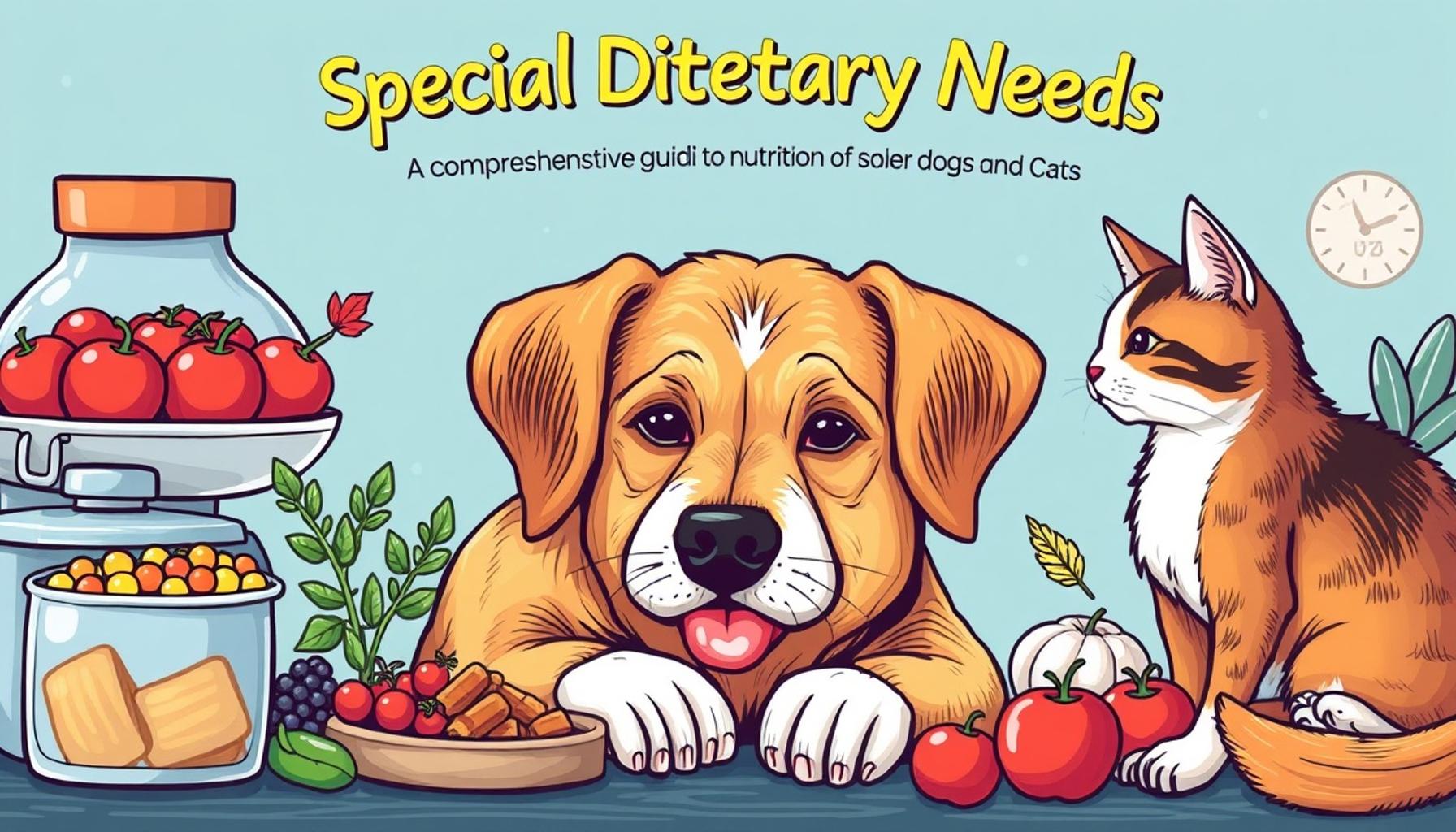
Special Dietary Needs: A Comprehensive Guide to Nutrition for Senior Dogs and Cats
Nutritional Challenges Faced by Senior Pets
As our furry companions transition into their senior years, they experience a natural decline in physical and metabolic function that can significantly affect their dietary needs. A carefully balanced diet tailored to their age can dramatically enhance their quality of life, allowing them to maintain vigor and vitality. Understanding the specific nutritional requirements for senior pets is essential for their health and longevity.
Why Special Nutrition Matters
Older pets are often confronted with a myriad of health issues that necessitate a re-evaluation of their dietary habits. These challenges can include:
- Joint problems: Arthritis and other joint ailments are prevalent in senior pets. Nutrients such as glucosamine and omega-3 fatty acids are known for their anti-inflammatory properties, helping to reduce pain and improve mobility.
- Dental issues: As pets age, they become more susceptible to dental diseases. Softer food options may be required to accommodate sensitive gums and lost teeth while ensuring they still receive adequate nutrition.
- Decreased metabolism: Aging can lead to a slower metabolism, resulting in weight gain and obesity. This requires careful monitoring of caloric intake and the inclusion of high-fiber foods that promote satiety without excess calories.
By incorporating the right ingredients into their diet, pet owners can mitigate these issues and provide their animals with numerous benefits. For instance, targeted joint support can lead to improved mobility, high-quality fibers can facilitate better digestion, and moisture-rich diets can enhance hydration, especially important for older pets prone to kidney issues.
Key Considerations for Senior Pet Nutrition
When it comes to crafting a nutritious diet for senior dogs and cats, several key factors play a crucial role:
- High-quality proteins: Proteins are vital for maintaining muscle mass. Older pets may require more digestible sources of protein to support their body needs.
- Essential fatty acids: Consider including omega-6 and omega-3 fats, which promote not only skin and coat health but also cognitive function, helping to keep their minds sharp.
- Antioxidants: Vitamins E and C, along with selenium, can provide robust support for your pet’s immune system, helping to ward off infections and diseases.
Moreover, pet owners should be aware of specific dietary formulations available in the market designed explicitly for senior pets. Many pet food brands release specialized formulas that cater to the needs of older animals, often labeled as “senior” or “mature” pet food options.
By understanding and addressing the unique nutritional requirements of aging pets, owners can significantly improve their loved ones’ lives as they journey through their golden years. A little research and consultation with a veterinarian can go a long way in ensuring your furry friends receive the best possible nourishment tailored to their changing needs.
Understanding the Nutritional Requirements of Senior Pets
As our pets grow older, their bodies undergo a variety of changes that can significantly impact their nutritional needs. It becomes crucial for pet owners to pay attention to these changes, ensuring that their beloved companions receive the appropriate nutrients that will help them navigate their golden years with comfort and vitality. So, what exactly should you consider when analyzing your senior dog or cat’s dietary requirements?
Adaptations for Aging Bodies
With age comes a slower metabolism and potential health issues that can complicate your pet’s dietary needs. A focused approach to nutrition can combat these challenges. Here are some elements to keep in mind:
- Weight Management: Excess weight can exacerbate joint and heart problems. It is imperative to adjust food portions according to your pet’s age, weight, and activity level. This may include opting for lower-calorie formulas that are high in fiber to help maintain a feeling of fullness without the added calories.
- Digestive Health: Senior pets may benefit from easily digestible foods that incorporate prebiotics and probiotics to encourage a healthy gut. This not only aids digestion but also supports overall immunity.
- Hydration: Dehydration can be a common concern in aging pets, particularly those with kidney issues. Ensuring your pet has access to fresh water is essential, and integrating wet food into their diet can also be a beneficial way to improve hydration.
By understanding these adaptations, pet owners can make informed decisions about diet that significantly enhance the quality of life for their senior companions. Evidence shows that tailored nutrition can lead to longer, healthier lives. For instance, studies suggest that dogs fed high-quality senior dog food have experienced decreased rates of obesity and associated health complications.
The Role of Supplements
In addition to incorporating a balanced diet, many pet owners are turning to supplements as an adjunct to support their aging pets. Supplements can provide various benefits, helping to target specific health issues:
- Joint Support: Glucosamine and chondroitin sulfates are commonly recommended to combat arthritis and support joint health, making it easier for senior pets to stay active.
- Cognitive Function: Omega-3 fatty acids, particularly DHA, have been linked to improved cognitive function in older pets, potentially reducing the risk of cognitive dysfunction syndrome.
- Skin and Coat Health: Aged pets might face skin and coat issues. Supplementing their diet with essential fatty acids can help maintain a healthy coat and skin, reducing matting and itchiness.
While the use of dietary supplements can be beneficial, it is always wise to consult with a veterinarian before introducing new products. This helps ensure that any changes or additions to your pet’s diet are safe and tailored to their specific health conditions.
Being proactive about the nutritional needs of senior dogs and cats can create a holistic approach to their health and wellness, improving their everyday lives one meal at a time. By embracing a thoughtful dietary strategy, you can help your pets age gracefully and remain the spirited companions you’ve always cherished.
Understanding Special Dietary Needs for Senior Pets
As our beloved dogs and cats age, their nutritional requirements evolve, necessitating a tailored approach to their diet. Senior pets often face challenges such as reduced metabolism, weight management issues, and specific health concerns that can directly impact their overall well-being. For instance, conditions like arthritis, kidney disease, and diabetes are prevalent in older animals, making it essential for pet owners to consider special dietary needs.Purchasing premium quality pet food that is specifically designed for senior pets is crucial. These diets typically offer lower calories, which can help prevent obesity in less active animals. Additionally, many senior formulations include ingredients that support joint health, such as glucosamine and omega fatty acids, which help maintain mobility and vitality.Furthermore, understanding nutritional supplements can play a significant role in enhancing your senior pet’s health. Supplements such as antioxidants and probiotics can aid in digestion, boost the immune system, and promote a healthy coat. Consulting with a veterinarian is vital to determine the right dietary adjustments and supplements tailored to your pet’s individual needs.Regular monitoring of your pet’s weight and health is critical. As you make dietary changes, observing their reactions and body condition will provide essential insight, helping to refine their diet continually. By prioritizing a well-balanced and nutrient-rich diet for senior dogs and cats, pet owners can significantly improve their quality of life, ensuring they remain vibrant and active well into their golden years.
| Category | Benefits |
|---|---|
| Nutrient-Rich Diets | Promote better health and longevity |
| Weight Management | Prevents obesity and associated health issues |
As we delve deeper into the various special dietary needs for senior pets, exploring tailored nutrition plans and consulting with professional veterinarians becomes paramount for pet owners. It ensures that their fur babies thrive even in their later years.
Special Considerations for Specific Health Issues
As pets reach their senior years, they may be more prone to specific health conditions that require tailored nutritional strategies. Understanding these conditions and how nutrition can play a pivotal role in managing them can make a significant difference in your pet’s health and happiness.
Managing Diabetes in Senior Pets
Diabetes is a common ailment among senior dogs and cats, characterized by an inability to properly regulate blood sugar levels. For pets diagnosed with diabetes, dietary management becomes essential. A diet rich in complex carbohydrates and low in simple sugars can help maintain stable blood glucose levels. Foods specifically formulated for diabetic pets are often high in fiber and protein, assisting in blood sugar stabilization.
Pet owners should also be aware of the importance of regular feeding schedules. Consistency is key; feeding your pet at the same times each day can help regulate their insulin levels. Working closely with a veterinarian to develop an appropriate meal plan is vital. Regular monitoring of your pet’s weight and blood glucose levels will ensure their nutritional needs are being adequately met and adjusted as necessary.
Cardiac Health Nutritional Needs
Cardiac issues can often arise in senior pets and require dietary adjustments to promote heart health. Foods enriched with omega-3 fatty acids, such as fish oil, can help support cardiovascular function by reducing inflammation and promoting healthy blood flow. Additionally, incorporating antioxidant-rich ingredients—such as blueberries and spinach—can combat oxidative stress on the heart.
- Reduced Sodium: It’s beneficial to choose foods with lower sodium levels to lessen the burden on a senior pet’s heart. High-sodium diets can lead to water retention, increasing the risk of heart issues.
- Controlled Protein Levels: While protein is crucial for maintaining muscle mass, pets with certain cardiac conditions may require moderated protein intake to avoid overtaxing their kidneys.
Consulting with a veterinarian can provide insight into which diet would best support your animal’s heart health while ensuring other necessities are also addressed.
Kidney Function and Dietary Adjustments
For senior pets facing kidney issues, dietary management is one of the most significant interventions available. A kidney-friendly diet typically includes a reduction of protein, phosphorus, and sodium, helping to ease the burden on the kidneys. Foods specifically formulated for renal health often provide high-quality proteins that are more easily digestible, ensuring that your pet still gets the necessary nutrients without stressing their kidneys.
Many pet owners also incorporate hydration-boosting strategies, such as offering wet food or adding broth to their pet’s meals, to support kidney function and overall health. It’s essential for seniors, particularly those with kidney concerns, to remain well-hydrated to aid in the elimination of toxins.
Holistic Approaches and Customized Diet Plans
As awareness increases around the importance of holistic health, many pet owners are exploring customized diet plans for their aging pets. These plans often integrate whole food ingredients, supplements, and natural remedies to create a diet tailored specifically to the individual pet’s needs.
Veterinary nutritionists can assist in designing these personalized diets, taking into account the pet’s health status, lifestyle, and preferences. These holistic approaches often yield positive results, as they aim to balance nutritional needs in a way that aligns with the pet’s unique biology.
Through strategic nutritional planning, pet owners can significantly enhance the quality of life for their senior dogs and cats while addressing specific health challenges with tailored solutions that cater to their beloved pet’s needs.
Conclusion
Navigating the world of special dietary needs for senior dogs and cats is a crucial endeavor that demands our attention as pet owners. As our furry companions age, their nutritional requirements evolve significantly, often influenced by developing health conditions such as diabetes, cardiac issues, and kidney problems. Implementing tailored nutritional strategies not only addresses these challenges but can also enhance their overall well-being, vitality, and happiness in their golden years.
Through informed decisions such as maintaining balanced diets rich in complex carbohydrates, omega-3 fatty acids, and appropriate protein levels, we can effectively support their unique health situations. Moreover, establishing regular feeding schedules and accommodating hydration needs aids in the optimal management of these specialized diets. Collaborating with veterinary professionals to devise customized meal plans can ensure that our pets receive the best nutrition tailored to their individual needs.
As you consider your senior pets’ dietary requirements, remember that this journey is as much about compassion and understanding as it is about nutrition. Take the time to observe their preferences and behaviors, adapting their diets to suit their comfort and health. By taking these thoughtful steps, you are not just prolonging their lives but enriching them. For further exploration, engage with veterinary resources and nutritional experts who can provide invaluable insights into how to best support your cherished companion’s health and happiness.