
Puppy Nutrition Essentials: A Guide to Feeding Your New Companion for Optimal Growth
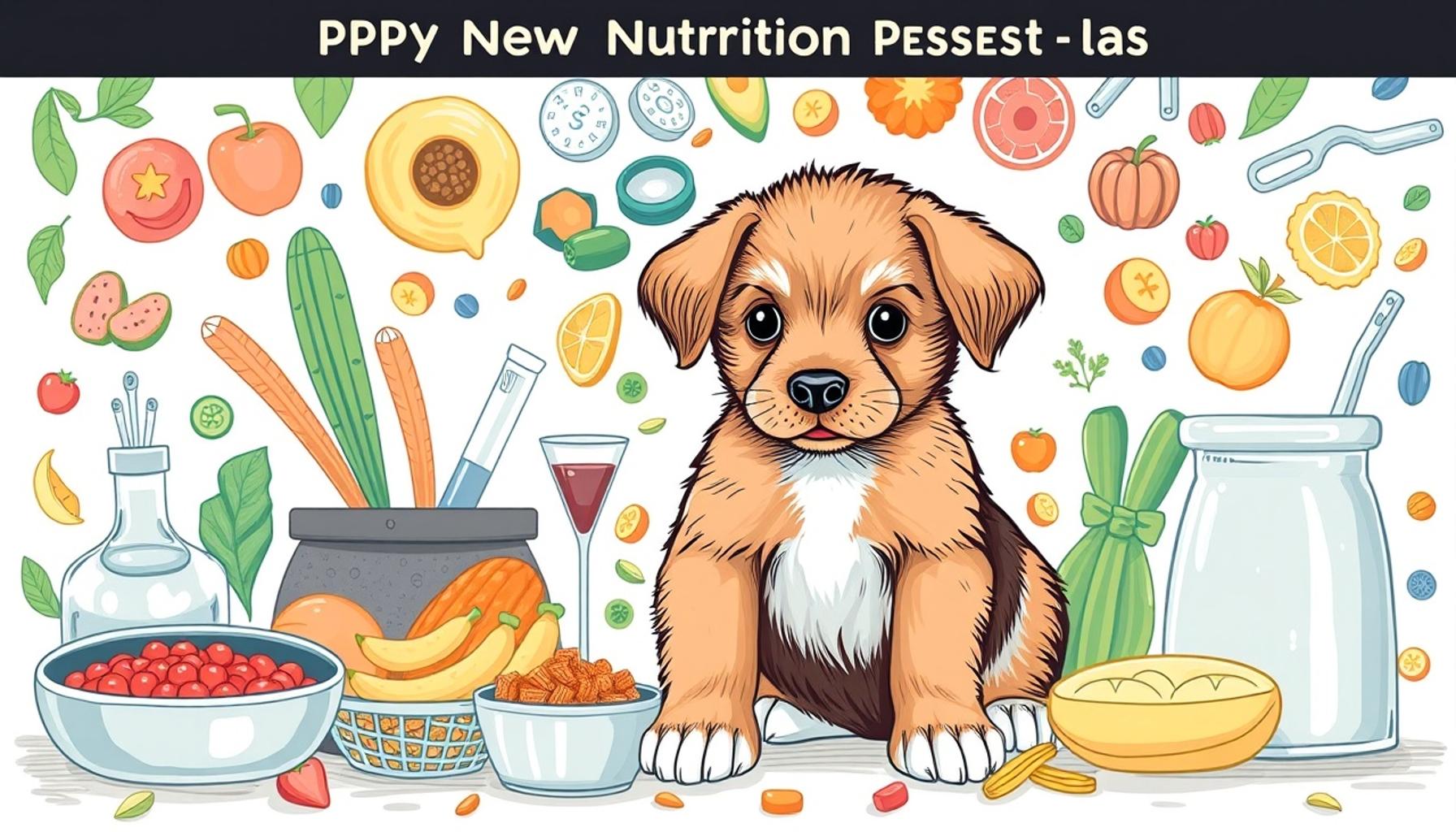
The Importance of Proper Nutrition for Puppies
Welcoming a new puppy into your family is undoubtedly a joyous occasion filled with wagging tails and playful antics. However, alongside the excitement lies the imperative responsibility of proper care, particularly when it comes to nutrition. Proper puppy nutrition is not just a matter of feeding; it plays a pivotal role in your puppy’s overall health, influencing their growth patterns, energy levels, and long-term well-being. Understanding the puppy nutrition essentials can significantly impact their development into a robust and healthy adult dog.
Quality Ingredients Matter
Choosing the right puppy food begins with identifying quality ingredients. Look for brands that list high-quality protein sources such as chicken, beef, or fish among the first ingredients. Proteins are essential for building muscle and sustaining energy. Additionally, check for wholesome grains and vegetables that provide vitamins and minerals necessary for healthy growth. Ingredients such as sweet potatoes, carrots, and blueberries not only offer energy but also contribute to your puppy’s immunity.
Life Stage Considerations
It’s vital to acknowledge that puppies have different dietary needs as compared to adult dogs. Puppy food is specially formulated with higher levels of protein, fat, and essential nutrients to support the rapid growth that occurs during their early months. The nutritional composition is tailored to meet the specific needs at different life stages, ensuring that your puppy receives optimal nourishment during their formative years.
Portion Control and Feeding Schedule
Another crucial component is practicing portion control. Overfeeding can lead to obesity, which is a growing concern in the United States. Puppies should be fed the recommended serving sizes based on their weight, age, and activity level, as indicated on the food packaging. Additionally, establishing a consistent feeding schedule helps regulate their metabolism and develop a routine. Typically, younger puppies will require three to four small meals each day, whereas older puppies can transition to two meals.
Understanding Individual Needs
Every puppy is unique, and their nutritional requirements may vary significantly based on breed, size, and age. For example, large breeds like Great Danes or German Shepherds may necessitate specially formulated diets aimed at supporting bone and joint health. On the other hand, small breeds, including Chihuahuas and Pomeranians, often benefit from nutrient-dense foods due to their faster metabolism. Understanding these distinctions is vital for making informed dietary choices.
Avoiding Common Nutritional Pitfalls
Navigating puppy nutrition can be daunting, but armed with knowledge, you can avoid common mistakes. Many pet owners fall into the trap of feeding human food or leftovers, which can lead to an imbalance in nutritional intake. It’s essential to resist the temptation to give treats that may not be suitable for your puppy’s developing digestive system. Additionally, some puppies may develop food sensitivities; hence, being observant of their reactions to specific foods can guide you in selecting the right diet.
In conclusion, understanding the fundamentals of optimal puppy nutrition is crucial for pet owners. With careful attention to quality ingredients, appropriate life stage considerations, proper portion control, and recognizing individual needs, you can significantly contribute to your puppy’s health and happiness. This knowledge equips you to make informed decisions that set the stage for a vibrant, energetic life for your beloved companion.
Essential Nutritional Components for Puppies
When it comes to puppy nutrition essentials, it is crucial to focus on the core components that will fuel your new furry friend’s growth and vitality. Puppies, much like infants, require a balanced diet rich in the right nutrients to support their rapid development. Understanding these components can equip pet owners with the knowledge to provide optimal nourishment, leading to a healthy, happy companion.
Proteins: Building Blocks of Growth
Proteins serve as the fundamental building blocks necessary for your puppy’s growth. They play an essential role in forming muscles, skin, and internal organs. High-quality proteins should be prioritized in your puppy’s diet. Selecting foods that have specific meat sources such as chicken, lamb, or fish as the first ingredient ensures your puppy receives adequate protein intake. Furthermore, it’s not just about the quantity but the quality of protein, which is crucial for maintaining energy levels and overall health. For pet owners, it is beneficial to understand that puppies typically require about 22% to 32% protein in their diet, depending on their breed and age.
Fats: Energy and Nutrient Absorption
When considering your puppy’s macro-nutritional intake, fats should not be overlooked. Healthy fats provide the energy required for your active pup and help in the absorption of fat-soluble vitamins such as vitamins A, D, E, and K. Essential fatty acids, particularly Omega-3 and Omega-6, contribute significantly to coat health and cognitive development. As a guideline, the ideal fat content in puppy food should range from 8% to 20%. Always consult with your veterinarian to determine the optimal fat content suitable for your puppy.
Carbohydrates: The Source of Energy
Carbohydrates are another essential component that can often be misunderstood. While the primary focus should remain on high-quality proteins and fats, carbohydrates provide a vital source of energy and essential fiber. Whole grains such as brown rice, oats, or quinoa, along with vegetables, help maintain digestive health and regulate sugar levels in the bloodstream. It’s important to choose puppy food that contains digestible carbohydrates, which can help sustain energy levels throughout the day, especially for active puppies.
Vitamins and Minerals: Micronutrients for Development
Puppy food should also be fortified with essential vitamins and minerals to support various bodily functions. Vitamins such as A, B, C, D, E, and K play individual roles in maintaining health, ranging from immune system support to bone development. Key minerals like calcium and phosphorus are critical for healthy skeletal growth and dental health. Here are some crucial vitamins and minerals to look for:
- Calcium: Essential for strong bones and teeth.
- Phosphorus: Works in tandem with calcium for skeletal development.
- Iron: Supports blood production and oxygen transport.
- Zinc: Promotes healthy skin and a robust immune system.
- Vitamin E: Acts as an antioxidant to support overall health.
The foundation of your puppy’s diet revolves around these vital nutrients. Prioritizing a well-rounded, balanced diet that emphasizes proteins, healthy fats, carbohydrates, and essential vitamins and minerals will set your puppy on the path to optimal growth and well-being. By making informed choices regarding puppy nutrition essentials, you are nurturing a vibrant and healthy companion for years to come.
| Nutritional Needs | Essential Features |
|---|---|
| Protein Content | Crucial for muscle development and overall growth in puppies. |
| Balanced Diet | A variety of food groups ensures essential vitamins and minerals for health. |
| Growth Stages | Different needs as puppies grow require adjusting diet accordingly. |
| Hydration | Adequate water intake supports digestion and nutrient absorption. |
When it comes to puppy nutrition essentials, understanding your new companion’s nutritional needs is paramount. Puppies, like infants, grow rapidly and require a carefully balanced diet to fuel their energy and developmental demands. Proper nutrition is essential for exercising their little muscles and supporting their active lifestyles.The focus should be on a high-quality diet rich in protein, essential fatty acids, and a mix of carbohydrates to promote optimal health. Carbohydrates, particularly from wholesome grains and vegetables, contribute vital energy for their active playtime and learning stages. An appropriate mix ensures that your young pup receives all the necessary vitamins and minerals that foster a healthy immune system.Each pup is unique; as they progress through various growth stages, their diet requirements shift. What’s best for a growing puppy may not serve a mature dog. Thus, being aware of the changes in their dietary needs is critical in ensuring their continued health as they transition into adulthood. Another critical aspect is hydration. Puppies often overlook their water intake amidst the excitement of their environment. Ensuring they have access to clean, fresh water at all times is vital for maintaining their health and energetic lifestyle. This simple step significantly impacts their ability to digest food and absorb nutrients effectively.In brief, by catering to the evolving nutritional needs of your puppy and ensuring a holistic approach to their diet, you’ll set the foundation for a long, healthy life ahead. Always consult with a veterinarian to tailor specific dietary plans suitable for your puppy’s breed and unique requirements.
Feeding Your Puppy: Portion Control and Feeding Schedule
In addition to understanding essential nutrients, effective puppy nutrition essentials also encompass portion control and establishing a consistent feeding schedule. Knowing how much to feed your puppy at various stages of growth is just as important as the quality of the food itself. Puppies have different caloric needs than adult dogs, and these needs evolve as they grow.
Portion Control: Understanding Your Puppy’s Needs
Feeding your puppy the right amount of food is crucial for preventing obesity and ensuring appropriate growth. It’s important to refer to the feeding guidelines provided by the manufacturer of your puppy’s food, which typically vary based on age, weight, and breed. A common rule of thumb is to feed puppies approximately 2 to 3 meals per day, gradually transitioning to adult feeding habits by the time they reach about 12 months of age.
For effective portion control, use measuring cups instead of free-feeding, which can lead to overeating. Regularly monitor your puppy’s weight and body condition, adjusting portions as necessary. If you notice excessive weight gain or loss, consulting with a veterinarian is the best course of action. This will help you avoid potential health issues and ensure your puppy is thriving.
The Importance of a Consistent Feeding Schedule
Establishing a consistent feeding schedule helps regulate your puppy’s digestive system, contributing to better nutrient absorption and overall health. Puppies thrive on routine, so feeding them at the same times each day can reduce anxiety and help them feel more secure.
Most puppies respond well to a schedule of 3 meals per day from weaning until about six months of age. Afterward, transitioning to two meals daily is typical. It can be beneficial to space meals evenly throughout the day, ensuring your puppy maintains energy levels, especially if they’re active and social.
Hydration: The Overlooked Essential
While food plays a central role in nutrition, hydration is often an underestimated yet vital aspect of your puppy’s health. Fresh water should always be available, as hydration supports digestion, nutrient absorption, and temperature regulation. Puppies are particularly prone to dehydration due to their high energy levels and rapid growth, so monitoring their water intake is crucial.
Incorporating wet food into your puppy’s diet can also aid in hydration, providing additional moisture along with nutrients. If you’re considering changing your puppy’s diet, consult with your veterinarian to ensure a smooth transition while still meeting their hydration needs.
Choosing the Right Food: Commercial vs. Homemade
Choosing the right food for your puppy can feel overwhelming, with numerous options available at pet stores and online. Pet owners can opt for commercial puppy food—dry kibble or canned varieties specifically formulated for growing dogs—or explore homemade diets. Each option has its pros and cons.
Commercial puppy foods come with the reassurance that they meet the nutritional standards set by organizations like the Association of American Feed Control Officials (AAFCO). This means the food contains the essential nutrients in the right amounts. On the other hand, homemade diets allow for customization; however, they require careful planning to ensure all nutritional needs are met. Consulting with a veterinary nutritionist can help create a balanced homemade diet tailored to your puppy’s specific requirements and can prevent any deficiencies.
Ultimately, the foundation of your puppy’s overall health not only lies in knowing how to feed them the right balance of nutrients but also in staying conscious of their developmental needs, hydration, and feeding habits. Following these guidelines will guide you on the path to providing a nurturing and healthy environment for your new companion.
Conclusion: Nurturing Your Puppy with Proper Nutrition
In summary, understanding puppy nutrition essentials is fundamental for every pet owner eager to foster the optimal growth and health of their new furry friend. From recognizing the fundamental nutrients necessary for development to mastering portion control and establishing a consistent feeding schedule, your role as a caregiver is pivotal. Regularly adjusting meal portions based on your puppy’s growth stages ensures they receive just the right amount of energy for their lively antics while preventing obesity.
Moreover, don’t overlook the importance of hydration, which supports a puppy’s overall health and contributes to their energetic lifestyle. Fresh water should always be accessible, while incorporating wet food can provide added moisture. As you consider the variety of feeding options—whether commercial or homemade—consulting with a veterinarian or a certified veterinary nutritionist can guarantee that all nutritional bases are covered while allowing for customized preferences.
Investing time in understanding your puppy’s nutritional needs will lead to a stronger bond between you and your new companion, paving the way for a long, happy life together. Remember, a well-nourished puppy is not just a good boy or girl; they are also a resilient, thriving partner ready to share in your adventures. Continue your journey in pet care by researching and exploring new ways to nourish your beloved pup, ensuring they grow into a healthy and joyful adult dog.