The Importance of Pet Hydration: Keeping Your Pets Healthy and Happy
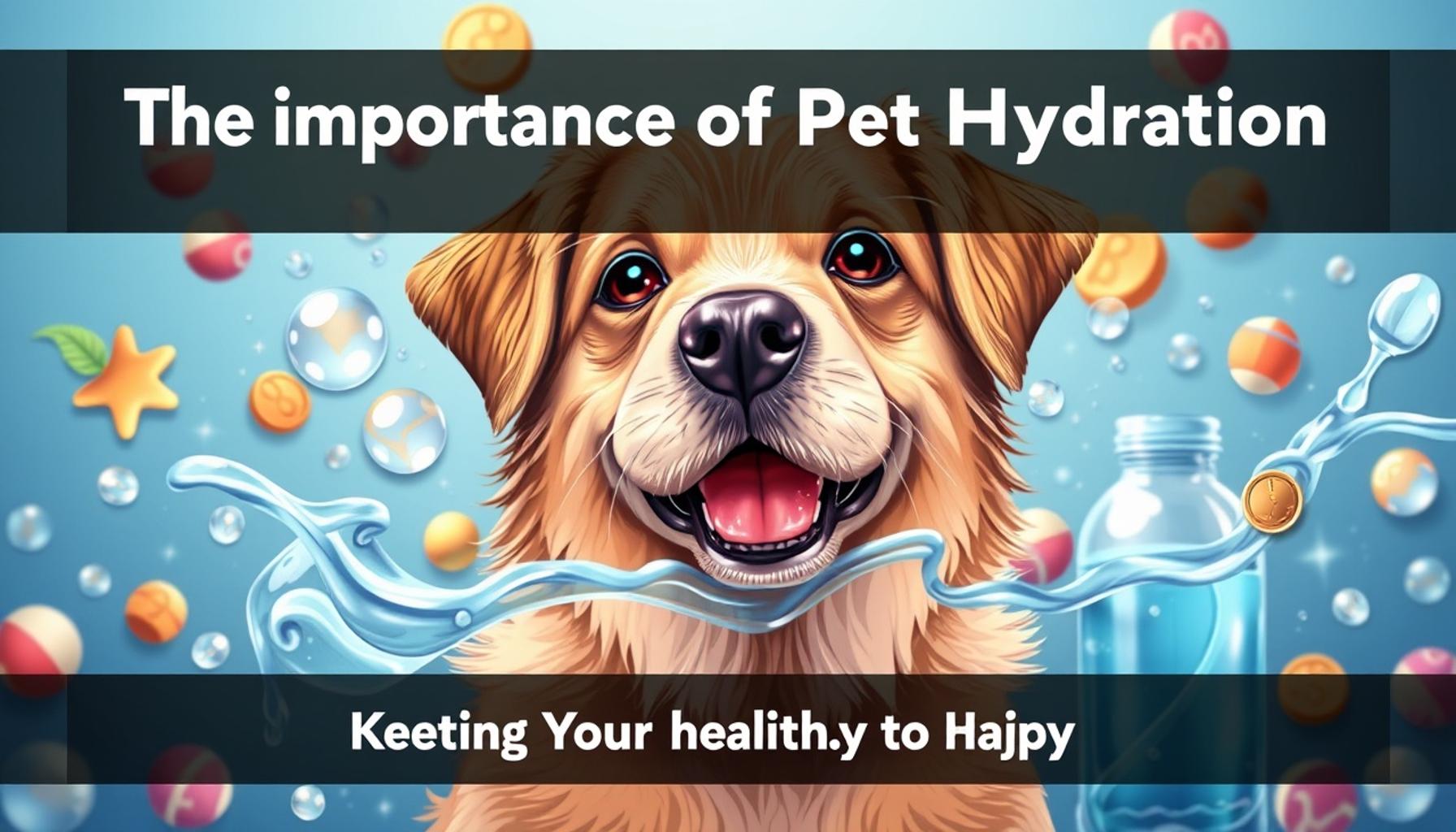
The Importance of Ensuring Your Pets Stay Hydrated
Hydration plays a crucial role in maintaining the health of your furry friends. Just like humans, pets need a consistent supply of water to thrive. In fact, proper hydration can prevent a host of health issues and can significantly enhance your pet’s overall well-being.
Why is it so essential? Here are some key reasons:
- Regulation of Body Temperature: Adequate water intake helps keep your pet cool and comfortable, especially during hot summer months. Dogs and cats cannot sweat like humans; instead, they rely on panting and moisture to regulate their body temperature. Inadequate hydration can lead to overheating and heat-related illnesses, emphasizing the need for constant access to fresh water.
- Facilitation of Digestion: Water aids in breaking down food, ensuring that nutrients are absorbed efficiently. For pets consuming dry kibble, hydration is especially important, as it helps in the digestive process, reducing the risk of gastrointestinal issues such as constipation and indigestion.
- Support for Organ Function: Hydration is vital for crucial organs, such as the kidneys and liver, to function correctly. These organs filter waste from the body and regulate various bodily functions, making proper hydration indispensable for your pet’s health.
Moreover, dehydration can lead to serious conditions, including:
- Kidney Stones: A common issue in pets that can result in painful and costly treatments. Pets, particularly those that are prone to urinary tract issues, need sufficient water to help flush out minerals that could crystallize and form stones.
- Urinary Tract Infections: Often associated with insufficient water intake, these infections can cause discomfort and lead to serious complications if left untreated. Regular hydration helps dilute the urine and flush bacteria from the urinary tract.
- Heat Exhaustion: Particularly in warmer climates, this can be life-threatening. Pets can suffer from heat stroke if overheated without easy access to water, which is why having a portable water bowl during outings is often recommended by veterinarians.
As responsible pet owners, it’s vital to ensure your pets receive enough fresh, clean water daily. The general guideline is that dogs need about one ounce of water per pound of body weight each day, while cats typically require a minimum of 3.5 to 4.5 ounces. Factors affecting this need include size, activity level, and climate.
Encouragement of drinking can vary; some pets may enjoy a water fountain, while others prefer a bowl. Moreover, incorporating wet food into a pet’s diet can also increase their water intake significantly. Offering ice cubes during playtime can be a fun and engaging way for pets to stay hydrated.
The consequences of neglecting hydration can be severe, leading to discomfort and serious health risks. Take the time to regularly check your pet’s water supply, especially during hot weather or after vigorous exercise. Join us as we dive deeper into the importance of pet hydration, explore practical tips, and learn how to keep your pets happy and healthy!
The Hidden Risks of Dehydration in Pets
Despite being a seemingly simple need, dehydration can have devastating consequences for pets. While most pet owners might recognize the importance of water for their animals, many underestimate how quickly their pets can become dehydrated. Situations like a hot day, vigorous outdoor activity, or even illness can lead to a rapid decline in their hydration levels, prompting immediate attention.
One of the critical signs of dehydration is a pet’s skin elasticity. You can perform a simple skin test by gently pinching the skin between your pet’s shoulders and releasing it. If the skin does not return to its original position quickly, it may be a sign of dehydration. Other symptoms include dry gums, lethargy, and a decrease in appetite. Being aware of these signs and acting promptly is essential to ensure your pet remains healthy.
Understanding Daily Water Requirements
The amount of water your pet needs can vary significantly based on several factors. Though the general guideline indicates that dogs need about one ounce of water per pound of body weight, while cats typically require a minimum of 3.5 to 4.5 ounces, numerous variables can influence these figures. Consider the following:
- Size and Breed: Larger breeds naturally require more water than smaller breeds, while certain breeds may have a higher propensity for dehydration due to their health conditions.
- Activity Level: Active pets or those in training require more fluids, as they lose water through increased panting and sweating.
- Diet: Pets that consume primarily dry food will need more water than those that eat wet food, which can provide a significant moisture content.
- Environmental Conditions: In hotter climates or during the summer months, the need for hydration increases significantly, as pets may pant more and lose water through sweat.
Understanding these factors can help pet owners tailor their hydration strategies effectively. Always keep fresh water available in multiple locations throughout your home, ensuring ease of access for your beloved companions. Moreover, water bowls should be cleaned regularly, as stale water can deter drinking. Opting for a fountain-style water bowl can also entice pets to consume more fluids, as many pets prefer the motion of running water to still water.
Remember that regular hydration should not merely serve as a response to signs of thirst. Instead, it should be a proactive measure. The best way to keep your pets happy and healthy is to ensure they are drinking enough water consistently. This is especially vital during exercise or outdoor activities when pets are more susceptible to heat and dehydration.
Next, we will explore additional methods to encourage hydration in your pets, highlighting creative solutions that keep them engaged and content. Join us as we delve deeper into practical tips that reinforce the importance of your pet’s hydration needs!
The Importance of Pet Hydration: Keeping Your Pets Healthy and Happy
Water is essential for the overall well-being of your pets. Just like humans, pets require adequate hydration to maintain their health and vitality. Proper hydration aids in crucial bodily functions, including temperature regulation, digestion, and the absorption of nutrients. Inadequate water intake can lead to severe health issues such as kidney disease, urinary tract infections, and even bladder stones. To ensure your pets remain hydrated and healthy, it is vital to understand their specific needs and behaviors.
Different pets have varying water requirements based on their size, age, activity level, and diet. For instance, active dogs might require more water than a sedentary cat. Furthermore, certain foods, especially dry kibble, can also influence your pet’s need for water. It’s crucial to monitor their water intake and understand the signs of dehydration, which can include lethargy, dry gums, and increased panting.
| Hydration Source | Benefits |
|---|---|
| Fresh Water Bowls | Encourages regular drinking and helps maintain hydration levels. |
| Wet Food | Adds moisture to their diet, contributing to their overall water intake. |
It’s important to keep a clean water bowl and replenish it regularly to promote drinking. Additionally, you can encourage your pets to hydrate by offering ice cubes on hot days or using pet water fountains. These tools not only make drinking more appealing but can also be entertaining for your furry friends. By prioritizing hydration, you actively participate in keeping your pets healthy and happy.
Understanding and promoting hydration needs is a fundamental part of pet care. Engaging in behaviors that support their hydration can lead to a longer, healthier life for your beloved pet.
Enhancing Hydration Through Diet and Interactivity
In addition to ensuring a constant supply of fresh water, the adoption of certain dietary habits can significantly enhance your pet’s hydration. For example, incorporating high-moisture foods into their diet can be a game changer. Many pet owners are unaware that wet dog or cat food contains around 75-80% moisture, which can substantially contribute to their overall water intake. This factor is particularly important for pets that resist drinking water regularly or for those with existing health issues such as kidney problems.
Another key aspect is the timing and method of feeding. Serving meals at temperatures that appeal to a pet’s senses can stimulate their appetite while encouraging them to drink more water afterwards. Mixing dry kibble with wet food or adding a splash of water or broth can not only improve palatability but also increase hydration levels. Additionally, pet-safe broths and gelatin made from meat or fish can be utilized as a tasty alternative to entice reluctant drinkers.
Interactivity also plays a critical role in maintaining hydration, especially during playtime. Engaging your pet in active play, such as fetch or agility training, often encourages them to drink more afterward. Providing toys that dispense water or have integrated hydration systems can also foster healthy habits. For example, some puzzle toys reward pets with small amounts of water, creating a fun and interactive experience that leads to increased fluid intake.
The Role of Temperature and Seasonal Adjustments
As seasons change, so do your pet’s hydration needs. In the hotter summer months, pets are more prone to overheating and dehydration. Understanding their unique needs during these times is essential. Signing up for pet-friendly events, such as outdoor fairs or dog parks, offers great opportunities for exercise but comes with increased risks of dehydration. Always bring portable water bottles and travel bowls to make sure they stay hydrated while out and about.
During the winter, although the need for hydration might not seem as urgent, it remains imperative. Indoor heating can lead to air dryness, which affects pets’ hydration levels more than one might think. Cats, in particular, may drink less in cooler weather, and monitoring their water intake can be crucial. To encourage drinking, consider warm water options, as pets are often more inclined to drink if the water is slightly heated, mimicking the natural temperature they would find when hunting.
Moreover, consider offering interactive pet water fountains, as they continually circulate fresh water, making it more enticing and palatable for pets compared to stagnant water bowls. Not only does this provide your pet with hydration, but it also adds a decorative aspect to your home, reminding everyone of the importance of water.
By combining thoughtful dietary choices with engaging, interactive elements, pet owners can significantly improve their pets’ hydration levels. A consistent approach toward hydration will contribute to your pet’s overall health and happiness, reducing the risks associated with dehydration while ensuring they remain lively and active companions.
Conclusion: Prioritizing Pet Hydration for a Healthier Future
In conclusion, ensuring adequate hydration for your pets is not just a basic caregiving task, but a crucial element in promoting their overall health and happiness. As we have explored, several factors influence a pet’s hydration needs, including diet, interaction, temperature, and seasonal changes. By integrating high-moisture foods into their diets and considering the temperature and interactive feeding methods, you can significantly enhance their water intake. Additionally, being proactive in providing fresh water, especially during hot summer months or dry winter climates, is essential.
Remember, dehydration can have severe consequences for your pets, leading to health issues that may require medical intervention. Therefore, adopting strategies such as using pet water fountains or engaging in active play can not only keep them hydrated but also strengthen the bond you share. Frequent monitoring of their water consumption, awareness of their unique hydration needs based on their activity level, and environmental factors is vital for their wellbeing.
As a dedicated pet owner, your commitment to maintaining sufficient hydration will pay off in the long run. Not only will it contribute to a healthier and happier lifestyle for your furry companions, but it will also enhance the quality of time you spend together. Make hydration a priority, and watch your pets thrive in their playful and loving spirit. After all, a well-hydrated pet is a content and lively member of your family that brings joy and companionship into your life.