
Senior Pet Care: Ensuring Well-Being and Quality of Life in Old Age
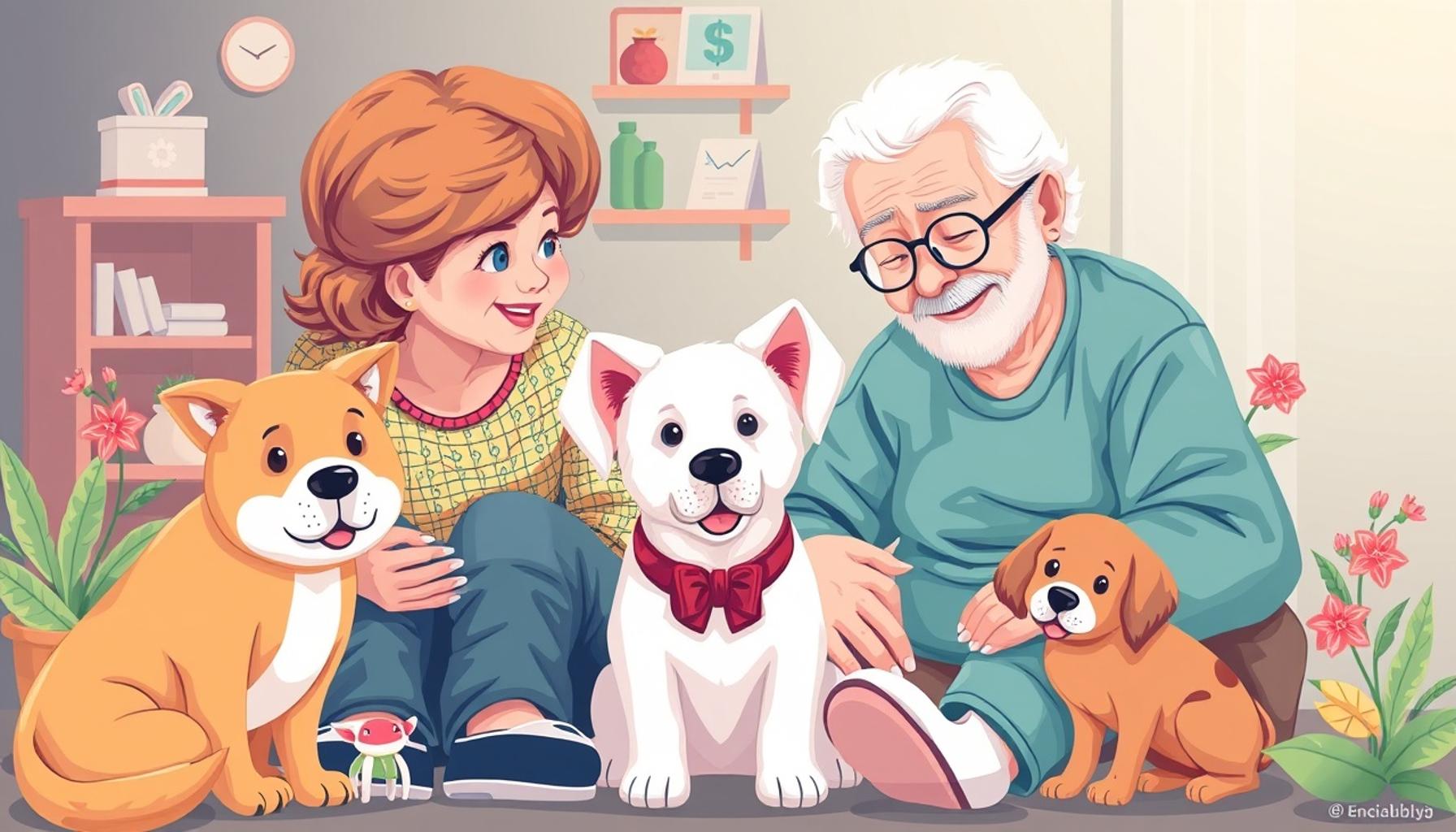
The Importance of Tailoring Care for Aging Pets
As pets gracefully age, pet owners encounter various challenges that demand an adaptation in care strategies. Understanding the evolving needs of senior pets is vital to enhancing their overall quality of life. This stage of life prompts critical considerations regarding health, comfort, and companionship, all of which contribute to a fulfilling experience for both pet and owner.
Regular veterinary check-ups are paramount for senior pets. Unlike younger animals, older pets often experience a variety of health conditions that can go unnoticed without professional evaluation. Comprehensive wellness exams, which may include blood work, X-rays, and dental assessments, can catch potential problems early. For example, arthritis can silently cause discomfort; early identification allows for timely intervention that can dramatically improve mobility and quality of life.
Customized nutrition plans are also essential. Senior pets have different dietary needs compared to their younger counterparts. Their metabolism slows down, and they may require diets that are lower in calories but higher in specific nutrients such as omega fatty acids, antioxidants, and fiber. Commercial brands like Hill’s Science Diet have formulated specialized diets tailored to older dogs and cats, emphasizing joint health and cognitive function. Consulting with a veterinarian about nutrition can assist in developing a diet plan that suits an individual pet’s health condition.
Pain management strategies should not be overlooked. As pets age, conditions such as arthritis, hip dysplasia, and dental disease become more prevalent, leading to chronic pain. Medication, physical therapy, and even alternative therapies like acupuncture can offer significant relief. Pet owners should familiarize themselves with signs of discomfort, such as reluctance to move or changes in behavior, ensuring they respond quickly to their pet’s needs.
Moreover, engaging in physical and mental enrichment activities is crucial for senior pets. Mental stimulation can help combat cognitive decline, which is common in older dogs and cats. Puzzles, treat-dispensing toys, and gentle play can keep their minds sharp. Routine activities like leisurely walks, gentle swimming, or even training sessions can bolster physical health while fostering a bond between owner and pet. As demonstrated in various studies, regular exercise can slow the progression of age-related deterioration.
Statistics show that pets are living longer than ever, often exceeding 15 years thanks to advancements in veterinary care and pet diets. This longevity entails a greater responsibility for pet owners to recognize when their furry companions may need additional support. Responsible pet ownership involves not only love and affection but also a keen awareness of the health indicators specific to senior pets.
By employing specialized care practices, owners can ensure their loyal friends enjoy their golden years to the fullest. There are numerous resources available, from veterinary advice to pet-focused websites and communities that offer insights into senior pet care. Embracing an informed approach enables owners to create a nurturing environment that promotes health and happiness for their older companions, ensuring that these cherished members of the family thrive in their twilight years.
Health Monitoring and Preventive Measures for Senior Pets
As our beloved pets age, vigilant health monitoring becomes increasingly significant. Pets are masters at hiding discomfort, and senior animals may not voice their ailments as younger pets might. This makes it essential for pet owners to develop a keen understanding of their furry friends’ normal behaviors and physical conditions. Regular home assessments can include:
- Observing physical changes: Weight fluctuations, coat condition, and changes in appetite can signal health issues.
- Monitoring mobility: Watch for limping, reluctance to jump, or difficulty climbing stairs.
- Behavioral changes: Altered sleeping patterns, increased irritability, or withdrawal from activities can indicate discomfort.
Combining home assessments with veterinary supervision allows pet owners to identify potential health problems early. A routine wellness exam, tailored specifically for senior pets, is typically recommended every six months. During these checks, veterinary professionals focus on age-related concerns such as kidney function, heart health, and early signs of diabetes or cancer.
Preventive care, including vaccinations and parasite control, remains essential even in the advanced years of a pet’s life. The needs may vary, but staying current on vaccinations can prevent illness that might otherwise exacerbate existing health conditions. Flea, tick, and heartworm prevention should also be maintained, as senior pets can be more susceptible to the effects of these parasites.
Another critical component of senior pet care involves oral health, which is often neglected. Periodontal disease is prevalent in older dogs and cats, leading to pain and systemic health issues if left untreated. Regular dental checkups and at-home dental care, such as brushing and dental chews, can mitigate these risks, promoting not just oral health but overall well-being as well.
Moreover, maintaining a perspective on mental well-being is just as important as physical health. Senior pets can experience cognitive dysfunction, akin to Alzheimer’s disease in humans. Symptoms may include disorientation, disrupted sleeping patterns, and altered interactions with family members. Engaging in activities that stimulate the mind, such as puzzle toys or simple training exercises, can help slow cognitive decline and provide enrichment.
Building a comfortable environment is another key aspect of senior pet care. Simple adjustments in the home can make a significant difference. Providing orthopedically supportive bedding, ensuring easy access to food and water, and creating safe spaces where pets can retreat can enhance their comfort and sense of security. Eliminating hazards, like slippery floors or cluttered stairs, can help prevent falls and injuries.
In summary, nurturing senior pets requires a comprehensive approach focused on monitoring health, maintaining preventative measures, and enhancing their living conditions. By investing time and resources into understanding and adapting to the unique needs of aging pets, owners can ensure they enjoy their golden years with dignity and joy, creating a lovely chapter in their lifelong journey together.
| Category | Details |
|---|---|
| Nutrition | Providing tailored diets that support joint health and overall vitality. |
| Veterinary Care | Regular check-ups and preventative care to manage chronic conditions. |
| Mental Stimulation | Engaging activities that promote cognitive health and prevent boredom. |
| Comfort | Creating a safe, warm environment to enhance relaxation and reduce stress. |
In the realm of senior pet care, ensuring the well-being and quality of life for aging pets requires a multifaceted approach. As pets grow older, their nutritional needs change significantly. Providing a well-balanced diet specifically formulated for senior pets is crucial, as it can help manage common health issues such as weight gain and arthritis. Additionally, veterinary care becomes more vital, with regular check-ups and vaccinations that help monitor existing health conditions and identify potential new issues early on.Moreover, mental stimulation is essential in keeping older pets engaged and preventing cognitive decline. Activities such as puzzle toys or scent games can enhance their mental agility and promote a more enriching life. Lastly, ensuring a comfortable living space helps reduce anxiety and stress in senior pets, contributing positively to their overall quality of life. By integrating these elements into your senior pet’s care regimen, pet owners can significantly improve their furry friends’ well-being during their golden years.
Nutrition and Exercise: Pillars of Healthy Aging for Pets
In addition to health monitoring and preventive measures, nutrition and exercise play a crucial role in ensuring the well-being of senior pets. As pets age, their metabolic needs change, requiring a more tailored approach to their dietary intake. It’s essential to work closely with a veterinarian to establish a suitable diet plan that takes into account any chronic health conditions or sensitivities.
Senior pets often benefit from nutrient-dense diets that are lower in calories but higher in essential nutrients, including Omega-3 fatty acids, which can alleviate inflammation and support brain function. Specially formulated senior pet foods are designed to meet these changing nutritional needs while helping to maintain a healthy weight. Avoiding table scraps and food high in sugars or fillers is vital, as excess weight can exacerbate common conditions such as arthritis and diabetes.
Hydration is another critical facet of senior pet care. Older pets may have decreased thirst drive, which can lead to dehydration. Pet owners should ensure fresh water is always available, and consider incorporating wet food into their pet’s diet to increase fluid intake. Monitoring water consumption can provide insight into a pet’s health; a sudden increase or decrease can signal underlying health issues.
Regular exercise is equally important for senior pets, helping to maintain their physical health and mental well-being. Regular walks, gentle playtime, or light indoor exercises can keep joints limber and help prevent obesity. Engaging in daily activities also serves to strengthen the bond between pets and their owners. However, it’s crucial to customize exercise routines according to each pet’s energy levels and physical capabilities. Short, frequent sessions are often more beneficial than prolonged activity, as they reduce the risk of overexertion.
Understanding the Need for Specialized Care
Many senior pets may develop specific health conditions that require specialized care. For example, pets struggling with arthritis may benefit from physical therapy or low-impact exercises tailored to improve mobility. Acupuncture and chiropractic care are also emerging as effective treatments for various ailments, promoting pain relief and enhancing overall physical function.
Furthermore, regularly assessing pets for common geriatric conditions, such as chronic kidney disease or hyperthyroidism, can ensure timely intervention. Many veterinary practices offer geriatric wellness programs, encompassing diagnostics and management strategies that help aging pets maintain a good quality of life.
The Role of Palliative Care
As pets progress into their later years, the concept of palliative care becomes increasingly relevant. This type of care focuses on comfort and quality of life rather than curative treatment. Palliative care can include pain management, dietary modifications, and emotional support, ensuring that pets spend their twilight years free from discomfort.
Pet owners will find it invaluable to have open communication with vets regarding the end-of-life decisions. In-home euthanasia options may provide a peaceful and humane alternative for pets experiencing terminal conditions, allowing them to leave this world surrounded by their loved ones in a stress-free environment.
Staying informed about senior pet care options deeply enhances the bond between pet and owner while ensuring that these cherished companions have access to optimal health and happiness in their twilight years. The journey of caring for aging pets can be as rewarding as it is challenging, enriching the lives of both pets and owners alike.
Conclusion: Nurturing Our Senior Companions
Providing senior pet care is a multifaceted journey that requires attention, understanding, and compassion. As our furry friends age, their needs evolve, emphasizing the importance of a holistic approach encompassing regular veterinary check-ups, specialized nutrition, appropriate exercise, and emotional support. With tailored diets designed to address the unique health concerns that arise in older pets, owners can significantly enhance their pets’ quality of life. Furthermore, hydration and weight management are pivotal in warding off potential health issues, while suitable exercise routines help maintain physical strength and mental stimulation.
Specialized care is essential as well; recognizing when a pet requires additional support can make all the difference in their comfort and mobility. Innovative treatments like physical therapy and acupuncture offer promising alternatives for managing age-related ailments, proving that advanced veterinary care is continually evolving. Additionally, the role of palliative care cannot be overlooked, as it underscores the commitment to prioritizing an animal’s comfort during their final stages of life. Understanding and discussing end-of-life options with a veterinarian is vital, ensuring a dignified, compassionate farewell when that time arrives.
Ultimately, nurturing a senior pet is a rewarding experience that strengthens the cherished bond between owner and companion. By staying informed and proactive in caring for our aging pets, we can offer them a fulfilling life filled with love, comfort, and dignity. As you traverse this journey with your senior pet, remember that each moment spent together is an opportunity to create lasting memories in the years that remain.