Understanding Pet Vaccinations: A Guide to Keeping Your Furry Friends Protected
Understanding Pet Vaccinations
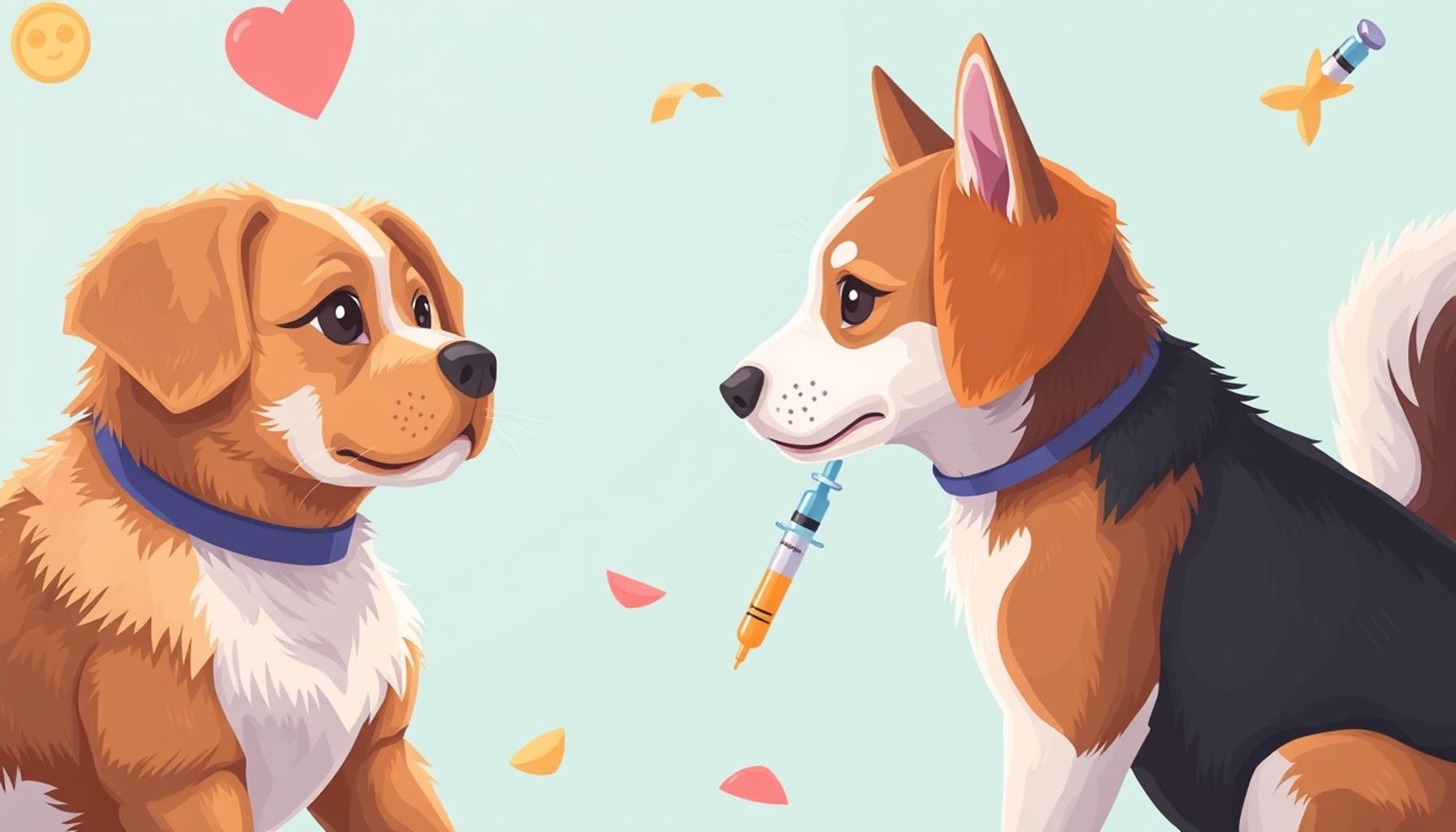
Pet vaccinations are a crucial aspect of responsible pet ownership. They provide your furry friends with the protection they need against a variety of dangerous illnesses. Understanding the importance of vaccinations can significantly impact your pet’s health and well-being. By keeping your pets up-to-date on their vaccinations, you are not only safeguarding their health but also contributing to public health by minimizing the risks of disease transmission between pets and humans.
In the United States, pet vaccinations typically classify into two main categories:
- Core Vaccines: These are essential for all pets, regardless of their lifestyle. For dogs, core vaccines include the canine parvovirus, canine distemper, canine adenovirus (hepatitis), and rabies. For cats, they include the feline panleukopenia, feline viral rhinotracheitis, feline calicivirus, and, of course, rabies. Rabies vaccination is particularly important as it is a zoonotic disease, meaning it can be transmitted to humans.
- Non-Core Vaccines: These are recommended based on your pet’s lifestyle or geographic location. For example, Lyme disease vaccination may be advised for dogs living in tick-infested areas, while Bordetella bronchiseptica vaccination is often recommended for dogs that frequently interact with others in places like kennels or dog parks. Cats may benefit from vaccines against feline leukemia virus or feline immunodeficiency virus, especially if they go outdoors.
- Adult Boosters: Vaccines can diminish in effectiveness over time, which is why regular adult boosters are necessary to maintain immunity levels throughout your pet’s life. These boosters vary depending on the vaccine and your pet’s specific health needs.
Vaccinations not only protect individual pets but also help prevent the spread of diseases within communities. For example, a well-vaccinated population can create herd immunity, making it less likely for diseases to spread. Thus, by ensuring that your pets are vaccinated, you contribute to a healthier environment for both animals and humans.
This guide aims to unravel various aspects of pet vaccinations, including their benefits, common misconceptions, and recommended vaccination schedules. Many people mistakenly believe that vaccines are harmful or unnecessary, yet the risks of vaccination are far outweighed by the benefits they provide. For instance, vaccines can prevent serious illnesses that can lead to costly veterinary bills or even the loss of a beloved pet.
Stay informed, consult with your veterinarian, and keep up with your pet’s vaccination schedule to ensure they enjoy a long, healthy life. Being proactive about your pet’s health means they can thrive and happily accompany you through all the adventures life has to offer.
The Importance of Vaccinations for Your Pets
Vaccinations are not just a routine part of pet care; they are a vital shield against infectious diseases that can pose serious threats to your furry companions. Understanding the science behind pet vaccinations can empower pet owners to make informed decisions regarding their pets’ health. The benefits of vaccinations extend well beyond individual animal protection, significantly impacting public health by reducing the spread of zoonotic diseases.
When vaccines are administered, they introduce a harmless form of the disease to the body, stimulating the immune system to produce antibodies. This process equips the pet’s body with the tools needed to combat the actual disease if exposed in the future. It’s worth noting that the vaccines decline in effectiveness, making booster shots an essential part of maintaining immunity through your pet’s life. The importance of adhering to updated vaccination schedules cannot be understated; regular check-ups with your veterinarian can ensure that your pets are always protected.
Common Diseases Prevented by Vaccinations
Vaccinations protect against a host of life-threatening diseases. Here are some of the most serious conditions that vaccines help prevent:
- Rabies: A fatal virus that affects the central nervous system and poses a severe public health risk, rabies vaccination is typically mandated by law.
- Canine Parvovirus: Highly contagious, this virus can lead to severe gastrointestinal illness and often requires intensive veterinary care.
- Distemper: This viral disease affects a dog’s respiratory, gastrointestinal, and central nervous systems, making vaccination crucial for all dogs.
- Feline Leukemia Virus: Particularly dangerous for cats that venture outdoors, this virus attacks the immune system and can lead to cancer.
- Feline Panleukopenia: Known as feline parvo, this highly contagious illness can be deadly, especially in kittens, and is preventable through vaccination.
Each of these diseases can lead to severe health complications, costly treatments, or even death. By vaccinating your pets, you are taking proactive measures to protect them from these preventable illnesses.
Vaccination Challenges and Misconceptions
Despite extensive research and the overwhelming evidence in support of vaccinations, misconceptions still abound. Some pet owners avoid vaccines for fear of adverse effects. It’s essential to understand that the risk of serious side effects is quite low compared to the potential benefits. Vaccines are subjected to rigorous testing and monitoring to ensure their safety and efficacy.
Additionally, many owners believe that keeping their pets indoors eliminates the need for vaccinations. However, indoor pets can still be susceptible to diseases, especially if there’s any interaction with other animals or outside environments. Engaging in conversations with your veterinarian about your pet’s unique lifestyle can help tailor a vaccination plan that addresses their specific risks.
In the grand scheme of pet healthcare, vaccinations are a cornerstone, offering a simple yet powerful way to enhance your pet’s life and longevity. With the right knowledge and commitment, you can create a protective barrier against various diseases, ensuring your furry friends enjoy long and healthy lives.
Understanding Pet Vaccinations: A Guide to Keeping Your Furry Friends Protected
When it comes to the health of our beloved pets, vaccinations play an essential role in preventing diseases that could pose significant threats. It’s vital for pet owners to educate themselves on the types of vaccinations available and the benefits they provide. Below is a well-structured table highlighting critical advantages of pet vaccinations, ensuring that your furry friends remain healthy and protected.
| Vaccination Type | Key Benefits |
|---|---|
| Core Vaccines | Protects against severe diseases like rabies and distemper, critical for your pet’s longevity. |
| Annual Boosters | Maintains immunity levels, ensuring effective protection over time against disease outbreaks. |
In addition to safeguarding the health of individual pets, vaccinations contribute to the overall wellbeing of the community by preventing the spread of infectious diseases. Herd immunity, which can occur when a significant portion of a pet population is vaccinated, ultimately protects those who cannot be vaccinated for medical reasons. Understanding the schedule and requirements for vaccinations is essential for pet owners. Consult with a veterinarian to tailor a vaccination plan that best fits your pet’s specific needs.
Furthermore, some pet-related establishments, such as dog parks and boarding facilities, often require proof of vaccinations. This not only ensures compliance with health regulations but also adds another layer of protection for your furry friends when they socialize. Overall, keeping your pet’s vaccinations up-to-date is a simple yet incredibly effective way to ensure they live a long, healthy life.
Understanding Vaccine Types and Schedules
To navigate the world of pet vaccinations effectively, it’s essential to understand the different types of vaccines available and the recommended schedules for administration. Vaccines generally fall into two categories: core vaccines and non-core vaccines.
Core vs. Non-Core Vaccines
Core vaccines are those deemed essential for all pets, regardless of their lifestyle or geographic location. For dogs, this typically includes vaccines for rabies, distemper, adenovirus, and parvovirus. Likewise, for cats, core vaccines cover rabies, feline viral rhinotracheitis, calicivirus, and panleukopenia. These vaccines address common and potentially lethal diseases that are prevalent across the country and are therefore recommended by veterinary associations.
Non-core vaccines, on the other hand, are recommended based on specific factors such as the pet’s lifestyle, environment, and geographical location. For instance, if you live in a region where leptospirosis is prevalent, your veterinarian may advise vaccinating against it. Similarly, Bordetella (kennel cough) vaccines may be important for pets that frequently visit boarding facilities or dog parks. Consulting with your veterinarian will help you tailor your pet’s vaccination plan to their individual needs.
Age-Appropriate Vaccination Schedule
Vaccination schedules typically begin in puppy and kitten stages since they are more susceptible to infections. The American Animal Hospital Association (AAHA) recommends starting vaccinations as early as six to eight weeks of age, with multiple booster shots given in a series. By the time your puppy or kitten reaches about 16 weeks, they should be fully protected with the core vaccines.
For adult pets, booster shots are just as crucial for maintaining immunity levels. Depending on the vaccine type, some may require annual boosters, while others might be effective for three years or longer. Your veterinarian will provide a vaccination schedule that aligns with their established guidelines and your pet’s unique health condition.
The Role of Titer Testing
As pet owners seek to strike a balance between sufficient protection and the risks of over-vaccination, many are turning to titer testing as a potential solution. Titer tests measure the presence and strength of antibodies against specific diseases in your pet’s blood, allowing pet parents to assess whether their furry companions still have immunity from previous vaccinations. This can help tailor future vaccination strategies more effectively, reducing unnecessary boosters while ensuring that pets retain adequate disease protection.
While titer testing can be a helpful tool, it is crucial to understand that not all vaccines lend themselves to this form of assessment, and vaccination recommendations may vary based on individual circumstances. Regular consultations with a veterinarian remain essential for maintaining your pet’s vaccination history and health care needs.
Keeping Records and Monitoring Health
Maintaining a comprehensive record of your pet’s vaccination history is vital. This not only helps in keeping track of when booster shots are due but is also important when utilizing boarding services or traveling. Health records serve as proof of vaccinations, ensuring your pet stays safe and compliant with local regulations.
In our ever-evolving understanding of pet healthcare, vaccinations are more than just a series of shots; they represent a proactive approach to safeguarding our furry friends against a range of diseases. As a responsible pet owner, staying informed about vaccination options, schedules, and advancements in veterinary guidance will empower you to ensure your companions lead long, healthy lives.
Conclusion: A Commitment to Health and Safety
Understanding pet vaccinations is essential for every pet owner who desires a healthy and happy life for their furry companions. By familiarizing yourself with core and non-core vaccines, as well as adhering to an appropriate vaccination schedule, you’re not just fulfilling a legal obligation; you are actively participating in a protective measure that can save lives. The importance of booster shots and the potential role of titer testing offer additional layers of assurance regarding your pet’s immunity, tailored to their unique circumstances.
Moreover, by maintaining detailed vaccination records, you ensure that your pet remains protected during travels and in various social settings, complying with regulations and standards put forth by local authorities. This proactive approach underscores the reality that staying informed and engaged in your pet’s healthcare can make a profound difference in their overall well-being.
As veterinary science continues to evolve, so too should our mindset towards pet vaccinations. Engage regularly with your veterinarian to navigate any changes, concerns, or advancements in vaccination protocols. Remember, by prioritizing your pet’s health through education and vigilance, you are safeguarding not only their lifespan but also enriching the quality of their lives. It is a commitment worth making—for our loyal companions truly deserve nothing less.