
Acclimation Behavior: How Pets React to New Environments
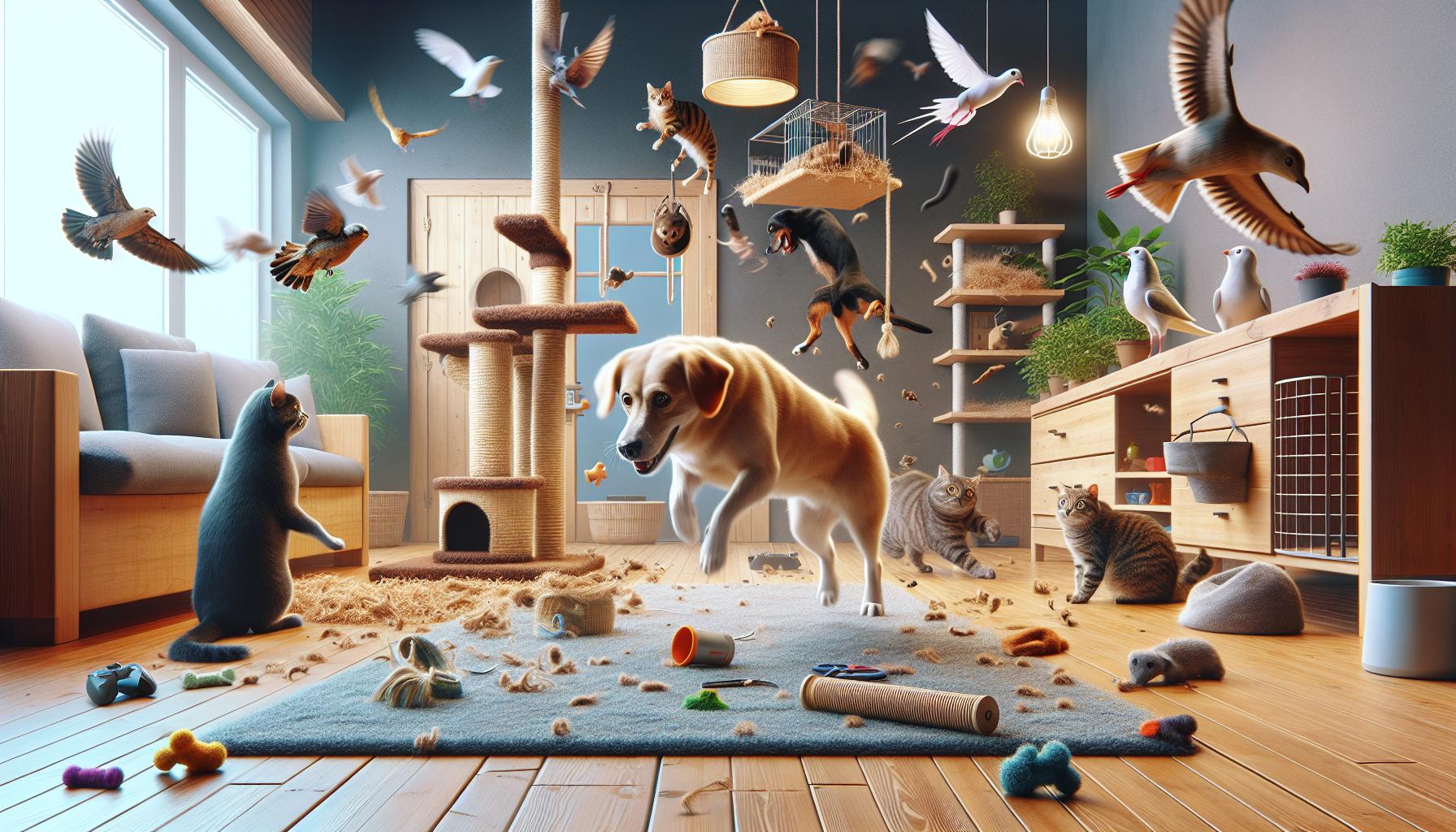
Understanding Pet Acclimation Behavior
When pets transition into new environments, their acclimation behavior can provide profound insights into their internal psychological states. Each pet exhibits unique responses shaped by various elements, including breed characteristics, age, and previous life experiences. For instance, a Labrador Retriever, known for its friendly and social nature, may immediately explore its new home with enthusiasm, while a timid rescue cat may flinch at sudden noises and seek refuge under a couch.
Common behaviors observed during acclimation can vary significantly. Among the most prevalent are:
- Exploration: Some pets, especially those with a curious disposition, will eagerly investigate their new surroundings. They may sniff corners, paw at furniture, or even attempt to navigate their way around the house.
- Hide-and-seek: Conversely, other pets may instinctively look for hiding spots to cope with their anxiety. A new environment can be overwhelming, and retreating to small, confined spaces, such as under the bed or behind furniture, can provide a sense of security.
- Vocalization: A noticeable increase in barking, meowing, or whimpering can indicate stress or excitement. For example, a dog may bark at unfamiliar sounds outside the window, while a cat might vocalize its discomfort with a new litter box.
Recognizing these behaviors is crucial for pet owners. A pet’s reactions often signal their specific needs, such as:
- Gentle encouragement to explore their new environment. Offering treats or toys can motivate pets to venture out of their hideouts.
- A quiet space to retreat, away from the hustle and bustle of the household, which can greatly reduce stress and help them acclimate more comfortably.
- Consistency in routine, including feeding and walking times, can help build a sense of predictability and security, ultimately fostering confidence in your pet.
Understanding your pet’s acclimation behavior not only facilitates a smoother transition into a new home but also reinforces the bond between owner and pet. By being attuned to their emotional and behavioral cues, you can mitigate anxiety and foster a secure environment. Over time, as pets adapt to their new living situations, owners often find increased trust and affection blossoming, enriching both their lives.
As we continue exploring this topic, we will delve into the various factors that impact how our furry companions adapt, including the role of socialization, environment, and individual temperament. These factors are critical to ensuring a healthy acclimation process, making it essential for pet owners to stay informed and proactive in nurturing their pets during these transitions.
DISCOVER MORE: Click here to find out how pets boost your fitness
Factors Influencing Acclimation Behavior
The journey of acclimation not only varies by species but also hinges on several critical factors that play a significant role in shaping how pets react to new environments. Understanding these influences can help pet owners tailor their approach, ensuring a smoother transition for their furry friends. The most notable factors include previous experiences, socialization, and individual temperament.
Previous Experiences
Your pet’s history is a major determinant in its acclimation behavior. Pets that have had multiple homes, or have faced traumatic events, such as abandonment or neglect, often exhibit heightened anxiety when placed in unfamiliar settings. For example, a dog that has previously been in a loud shelter may react with fear to sudden noises in a new home. Conversely, pets that have experienced stable environments may adjust more readily, demonstrating curiosity and a willingness to explore.
Socialization
Socialization is another pivotal factor affecting how pets adapt to new environments. Well-socialized pets, those exposed to a variety of people, animals, and situations during their formative months, are generally more confident and adaptable. A dog accustomed to car rides, for instance, is likely to feel more at ease when entering a new house. In contrast, a pet that has had limited social interaction may struggle, retreating into a shell as a protective mechanism. This is particularly relevant for shelters and rescues, where pets may not have the benefit of a standard socialization period.
Individual Temperament
Each pet comes with its own unique personality, contributing to how they respond to new experiences. Some pets are naturally more adventurous, while others may lean towards caution. For example, a bold and inquisitive puppy may dart around the house, investigating every nook and cranny, while a shy kitten might hide and take longer to emerge. Recognizing these behavior patterns can be crucial for pet owners to provide the appropriate support and encouragement necessary for facilitating acclimation.
Strategies for Facilitating Adaptation
To ease the acclimation process, pet owners can adopt several strategies, including:
- Establishing a Routine: Keeping a consistent schedule for feeding, exercise, and playtime helps pets feel more secure and fosters predictability.
- Creating Safe Spaces: Designate a cozy area filled with familiar items, such as toys or blankets, to give pets a retreat while they adjust.
- Positive Reinforcement: Encouragement through treats or praise when pets show curiosity can motivate them to explore and learn about their new surroundings.
By being proactive and sensitive to these factors, pet owners can play a pivotal role in minimizing stress and promoting a healthy acclimation process. In doing so, they not only help their pets adjust more effectively but also strengthen the trust and bond that develops between them.
Understanding Acclimation Behavior in Pets
Acclimation behavior in pets is a fascinating and crucial aspect of their psychology. When pets encounter new environments, they exhibit various reactions, influenced by their previous experiences, temperament, and breed characteristics. Initially, pets may display signs of curiosity and excitement; however, this can quickly shift to anxiety or fear, particularly in situations involving significant changes, such as moving to a new home or traveling. Understanding these behaviors provides valuable insights to pet owners on how to assist their companions during these transitions.
Signs of Stress in Pets
Recognizing the signs of stress is vital for helping pets acclimate. Common indicators include excessive barking, hiding, reluctance to explore, or changes in eating and sleeping habits. For example, a dog may shy away from exploring a new yard, while a cat might hide under furniture when introduced to a new space. These behaviors signal that the pet is overwhelmed and requires a gentle approach to help them feel secure.
Techniques for Easing Transition
To facilitate a smoother transition for pets, consider implementing strategies like creating a safe space in the new environment, utilizing familiar items like bedding or toys, and gradually introducing them to new sights, sounds, and smells. It’s also beneficial to maintain a consistent routine, as this can significantly reduce anxiety levels and foster a sense of security. Engaging in positive reinforcement techniques can also promote exploration and comfort in their new surroundings.
Researching Acclimation Techniques
Owners are encouraged to research acclimation techniques specific to their pet’s species and breed. For instance, the acclimation methods for a dog may differ greatly from those suitable for a cat or a small animal like a rabbit. Understanding these nuances can not only ease the adjustment period but also improve the overall well-being of pets as they navigate their new environments.
| Category | Key Features |
|---|---|
| Behavioral Signs | Increased bark, hiding, or reluctance to explore |
| Stress Management | Safe spaces, familiar items, consistent routines |
Understanding and addressing acclimation behavior will ensure that pets not only survive but thrive in their new environments. Observing their needs and responding appropriately can lead to healthier, happier pets who feel at home, regardless of where they are.
DIVE DEEPER: Click here to discover how pets can enhance your well-being
The Impact of Environment on Acclimation
While individual factors such as previous experiences, socialization, and temperament play a crucial role in acclimation behavior, the characteristics of the new environment itself can significantly influence how pets adapt. Elements like space layout, noise levels, and presence of other animals can either facilitate a smooth transition or add layers of complexity to a pet’s experience.
Space Layout
The physical arrangement of a new home can profoundly affect a pet’s ability to adapt. Open and well-lit spaces tend to be less intimidating for pets as they can see their surroundings clearly. Conversely, cramped or cluttered environments might elicit feelings of confinement, leading to stress and anxiety. For instance, a cat may feel more secure in a room with various hiding spots like boxes or furniture to retreat to, while dogs typically prefer an area to roam freely. To enhance acclimation, pet owners should consider creating a pet-friendly layout, ensuring there are designated areas for rest, play, and exploration that cater to their pet’s needs.
Noise Levels
Noise is another significant environmental factor affecting acclimation. Sudden or loud sounds—such as traffic, construction, or even fireworks—can induce anxiety in pets, especially those with a history of experiencing noise-related stress. Research indicates that many pets, particularly dogs, are sensitive to high-decibel sounds that can heighten their anxiety levels. It is advisable for pet owners to gradually acclimate their pets to these noises. This can be done by introducing soft background sounds, such as calming music or white noise machines, which can help to mask unsettling sounds and create a soothing environment.
Presence of Other Animals
When pets are introduced into a household with existing animals, the dynamics can significantly impact their acclimation experience. The introduction process should be managed carefully to reduce territorial behavior and ensure a peaceful coexistence. For example, a new dog may be intimidated by an assertive resident cat, leading to conflict rather than harmony. To promote a successful introduction, pet owners should use gradual exposure techniques, allowing each animal to become familiar with the scent and presence of the other before face-to-face meetings. It is beneficial to supervise initial interactions to mitigate any signs of aggression or anxiety and to offer rewards for positive behavior.
The Role of Routine in Adjustment
Another crucial aspect of acclimation behavior is the establishment of a daily routine. Pets thrive on predictability, which provides them with a sense of control in their new surroundings. Regular feeding times, consistent potty breaks, and scheduled playtime not only build confidence but also help pets feel secure. Studies suggest that animals with structured routines display lower stress levels and adapt more quickly to environmental changes. Implementing a routine can create a stable foundation for both new and existing pets, easing the transitional period as they navigate their new living situation.
By understanding how environmental factors such as layout, noise, and social dynamics impact pets’ acclimating behaviors, pet owners can take proactive measures. Creating a supportive and accommodating environment enhances their pets’ ability to adjust, leading to a more stable and happy life in their new home.
DISCOVER MORE: Click here to learn how pets boost your physical wellness
Conclusion
In exploring acclimation behavior, it becomes clear that pets are sensitive creatures whose ability to adapt to new environments is shaped by multifaceted factors. From space layout that encourages exploration and security to the noise levels that can introduce stress, understanding these elements is essential for pet owners aiming to facilitate a smoother transition for their furry companions. Additionally, the presence of other animals presents unique challenges; judicious introductions can promote harmony instead of rivalry. Establishing a consistent daily routine is another crucial piece of the puzzle, as it helps pets regain a sense of stability amidst change.
Recognizing that each pet is an individual with distinct personalities and histories can also deepen our understanding of their acclimation process. For example, a rescue dog may take longer to adjust than a well-socialized puppy, underlining the importance of patience and empathy in these situations. Therefore, pet owners must remain attentive to their pets’ needs, being proactive in creating environments that both soothe and engage.
Ultimately, the journey of acclimation is an opportunity to strengthen the bond between humans and their pets. By being informed and sensitive to these factors, pet owners can ensure that their companions are not just relocated but genuinely welcomed into a new home. As our understanding of pet behaviors continues to evolve, so too does our ability to nurture happier and healthier lives for our beloved animals.