
Behavior and training of rescued dogs: socialization techniques for harmonious family coexistence
Understanding the Unique Challenges of Rescued Dogs
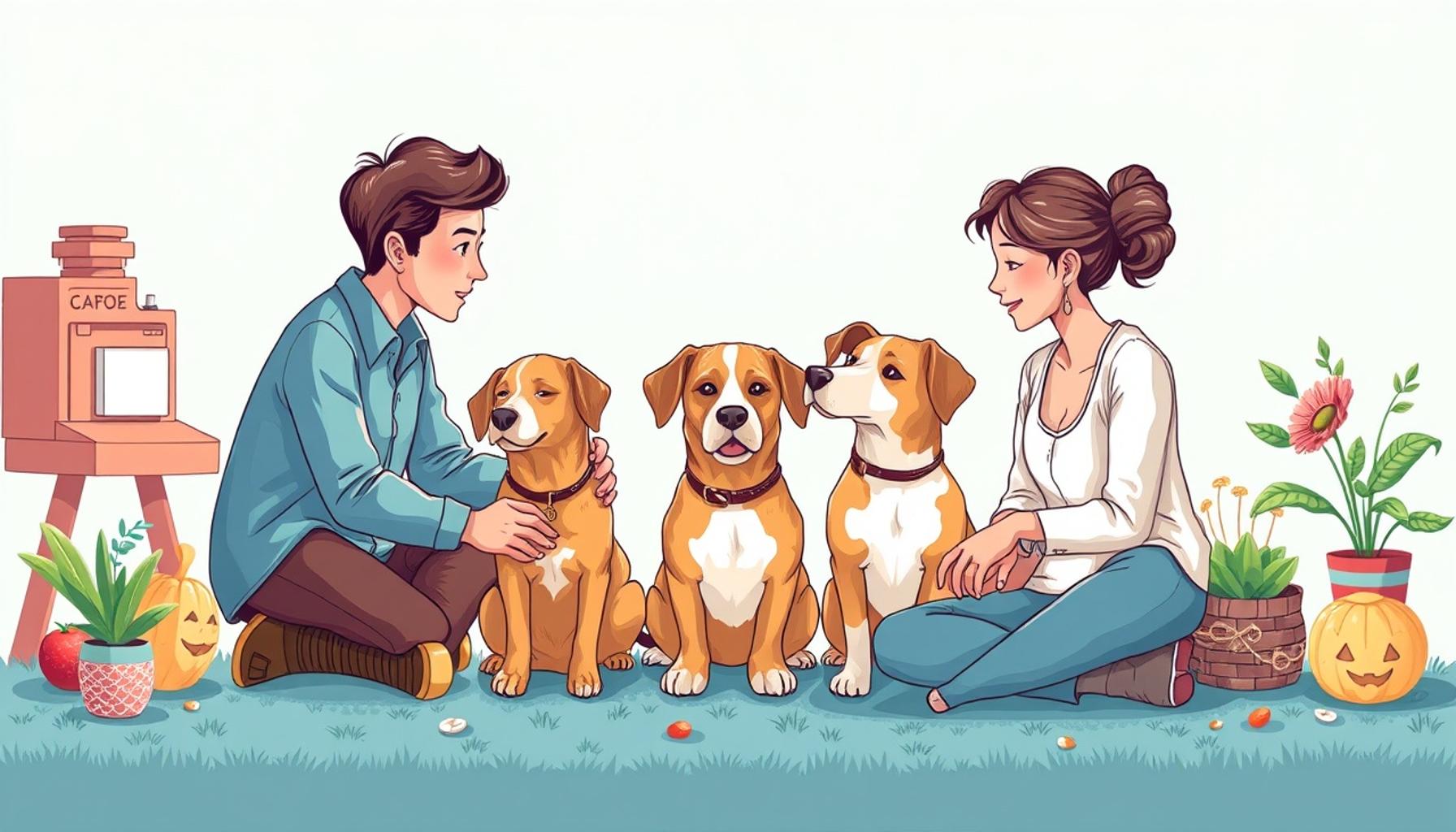
Adopting a rescued dog can be one of the most rewarding experiences. Yet, it also comes with its set of challenges, particularly when it comes to behavior and training. Many rescued dogs have a history of trauma, often stemming from neglect, abuse, or abandonment, which can significantly impact their ability to interact socially and adapt to new environments. These past experiences can lead to various behavioral issues that require patience and understanding from their new owners.
Socialization is crucial for integrating a rescued dog into your family. It ensures they adapt to their new environment and fosters a strong bond between pet and owner. Proper socialization helps dogs learn how to behave in different situations, especially in homes with children or other pets. To achieve this, it is essential to employ proven techniques that focus on:
- Building Trust: Establish a safe space where your dog feels secure. Create a designated area in your home filled with familiar toys, blankets, and your scent. This can be a crate or a quiet room where the dog can retreat when feeling overwhelmed.
- Positive Reinforcement: Use treats and praise to encourage desired behaviors. For instance, when your dog behaves well during a walk or approaches a new person calmly, reward them immediately. This will help them associate positive experiences with new situations.
- Gradual Exposure: Introduce your dog to new experiences, people, and pets slowly. Start with a single person or a calm dog in a controlled setting before moving on to more complex interactions. This step-by-step approach can reduce anxiety and build confidence.
Why Socialization Matters
Proper socialization is not merely a nicety; it’s essential for preventing damaging behavioral issues that can arise from a lack of exposure or traumatic past experiences. These issues can include:
- Aggression towards strangers or other pets: A dog that hasn’t been socialized may react aggressively out of fear. For example, your rescued dog might bark and lunge at other dogs during walks if they haven’t had positive experiences with them before.
- Separation anxiety when left alone: Many rescued dogs bond closely with their new families, which can lead to anxiety when they are left alone. Understanding this behavior can help you devise strategies to help your dog cope, such as gradual desensitization to being alone.
- Fearful responses to new situations: A lack of socialization can cause dogs to be overly fearful of noises, strangers, or changes in their environment. For instance, a rescued dog might cower at the sound of thunder or refuse to approach new people, affecting their overall quality of life.
Utilizing effective socialization techniques not only improves your dog’s behavior but also contributes to a more harmonious household. The journey of transforming a rescued dog’s demeanor can be incredibly fulfilling, often revealing their unique personalities over time. As you dive deeper into this topic, you will discover various strategies tailored for unique situations, ensuring your rescued dog thrives in their new home. Remember, patience and consistency are key, and every small victory in socialization is a step toward a happier, more confident companion.
Implementing Effective Socialization Techniques
Integrating a rescued dog into your family involves more than just providing a loving home; it requires a strategic approach to behavior and training. Socialization techniques are vital in helping dogs adjust to their new lives and ensuring they interact positively with their families and the world around them. As you embark on this rewarding journey, consider these critical techniques that have been shown to improve the behavior of rescued dogs.
Positive Engagement
One of the most effective methods of socialization is to foster positive engagement with various stimuli, including people, sounds, and other animals. This can be achieved by incorporating structured play sessions into your daily routine. Here are some ways to enhance positive engagement:
- Playdates: Arrange for well-socialized dogs to visit your home. Observing positive interactions can help your rescued dog learn appropriate social behaviors and reduce anxiety in the presence of other dogs.
- Neighborhood Walks: Take your dog on walks around your neighborhood during quieter times. Exposing them to new sights and sounds gradually can help alleviate fear and build confidence.
- Training Classes: Enroll your rescued dog in basic obedience classes tailored for dogs with prior trauma. These classes provide supervised environments where dogs can learn alongside their peers, promoting social skills and bonding with their owner through teamwork.
Creating a Routine
Establishing a consistent daily routine is essential for rescued dogs. A predictable schedule helps minimize anxiety and provides a safety net, allowing them to thrive. Here are some key components to include:
- Feeding Times: Regular feeding schedules create structure and stability. Avoid leaving food out all day, as it can lead to overeating or food aggression.
- Exercise: Sufficient physical activity is crucial for any dog. Aim for a minimum of 30 minutes of exercise daily, which promotes mental stimulation and reduces behavioral problems stemming from boredom.
- Training Sessions: Short but frequent training sessions throughout the day reinforce good behavior. Techniques like clicker training can be particularly effective, rewarding your dog immediately for positive actions and thus strengthening their learning process.
Observation and Adjustment
Each rescued dog is unique, and as you implement these techniques, observation is key. Pay attention to your dog’s reactions and adjust your approach accordingly. For example, if your dog exhibits discomfort during socialization, it may be necessary to take a step back and reassess the pace at which you are introducing them to new experiences.
Additionally, seeking the advice of professionals such as dog trainers specializing in rescue dog behaviors can offer further insights into crafting a tailored training plan. These experts often have invaluable experience in understanding the nuances of socialization and behavior modification.
Incorporating these socialization techniques can lead to long-lasting changes in your rescued dog’s behavior, paving the way for a harmonious family environment. The journey may be challenging at times, but through patience and dedication, the rewards of a well-adjusted and happy dog are immeasurable. As you move forward, remember, each step taken is a significant stride towards a fulfilled life for both you and your new companion.
| Socialization Techniques | Benefits |
|---|---|
| Positive Reinforcement | Promotes trust and a strong bond between the dog and owner. |
| Exposure to Varied Environments | Helps the dog adapt and remain calm in different situations. |
| Controlled Interactions with Other Dogs | Encourages proper dog etiquette and reduces anxiety. |
| Engaging in Group Classes | Strengthens social skills while ensuring a safe learning environment. |
Effective socialization techniques are fundamental in helping rescued dogs adjust to their new lives. Positive reinforcement is a highly effective strategy, wherein dogs are rewarded for good behavior. This not only nurtures trust but is crucial for establishing a strong bond with their new family. Additionally, exposing rescued dogs to varied environments is essential for helping them acclimate. This exposure can dramatically decrease any signs of anxiety, allowing dogs to experience the world around them with confidence.Controlled interactions with other dogs play an important role in socialization. These encounters allow rescued dogs to learn appropriate behavior and improve their communication skills, ultimately leading to a more harmonious existence with peers. Moreover, engaging in group classes not only enriches the dog’s learning experience but offers a structured setting where they can practice their social skills under professional guidance.The journey toward a well-adjusted pet can be rewarding, contributing significantly to a harmonious family dynamic while ensuring that the dog thrives in its new home.
Building Trust and Emotional Connection
Developing a strong bond with your rescued dog is pivotal for successful socialization and behavior training. This relationship is built on trust, patience, and communication. Understanding a dog’s emotional landscape can significantly influence their responsiveness to training and socialization techniques. Here are a few strategies to enhance this connection:
Understanding Body Language
Dogs communicate primarily through body language, and as a caregiver, tuning into these signals can dramatically improve your training outcomes. Observe your dog’s posture, tail position, and facial expressions. For instance, a wagging tail can indicate excitement, while a tucked tail may signify fear. Recognizing these cues can help you tailor interactions that foster trust. To reinforce positive encounters, reward your dog with treats or praise when they display relaxed body language, such as a loose stance or soft eyes.
Gradual Desensitization
Another essential technique for building trust is gradual desensitization. If your dog exhibits fear or anxiety towards specific situations, slowly exposing them to these triggers can ease their discomfort. Start by introducing the feared element at a distance that feels safe for your dog. Gradually decrease this distance while rewarding calm behavior. For example, if your dog is afraid of loud noises, begin with low-volume recordings, rewarding them for staying relaxed. Over time, their fear response can be diminished, paving the way for more adventurous outings.
Using Consistent Commands
Consistency in training commands establishes clarity and predictability, which is crucial for rescued dogs who may have experienced uncertainty in their past lives. Choose simple, clear commands like “sit,” “stay,” and “come,” and ensure that everyone in your household uses the same language and signals to avoid confusing the dog. Reinforce these commands through positive reinforcement, utilizing treats or play as incentives. This strategy not only encourages desired behaviors but also reinforces the bond between the dog and the family, empowering the dog to respond confidently.
Incorporating Enrichment Activities
Engaging your rescued dog mentally and physically through enrichment activities can play a significant role in improving behavior. Enrichment techniques such as puzzle toys, scent games, and interactive feeding can provide mental stimulation, curtailing boredom and destructive behaviors. Spend time teaching your dog new tricks, as this not only stimulates their mind but also deepens your emotional connection. Such activities can drastically lessen anxiety levels, resulting in a more relaxed and happy dog.
Family Involvement
For a harmonious cohabitation, involve all family members in the dog’s training and socialization process. By having consistent rules and training methods, everyone can contribute to building a stable environment for your rescued dog. Children can participate by learning how to properly approach and interact with the pet, reinforcing gentle handling and respect for the dog’s space. Teaching them the fundamentals of canine body language creates a safer atmosphere and fosters appreciation for animal well-being.
As you formulate a routine of trust-building exercises, remember that the journey of integrating a rescued dog into your family is ongoing. Each interaction is an opportunity to reinforce both training and mutual respect. By cultivating a nurturing environment and employing these strategies, you illuminate the path to a loving companionship that will surpass all challenges.
Conclusion
Successfully integrating a rescued dog into your family is a rewarding journey that requires commitment, understanding, and a variety of effective techniques. Behavior and training go hand in hand, and utilizing the right socialization practices is crucial to fostering a harmonious environment. From understanding canine body language to implementing gradual desensitization methods, each strategy contributes to building a trusting relationship that allows your new pet to thrive.
Family involvement significantly enhances this process. By ensuring that all family members are aligned in their approach to training and handling the dog, you create a stable atmosphere that empowers your pet to feel secure and confident. Moreover, incorporating enrichment activities not only stimulates their minds but also reinforces the emotional bond you share. A well-socialized dog can lead to a more enjoyable family experience, as they can interact safely and joyfully with both humans and other pets.
As you navigate the complexities of rescuing a dog, remember that each dog comes with its history, and patience is key. Celebrate the small victories, and be prepared for setbacks along the way. The rewards of forging a lasting connection with a rescued dog far outweigh the challenges. As you develop mutual respect and understanding, you’ll discover that a loving, harmonious coexistence is not just possible but truly enriching for everyone involved.
To continue this journey successfully, consider exploring additional resources, local training classes, or consulting with professionals who specialize in dog behavior. Engaging in a community focused on rescued animals can provide further support and insights. Your dedication to your new companion can change their world and yours for the better—putting you on the path to a joyful partnership filled with love, trust, and adventure.