
How Dog Body Language Can Improve Communication Between Pets and Their Owners
Decoding Canine Behavior
The bond between dogs and their owners is deep-rooted, built on a foundation that goes beyond playful barks and enthusiastic tail wags. It relies heavily on a complex language of body signals that significantly enriches human-canine interactions. Understanding these signals can transform potential misunderstandings into meaningful conversations, ultimately leading to a robust relationship between you and your furry friend.
Key Signals in Canine Communication
To decode the nuances of canine communication, consider the following key indicators of your dog’s mood and intentions:
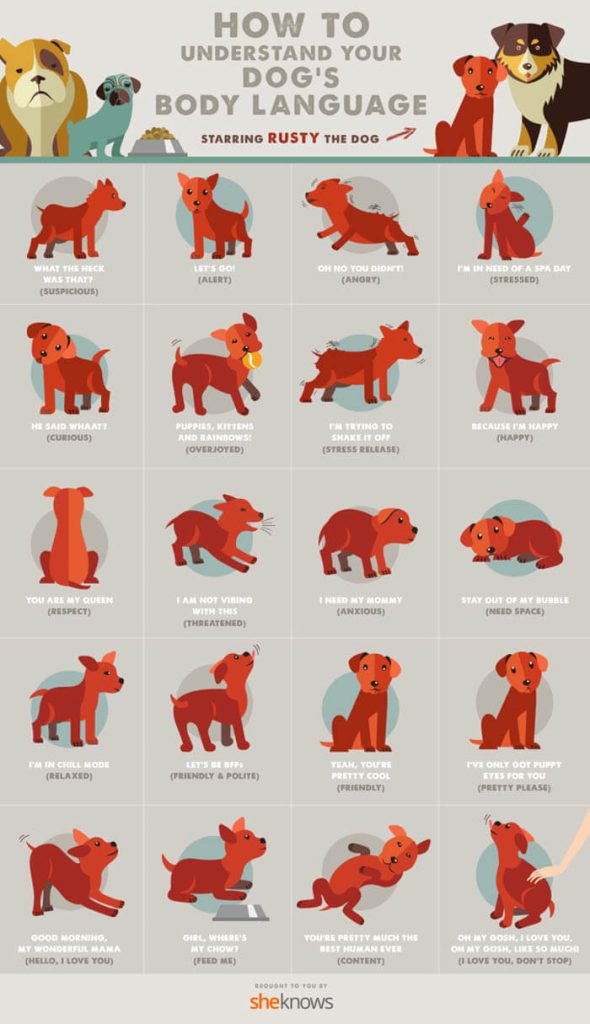
- Ears Up vs. Ears Down: The position of a dog’s ears can indicate their emotional state. Ears that are perked up generally signal curiosity or excitement about something in their environment, while ears that flop down might suggest submission, fear, or relaxation.
- Tail Wagging: Not all tail wags are created equal. A steep, vigorous wag often indicates happiness or eagerness, while a slow wag can signify uncertainty or caution. In contrast, a stiffly held tail that wags slowly could indicate a dog on high alert or even feeling threatened.
- Body Posture: The way a dog holds its body speaks volumes. A relaxed posture, with a stretched-out body and loose tail, shows comfort and readiness for interaction. Conversely, a tense posture with a rigid body might suggest anxiety, fear, or aggression, warranting careful observation from the owner.
The Benefits of Understanding Canine Body Language
By tuning into your dog’s unique body language, owners can:
- Recognize Emotions: Improved awareness helps identify whether a dog is happy, fearful, anxious, or aggressive, facilitating timely and appropriate responses from the owner.
- Enhance Training: Understanding your dog’s signals fosters a more effective training experience. Positive reinforcement becomes more impactful when owners recognize signs of confusion, enthusiasm, or frustration, allowing for adjustments that cater to their dog’s needs.
- Strengthen Trust: Developing a deeper understanding of your dog’s signals creates a secure environment, enhancing trust. A dog that feels understood is more likely to respond positively to commands and engage in activities willingly.
As the awareness of canine body language grows, so does the need to interpret each signal accurately. Embracing this canine vocabulary can pave the way towards a fulfilling and trusting relationship with your pet. By observing their behavior, dog owners can unlock a wealth of information that can lead to a more rewarding partnership with their four-legged friends.
For those eager to explore this further, resources such as dog training classes, behavior books, and expert videos offer insights into recognizing and interpreting dog body language. Happy observing!
Understanding Behavioral Context
To fully appreciate the intricacies of canine body language, it is essential to recognize that context matters. A dog’s body signals may vary significantly based on the situation, the environment, or even the presence of other animals or people. The ability to interpret these signals within their specific context can dramatically enhance communication between pets and their owners. Here are some factors to consider:
- Environment: Dogs may act differently at home compared to parks or training classes. For instance, a dog that displays playful body language at the park, like bouncing and bowing, might exhibit caution when encountering new experiences in a different place. Understanding these environmental influences can guide owners in predicting their dog’s behavior.
- Interactions: How a dog behaves with other dogs versus people can also differ. Dogs often show more relaxed body language around familiar humans but may behave defensively or nervously near unfamiliar dogs. Observing these interactions can provide insight into your dog’s comfort level and readiness for socialization.
- Body Language of Other Dogs: Dogs frequently communicate with each other, and owners who understand these signals can better manage their dog’s interactions. Observing how other dogs react in similar situations can provide a clearer understanding of what to expect from your own dog.
In essence, recognizing the surrounding factors that contribute to your dog’s body language allows for more meaningful interactions. This comprehension can make a significant difference in training, safety, and overall enjoyment of the pet-owner relationship.
Integrating Body Language into Daily Life
To leverage dog body language for improved communication, owners can implement a few practical strategies:
- Regular Observation: Spend quiet moments simply watching your dog in various environments. Note how their body language shifts based on their surroundings and interactions, which builds a baseline understanding of their behavior.
- Interactive Play: Engage in activities that promote interactions both within and outside of the home. Games like fetch or hide-and-seek can show you how your dog expresses excitement, frustration, or the desire for companionship, deepening your connection.
- Encouraging Feedback: Use body language to communicate with your dog, such as employing soothing gestures to reassure them or enthusiastic movements when they respond positively. This two-way street of communication can reinforce trust and understanding.
By embedding awareness of body language into daily routines, owners can develop a more nuanced relationship with their dogs. This transformative approach not only fosters smoother communication but also nurtures a profound sense of companionship that benefits both pets and their families.
Understanding Dog Body Language
Understanding your dog’s body language is an essential part of enhancing the bond between pets and their owners. Dogs communicate through a variety of physical cues, including posture, tail position, and facial expressions. Recognizing these signals can lead to more effective communication and a deeper understanding of your pet’s needs and emotions.One of the fundamental aspects of dog communication is tail wagging. Contrary to popular belief, not all tail wags signify happiness. A dog’s posture, in conjunction with the motion of its tail, can convey numerous emotions such as excitement, anxiety, or aggression. For instance, a high, fast wagging tail can indicate excitement, while a low wagging tail might signify submission or fear. By paying attention to these details, owners can better respond to their dog’s feelings and adjust their interactions accordingly.Similarly, ear position plays a significant role in interpreting a dog’s feelings. Ears pinned back against the head often indicate fear or submission, while ears perked up may reflect curiosity or excitement. Understanding these signals allows owners to create a more comfortable environment for their dog, reducing stress and enhancing trust.In addition to tail and ear movements, overall body posture is critical. A relaxed body indicates a content dog, while a tense body often suggests fear or anxiety. Observing your dog’s physical stance during different interactions can help owners modify their behavior to ensure a positive experience for both. This level of awareness fosters a better relationship, enhancing the emotional connection between the pet and its owner.Encouraging an open dialogue based on understanding body language can also create a safe space for dogs to express their emotions. This process reduces miscommunication, leading to fewer behavioral issues and a more fulfilling companionship. Engaging with your dog on this deeper level not only strengthens the bond you have but also establishes a more harmonious living environment. The nuances of dog body language are rich with valuable insights, inviting pet owners to delve deeper into the fascinating world of canine communication.
| Category | Key Features |
|---|---|
| Tail Wagging | Indicates various emotions—excitement, anxiety, or aggression. |
| Ear Position | Reflects curiosity, fear, or submission, affecting communication dynamics. |
Understanding these fundamentals can significantly improve the quality of life for both pets and their owners, ultimately leading to a more enriched and fulfilling partnership.
Deciphering Common Dog Signals
Understanding dog body language also involves recognizing specific signals that can indicate a dog’s emotional state. A few common behaviors can reveal a wealth of information about how your dog is feeling. By learning to recognize these signals, owners can improve the effectiveness of their communication with their pets.
- Tail Wagging: While many people associate tail wagging with happiness, the position and speed of the wag matter significantly. A low, slow wag can indicate insecurity or submission, while a high, fast wag can signify excitement or aggression. Learning to “read” the nuances of tail movement can help in assessing your dog’s temperament in various situations.
- <strong-Ears Position: A dog’s ears can communicate more than you may realize. Ears that are perked up and facing forward may suggest alertness or curiosity, whereas ears that are flattened against the head typically indicate fear or submission. By observing ear positioning, owners can gauge their dog’s emotional state and respond accordingly.
- Facial Expressions: Dogs are master communicators through their facial expressions. A relaxed dog may have a soft, open mouth and bright eyes, while a growling dog will often exhibit a stiff face with close-set eyes and exposed teeth. Learning these subtle facial cues can empower owners to interact at the right moment, preventing situations from escalating.
The above signals are just a glimpse into the deep and rich language that dogs use to communicate. By familiarizing oneself with these behaviors, owners can develop a stronger intuition for their pet’s needs and emotions.
Addressing Miscommunication and Behavioral Issues
Misinterpretations of body language can sometimes result in behavioral issues. A dog that feels misunderstood or mismanaged due to a lack of understanding of its signals may demonstrate signs of stress or aggression. Here are some examples of how to address potential miscommunication:
- Read Signals Early: If a dog shows signs of anxiety, such as pacing or yawning frequently, it’s crucial to recognize these behaviors before they escalate. Offering a calming environment or distraction can help alleviate their stress, fostering a stronger bond through understanding and attention.
- Correct Misinterpretations: For instance, if a dog that’s excitedly jumping up is met with frustration from their owner, the message may become mixed. Instead, recognizing that jumping can be a sign of eagerness and teaching alternative behaviors, such as sitting, can facilitate clearer communication.
- Professional Insight: When in doubt, collaborating with a professional dog trainer or animal behaviorist can help decode complex body language. They offer invaluable insights into common misunderstandings and practical strategies to improve communication, creating a harmonious relationship between pets and their owners.
By honing in on canine signals and addressing potential misunderstandings, owners enhance their ability to respond appropriately, leading to a more balanced and fulfilling partnership with their dogs. This effort not only builds trust but contributes to the overall mental and emotional health of the pet, further strengthening the owner-pet relationship.
Enhancing The Human-Dog Bond Through Body Language
In conclusion, understanding dog body language serves as a crucial tool for improving communication between pets and their owners. As we have explored, recognizing the subtle signals that dogs use to express their emotions—like tail movements, ear positioning, and facial expressions—enables owners to respond more accurately to their pet’s needs. This heightened awareness not only aids in preventing misunderstanding but also fosters a deeper emotional connection between dog and owner.
Miscommunication can lead to significant behavioral issues, yet by addressing potential signals of anxiety or excitement with care, owners can create a more harmonious environment. Moreover, collaborating with professionals can provide additional insights and strategies, solidifying the understanding of canine body language in various contexts. This proactive approach helps mitigate conflicts, builds mutual trust, and ultimately contributes to a healthier, balanced relationship.
As we continue to learn about the rich emotional lives of our canine companions, embracing their body language can truly transform our interactions. The more we commit to recognizing and interpreting these signals, the more fulfilling our partnership with our dogs will become. By exploring this fascinating world of canine communication, pet owners are not just training their dogs; they are cultivating companionship that is enriching for both themselves and their furry friends.