How to Create a Safe and Stimulating Environment for Pets

Understanding Your Pet’s Environment
Creating an ideal space for your furry friends goes beyond mere aesthetics; it involves a thoughtful approach to safety and stimulation. A safe and stimulating environment ensures that your pets thrive, promoting their mental and physical well-being. Just as human beings benefit from organized and inviting spaces, pets also require environments that enrich their experiences and cater to their instincts.
Essential Aspects of a Pet-Friendly Home
When designing a home that supports your pet’s needs, several essential aspects must be considered to enrich their life and ensure safety. Here are some crucial elements that play a significant role:
- Safe Spaces: Identify areas where your pets can explore without hazards. This could mean creating a designated playpen for smaller animals like rabbits and guinea pigs, or securing your backyard with sturdy fences to prevent escapes and encounters with wild animals. Additionally, removing sharp objects, choking hazards, and toxic chemicals from their reach can create a safer environment for curious paws and noses.
- Interactive Toys: Stimulating toys can prevent boredom and encourage activity. Consider toys that engage pets both physically and mentally, such as puzzle feeders for dogs that require them to think critically to access food. For cats, toys that mimic prey-like movements can trigger their hunting instincts, helping them to exercise and stave off obesity—a common issue among house pets.
- Safe Plants: Be mindful of indoor greenery that might be toxic to pets. While many plants are safe, others can pose severe health risks. Common plants such as lilies, philodendrons, and azaleas are toxic to cats and dogs. Instead, opt for pet-friendly options like spider plants, Boston ferns, or non-toxic herbs like basil and parsley, which can also add freshness to your home.
Tailoring Your Space to Pet Needs
Every pet has unique needs, making it crucial to create a supportive environment. Understanding your pet’s behavioral cues is vital in determining what might be missing in their daily routine. For instance, if you notice your dog pacing or acting restless, it may signal that they need more exercise or mental challenges. This could be an opportunity to introduce daily walks or training exercises that encourage problem-solving, like agility training.
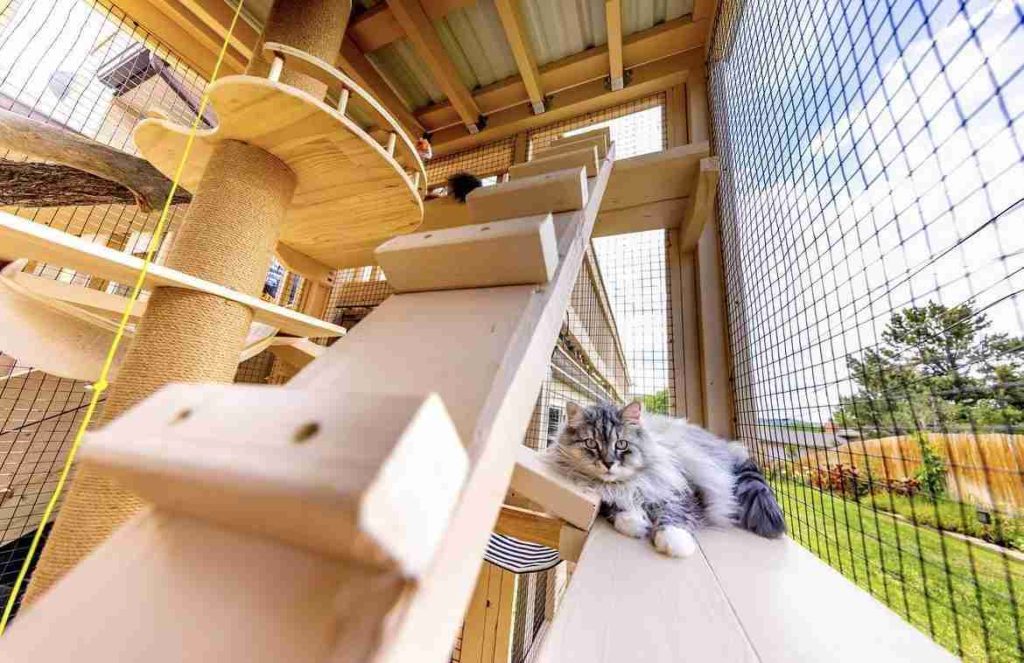
Furthermore, choosing appropriate materials for play areas is essential. In homes with energetic dogs, durable, chew-resistant furniture and easy-to-clean surfaces can save you from future headaches. For feline friends, providing vertical spaces such as cat trees or shelves can satisfy their climbing instincts, helping them feel secure and entertained.
Ultimately, the goal is to create a harmonious living space that enriches the lives of your beloved companions. By considering their safety and engagement, you can transform your home into a sanctuary where both you and your pets can flourish. Let’s embark on a journey to enhance the quality of life for your furry friends, ensuring they remain happy, healthy, and a cherished part of your family.
Creating a Welcoming Atmosphere for Your Pets
When it comes to establishing a home that caters to the needs of your furry family members, understanding how to create a safe and stimulating environment is paramount. Not only does a carefully planned space enhance your pets’ quality of life, but it also fosters their natural behaviors and instincts. From dogs and cats to birds and small mammals, every pet deserves an environment that respects their unique characteristics while ensuring their safety.
Safety First: Pet-Proofing Your Home
The first step in creating a pet-friendly living space is to focus on safety. Pets, especially young and curious ones, tend to explore their surroundings with enthusiasm. Here are some essential tips to help you pet-proof your home effectively:
- Secure Toxic Substances: Keep household cleaners, insecticides, and other hazardous materials locked away or placed high, out of reach. The ASPCA provides an extensive list of toxic substances for pets—be sure to familiarize yourself with it.
- Electrical Hazards: Chewing on cords can lead to serious injury or even death. Utilize cord protectors or hidden routing to keep these areas safe. Additionally, consider investing in protective covers for outlets to prevent curious pets from exploring.
- Window Screens: Ensure all windows are fitted with secure screens. Cats, in particular, are known for their tendency to leap from windowsills, so sturdy screens can prevent disastrous falls.
- Small Objects: Routinely check for small items such as coins, rubber bands, and paperclips that could choke your pet. Designate a specific area for such items to minimize risks.
Encouraging Exploration and Play
Once you’ve established a safe space, the next step involves cultivating an engaging atmosphere to keep your pets entertained and mentally stimulated. A stimulating environment allows pets to channel their energy positively and can prevent destructive behaviors. Here are some strategies worth considering:
- Varied Enrichment Activities: Incorporate a mix of toys that cater to various instincts. For dogs, balls, ropes, and interactive toys can enhance physical activity. Meanwhile, for cats, toys that mimic the motion of small animals can keep their hunting skills sharp.
- Designated Activity Zones: Create specific areas in your home that are tailored for play and exploration. Consider using tunnels, ramps, or designated play mats to encourage physical movement. This not only gives your pet a clear idea of where to play but also keeps other areas free from chaos.
- Outdoor Adventures: If possible, allow your pets to explore safe outdoor spaces. Dogs benefit immensely from regular walks in parks, while cats can enjoy secure backyards or supervised outdoor explorations with harnesses. The sights and smells of nature serve as powerful stimulants for curious pets.
In summary, the journey to creating a safe and stimulating environment for your pets involves a combination of vigilant safety measures and thoughtful enrichment activities. By understanding their needs and habits, you can transform your home into a haven that promotes their well-being, comfort, and joy. Remember, a well-cared-for pet is not just a happy pet—it’s a cherished family member.
Creating Engaging Spaces for Your Pets
One of the most crucial aspects of ensuring a stimulating environment for pets is to incorporate a variety of engaging activities and spaces within your home. This not only enhances their mental well-being but also promotes physical health. Consider designating specific areas for play and exploration. For instance, a vibrant pet corner filled with toys, scratching posts, and climbing towers can act as a mini playground that caters to both cats and dogs.
Furthermore, integrating elements such as interactive puzzles or treat-dispensing toys can keep your pets mentally stimulated. These gadgets challenge pets to think and problem-solve, ensuring they remain engaged during your absence. It’s essential to rotate these toys regularly to maintain their interest, preventing boredom.
Additionally, incorporating nature into your pet’s environment can have a significant impact on their behavior. Consider setting up a small indoor garden or even a fish tank. The sounds and movements of nature can soothe pets, offering both visual and auditory stimulation, which plays a role in their overall happiness.
| Category | Advantages |
|---|---|
| Safe Play Areas | Provide a designated space for safe exploration, reducing the risk of injury. |
| Mental Stimulation | Using interactive toys helps keep pets’ minds sharp and decreases destructive behaviors. |
Overall, crafting an engaging and safe environment is a key priority for pet owners who want to enhance their furry companions’ quality of life. By thoughtfully designing their surroundings, you’ll encourage healthy habits that can lead to longevity and happiness for your pets. Stay vigilant as well; always inspect their environments for any potential hazards, ensuring a safe space for their playful adventures.
Creating Mental Enrichment and Social Interaction
Aside from physical safety and stimulating play areas, engaging your pets mentally and socially is equally crucial to their overall well-being. Pets need a space that encourages their cognitive skills and allows socialization, not only with humans but also with other animals. Here are several ways to foster such an enriching environment:
Incorporating Mental Challenges
Keeping your pets mentally stimulated can help prevent boredom, reduce anxiety, and enhance their problem-solving abilities. Here are some effective methods to introduce mental challenges into your pet’s environment:
- Puzzle Toys: Invest in interactive puzzle toys that require your pet to solve tasks to access treats. Such toys come in various difficulties, ensuring that even the sharpest of minds remain challenged. Dogs may enjoy treat-dispensing toys, while cats often benefit from toys that require them to figure out how to release hidden goodies.
- Training Sessions: Regular training sessions not only reinforce good behavior but also stimulate your pet’s mind. Teaching new tricks, commands, or even agility courses can be an enjoyable form of exercise for both you and your pet, strengthening your bond in the process.
- Homemade Games: Use common household items to create your DIY games. For example, hiding treats around the house can encourage your pet to use their nose and problem-solving skills to find their rewards. The simple act of searching can turn into an exciting scavenger hunt!
Fostering Social Interactions
Socialization is vital for pets to thrive emotionally. Exposure to a variety of people, environments, and other animals can greatly affect their behavior and temperament. Here are a few ways to promote social interactions:
- Playdates: Organize regular playdates with other dogs or pets that you know. This not just provides a safe environment for socialization, but also fulfills their instinctual need for companionship and play. Always supervise these interactions to ensure safety and positive experiences.
- Pet-Friendly Events: Many communities host pet-friendly events such as dog parks, pet cafés, and charity walks. Participating in these events allows your pet to meet new friends, enjoy new experiences, and learn how to interact positively with a variety of animals and people.
- Family Engagement: Encourage all family members to spend time with pets. This not only provides social interaction but also creates consistency in care and routine. Engaging the younger family members in feeding or walking pets can instill a sense of responsibility and deepen the bond between them.
Maintaining a Clean and Healthy Environment
A safe and stimulating home for pets also includes cleanliness and hygiene. A dirty environment can lead to health problems and discomfort for your pets. Here are some essential tips to keep your pet’s space clean:
- Regular Cleaning: Vacuum and wash pet bedding regularly to prevent the buildup of dander, fur, and potential allergens. Consider investing in a high-quality vacuum designed to tackle pet hair.
- Grooming: Regular grooming not only keeps pets looking their best but also helps remove loose hair and dirt. Different breeds have specific grooming needs, so consult a professional groomer if you are unsure about the best practices for your pet’s breed.
- Safe Cleaning Supplies: When cleaning your home, be mindful of products that may be harmful to pets. Look for pet-safe options or consider DIY cleaning agents using natural ingredients like vinegar and baking soda.
Integrating mental enrichment, social interaction, and cleanliness into your pet’s environment creates a holistic approach to their well-being. Remember, the more effort you put into enhancing their home life, the more joy and companionship your pets will bring into yours.
Final Thoughts
Creating a safe and stimulating environment for pets is not just an option; it is essential for their overall well-being. When designing a pet-friendly space, factors such as safety, mental stimulation, social engagement, and cleanliness come into play. For instance, securing hazardous materials, such as cleaning products or sharp objects, can significantly reduce the risk of accidents. Additionally, providing a diverse array of activities encourages exploration, play, and learning, nurturing both physical and mental health.
One effective method to foster cognitive engagement is through the use of interactive toys. Toys that challenge pets, like puzzle feeders or treat-dispensing balls, do more than entertain them; they enhance problem-solving skills and promote independent play. Furthermore, regular training sessions can aid in cognitive development while strengthening the bond between pet and owner. Incorporating various commands or tricks can be a fun way for both parties to engage.
Alongside mental enrichment, promoting social interaction is key to a pet’s happiness. Arranging playdates with other pets or involving family members in care routines can encourage socialization. Socializing not only helps with behavioral issues but also builds lasting relationships with both humans and other animals. This element of companionship is vital, as pets thrive on interaction and seek emotional connections.
Equally important is maintaining a clean and healthy living space. Regular grooming, including brushing and bathing, along with the use of pet-safe cleaning supplies, can prevent various health issues. A clean environment promotes comfort for pets, creating a home where they can feel secure and relaxed.
Moreover, as responsible pet owners, engaging in ongoing education about new activities, local pet-friendly events, and innovative enhancements to our pets’ environments can elevate their happiness and health. This proactive approach cultivates a more enriching lifestyle, ensuring our furry companions experience joy and fulfillment in their lives.
Ultimately, the joy our pets bring into our lives is immeasurable. By dedicating time and resources to crafting a secure and vibrant habitat, we open the door to a happier, healthier existence for our beloved companions. In a world where pets are cherished family members, investing in their well-being is a reflection of our love and commitment.