
How to Maintain the Dental Health of Pets
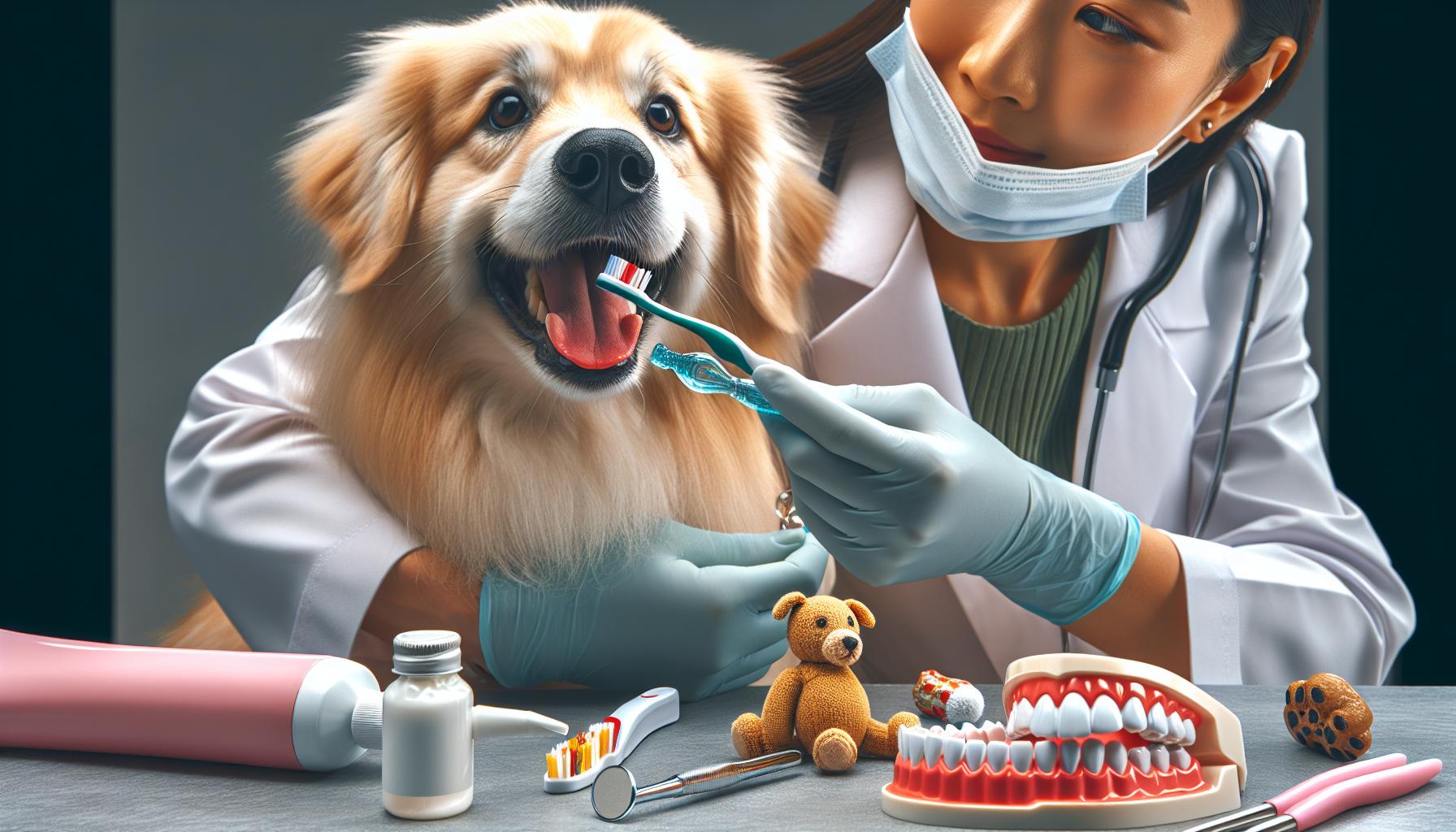
When it comes to ensuring our beloved pets lead healthy lives, one often overlooked aspect is their dental care. The importance of maintaining good dental hygiene in pets cannot be overstated, as it is not just about preventing bad breath or maintaining a nice smile. Just like humans, pets can suffer from various dental issues that may lead to serious health problems if left untreated. Neglecting your furry companion’s oral hygiene can result in pain, infection, and even systemic diseases affecting their vital organs.
Why Dental Health Matters
The implications of poor dental health extend beyond just oral discomfort for pets. The mouth can become a gateway for harmful bacteria that, if infiltrated into the bloodstream, can lead to severe conditions such as endocarditis, a heart infection, or liver and kidney diseases. In fact, studies suggest that 80% of dogs and 70% of cats exhibit signs of oral disease by the tender age of three—time when they are often still lively and full of energy. This alarming statistic highlights how quickly these issues can arise, making it essential for pet owners to prioritize their pets’ dental care.
Moreover, neglecting dental hygiene can lead to costly veterinary treatments that could have been avoided with simple preventive measures. The American Veterinary Dental College indicates that untreated periodontal disease can result in surgery costs that range from $300 to over $1,000. Being proactive about dental health not only saves money in the long run but also significantly enhances your pet’s quality of life.
Key Aspects of Pet Dental Care
To keep your pet’s dental health in tip-top shape, several strategies can be incorporated into their daily routine. Start with regular brushing of your pet’s teeth using pet-safe toothpaste. It is recommended to brush their teeth at least two to three times a week to minimize plaque buildup. However, if your pet is receptive, daily brushing is the gold standard for maintaining oral hygiene.
In addition to at-home care, routine dental check-ups with your veterinarian should be an integral part of your pet’s healthcare regimen. Veterinarians can provide professional dental cleanings and screen for any underlying issues that may not be visible to the untrained eye. Typically, these procedures are recommended annually, but your vet may suggest more frequent visits based on your pet’s dental health.
Lastly, consider giving your pet dental chews and toys that are specifically designed to promote oral health. These products can help reduce plaque and tartar buildup while also satisfying your pet’s natural urge to chew. Common options include dental treats, rawhide bones, and rubber toys that encourage playful chewing while cleaning their teeth.
Understanding the essentials of your pet’s dental hygiene is vital for their happiness and can even extend their lifespan. By adopting these simple methods and developing a consistent oral care routine, you can transform your pet’s dental experience into a proactive preventive measure, ensuring their well-being for years to come. Engage with your pet through their oral care—it’s a small commitment that yields big rewards for their overall health!
DIVE DEEPER: Click here to discover how pets boost physical wellness
Essential Practices for Optimal Pet Dental Care
When it comes to maintaining your pet’s dental health, consistency and awareness are key. By incorporating a few simple yet effective practices into your pet care routine, you can significantly decrease the likelihood of dental issues later on. Below are some essential strategies for ensuring your furry friend’s teeth and gums remain in prime condition:
1. Regular Brushing: A Vital Routine
The most effective way to combat plaque and tartar buildup is through regular brushing. Ideally, you should aim to brush your pet’s teeth at least two to three times a week, though daily brushing is recommended for optimal dental health. Use a toothbrush designed specifically for pets and a dog- or cat-friendly toothpaste, as human toothpaste may contain ingredients that are harmful to animals. Start by allowing your pet to taste the toothpaste to get them comfortable with the new routine, and gradually introduce the toothbrush to their mouth.
2. Professional Dental Cleanings
Schedule annual veterinary visits focused on dental health. During these check-ups, your veterinarian can conduct thorough cleanings and check for any underlying problems that may not be immediately visible. Professional cleanings often include scaling away tartar and polishing teeth, ensuring that your pet’s mouth stays healthy. Depending on your pet’s oral health, your vet may recommend more frequent visits for dental examinations and cleaning.
3. Dental Chews and Treats
Incorporating dental chews and treats into your pet’s diet can be an enjoyable, practical approach to maintaining their oral hygiene. These products are often designed to reduce plaque and tartar through mechanical action while being a tasty reward for your pet. Consider options such as:
- Dental-specific treats: Designed to have a texture that helps scrub away plaque.
- Rawhide bones: Chewing on rawhide can help maintain dental health while keeping your dog occupied.
- Rubber toys: Durable and often designed with nubs to clean teeth as your pet chews.
Be sure to monitor your pet while they are enjoying these dental aids to avoid any choking hazards or digestive issues.
4. Water Additives and Dental Rinses
Look into water additives and dental rinses that can help fight plaque and bad breath. These products can be added to your pet’s drinking water and often contain enzymes that break down bacteria in the mouth. Regular usage can support your pet’s dental hygiene efforts, especially for those pets resistant to brushing.
Incorporating these practices into your daily routine can significantly enhance your pet’s dental health. The combination of at-home care and professional supervision will not only benefit their teeth and gums but also safeguard their overall health, ensuring that they enjoy a happy and active life. Take these steps seriously—your furry friend depends on you to keep their teeth healthy!
Essential Practices for Dental Health
Maintaining the dental health of pets goes beyond the occasional teeth brushing. A holistic approach that includes a variety of practices is essential to keep your furry companion’s smile bright and healthy. Here are some of the key methods to consider:
| Dental Hygiene Activity | Benefits |
|---|---|
| Regular Teeth Brushing | Prevents tartar buildup and eliminates bad breath. |
| Dental Treats and Chews | Promotes chewing action that cleans teeth and massages gums. |
| Routine Veterinary Cleanings | Professionally removes plaque and provides thorough oral examinations. |
| Water Additives | Eases dental care by reducing bacteria and odors in pet’s mouth. |
Incorporating these practices into your pet’s routine ensures a comprehensive approach to oral hygiene. This not only supports their health but also enhances their overall well-being. Consistent attention to your pet’s dental needs can help stave off serious health issues related to poor oral care, emphasizing the importance of proactive dental maintenance. As you educate yourself on proper pet dental care, you contribute to a longer, healthier life for your companion.
Stay tuned to learn about specific diet considerations and their impact on pet dental health!
DISCOVER MORE: Click here to learn how pets boost your health
Advanced Tips and Techniques for Pet Dental Health
While regular brushing, professional cleanings, and dental treats form the backbone of a solid dental care routine for pets, many additional techniques can further bolster your pet’s oral health. By exploring innovative options and being attentive to your pet’s unique needs, you can elevate their dental hygiene to new heights.
5. Diet Considerations for Better Dental Health
What your pet eats greatly influences their dental health. High-quality pet food that is specifically designed for dental health can play a significant role in reducing plaque and promoting healthy gums. Look for formulas with wholesome ingredients that specifically list dental benefits, such as kibbles with a texture that mechanically cleans teeth during chewing. Additionally, you may consider incorporating fresh fruits and vegetables that are safe for pets, such as apples or carrots, as occasional treats. These can help naturally clean your pet’s teeth while providing essential vitamins.
6. Natural Dental Care Options
For pet owners interested in holistic solutions, numerous natural dental care products are available. Some veterinarians recommend using certain herbs known for their antibacterial properties, such as parsley or green tea extract. These ingredients can be found in toothpaste or dental rinses made specifically for pets, and can help to address bad breath and plaque buildup naturally. Before introducing any new product, it’s essential to consult your veterinarian to ensure safety and effectiveness.
7. Early Detection of Dental Problems
Being proactive in observing your pet’s oral health can lead to early detection of potential issues. Regularly examine your pet’s mouth and look for signs such as:
- Red or swollen gums: This could indicate gum disease.
- Bad breath: While some odor is expected, a sudden and strong odor can be a sign of dental issues.
- Loss of appetite: This might occur if your pet is experiencing oral pain.
- Excessive drooling: An increase in drooling can denote dental problems.
If you notice any of these signs, contact your veterinarian for an evaluation. Early intervention can save your pet from discomfort and prevent more serious health complications down the line.
8. The Impact of Age and Breed on Dental Health
It’s essential to recognize that age and breed can significantly impact your pet’s dental health. Certain breeds, such as small dog breeds like Chihuahuas and Dachshunds, are more susceptible to dental disease due to their smaller mouths and overlapping teeth. Older pets may also experience increased dental issues. Tailoring a dental care regimen to fit your pet’s age and breed can lead to better outcomes. Consult with your veterinarian to create an age-appropriate dental health plan that addresses the specific needs of your pet.
9. The Role of Dental Insurance
Considering dental care can be an ongoing expense, investing in pet dental insurance might be worth exploring. Many plans cover routine cleanings, preventative care, and even dental surgeries if necessary. This can alleviate some of the financial burdens associated with maintaining your pet’s dental health, allowing for more extensive preventive and corrective measures.
By expanding your approach to your pet’s dental care, you help ensure a comprehensive program that serves well during both routine care and any unexpected dental issues that may arise. The dedication you show in maintaining your pet’s oral hygiene will reflect in their overall health, happiness, and quality of life.
DISCOVER: Click here to learn how pets boost your active lifestyle
Conclusion
Maintaining the dental health of pets is an essential aspect of their overall well-being, and the strategies outlined in this article can empower pet owners to take a proactive role in their furry friends’ oral hygiene. Regular brushing, professional cleanings, and including dental-friendly diets are fundamental practices that set the foundation for optimal dental health. Furthermore, incorporating natural care options and being vigilant about signs of dental issues can help catch problems early, ensuring a longer, healthier life for your pet.
Recognizing the influence of age and breed on dental health allows pet owners to tailor their approach and choose the most effective care plan. Investing in pet dental insurance can provide peace of mind, making it easier to prioritize oral health without the financial stress associated with unexpected veterinary bills. Ultimately, the commitment to maintaining your pet’s dental hygiene not only reflects in their mouth but significantly impacts their overall health, happiness, and longevity.
As you embark on or continue this journey, remember that knowledge is power. Stay informed about the latest dental care practices and solutions for your pets by consulting with your veterinarian and exploring the diverse array of dental products available. A healthy mouth leads to a happy pet, so make dental care an integral part of your routine. Together, we can ensure that our beloved companions enjoy a lifetime of joyful, tail-wagging moments.