
How to Prepare Your Home for a Rescued Animal: Essential Tips for a Smooth Adjustment
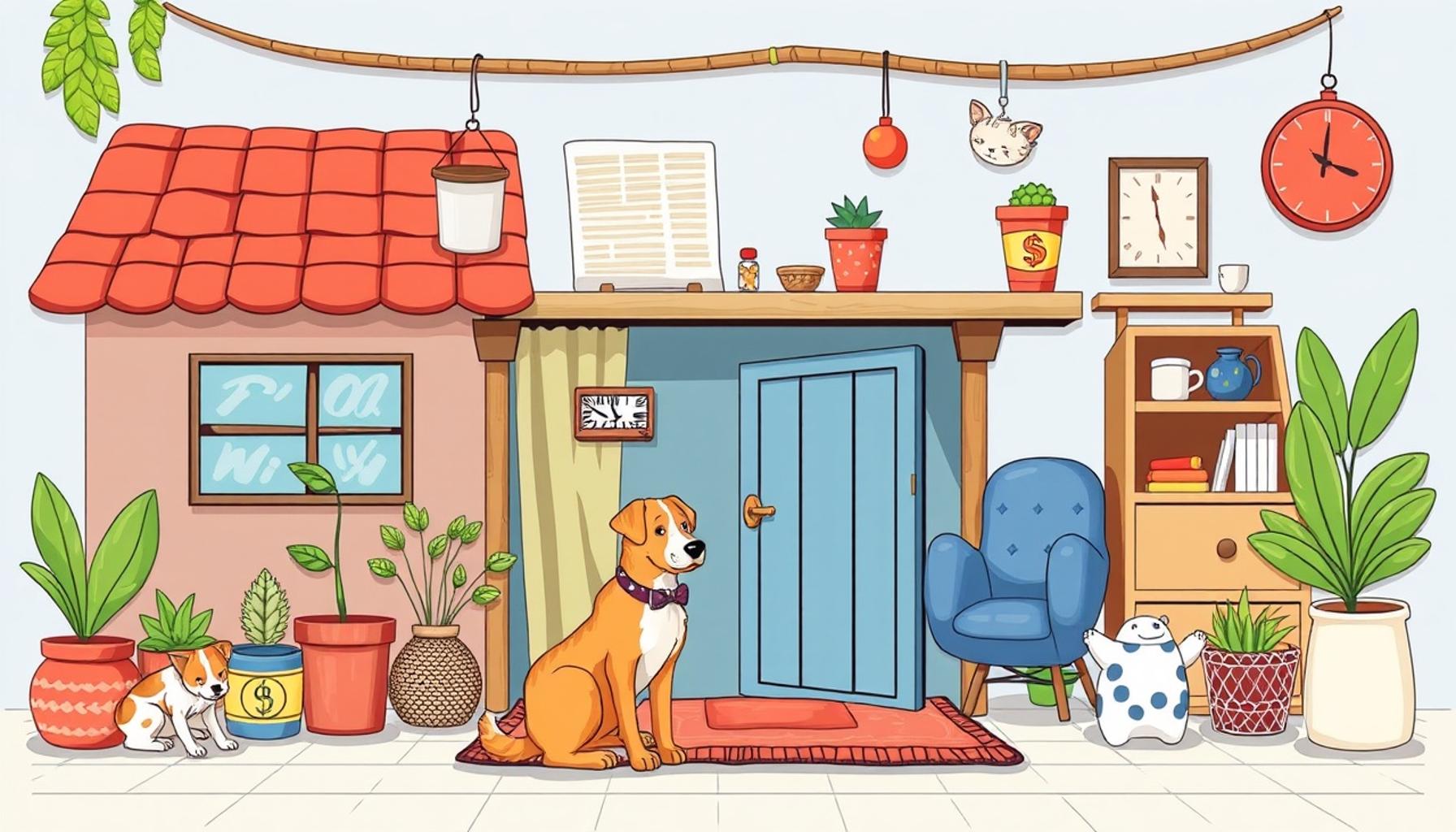
Welcoming a rescued animal into your home is not merely an act of kindness; it is an opportunity to enrich both your life and the life of an animal in need. However, this rewarding endeavor also requires thoughtful preparation to ensure a smooth transition for your new companion. With a few essential steps, you can cultivate an environment that fosters trust, security, and comfort for your furry friend.
Why Preparation Matters
A well-prepared home can profoundly influence your rescued animal’s adjustment period and overall well-being. Proper preparation encompasses several critical considerations:
- Safety: Before your new pet arrives, it is vital to eliminate potential hazards in your home. This includes securing loose wires, removing toxic plants, and storing hazardous chemicals in a safe place. For instance, many common household items, such as chocolate or certain human medications, can be toxic to pets. Additionally, ensure that all windows and doors are secure to prevent your new friend from escaping.
- Comfort: Designate a cozy space within your home for your pet. This can be a quiet corner with a soft bed, blankets, and toys that will make them feel secure. Providing items that carry your scent can also help them feel more at home. For example, placing a worn t-shirt in their area can offer comfort during the initial days of adjustment.
- Routine: Establishing a consistent daily schedule for feeding, walks, and playtime is crucial in minimizing anxiety. Animals thrive on routine, and a predictable schedule helps them feel more settled. If you have a dog, consider taking them for daily walks at the same time each day to help them acclimate to their new environment.
Understanding Your New Pet’s Needs
Each animal comes with its unique background and personality, which necessitates a tailored approach to their care. It’s essential to understand:
- The specific needs based on species and breed, as different breeds of dogs or cats may have varied requirements for exercise, space, and socialization.
- Any behavioral issues that may arise from their past experiences. For example, a dog rescued from an abusive situation may exhibit fear toward humans or loud noises. Patience and positive reinforcement can aid in their rehabilitation.
- Health requirements, including a balanced diet suitable for their age and breed, as well as the need for regular veterinary check-ups. Knowing whether your new pet has any special dietary considerations, such as allergies, is crucial in providing the right nutrition.
Taking the time to prepare adequately not only smooths the transition for your new pet but also helps in building a robust bond between you both. In the subsequent sections, we will delve into tailored tips and insights that will empower you to embark on this heartwarming journey with your rescued animal, ensuring both of you thrive in this new chapter of life.
Creating a Safe Haven for Your Rescued Pet
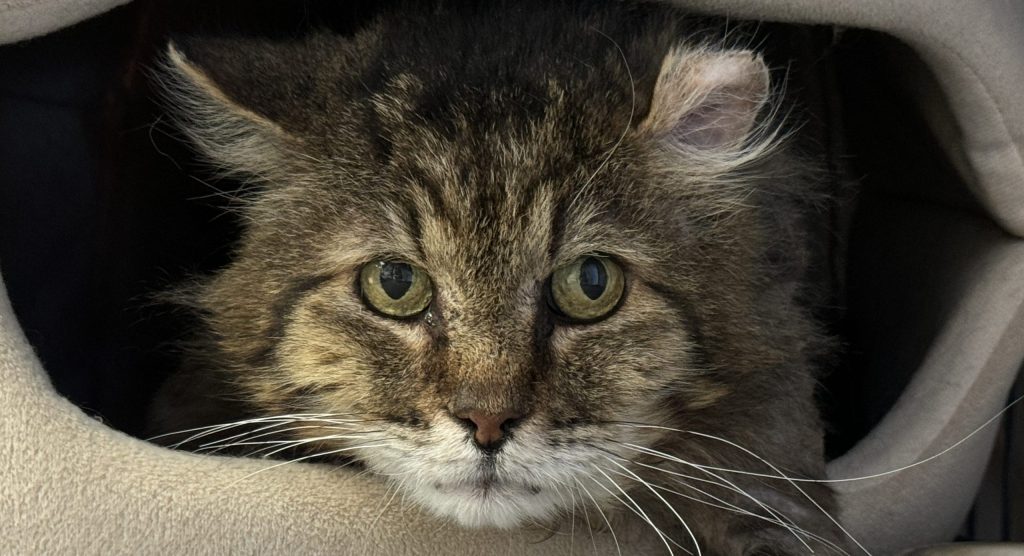
When you welcome a rescued animal into your home, you are taking on the responsibility of not just providing a roof over their head but also creating an atmosphere where they feel safe and loved. The first step in this journey is to establish a safe haven for your new companion. Here are some vital considerations to keep in mind:
Home Environment Modification
The physical environment plays a crucial role in your pet’s adjustment. Here’s how to modify your home effectively:
- Pet-Proofing: Items such as cleaning supplies, medications, and sharp objects should be stored out of reach or locked away. It’s wise to assess your home through the eyes of your new pet. Consider that they may jump, climb, or chew, so securing potentially dangerous items is essential.
- Safe Spaces: Designing a specific area just for your pet can significantly ease their adjustment. This space should be quiet and comfortable, stocked with their bed, water bowl, litter box (for cats), and toys that engage them. Creating this sanctuary will help them begin to feel at home.
- Noise Control: Rescued animals can be sensitive to loud noises. If possible, reduce erratic sound disruptions in your house such as loud music or vacuum cleaners during their initial days. Over time, they will adapt to the regular sounds of your home.
Understanding Behavioral Cues
Understanding your rescued animal’s behavior can significantly aid in their acclimatization process. Here are some tips to help you read their cues:
- Body Language: Pay close attention to your new pet’s posture and movements. A relaxed body and wagging tail (in dogs) indicate comfort, while hissing or cowering suggests discomfort. Learning these signals will help you gauge how they are adjusting to their new surroundings.
- Signs of Stress: Be aware of behaviors that indicate stress, such as excessive barking, hiding, or destructive chewing. Recognizing these signs early can allow you to intervene and create a more comforting environment.
- Adaptability: Each animal adapts at its own pace. While some may quickly adjust to their new home, others might take weeks or even months to feel completely secure. Patience is key in allowing them to progress at their own speed.
By focusing on both environmental modifications and behavioral understanding, you are proactively setting the stage for a positive transition. This preparation will not only help your pet feel comfortable but also pave the way for a lasting bond filled with love and trust. In the following sections, we will explore further strategies to assist in this transformative experience, ensuring your journey with your rescued animal is as rewarding as it is fulfilling.
| Category | Description |
|---|---|
| Safe Spaces | Creating designated safe spaces in your home allows the rescued animal to explore and settle in at their own pace. |
| Routine Establishment | Establishing a consistent daily routine helps your new friend adjust faster to their new environment and feel secure. |
| Physical Comfort | Ensure the animal has sufficient comfortable bedding to promote relaxation and decrease stress during the transition. |
| Socialization Opportunities | Providing gentle socialization makes a huge difference in helping them trust you and adapt to family life. |
| Positive Reinforcement | Using positive reinforcement techniques to train your animal can foster a strong bond and ensure they feel loved and accepted. |
Building a Trusting Relationship
Once you’ve created a safe environment, the next critical step is to establish a trusting relationship with your rescued animal. Building this trust often requires patience and understanding, as many rescued pets come from backgrounds that may have included neglect or abuse. To foster this bond, consider the following:
Slow Introduction
Introducing your new pet to different areas of your home should be a gradual process. Here’s an effective approach:
- One Room at a Time: Start by allowing your pet to explore just one room. This can be their safe haven initially, where they feel secure. Gradually introduce them to other areas of the house as they become more comfortable.
- Family Interaction: If you have other pets or family members, allow your new pet to meet them slowly. Supervise these introductions and keep them calm to reduce stress levels. Use treats and praise as rewards to create positive associations with new interactions.
- Daily Interactions: Engage in low-stress bonding activities, such as gentle play sessions or quiet time together. Short periods of interaction, paired with affectionate behavior, can help your pet feel secure and valued.
Consistent Routine
Rescued animals often thrive on routine. Establishing a consistent schedule can help your pet feel more secure and reduce anxiety. Here are some tips for a balanced routine:
- Feeding Schedule: Try to feed your pet at the same time every day. This not only helps with their digestive health but also creates a sense of stability in their life.
- Exercise and Play Time: Set aside specific times for walks, play sessions, or training. Regular exercise can alleviate stress and burn off excess energy, making for a calmer pet.
- Quiet Time: Some pets may need time to recharge, especially if they are feeling overwhelmed. Designate quiet times where your pet can retreat to their safe space without disturbances.
Paw-sitive Reinforcements
Positive reinforcement can play a critical role in building trust and encouraging desired behaviors in your rescued animal. Here are some techniques to utilize:
- Treats and Rewards: Use treats to reward your pet for positive behavior, such as following commands or exploring new spaces. This creates a positive association with new experiences.
- Voice and Touch: Speak softly and use gentle touches to reassure your pet. Your voice can convey safety and warmth, especially when combined with calm behavior.
- Training Techniques: Simple commands can help build your pet’s confidence and strengthen your bond. Using positive reinforcement training can also improve your pet’s manners and adaptability.
By focusing on building a trusting relationship through gradual introductions, maintaining a consistent routine, and employing positive reinforcement techniques, you are setting your rescued animal up for success in their new life. The deeper the bond you develop, the smoother the adjustment will be, leading to a rewarding companionship filled with love and trust. As we delve further into the process of acclimating a rescued animal, we will explore health considerations and enrichment activities to enhance their quality of life in your home.
Final Thoughts on Welcoming a Rescued Animal
Preparing your home for a rescued animal entails much more than just providing food and shelter; it’s about creating a nurturing environment where trust can flourish. By understanding the unique needs of rescued pets and making intentional efforts to cater to their well-being, you are laying the groundwork for a fulfilling relationship. Remember, the journey of adjustment is gradual and demands your patience and empathy. Each animal comes with its own history, and your commitment to understanding their story will prove invaluable.
Incorporating strategies such as slow introductions, establishing a consistent routine, and using positive reinforcement can significantly smooth the transition into their new lives. Beyond these foundational steps, consider adding enrichment activities that stimulate their physical and mental capabilities. Regular playtime, interactive toys, or even training classes can enhance their confidence while deepening the bond you share.
Moreover, devote time to regularly assess your pet’s health and emotional state. Consulting with a veterinarian familiar with rescued animals can provide insights into their specific needs, ensuring they thrive in their new environment. The integration of a rescued animal into your family should be a joyful adventure filled with discovery, growth, and affection.
As you embark on this noble endeavor, amplify your knowledge further by exploring resources available from animal shelters and rescue organizations, which often offer support and valuable advice. Opening your heart and home to a rescued animal not only transforms their life but enriches yours, cultivating a bond forged through compassion, love, and understanding.