Hunting Behavior in Domestic Cats: Natural Instinct in a Controlled Environment

Understanding Feline Hunting Behaviors
Domestic cats are often seen lounging in sunbeams or curled up on a favorite chair, yet beneath that seemingly relaxed facade lies a powerful instinct: the hunting behavior that has been honed over thousands of years. While our pet cats may live in cozy environments, their inherent traits and instincts remain remarkably unchanged. A deep dive into these behaviors not only enhances our bond with them but also sheds light on their natural predatory instincts that have been crucial for their survival in the wild.
Several factors influence the hunting behavior in domestic cats, and understanding these can help pet owners create an enriching environment for their feline companions:
- Instinct: Cats are natural predators. They exhibit remarkable agility, stealth, and the ability to observe their surroundings keenly. Research shows that even after generations of domestication, these instincts are deeply ingrained in cats, allowing them to instinctively stalk, pounce, and capture their “prey”—whether it’s a toy mouse or a flickering laser pointer.
- Play: For cats, play often mirrors hunting. Engaging with toys that simulate prey can unleash their predatory instincts. Toys that mimic the movement of small animals or insects can inspire behaviors similar to actual hunting, such as chasing or capturing, further satisfying their natural urges.
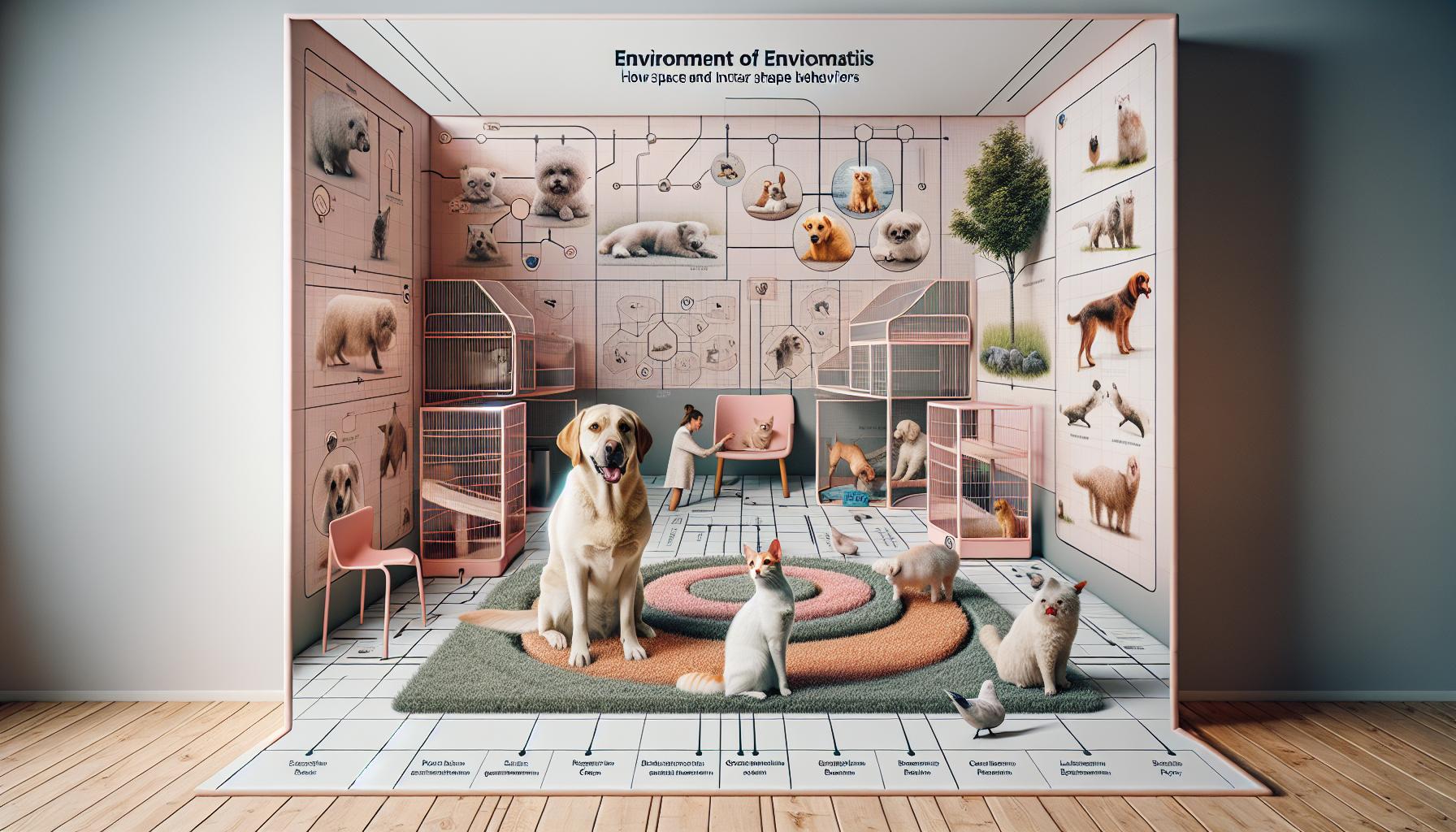
- Environment: The living conditions of indoor versus outdoor cats significantly shape their hunting habits. Indoor cats often need more stimulation to hunt; thus, enriching their environment with scratching posts, climbing structures, and interactive toys is essential to mimic the challenges they would encounter in the wild. In contrast, outdoor cats may rely on their instincts more frequently and develop more robust hunting skills as they interact with nature.
The ability to hunt contributes not only to a cat’s physical fitness but also their mental well-being. Observational studies suggest that engaging in hunting-like activities keeps them active, sharpens their reflexes, and alleviates boredom, which can lead to behavioral issues. Interestingly, researchers have noted that even in the absence of live prey, simulated hunting through toys and games can help satisfy these instincts and provide essential mental stimulation.
Diving deeper into the fascinating world of feline behavior reveals a complex interplay between their wild ancestry and contemporary domestic life. As caretakers of these charming creatures, understanding their predatory nature can lead to a more fulfilling and enriched life for both cats and their owners. By acknowledging these instincts and creating an environment that caters to them, we not only enhance our pets’ lives but also deepen the appreciation for their nuanced natures as our devoted companions.
DISCOVER MORE: Click here to learn how pets boost our well-being
Exploring the Instinctual Roots of Feline Hunting
The hunting behavior of domestic cats is a fascinating blend of instinct and opportunity. While these creatures enjoy the comforts of home, their innate predatory skills remain intact, presenting a unique perspective on how their original survival tactics are adapted to a controlled environment. Understanding these traits can not only enlighten pet owners about their cats’ needs but also foster a stronger connection between human and feline.
At the core of feline hunting behavior lies the cat’s ancestral lineage. Cats are descended from wild felines, primarily the African wildcat, which is known for its hunting prowess. This genetic heritage plays a profound role in how domestic cats engage with the world around them. Their survival relied on stealth, agility, and tenacity, traits that endure even in a pampered household setting. With sharp retractable claws and keen senses, these animals are natural hunters, ready to spring into action at a moment’s notice, even if the only “prey” available is a crumpled piece of paper.
Moreover, the development of hunting skills in kittens highlights the importance of early life experiences. From a young age, they engage in play behaviors that mimic stalking and capturing prey. This unstructured playtime is essential for their growth, teaching them how to ambush and pounce. It can include anything from chasing after a feather to wrestling with their littermates. Studies have shown that such play activities not only hone their hunting skills but also contribute to their overall social and cognitive development.
The Role of Environment in Shaping Hunting Behavior
The environment plays a decisive role in how domestic cats express their hunting instincts. Cats living in outdoor spaces have the opportunity to engage with actual prey, such as mice or birds. These experiences not only fulfill their predatory nature but also help them retain and develop their hunting skills. Conversely, indoor cats may lack this natural hunting ground, leading owners to find alternative ways to stimulate their instincts. An enriching indoor environment can make a significant difference in a cat’s life, mimicking their ancestral hunting territory.
- Interactive Toys: Toys that simulate prey movements, like feather wands or battery-operated mice, can engage a cat’s hunting instincts, allowing them to stalk and chase.
- Vertical Space: Providing climbing structures or shelves allows cats to observe their domain from above, similar to how they would in the wild, making them feel more secure and satisfied.
- Hide and Seek: Burying treats or toys can encourage exploration and mimic the experience of foraging, adding an extra layer of mental stimulation.
By recognizing the vital connection between a cat’s hunting instincts and its environment, pet owners can create an optimal habitat that nurtures these behaviors. It’s essential to bridge the gap between instinct and environment, ensuring that cats can express their natural behaviors while living in a world that lacks the dangers and challenges of the wild. This understanding promotes not only a healthier lifestyle but also a happier and more fulfilled domestic feline.
| Category | Key Features |
|---|---|
| Natural Predator Instincts | Domestic cats retain strong hunting instincts that drive behaviors such as stalking, pouncing, and chasing. |
| Enrichment Through Play | Interactive toys and play mimic hunting activities, providing mental stimulation and physical exercise critical for their well-being. |
Understanding the hunting behavior of domestic cats not only reveals their natural instincts but also emphasizes the importance of providing an enriched environment. While these cats may live in homes, their inner hunter thrives when they are able to engage in activities that reflect their ancestral traits. Opting for toys that replicate the movements of prey can engage a cat’s hunting instincts effectively.Equally significant is the social aspect of hunting behavior. Observing how cats interact during playtime can showcase their communication styles, dominance hierarchies, and social structures, offering owners insights into their pet’s emotional state. This knowledge fosters a deeper bond and understanding between the cat and its owner, enriching their companionship further.Moreover, providing opportunities for hunting simulation can help alleviate potential behavioral issues stemming from boredom or anxiety. As such, integrating these instincts into daily life not only satisfies the cat’s natural tendencies but also promotes a healthy lifestyle within a controlled environment. This creates an engaging atmosphere where both the instincts of the cat are honored and the owner’s home remains safe and harmonious.
DISCOVER MORE: Click here to learn how pets enhance our well-being
The Impact of Social Dynamics on Hunting Behavior
Beyond physical environments, social dynamics within households can also influence a cat’s hunting behaviors. Cats are not solitary creatures by nature, even though many domestic cats exhibit independent traits. Their interactions with humans and other pets can significantly shape how their instincts are expressed. For instance, when living with multiple cats, a hierarchy often emerges, impacting play and hunting behaviors. In these social settings, cats may compete for attention or resources, which can stimulate their natural instincts to stalk and chase in a playful manner.
Moreover, the presence of humans can affect how domestic cats engage with their environment. The notion of a ‘playmate’ can transform an ordinary object into an exciting target. For example, a cat may be more likely to chase a feather toy if a family member actively participates in the play, mimicking the characteristics of a peer or rival in the wild. In this way, human engagement not only supports the cat’s physical well-being but also provides essential stimulation for their mental health and instinctual behaviors.
Variations in Hunting Styles Among Breeds
It’s also important to acknowledge that hunting behavior can vary significantly among different cat breeds. Some breeds have been specifically recognized for their hunting prowess, such as the Maine Coon and the Bengal. These breeds are often more active and engage in hunting-related behaviors more frequently than their sedentary counterparts. The breed’s historic backgrounds play a crucial role in these variations; for example, the Abyssinian cat is renowned for its playful and energetic nature, displaying strong hunting instincts that are closely observed in their capacity to hunt and play extensively.
Additionally, recognizing the individual personality traits of each cat is crucial. Behavioral differences arise even within the same breed; some cats may have a more laid-back demeanor, preferring to play with smaller items or engage in gentle stalking, while others may exhibit vigorous chasing and pouncing behaviors. Understanding these unique characteristics allows owners to tailor their environments and play activities to nurture each cat’s specific hunting style.
The Role of Health in Hunting Behavior
A cat’s health can also significantly influence its ability to hunt, whether in play or instinctual pursuits. Common ailments such as obesity or arthritis can impair a cat’s agility and stamina, resulting in less engaging play. Ensuring that domestic cats maintain a healthy weight and physical fitness is vital for their ability to express hunting behavior. Regular veterinary check-ups, combined with appropriate nutrition and exercise, can promote a cat’s overall well-being and reinforce its predatory instincts.
Feeding routines can also be designed to incorporate elements of hunting behavior. Using puzzle feeders or scattering dry kibble around a room encourages exploration and mimics the natural foraging instincts of wild cats. This form of enrichment not only aligns more closely with a cat’s natural behaviors but also contributes to mental stimulation, reducing the likelihood of boredom-related issues in indoor cats.
In summary, the interplay between social dynamics, breed characteristics, and health not only shapes the expression of hunting instincts in domestic cats but also enriches their experiences in controlled environments. By cultivating a deeper understanding of these factors, owners can create a nurturing habitat that respects and enhances the primal nature within our beloved feline companions.
DON’T MISS: Click here to learn how pets boost your fitness
Conclusion: Understanding Feline Instincts in a Domestic Setting
In exploring the complex hunting behavior of domestic cats, it becomes evident that their natural instincts are intricately woven into the fabric of their everyday lives, even within controlled environments. Through engaging in playful activities, cats not only fulfill their evolutionary impulses but also maintain their physical and mental health. The social dynamics of the household, the unique traits of various cat breeds, and individual personalities all play pivotal roles in shaping these behaviors.
As we delve deeper into the interplay of health and environment, it’s crucial for cat owners to foster spaces that resonate with their feline companions’ inherent instincts. Proactive measures such as incorporating interactive toys, utilizing puzzle feeders, and establishing a stimulating social environment can significantly enhance a cat’s quality of life. Understanding the distinctions among the various breeds and tailoring activities accordingly further enriches domestic cats’ experiences.
Ultimately, the synthesis of these elements aids in promoting not only a cat’s innate hunting capabilities but also its overall well-being. Recognizing the significance of these innate behaviors can lead to a more fulfilling relationship between humans and their feline friends. By prioritizing their instincts within a safe, controlled setting, we can observe our domestic companions thrive as they express the hunter within, reminding us of the wild magic still present in our home.