Hunting Behavior in Domestic Cats: The Natural Instinct at Home
The Fascinating World of Cat Hunting Instincts
Every cat owner has likely been entertained by the sight of their feline companion engaged in a flurry of playful antics that resemble the behaviors of a seasoned hunter. These behaviors—such as stalking, pouncing, and batting at imaginary prey—are not just charming quirks but rather profound displays of their natural instincts. Over the past 10,000 years, domestic cats have evolved as formidable predators, a lineage evident in their everyday activities.
The Significance of Prey Drive
At the core of every domestic cat lies an unwavering “prey drive.” This innate urge to hunt is present in even the most lovingly spoiled house cat. While these pets might not need to hunt for their meals, this relentless drive continues to shape their behavior. For instance, a cat might fixate on a moving shadow or a rustling plastic bag, displaying excitement that mirrors the thrill it would experience chasing after an actual mouse.
Play Behavior: A Miniature Hunt
A pivotal aspect of a cat’s hunting instincts manifests during play. Engaging with toys—be it a feather wand or a laser pointer—allows cats to replicate the same techniques they would use in the wild. When a cat crouches low, tail twitching, before leaping to capture its toy, it is emulating the stalking and pouncing strategies that were necessary for survival eons ago. Such play is not just fun; it serves as training to keep hunting skills sharp, ensuring that, should conditions change, the instinct to hunt remains intact.
Promoting Physical and Mental Health
Emulating hunting behaviors contributes significantly to a cat’s physical and mental health. Regular engagement in these activities can combat obesity—a common concern among indoor cats—by promoting exercise. Additionally, this simulated hunting gives cats a mental challenge, helping to alleviate boredom. Interactive toys, puzzle feeders, and even simple cardboard boxes can stimulate a cat’s mind, driving them to think critically, strategize, and engage in problem-solving.
Creating a Fulfilling Environment
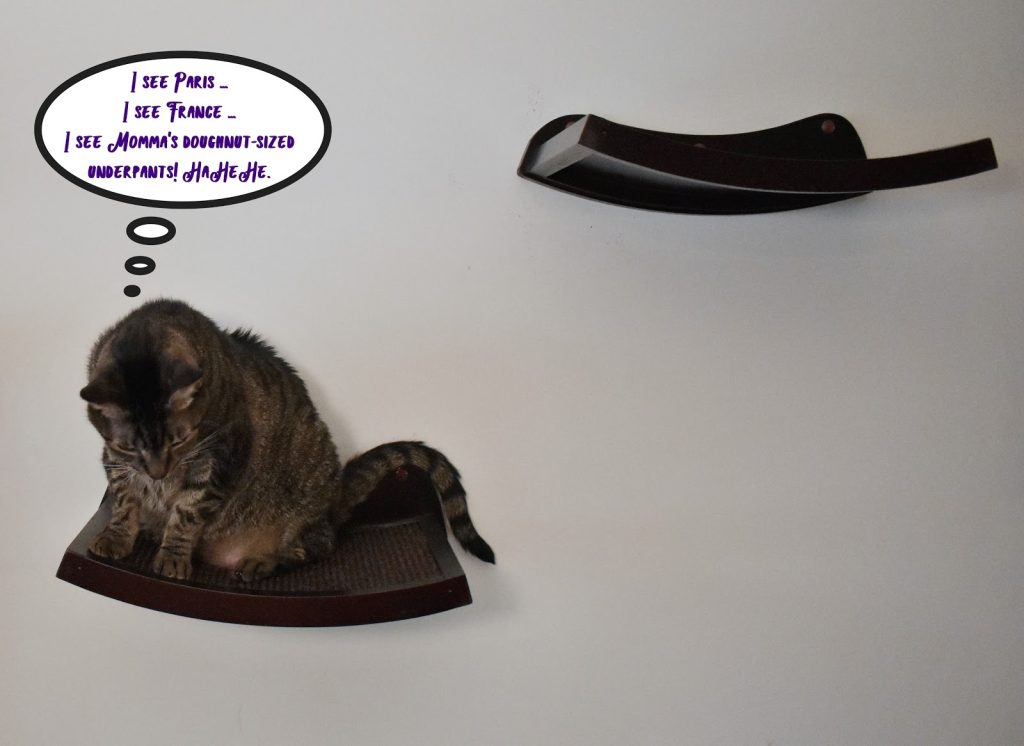
Understanding these natural tendencies fosters better interactions between cats and their owners. Providing opportunities for cats to express their hunting instincts keeps them happy and content. Environments rich with vertical spaces, like cat trees, and various toys can enhance their habitat. For those who wish to delve deeper into how to cater to these instincts, consider researching the benefits of outdoor enclosure systems or “catios” that allow safe exploration of the outdoors.
As you navigate your cat’s unique personality, remember the importance of merging play with instinct. By recognizing their deep-seated hunting behaviors, owners can create a nurturing space that not only keeps cats entertained but also honors their heritage, making life enjoyable and fulfilling for both pets and their human companions.
Understanding the Instinctual Drive to Hunt
In the world of domestic cats, the hunting instinct is not just an ancient relic of wild ancestry; it is a vital part of their daily existence, manifesting in ways that strikingly resemble their wild counterparts. This deep-seated behavior is influenced by several factors, including genetics, environment, and individual personality, making every cat’s expression of this instinct unique. Understanding the nuances of these hunting behaviors not only enhances our appreciation for these captivating creatures but also prompts us to provide them with suitable outlets for their energy and instincts.
The Evolutionary Journey
To comprehend the hunting behavior in domestic cats, one must first consider their evolutionary background. Despite being the beloved pets of millions today, house cats (Felis catus) are direct descendants of wild felines, particularly the African wildcat (Felis silvestris lybica). Over millennia, these creatures adapted exquisite hunting skills to thrive in various environments, skills that are still deeply encoded in the DNA of modern cats. This lineage informs not just their physical attributes, such as sharp retractable claws and keen eyesight, but also their behaviors and social structures.
The Role of Instincts in Domestic Life
While most domestic cats may never have to hunt for their meals, their prey drive remains a compelling force. This instinct manifests in several ways:
- Stalking: Observing their surroundings with intent focus, cats will often crouch low, assessing potential “prey” from different angles.
- Pouncing: When the moment is right, a cat will launch into action, using powerful back legs to leap and secure their target, even if it’s just a toy.
- Batting and Biting: Once their target is caught, cats will typically engage in batting and biting, mimicking the kill sequence of their wild ancestors.
Observational Learning Through Play
Young kittens particularly reflect the significance of play in honing their hunting skills. Observing their mothers or littermates can offer valuable lessons in the art of hunting—this is a crucial aspect of their development. When kittens engage in mock battles or practice stalking their siblings, they are not merely playing; they are mastering essential survival skills that will serve them well as adults. Such play is instrumental in ensuring that their hunting techniques remain sharp, a reality that has important implications for adult cats living primarily indoors.
Connecting with Your Cat’s Instincts
As responsible pet owners, acknowledging and fostering these natural instincts should be a priority. Incorporating activities that mimic hunting can vastly improve your cat’s mental and physical well-being. Consider options such as:
- Interactive toys that encourage movement and engagement.
- Feeding puzzles that require problem-solving to access food.
- Designing cat-friendly spaces with climbing structures to replicate the thrill of hunting in a vertical landscape.
By recognizing the importance of these behaviors, cat owners can create enriching environments that help fulfill their feline companions’ instinctual needs, promoting a happier and healthier life at home.
Hunting Behavior in Domestic Cats: The Natural Instinct at Home
The hunting behavior in domestic cats is a fascinating blend of instinct and learned behavior. Despite their domestication, these felines have retained many of their wild ancestors’ traits. Understanding these behaviors can offer owners valuable insights into their pets’ needs and tendencies. This section will delve deeper into the aspects of a cat’s hunting behavior that contribute to their overall well-being.
The Importance of Play as a Hunting Simulation
Play is an essential activity for domestic cats, simulating hunting experiences that sharpen their physical and mental skills. Engaging cats with interactive toys can mimic the movements of prey, encouraging chasing, pouncing, and ambushing. This play not only provides necessary physical exercise but also helps to alleviate boredom, reducing behavioral issues that can arise in under-stimulated cats.
The Role of Environment in Hunting Behavior
A cat’s environment significantly influences its hunting behavior. Providing various levels, hiding spots, and scratching posts can inspire natural instincts as they stalk and explore. Owners can enhance their cats’ experience by creating a dynamic and stimulating environment that encourages safe and gratifying hunting activities.
Understanding the Predator Prey Relationship
Even though domestic cats are well-fed at home, their hunting instincts remain strong due to their evolutionary history. Studies show that indoor cats often exhibit hunting behavior even without the presence of prey. This drive stems from their inherent nature to hunt and catch, which is significant for their mental health. Observing and facilitating these instincts can lead to happier and healthier cats.
Hunting Behavior and Health Implications
Hunting behaviors also correlate with a cat’s overall health. Engaging in hunting-related activities increases their physical fitness and can prevent obesity, a common issue among domesticated cats. Furthermore, mental stimulation from these activities can prevent cognitive decline as cats age. Recognizing and addressing these natural instincts can help owners take proactive measures in their cats’ health and wellness.
| Category | Benefits |
|---|---|
| Natural Instinct | Understanding a cat’s natural hunting instinct promotes better care and environmental enrichment. |
| Mental Stimulation | Interactive playtime mimics hunting, providing dogs with mental stimulation and reducing anxiety. |
| Physical Activity | Encouraging active play helps maintain a healthy weight and fitness in cats. |
By exploring the hunting behavior of domestic cats, owners can better understand how to nurture these instincts and provide an enriching environment for their pets. Cats are not only companions but also creatures that thrive when their inherent behaviors are acknowledged and catered to. By promoting their natural instincts, cat owners can ensure their pets lead fulfilled and happy lives.
The Impact of Environment on Hunting Behavior
The environment in which a domestic cat lives plays a crucial role in shaping its hunting behavior. While some cats roam freely outside, employing their natural hunting skills for survival, many live in apartments or houses where outdoor access may be limited. This difference can significantly influence how these instincts are expressed. For indoor cats, the lack of genuine prey can lead to boredom, which may manifest as destructive behavior or other forms of anxiety. Therefore, creating an engaging indoor environment is essential to replicate the challenges and stimuli they would encounter in nature.
Enrichment Strategies to Stimulate Hunting
To cater to a domestic cat’s hunting instincts, owners can adopt various enrichment strategies designed to challenge and entertain. These activities not only provide physical exercise but also stimulate mental engagement:
- Feather Wands and Laser Pointers: Interactive play sessions that include feather wands or laser pointers are excellent for encouraging stalking and pouncing behaviors. Cats enjoy the chase, and owners can foster a sense of accomplishment by allowing their pet to “catch” the toy at various intervals.
- Hide-and-Seek with Treats: Hiding small treats around the house requires cats to use their sense of smell and keen eyesight. This activity encourages exploration and mimics foraging behavior, allowing cats to satisfy their natural urges in a safe environment.
- Small Animals as Toys: Soft toys resembling small rodents or birds can engage a cat’s predator drive. Choosing toys that squeak or make noise can simulate the sounds of prey, further piquing a cat’s interest and enthusiasm.
The Role of Outdoor Exploration
For those cats fortunate enough to enjoy the outdoors, the benefits are substantial. Cats that have access to gardens or safe outdoor spaces can indulge their hunting instincts through real-world exploration. Research shows that outdoor cats hunt frequently, often catching smaller animals such as birds, rodents, and insects. This behavior serves not merely to feed them but also to fulfill their predatory nature. However, it’s essential to recognize the risks involved, such as traffic hazards or encounters with other animals.
Many cat owners have opted for catio systems—enclosed outdoor structures that allow cats to breathe fresh air and explore natural environments securely. Such setups satisfy a cat’s natural curiosity while keeping them safe from potential dangers.
Understanding Individual Variability
Just like people, each cat has a distinctive personality that affects how they express their hunting behavior. Some cats may show a strong prey drive and engage enthusiastically in hunting games, while others are more laid-back and may only show mild interest in play. Observing a cat’s reaction to different types of play can offer insights into their preferences and help tailor enrichment activities accordingly.
The concept of the “alpha” cat within multi-cat households is also worth noting. An alpha cat may demonstrate stronger hunting behaviors, influencing the dynamics and interactions of the group. The social structure among cats can lead to playful competitions that both enhance bonding and satisfy their instincts.
Conclusion: Encourage Natural Behavior
By understanding and accommodating a domestic cat’s hunting impulses, cat owners can create a stimulating and fulfilling environment that allows their feline companions to thrive. Recognizing the innate need to hunt not only contributes to a cat’s happiness but also fosters a strong connection between pet and owner. As we foster these natural behaviors, we deepen our appreciation for the remarkable instincts that define these beloved pets in our homes.
Conclusion: Nurturing Feline Instincts
Understanding the hunting behavior in domestic cats allows owners to appreciate and cultivate the intrinsic instincts that our feline companions possess. While modern living presents challenges to a cat’s natural propensity to hunt, the thoughtful implementation of enrichment strategies can effectively channel these instincts in rewarding ways. By providing opportunities for play that mimic the chase, utilizing engaging toys, and encouraging exploration—whether indoors or through safe outdoor access—we can significantly improve their mental and physical well-being.
Moreover, the variability in individual cats’ personalities ensures that each feline responds differently to these activities, emphasizing the need for tailored approaches. Recognizing whether your cat thrives on social play or prefers solitary stalking can change the way you interact with them, leading to a more harmonious relationship. By creating an environment that respects their natural behaviors, such as the instinct to hunt, we not only boost their happiness but also fulfill an essential aspect of their nature.
Engaging our cats in their innate tendencies fosters strong bonds between pet and owner, allowing us to learn and grow alongside them. As you reflect on your cat’s hunting behaviors, consider innovative ways to keep their instincts alive and flourishing within the comforts of your home. In doing so, you ensure that your beloved pet feels fulfilled, stimulated, and truly at home, embodying the wild spirit that lies within.