Multifunctional Spaces: How Simplified Living Maximizes the Use of Every Environment at Home
The Rise of Multifunctional Spaces in Home Design
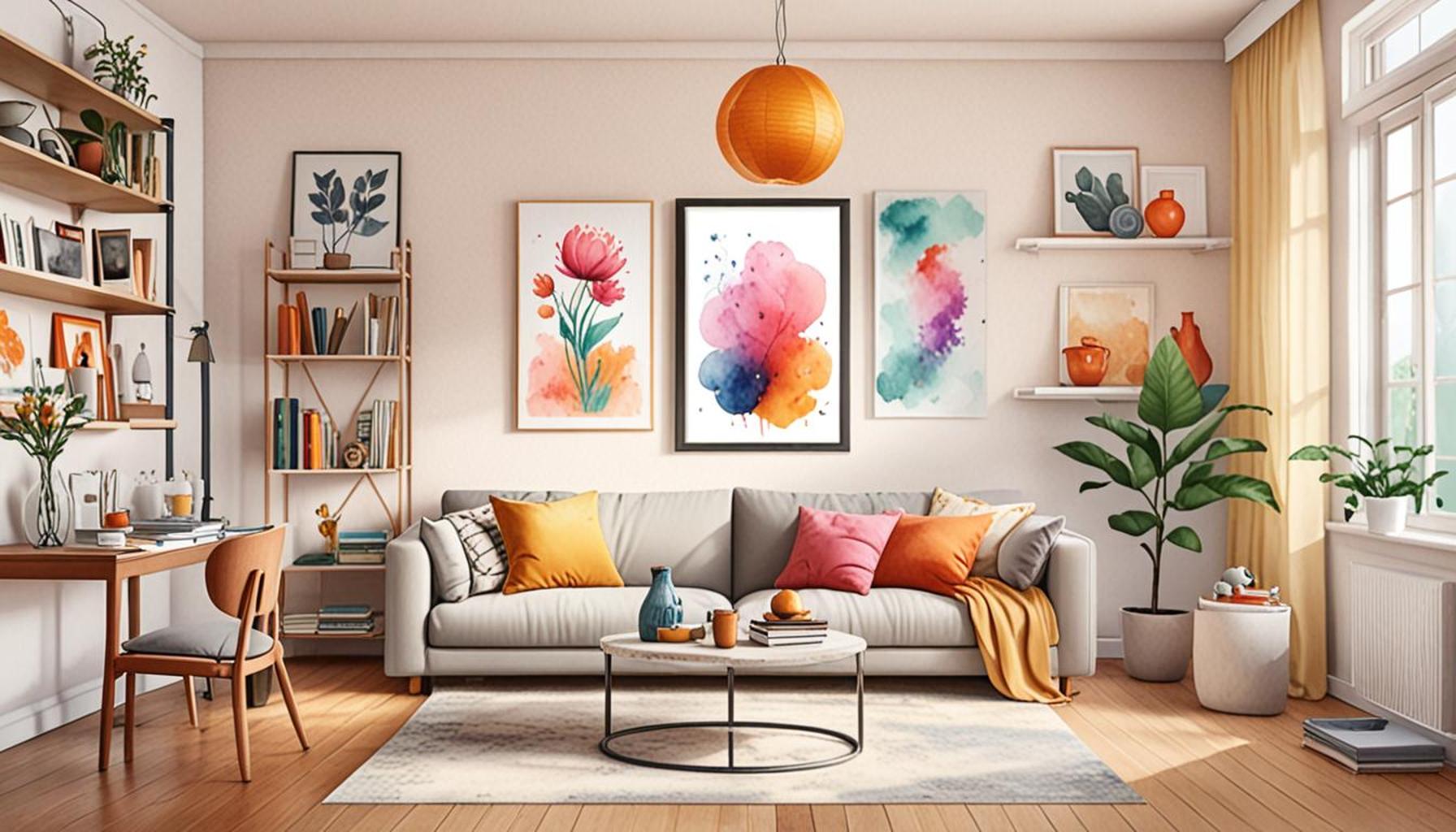
As urbanization continues to shape the way we live, homes are adapting to meet the needs of modern lifestyles. Gone are the days when individual rooms served only one purpose; today’s homes are more than just places to reside—they are versatile environments designed for a blend of living, working, and entertaining. The idea of multifunctional spaces is taking center stage, providing homeowners with creative solutions to effectively utilize every square foot.
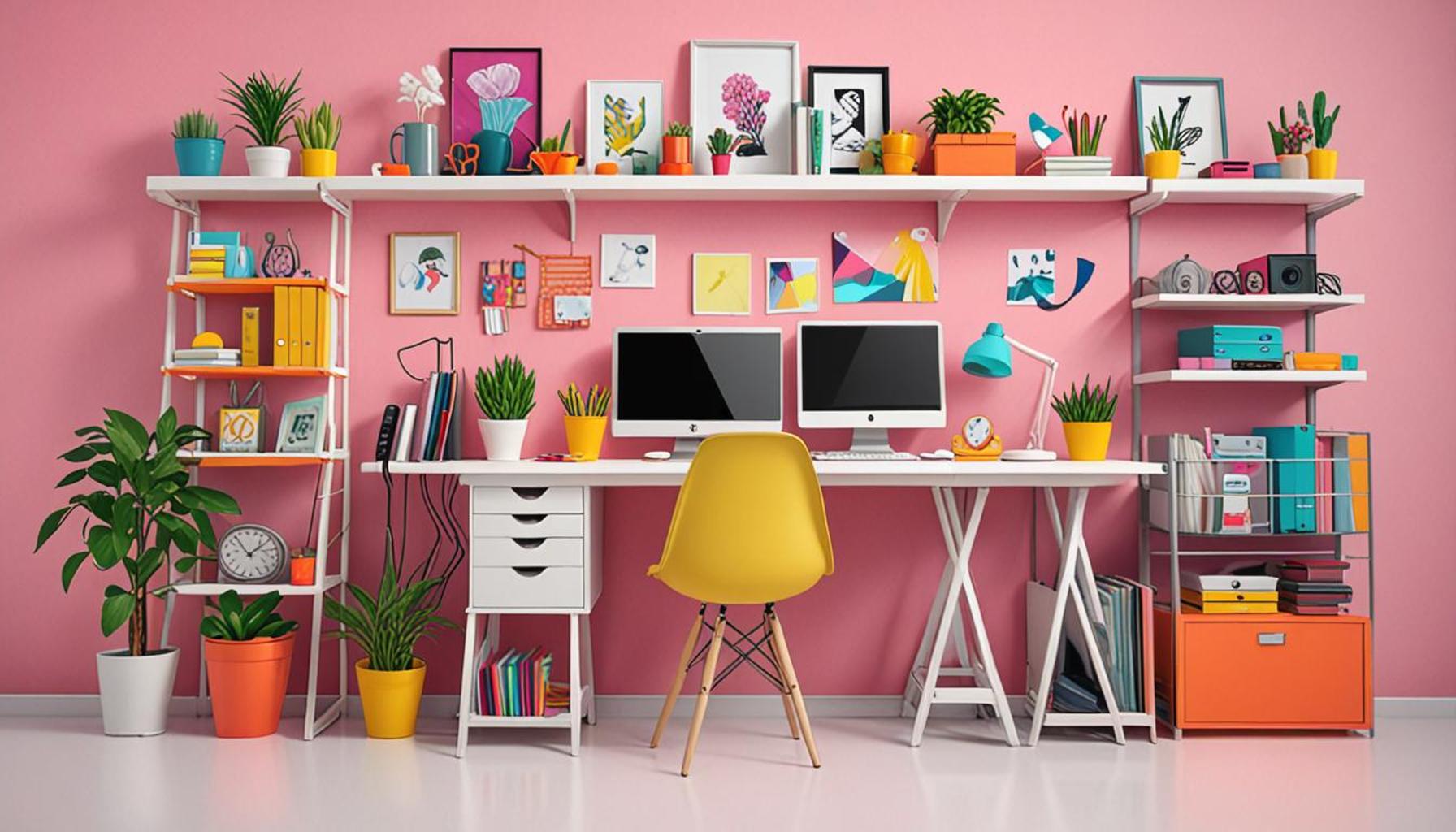
Space Optimization stands at the forefront of this trend. For example, the rise of remote work has necessitated a hybrid workspace that can easily transition to a place for relaxation. Many homeowners are converting spare bedrooms into multifunctional offices that can accommodate guests when required. Murphy beds, which fold up when not in use, are excellent examples that allow a room to serve dual purposes, maintaining open space for daily activities.
In addition to optimizing space, cost efficiency is a compelling reason for this paradigm shift. By investing in multifunctional furniture, such as coffee tables with storage compartments or extendable dining tables, individuals can drastically reduce the necessity for additional items cluttering their homes. This not only minimizes expenses related to purchasing separate furniture pieces but also lessens the financial burden of maintaining larger living spaces.
Moreover, homes designed with multifunctional aspects resonate with a growing desire for enhanced aesthetics. The blending of functions often involves innovative designs that reflect contemporary trends, transforming utility into style. For instance, a bookshelf that doubles as a room divider can define areas in an open-space living room while showcasing decorative items and literature. This form of design fosters a visually appealing atmosphere without compromising on practicality.
As you contemplate the fundamentals of simplified living, consider how small changes in your home can contribute to a more profound lifestyle shift. The ethos of living with intention encourages residents to evaluate their space and prioritize functionality. Imagine, for instance, a dining area that easily converts into a productive workspace—enabling you to enjoy meals with family while still accommodating the demands of modern work life.
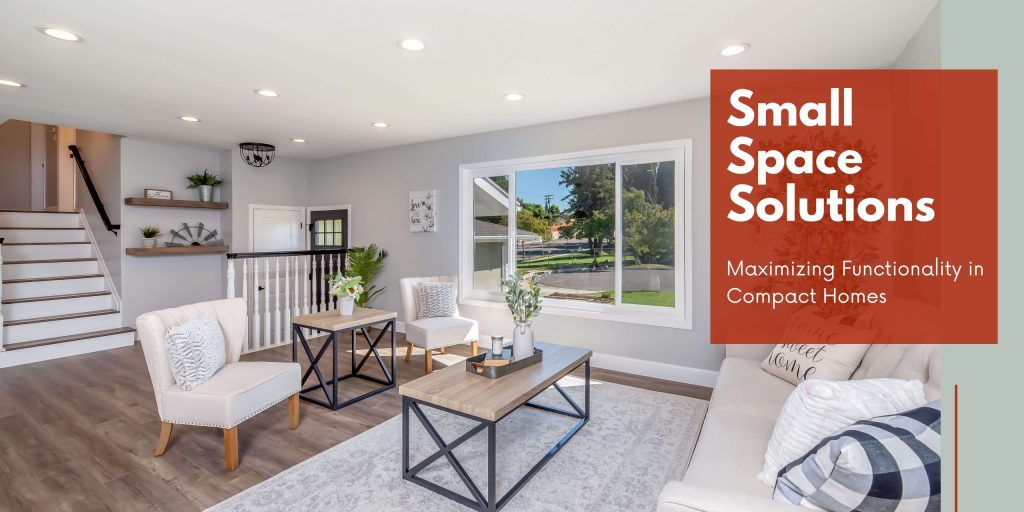
This movement towards multifunctional design goes beyond personal satisfaction; it is a reflection of societal values emphasizing sustainability and minimalism. By embracing multifunctionality, individuals are encouraged to rethink their lifestyles and focus on what truly matters. Delve deeper into this emerging design trend and uncover how effectively maximizing the use of your environment can enhance both your home and overall quality of life.
DISCOVER MORE: Click here to dive deeper
Transforming Spaces: The Key Elements of Multifunctional Design
As the need for versatile living solutions becomes more pronounced, homeowners are discovering that thoughtful design can transform even the smallest areas into multifunctional havens. Understanding the core elements that define multifunctional spaces can empower individuals to curate environments that respond to their evolving needs.
One of the fundamental aspects of multifunctional spaces is the strategic layout. An efficient layout ensures that different zones can coexist without feeling cramped or cluttered. For instance, open-concept living areas allow for a seamless flow between the kitchen, dining room, and living room while accommodating various activities—from family gatherings to casual entertaining. This design not only maximizes space but also enhances social interactions, making it easier for families and friends to connect.
Another critical factor is the use of adaptable furniture. The market has seen a surge in innovative furnishings that are not just practical but also enhance a home’s aesthetic. Consider these items that can redefine space utilization:
- Convertible sofas: These versatile couches can transform into beds or recliners, providing extra sleeping space without requiring a designated guest room.
- Nesting tables: Perfect for social gatherings, these tables can expand or contract as needed, keeping the living area tidy while allowing for flexibility in entertaining.
- Folding desks: Ideal for small apartments, these desks can be stowed away when not in use, transitioning a bedroom into a workspace with ease.
- Storage ottomans: These dual-purpose pieces provide seating while also hiding away clutter, making them perfect for small spaces.
In addition to furniture choices, smart technology plays a vital role in maximizing the functionality of spaces. Home automation systems allow for the seamless control of lighting, temperature, and even security from a single device. These technologies not only promote efficiency but also enhance the ability to adapt different areas of a home to specific tasks or moods. For example, lighting can be adjusted to create a relaxed atmosphere for movie nights or brightened up for focused work sessions—transforming the same space into whatever is needed at the moment.
Moreover, incorporating sustainable materials and designs not only addresses environmental concerns but can also significantly influence the ambiance of multifunctional spaces. Employing elements like reclaimed wood, recycled metals, or energy-efficient appliances fosters a sense of mindfulness in how spaces are utilized. This aligns perfectly with the minimalist philosophy, where less is often more, encouraging individuals to clear out excess and prioritize the essentials that bring joy and utility to their lives.
In essence, embracing multifunctional design is not merely about making the most of physical space; it encompasses a deeper commitment to creating environments that nurture our lifestyles. As we explore this growing trend, it becomes clear that the integration of adaptive layouts, innovative furniture, smart technology, and sustainable practices can profoundly enhance the way we engage with our homes, promoting well-being and efficiency while reflecting personal style.
| Advantages of Multifunctional Spaces | Impact on Daily Living |
|---|---|
| Maximized Space Utilization | Efficient use of every corner leads to less clutter, fostering a sense of peace in the home. |
| Versatile Furniture | Adaptable pieces, like sofa beds and collapsible tables, customize environments for different activities. |
| Enhanced Productivity | Designated workspaces at home encourage creativity and focus, making remote work more enjoyable. |
| Increased Flexibility | Easily interchangeable layouts cater to family needs or personal activities, adding a dynamic flair to living. |
The concept of multifunctional spaces is becoming increasingly essential in today’s homes. By fostering arrangements that prioritize both efficiency and style, homeowners can create environments that adapt to their changing lifestyles. In modern design, it’s not just about how a room looks, but how it performs in various scenarios — work, relaxation, entertaining, or dining. These innovations not only maximize spatial use but also contribute to a more productive atmosphere, ultimately transforming everyday life into a more harmonious balance of work and leisure. By incorporating such designs, one can truly embrace the essence of simplified living while savoring the beauty of multifunctional spaces.
DISCOVER MORE: Click here for tips on creating a clutter-free bedroom
Innovative Strategies for Multifunctional Living
To truly embrace multifunctional spaces, it is essential to explore innovative strategies that further enhance the versatility and functionality of our homes. One effective approach is the concept of zoning. Zoning involves designating specific areas within a larger space for distinct functions, utilizing furniture and decor elements to define these areas visually. This can be achieved through varied flooring materials, area rugs, or even creative use of color. For instance, a single-room studio can be divided into a textural carpeted lounge area, a sleek minimalist dining space, and a functional workspace with a simple divider or bookcase. Such arrangements not only foster organization but also allow individuals to maximize their living areas according to their daily routines.
Another transformative approach is the integration of indoor-outdoor living. Connecting indoor spaces with outdoor areas can significantly expand the functional footprint of a home. Patios, balconies, or terraces can serve as extensions of your living room or kitchen, equipped with outdoor furniture and decor to create inviting environments for cooking, dining, or relaxation. This dual use not only accommodates social gatherings but also promotes wellness by allowing residents to engage with nature, promoting mental health and well-being.
In line with the push for eco-friendly living, adopting a minimalist lifestyle can also optimize space. By intentionally reducing clutter and focusing on a few cherished pieces—be it furniture, art, or decor—individuals can create calming environments that foster tranquility. This is where multifunctional furniture becomes a key player. For example, a coffee table can feature built-in storage for books and remotes, while a bed frame with drawers underneath eliminates the need for bulky dressers, offering both style and functionality.
Moreover, embracing a DIY approach to multifunctional furniture can allow homeowners to tailor their spaces to their unique needs and preferences. Creating custom solutions, such as a fold-down desk from a wall panel or a bookshelf that doubles as a divider, encourages creativity and personal expression while maximizing utility. This also resonates well with the sustainability movement, where repurposing materials can lead to distinctive pieces that reflect both personality and ecological awareness.
Equally important is the consideration of lighting design within multifunctional spaces. The strategic use of various lighting sources—from overhead fixtures to accent lights—can dramatically transform the ambiance of a room. For instance, adjustable lighting systems allow homeowners to transition a space from a productive workspace during the day to a cozy, intimate setting for evening relaxation. Integrating smart lighting solutions further enhances this adaptability, as homeowners can set different moods with the touch of a button, showcasing technology’s role in redefining living environments.
Finally, the incorporation of plants and greenery can elevate the design of multifunctional spaces. Beyond simple aesthetics, indoor plants can improve air quality and bring a sense of calm to environments. Designating small areas for vertical gardens or utilizing pots with tailored arrangements allows for the creation of luscious “green corners” that can enhance productivity and relaxation simultaneously. By artfully blending nature with design, multifunctional areas can promote a holistic lifestyle.
DIVE DEEPER: Click here to unlock essential organization strategies
Conclusion
In a world where space is increasingly at a premium, embracing multifunctional spaces presents an ingenious solution for maximizing every environment at home. From implementing creative zoning strategies to merging indoor and outdoor experiences, individuals are discovering that they can transform cramped quarters into dynamic havens tailored to their lifestyles. The incorporation of minimalist principles helps in decluttering what truly matters, allowing cherished items to shine amidst a backdrop of functional beauty.
Moreover, the rise of multifunctional furniture and the vibrant DIY culture encourages homeowners to innovate, customizing their spaces with practicality and personal flair. The role of lighting design cannot be understated, as it alters the very mood of a room, adapting spaces from bustling productivity zones to serene relaxation spots at will. Integrating plants and greenery not only beautifies these multifunctional areas but also enhances well-being, promoting a harmonious relationship between nature and living spaces.
Ultimately, the essence of multifunctional living invites us to reevaluate how we utilize our homes, pushing the boundaries of design while embracing sustainability. As we navigate this paradigm shift, it becomes evident that a thoughtfully curated space can amplify our daily experiences, marrying aesthetics with functionality. As you embark on your journey towards simplified living, consider exploring these strategies to unlock the true potential of your home—a sanctuary that serves various needs while fostering a sense of tranquility and joy.