Pet Hygiene Care: Essential Practices to Maintain Health and Prevent Diseases

The Significance of Maintaining Pet Hygiene
Every pet owner knows that a happy pet is a healthy pet. However, maintaining pet hygiene goes beyond just occasional grooming; it encompasses a series of essential practices that require commitment and consistency. From dental care to bathing, these practices significantly impact your pet’s overall well-being, preventing various health issues and ensuring that your furry friend enjoys a long, vibrant life.
Adopting critical hygiene practices can dramatically improve your animal’s health status. Here are some key areas to focus on:
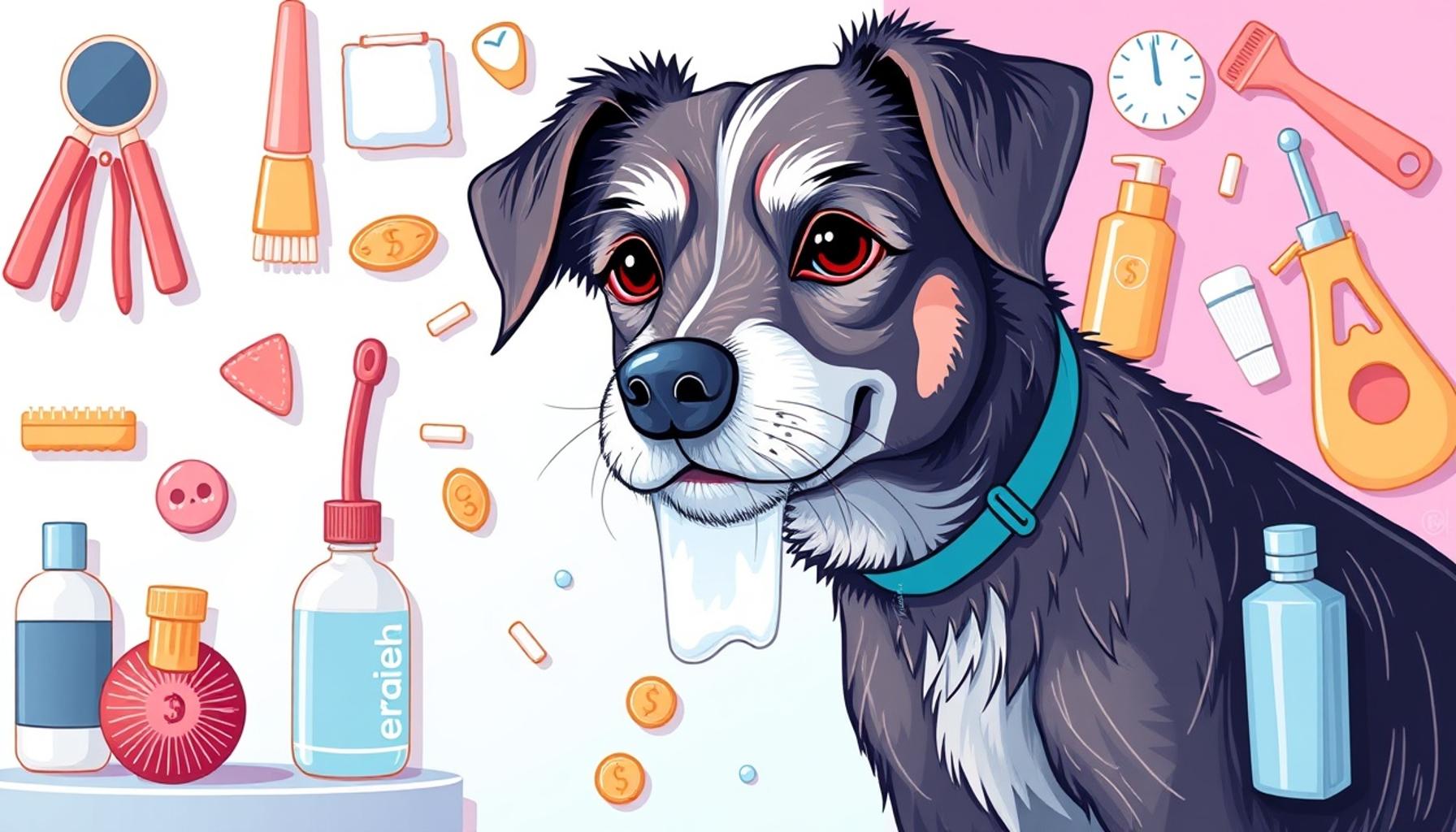
- Dental Care: Regular brushing and dental check-ups are crucial to prevent oral diseases. Just like humans, pets can suffer from plaque buildup and gingivitis if their teeth are neglected. According to the American Veterinary Medical Association, nearly 80% of dogs and 70% of cats show signs of dental disease by age three. Using pet-specific toothpaste and providing dental chews can be beneficial in maintaining oral health.
- Grooming: Regular baths and brushing not only remove dirt and excess fur but also help in identifying skin conditions early. Breeds with long hair require more frequent grooming to avoid matting, while short-haired breeds still benefit from regular brushing to promote skin health. For instance, Golden Retrievers need consistent grooming to manage their double coat effectively.
- Nail Trimming: Keeping nails short is essential to avoid discomfort and injuries to your pet. Overgrown nails can lead to painful walking and even joint issues in the long run. It’s recommended to check your pet’s nails every few weeks, and if you’re unsure how to do it safely, a veterinarian can provide guidance or assistance.
- Ear Cleaning: Routine checks help prevent infections and excessive wax build-up, which can lead to pain and itching. Pets with floppy ears, such as Cocker Spaniels, are particularly susceptible to ear problems and should have their ears cleaned regularly to maintain airflow and minimize moisture retention.
- Bathing: Regular baths keep your pet’s skin healthy and free from irritants like pollen, dust, and parasites. While the frequency can depend on your pet’s breed, lifestyle, and skin condition—it’s generally advisable to bathe dogs every 1-3 months. Using a quality pet shampoo that suits your pet’s skin type is essential to prevent irritation.
Many pet owners may underestimate the impact of these hygiene practices. However, neglecting them can lead to serious health issues, including skin infections, dental diseases, and more. The long-term cost of addressing these avoidable conditions can be substantially higher than investing in regular grooming and hygiene routines.
With a few simple adjustments to your pet care routine, you can contribute proactively to your pet’s happiness and health. Embracing these hygiene practices not only keeps your furry companion comfortable but also enhances their quality of life. Start incorporating them today and observe the meaningful difference they can make in your pet’s daily existence.
Essential Practices for Optimal Pet Hygiene
When it comes to ensuring your pet’s health, implementing effective hygiene practices is critical. Pet hygiene care not only prevents diseases but also fosters an environment that promotes well-being and longevity. As pet owners, understanding the importance of these vital practices can make a significant difference in keeping your furry companions healthy and happy.
Understanding the Importance of Pet Dental Care
One area that often gets overlooked is dental care. Like humans, pets require regular oral hygiene to prevent tartar buildup and periodontal diseases. The American Veterinary Dental College reports that up to 85% of dogs and 70% of cats over the age of three show signs of dental disease, underscoring how prevalent this issue is among pets. It’s essential to establish a routine for brushing your pet’s teeth, ideally on a daily basis, to minimize the risk of dental problems. Using pet-friendly toothpaste is crucial, as human toothpaste can be toxic to pets. In addition to brushing, incorporating dental chews and toys specifically designed for oral health can further assist in reducing plaque and freshening breath.
The Role of Grooming in Pet Hygiene
Grooming is another key aspect of pet hygiene care that should not be neglected. Regular grooming not only keeps your pet looking presentable but also plays a significant role in health maintenance. Brushing your pet’s fur helps remove loose hairs, dirt, and dander, promoting skin health and allowing you to identify any abnormalities, such as lumps or parasites. For example, long-haired breeds like Shih Tzus and Poodles benefit from frequent grooming to prevent matting, while short-haired breeds like Beagles still need regular brushing to manage shedding and keep their coat healthy.
Consider the following grooming practices to enhance your pet’s hygiene:
- Regular Bathing: Depending on the breed and activity level, pets should be bathed every few weeks to months. Use a shampoo specifically formulated for pets to prevent skin irritation and allergies.
- Professional Grooming: Some breeds require professional grooming services due to their unique coat needs. Seeking assistance from a certified groomer can help maintain their coat in optimal condition.
- Skin Checks: During grooming sessions, take the opportunity to inspect your pet’s skin for any signs of irritation, redness, or lumps that may necessitate attention.
Nail Care: A Key Component of Pet Hygiene
Nail trimming is another essential aspect of pet hygiene care that is sometimes overlooked. Overgrown nails can lead to painful walking and significant discomfort for your pet. Routine nail checks should be a part of your hygiene regimen, ideally every 3-4 weeks. If you are unsure how to trim your pet’s nails safely, consult with a veterinarian or professional groomer to learn the proper technique and tools needed. Elevated nail length can lead to issues such as joint pain and mobility problems, so keeping their paws in check is fundamental.
In conclusion, by prioritizing dental care, grooming, and nail maintenance, pet owners can significantly enhance the quality of their pets’ lives. These hygiene practices are vital not only for preventing diseases but also for fostering a strong bond between owner and pet. Remember, a little care goes a long way in ensuring the health and happiness of your furry friends.
| Category | Benefits |
|---|---|
| Daily Grooming | Promotes healthy skin and reduces shedding. |
| Regular Veterinary Check-ups | Early detection of health issues leading to timely treatment. |
| Dental Care | Prevents periodontal disease and promotes fresh breath. |
| Proper Nutrition | Supports overall health and immune function. |
| Parasite Control | Protects against fleas, ticks, and worms, minimizing health risks. |
These essential practices not only enhance the hygiene and overall health of your pet but also promote a longer, happier life. Understanding the importance of regular grooming sessions can significantly impact your furry friend’s well-being. For instance, daily brushing helps to reduce the chances of skin infections. In addition, regular check-ups with a veterinarian can uncover underlying health complications early on, ensuring your pet receives prompt medical attention, essential in preventing serious diseases. Dental hygiene is often overlooked yet plays a crucial role in a pet’s overall health; neglected teeth can lead to discomfort and severe health issues. Proper nutrition tailored to each pet’s needs supports a robust immune system and helps maintain an ideal weight. Finally, consistent parasite control is vital for safeguarding your pet from various diseases, bringing peace of mind to pet owners. These practices collectively work toward an optimal level of pet health, encouraging further exploration into pet healthcare strategies.
Nutrition and Hydration: The Foundation of Pet Hygiene
A crucial aspect of pet hygiene that often goes unnoticed is the impact of nutrition and hydration on overall health. A balanced diet rich in essential nutrients not only keeps pets energetic and vibrant but also contributes significantly to their hygiene. For instance, high-quality pet foods contain vital ingredients that promote a healthy coat, clean teeth, and optimal digestion. It’s advisable for pet owners to consult with a veterinarian to ensure that the dietary needs of their pets are being met, taking into consideration their age, breed, weight, and health conditions. Moreover, a well-rounded diet should be supplemented by fresh, clean water, as proper hydration plays a role in keeping the kidneys, skin, and coat healthy.
The Significance of Vaccinations and Preventive Care
In conjunction with proper hygiene practices, vaccinations and regular preventive care are essential to safeguarding pets from various diseases. Vaccinations protect against a range of serious illnesses, including rabies, parvovirus, and distemper in dogs, as well as feline leukemia and rabies in cats. It is recommended that pet owners stay informed about vaccination schedules and ensure that their pets receive booster shots as necessary. Additionally, regular veterinary check-ups allow for early detection of health issues and the opportunity to discuss specific hygiene practices tailored to your pet’s unique needs.
Parasite Control: Keeping Your Pet Safe
Another vital element of pet hygiene care involves effective parasite control. Fleas, ticks, and worms are not only bothersome but can also lead to serious health complications if left untreated. It’s important to adopt a comprehensive parasite control plan that includes preventive medications and routine screenings. According to the American Animal Hospital Association, over one million pets in the United States are treated for flea infestations every year. Regular use of flea and tick prevention products can also reduce the risk of Lyme disease and other illnesses that may arise from parasite bites.
- Outdoor Precautions: If your pet spends time outdoors, be vigilant about checking for ticks after walks or outdoor play. Removing them promptly can prevent transmission of diseases.
- Intestinal Parasite Checks: Routine fecal exams can help identify intestinal parasites that might be affecting your pet’s health without visible signs.
Environmental Hygiene: Keeping Their Living Space Clean
Pet hygiene extends to the environment where pets live. Maintaining a clean living space is instrumental in preventing dirt, allergens, and parasites from hindering your pet’s health. Regularly washing bedding, toys, and food bowls greatly contributes to your pet’s hygiene. Vacuuming your home and cleaning any surfaces where your pet frequents can reduce the buildup of dander, dust, and potential pathogens.
Furthermore, dedicating a specific area for your pet can help in managing their hygiene habits. Creating a comfortable and clean space where your pet can eat, sleep, and play minimizes mess and promotes a healthier living environment. In addition to this, using pet-safe cleaning products can help prevent any adverse reactions or irritations.
By focusing on nutrition, vaccinations, parasite control, and maintaining a clean environment, pet owners can provide a robust foundation for their pet’s hygiene care. These practices not only prevent diseases but also enhance the overall quality of life for pets, ensuring they remain vibrant and full of energy.
Conclusion: The Vital Importance of Pet Hygiene Care
In summary, pet hygiene care is a multifaceted approach essential for maintaining the health and well-being of our beloved companions. By addressing aspects such as proper nutrition, timely vaccinations, rigorous parasite control, and a clean living environment, pet owners can actively contribute to their pets’ longevity and quality of life. Understanding that each pet’s hygiene needs may differ based on their unique characteristics fosters a tailored approach to care, reinforcing the importance of regular veterinary check-ups and consultations.
The significance of maintaining a clean and safe living space cannot be overstated. By minimizing allergens, bacteria, and parasites, we set the stage for a healthier home and a happier pet. Moreover, a focus on preventative care ensures we catch potential health issues before they escalate, benefiting both pets and their owners emotionally and financially.
Ultimately, embracing these techniques not only shows our love and responsibility toward our pets but also highlights the rewarding bond forged through attentive care. As pet owners, proactive measures toward hygiene can pave the way for joy-filled years of companionship. By investing time and effort in researching best practices and collaborating with veterinary professionals, we can effectively enhance the well-being of our furry friends and ensure they thrive and flourish.