
Special Care for Senior Pets: What You Need to Know

Understanding Special Care for Senior Pets
As pets age, their needs evolve significantly. Providing special care for senior pets is essential for their health and happiness. Many pet owners may overlook the specific requirements of aging animals, but awareness can make a remarkable difference. Recognizing that senior pets have different needs compared to their younger counterparts is fundamental in ensuring their well-being.
Senior pets often face unique challenges that can impact their daily lives. One prevalent issue is decreased mobility. Conditions such as arthritis and other joint problems can limit their ability to move around comfortably. This can lead to a more sedentary lifestyle, which may exacerbate other health concerns like obesity. For instance, you might notice your once playful dog becoming hesitant to jump on the couch or your cat struggling to navigate stairs. A veterinarian might recommend joint supplements or more comfortable, supportive bedding to alleviate pain.
- Dietary changes: Nutritional needs shift as metabolism slows. Senior pets often require diets lower in calories but higher in fiber to prevent weight gain and to aid digestion. Specialized senior diets are widely available, containing formulated nutrients like omega fatty acids to promote joint health and antioxidants to combat age-related ailments. It’s essential to consult your veterinary nutritionist when making dietary adjustments.
- Sensory decline: Hearing and vision loss are common in older pets. Many dogs and cats may struggle to hear commands or may not respond to their names being called. Vision issues might cause them to bump into furniture or hesitate when navigating familiar spaces. Pet owners can facilitate a more secure environment by eliminating tripping hazards and using tactile cues to help guide them.
Understanding these issues is crucial for ensuring a comfortable and fulfilling life for your aging companions. Regular veterinary check-ups are imperative, as these visits can detect early signs of chronic conditions that are prevalent in senior pets, such as diabetes and kidney disease. Additionally, adopting measures like providing ramps or specialized food can significantly improve their quality of life.
However, physical care is only one aspect of senior pet maintenance. Engagement through gentle play and mental stimulation is equally vital. Simple activities like interactive toys, short leash walks, or scent-based games can keep their minds sharp and spirits high. By providing environmental enrichment, such as new toys or even puzzle feeders, you encourage mental engagement that counters cognitive decline.
By learning the essentials of senior pet care, owners can provide the support and love that these animals need. There are numerous resources available, including veterinary guides, pet care websites, and community pet organizations. Additionally, considering adopting from shelters that often have senior pets in need of loving homes can be another way to contribute positively to the lives of these cherished animals. As our beloved pets grow older, our commitment to their health becomes even more critical, paving the way for a mutually enriching relationship between pet and owner. Embracing the unique joys and challenges of caring for senior pets not only enhances their lives but adds depth to our own experiences as pet owners.
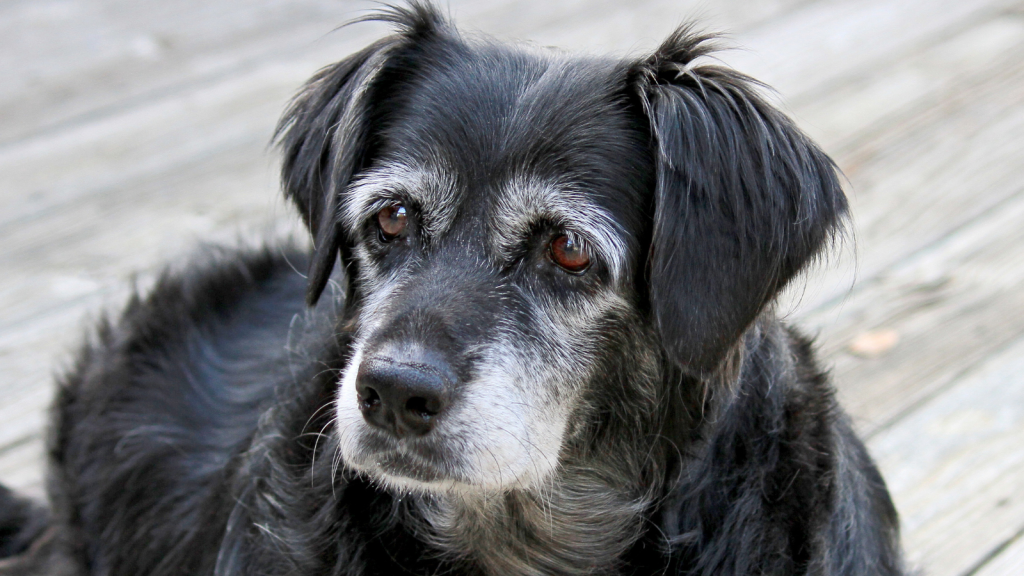
Key Considerations for Caring for Aging Companions
As beloved companions turn into senior pets, it is vital to adapt care practices that align with their changing physical and emotional needs. One of the most important considerations for special care for senior pets is the importance of regular veterinary check-ups. These appointments are not just routine; they are essential for early detection of health issues that commonly affect aging animals. Conditions such as cardiovascular disease, cognitive dysfunction syndrome, and osteoarthritis are often overlooked until they become severe. A veterinarian can recommend a tailored health plan, including wellness screenings, vaccinations, and preventive treatments specific to senior pet care.
Moreover, paying attention to behavioral changes is crucial. Senior pets may exhibit signs of distress or discomfort differently than they did in their youth. Increased irritability or withdrawal from social interactions can indicate pain or anxiety, which may be linked to underlying health problems. Pet owners should monitor their pets closely and maintain open lines of communication with their veterinarians about any observed changes in behavior.
Comfort and Living Environment
Creating a harmonious living environment can significantly enhance the quality of life for senior pets. This involves adapting their surroundings to accommodate their physical limitations. Below are some vital modifications to consider:
- Provide orthopaedic bedding: Supportive sleeping surfaces can alleviate body aches and offer a comforting place to rest.
- Install ramps: For pets struggling to climb stairs or jump onto furniture, ramps can be a game-changer, preserving their mobility and reducing the risk of injury.
- Use non-slip mats: Placing these in areas where your pet walks frequently can help prevent slips and falls, ensuring a safer environment.
- Maintain a consistent routine: Senior pets thrive on familiarity. Keeping feeding, walking, and rest schedules consistent helps them feel secure.
Additionally, it’s imperative to reassess weight management strategies. Obesity is a prevalent issue among senior pets and can exacerbate existing health problems. Regularly monitoring your pet’s weight and implementing portion controls can prevent excessive weight gain. Engaging a veterinary nutritionist can also provide insights into suitable diets that cater to your pet’s age-related nutritional requirements.
Understanding the anatomy of senior pet care extends beyond just their physical health. Mental enrichment is crucial for combating cognitive decline in aging pets. Activities designed to stimulate their minds, such as puzzle toys or interactive games, can help maintain cognitive function. Even simple activities like short neighborhood walks allow your older pet to experience new sights and smells, promoting mental engagement.
Ultimately, delivering specialized care for senior pets is a multifaceted endeavor that addresses their unique health needs, emotional well-being, and overall quality of life. By investing time and effort into understanding these changes, pet owners can contribute positively to the later years of their beloved companions, ensuring a fulfilling and joyful existence well into their golden years.
| Category 1 | Category 2 |
|---|---|
| Dietary Needs | Senior pets often need specialized diets rich in antioxidants and fiber to support aging bodies. |
| Health Monitoring | Regular vet check-ups are crucial for detecting age-related health issues early, such as arthritis or diabetes. |
As pets age, understanding their unique needs becomes critical to ensure a comfortable and fulfilling life. One significant aspect is their dietary requirements. Senior pets often benefit from a diet specifically tailored to their age, particularly foods that are rich in essential nutrients like antioxidants and omega fatty acids. These ingredients can help combat inflammation and support overall health, contributing to a better quality of life.Additionally, regular health monitoring is essential. Aging pets are predisposed to various health conditions, including kidney issues, hyperthyroidism, and dental diseases. A yearly check-up can help identify these problems early on, allowing for timely intervention and management. It’s not just about maintaining their physical health, but also ensuring they have ample opportunities for mental stimulation through play and socialization, which can help alleviate signs of cognitive decline. Therefore, staying proactive in health and wellness is crucial for elderly pets, leading to longer, happier lives.
Nutrition and Dietary Adjustments for Senior Pets
When it comes to senior pets, proper nutrition plays an integral role in maintaining their health and vitality. As pets age, their metabolism and dietary needs shift, making it critical for pet owners to adapt their feeding regimens accordingly. High-quality nutrition can help manage weight, improve energy levels, and support overall well-being in aging animals.
One major change to consider is the formulation of pet food. Many brands now offer senior-specific diets designed to cater to the unique health needs of older pets. These formulas often contain lower fat and fewer calories to help combat obesity, which is a common concern for senior animals. Additionally, they may include supplements such as omega fatty acids, glucosamine, and antioxidants, which can promote joint health and improve cognitive functions. Pet owners should consult with their veterinarians to determine the best diet for their senior companions, particularly if there are existing health conditions like diabetes or kidney disease.
Hydration and Kidney Health
Hydration is another crucial aspect of senior pet care. Aging pets are more susceptible to dehydration due to decreased thirst drives, and conditions such as kidney disease further complicate this issue. Ensuring fresh, clean water is always available encourages proper fluid intake. In cases where pets are resistant to drinking, adding water or low-sodium broth to their meals can enhance hydration. Some pet owners might find success with pet water fountains that promote interest in drinking by providing a continuous flow of water.
Additionally, keeping an eye on urinary health is essential. Changes in urination habits or consistency can signal potential health problems. Regular veterinary check-ups can help monitor kidney function and urinary tract health, ensuring swift action when issues arise.
Exercise and Mobility Enhancements
While senior pets may not have the same stamina as they did in their prime, regular, gentle exercise is vital for maintaining their physical health and mental agility. Short, frequent walks are preferable to long outings, as they allow pets to explore their environment without undue stress on their joints. Incorporating activities like light play or swimming can also contribute to keeping their muscles toned without putting too much strain on their bodies.
For pets with mobility difficulties, engaging in physical therapy can improve their quality of life. Many veterinarians can recommend rehabilitation exercises, including hydrotherapy or massage, aimed at improving strength and flexibility. Such treatments not only enhance physical wellness but can also relieve pain and contribute to a happier demeanor.
Emotional Well-being and Social Interaction
As pets become seniors, they often face significant changes in their emotional landscape. Separation anxiety might become more pronounced, and pets may feel overwhelmed in social situations that once brought them joy. It’s important for pet owners to provide ample affection and attention to ensure emotional needs are met.
Engaging in regular playtime and introducing new forms of mental stimulation can make a substantial difference. Activities that involve scent work or interactive toys can keep aging pets entertained and mentally sharp. In addition, providing opportunities for socialization with other friendly pets can help mitigate loneliness and anxiety.
In addressing the unique needs of senior pets, owners not only enhance their pets’ physical health but also create an environment where emotional wellness is prioritized. Keeping an open dialogue with veterinary professionals ensures that all aspects of senior pet care are seamlessly integrated, contributing to a longer, healthier, and happier life for cherished companions.
Conclusion: Prioritizing the Needs of Senior Pets
Caring for senior pets requires a thoughtful approach that encompasses nutrition, hydration, exercise, and emotional well-being. As our beloved companions age, their requirements evolve, demanding a shift in how we provide for them. Understanding the importance of tailored diets, hydration strategies, and gentle physical activity allows pet owners to significantly enhance their pets’ quality of life.
Furthermore, emotional support cannot be overstated. A senior pet’s happiness and well-being are deeply connected to their socialization and mental engagement. Creating an environment rich in love and stimulation will support not just their psychological health, but also their physical wellness. Regular veterinary check-ups become paramount, ensuring that any health concerns are promptly addressed and treated.
In summary, as pets grow older, the responsibility falls on us to ensure they receive the specialized care they need to thrive. Investing time in understanding their changing requirements can lead to profound improvements in their health and happiness. By being proactive and informed, pet owners can relish the moments they share with their senior companions, making those final years truly special. With the right approach, you can help ensure that your senior pet enjoys a vibrant, fulfilling life—one that is filled with love, care, and comfort.