
The Effect of Routine on Pet Anxiety: How Structured Schedules Can Help
Understanding the Importance of Routine for Pets
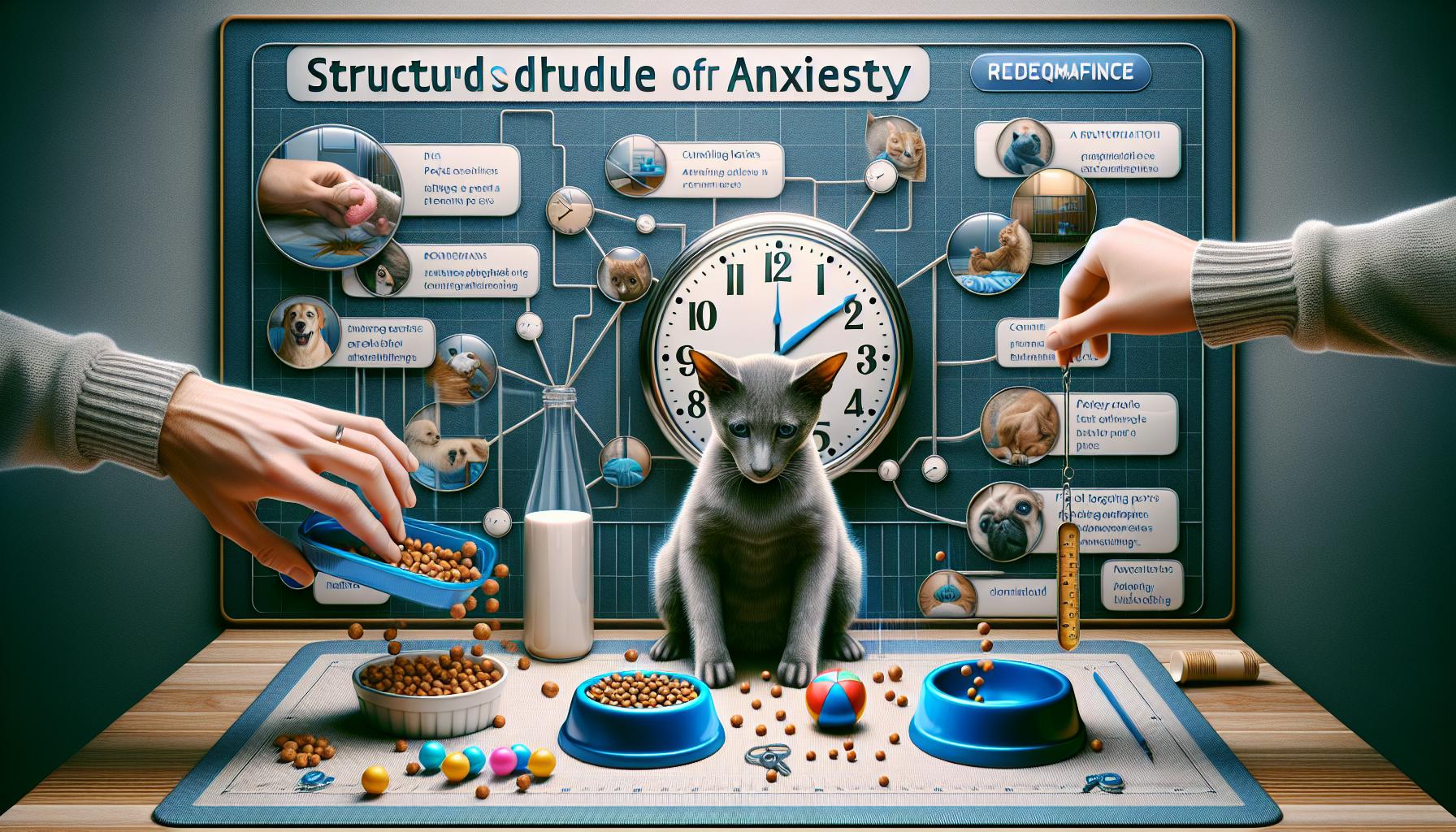
Pets thrive on consistency. For many furry friends, a predictable routine can significantly reduce anxiety levels, acting as a stabilizing force in their lives. Just as children benefit from daily schedules in schools, pets also require structured environments to flourish emotionally and physically. This need for routine transcends mere creature comforts; it provides an essential framework for fostering emotional stability and enhancing overall well-being.
Consider these important aspects of pet anxiety and the role of routine:
- Feeding Times: Establishing regular meal schedules can profoundly ease stress in pets. For instance, feeding your dog at the same time each day not only helps them anticipate their meals but can also regulate their digestion and energy levels. Same goes for cats, who may develop a strong association between the time of day and meal anticipation, creating a sense of safety and comfort.
- Exercise: Consistent daily walks or playtime are vital in creating a sense of normalcy. Incorporating regular exercise helps release pent-up energy, leading to calmer behavior. For example, a daily routine of walks in the morning and evening can be especially beneficial for high-energy breeds, such as Border Collies or Labrador Retrievers, which might otherwise exhibit anxiety if their exercise needs are unmet.
- Rest Periods: Just as important as active playtime, knowing when it’s time to relax can significantly improve your pet’s mood. Designating specific nap times can help your furry friend feel secure, allowing them to recharge effectively. Pets, much like people, need periods of rest to manage their stress and maintain a balanced temperament.
Research indicates that anxiety in pets often correlates with unpredictability in their environments. Sudden changes, such as moving to a new home, changes in household dynamics, or even alterations in the owner’s schedule can trigger stress responses, adversely affecting their behavior and health. For instance, a dog that experiences a sudden shift in its environment may display signs of distress through excessive barking or destructive chewing. By establishing a structured daily routine, pet owners can help their companions navigate potential anxiety triggers with greater ease.
In the following sections, we will delve deeper into the nuances of how implementing a routine can create a calmer environment for your pet. We will explore practical steps, engaging anecdotes from pet owners, and expert tips that aid in crafting a personalized daily schedule tailored to your pet’s needs. This exploration promises to arm you with the knowledge needed to foster an environment where your pets can truly thrive.
DIVE DEEPER: Click here to discover how pets boost our active lifestyles
The Role of Routine in Alleviating Pet Anxiety
Implementing a structured routine can yield remarkable benefits for pets struggling with anxiety. Pets, similar to humans, thrive in environments where they feel safe and predictability reigns supreme. Establishing a routine can help mitigate feelings of uncertainty and help pets respond to situations in a more relaxed manner. Owners may find that small changes in their daily schedule can make a significant difference in their pet’s behavior and emotional health.
Creating a Sense of Security
When pets are exposed to inconsistency in their day-to-day lives, they can experience heightened levels of stress. For example, a pet that enjoys frequent playtime but experiences irregular intervals for these activities may begin to exhibit signs of anxiety, such as excessive barking or destructive chewing. In contrast, a pet that knows exactly when to expect playtime, feeding, and walks is more likely to manage their anxiety more effectively. Regular occurrences create a framework that provides clarity and reassurance.
The following elements are essential components of a comprehensive routine that can help alleviate pet anxiety:
- Consistent Sleep Schedule: Establishing regular bedtime routines is crucial not only for humans but also for pets. Just like us, pets need adequate rest to recharge their energy and maintain emotional stability. Designating a specific time for lights out can help pets feel grounded and secure.
- Training and Socialization Sessions: Regular training not only reinforces good behavior but also offers mental enrichment that can keep anxiety at bay. Engaging in daily or weekly socialization activities with other pets can also boost confidence and help alleviate fears in anxious animals.
- Quality Time with Owners: Whether it’s quiet couch time or engaging in stimulating activities, dedicating time to bond with your pet enhances their sense of belonging. This one-on-one interaction can serve as a crucial anchor point for pets, granting them the emotional assurance they crave.
Studies indicate that establishing a daily routine can significantly reduce instances of behavioral problems associated with anxiety. For instance, a 2015 survey conducted by the American Veterinary Medical Association found that more than 50% of pet owners reported improved overall behavior in their pets when a routine was established. Such data underlines the potential benefits of a structured environment in promoting emotional well-being among pets.
As we continue to explore the profound impact of routines on reducing pet anxiety, we will uncover practical strategies for pet owners to implement effective schedules tailored to their companions’ individual needs. By understanding the unique requirements of each pet, owners can create an environment that supports both emotional and physical health, setting the stage for a happier, more balanced life together.
The Psychological Benefits of Routine for Pets
Routine plays a crucial role in minimizing anxiety in pets. A consistent schedule imbues a sense of security and stability that can dramatically reduce stress levels. Pets thrive on familiarity; when they know what to expect, their anxiety decreases. Structured schedules can lead to improved behavior and emotional health, as pets feel less overwhelmed by the unpredictability of their surroundings.
Enhancing Calmness through Predictability
When feeding, walking, and playtime are scheduled at the same times every day, pets can learn to anticipate these activities. This predictability aids in establishing trust between pets and their owners. Reducing uncertainty has been shown to alleviate anxiety in animals, allowing pets to relax in a familiar environment.
Creating a Safe Space
By incorporating routines, pet owners can create a safe space that minimizes anxiety triggers. For example, a regular one-on-one time can provide emotional support and reinforcement, which is crucial for anxious pets. Additionally, incorporating structured playtime and relaxation periods can enhance their overall wellbeing. Quality interaction during these scheduled times fosters a deep bond, thereby enriching the pet’s emotional experience.
Establishing Effective Routines
To establish effective routines, it’s essential to observe your pet’s natural habits and preferences. For instance, some pets may be more active in the morning, while others are night owls. Aligning the routine to fit these natural rhythms can lead to higher satisfaction and lower anxiety levels. Furthermore, pet owners should be consistent but also flexible to adapt schedules when necessary, ensuring that routines remain comfortable and engaging.
Table of Advantages of Structured Schedules for Pet Anxiety
| Advantage | Description |
|---|---|
| Reduced Stress | A consistent schedule can significantly lower anxiety levels by creating predictability. |
| Improved Behavior | Structured routines often lead to enhanced obedience and less destructive behavior. |
When structured schedules are maintained, pets exhibit lower levels of anxiety and better emotional regulation, underscoring the profound impact of routine on pet wellbeing.
DISCOVER MORE: Click here to learn how your pet can boost your health
Tailoring Routines to Meet Individual Needs
Every pet is unique, and understanding their specific needs is paramount to creating an effective routine that alleviates anxiety. While a structured schedule provides a solid foundation, personalization ensures that pets feel comfortable and engaged. Owners can benefit from a little creativity and observation, allowing them to tailor routines that cater to the individual quirks and character of each pet.
Identifying Triggers and Stressors
Before implementing a routine, it’s essential for pet owners to identify particular triggers or stressors that may contribute to anxiety. For example, some dogs may become anxious during thunderstorms or fireworks displays. In contrast, certain cats may feel uneasy when guests arrive or when their environment undergoes changes. By recognizing specific fears or behaviors, owners can create a more proactive routine that cleverly incorporates calming techniques.
One effective method is to introduce desensitization exercises into the daily routine. This involves gradually exposing pets to specific anxiety-inducing stimuli in a controlled manner. Over time, this technique can help pets build confidence and lower their reaction towards recurring stressors. For instance, if a dog fears the sound of a vacuum cleaner, owners can start the vacuum at a distance while rewarding the dog with treats, progressively decreasing the distance as the pet grows more comfortable.
Incorporating Enrichment Activities
Another vital aspect of routine is the inclusion of enrichment activities that align with the pet’s natural instincts and preferences. Dogs may benefit from regular walks in varied environments, such as parks or trails, while cats might enjoy interactive play sessions that stimulate their hunting instincts. Mental stimulation is just as important as physical activity, as engaging puzzles or toys can distract anxious pets from their worries. The incorporation of such activities into the daily schedule can transform routine into a source of excitement rather than a mere obligation.
Utilizing Tools for Routine Maintenance
Additionally, utilizing tools can aid in maintaining consistency within the routine. For example, pet owners can make use of pet training apps that help monitor behavior and track the progress of training sessions. These digital tools can also serve as reminders for feeding, playtime, and vet appointments, ensuring that all aspects of the routine are adhered to with minimal disruption.
Furthermore, increasingly popular practices such as calming aids—including anxiety wraps, pheromone diffusers, or calming music—can seamlessly integrate into daily schedules. These aids work in conjunction with the establishment of a routine, providing further comfort and easing anxiety throughout the day.
Implementation of a structured yet personalized routine does not require any specific qualifications—it simply requires the pet owner to commit to paying attention and adapting as needed. By understanding an individual pet’s behavioral patterns and preferences, owners can fine-tune daily activities that promote emotional well-being, ultimately leading to a reduction in anxiety.
Engaging the Family in the Routine
A successful routine should be inclusive of all family members. Involving everyone in the household in the care and structured activities creates a consistent environment for the pet. This multi-faceted approach not only helps in reinforcing a sense of security for the pet but also encourages bonding among family members. Engaged, well-informed owners can respond effectively to their pet’s needs as they arise, minimizing anxiety triggers.
In summary, taking the time to observe and tailor a routine to the individual needs of a pet can foster a more peaceful and less anxious lifestyle. By exploring and incorporating various elements into the daily schedule, pet owners will not only provide necessary support to their furry companions but also enrich their shared life experiences.
DIVE DEEPER: Click here to discover how pets boost our physical wellness
Conclusion
In conclusion, the effect of routine on pet anxiety cannot be overstated. By establishing a structured schedule that is both consistent and insightful, pet owners have the power to alleviate their furry companions’ distress. The journey toward reducing anxiety begins with understanding each pet’s unique needs, triggers, and preferences, allowing for a personalized routine that fosters comfort and security.
The implementation of engaging enrichment activities, such as daily walks or interactive play sessions, not only stimulates pets mentally and physically but also helps redefine routine from a source of monotony to one of joy and anticipation. Utilizing modern tools, from behavioral tracking apps to calming aids, enhances the efficacy of these routines, ensuring that pet owners remain proactive in addressing their pets’ evolving needs.
Moreover, incorporating the entire household into the routine nurtures a sense of community, reinforcing stability for the pet. This multi-faceted approach not only combats anxiety but also strengthens the bond between pets and their human family members, enriching their shared experiences.
Ultimately, recognizing the profound impact that structured schedules can have on a pet’s emotional well-being is essential. With patience, observation, and creativity, owners can transform their pets’ lives positively, paving the way for a calmer, happier existence. As you embark on this journey, remember that developing a tailored routine is not just about managing anxiety; it’s about enriching the lives of both pets and their owners, inviting moments of joy and connection along the way. Consider exploring more resources and guidance on pet anxiety management to enhance this rewarding experience.