The impact of the environment on the socialization and behavior of domestic cats
Understanding Feline Behavior Through Environmental Influences
The behavior and socialization of domestic cats are profoundly affected by their surroundings. An understanding of how environmental factors shape our feline companions can provide insight into their actions and interactions. This knowledge is beneficial for both pet owners and cat enthusiasts in creating a nurturing environment.
Several environmental influences contribute to a cat’s behavior, including:
- Physical Space: The arrangement and size of the living area can significantly impact a cat’s stress levels and exploratory behaviors. An open space that allows for multiple perches and hiding areas can encourage a cat to feel secure and active. For instance, a studio apartment may necessitate thoughtful layout strategies, such as adding vertical space through shelving or cat trees to simulate a more stimulating environment.
- Human Interaction: The quality and frequency of engagement with owners play a crucial role in shaping a cat’s social behavior. Regular interactive play sessions, such as using feather wands or laser pointers, help build a bond between the cat and its owner while also providing necessary physical activity. Cats that experience consistent grooming and petting are often less skittish and more trusting of their human companions.
- Socialization Opportunities: Exposure to other pets and strangers can either bolster or hinder a cat’s sociability. Kittens, for example, benefit greatly from early socialization and should be gradually introduced to various people and animals. On the other hand, adult cats that were not appropriately socialized may exhibit fear or aggression toward unfamiliar visitors, causing stress for both the feline and the humans involved.
- Environmental Enrichment: Providing stimulating toys, climbing structures, and scratching posts is essential for a cat’s mental and physical well-being. For instance, puzzle toys that dispense treats can challenge a cat’s intellect, keeping it engaged and preventing boredom that often leads to destructive behaviors, like scratching furniture or knocking over household items.
Research shows that stressful environments can lead to behavioral issues in cats, such as aggression or anxiety. Factors such as loud noises, the presence of other aggressive pets, or a lack of hiding spots can exacerbate this stress. In contrast, a well-structured setting encourages exploration and playfulness, promoting healthy social behaviors. A recent study revealed that cats living in homes with multiple vertical spaces were less anxious and more willing to explore their surroundings.
Investigating the relationship between environment and cat behavior opens doors to better understanding these enigmatic creatures. This understanding is particularly important in the United States, where pet ownership is prevalent. According to the American Pet Products Association, approximately 67% of households own a pet, with cats representing around 42 million domestic companions. The implications of such knowledge can significantly enhance a cat’s well-being, fostering healthier relationships with their human counterparts.
By reevaluating and modifying our cats’ environments in line with these insights, we can create a more harmonious living situation that caters to their instinctual needs, ultimately leading to happier and more well-adjusted feline family members. For further reading, consider exploring feline behavior specialists or veterinarians who emphasize environmental adjustments as part of a holistic approach to pet care.
Key Environmental Factors Shaping Feline Behavior
An understanding of the factors impacting domestic cats’ behavior not only helps owners create a more suitable living environment but also enhances the overall relationship between feline companions and their humans. Specifically, four core areas significantly affect a cat’s socialization and behavior:
- Physical Layout: The design and size of a cat’s living space greatly determine its level of comfort and confidence. Cats, as natural explorers, thrive in environments that offer a range of vertical and horizontal spaces. Homes with multiple levels, designated play zones, and discreet hiding spots can reduce anxiety while fostering curiosity and exploration. Vertical spaces like cat trees or shelves encourage climbing—an instinctual behavior in cats—helping them to feel secure and engaged within their habitat.
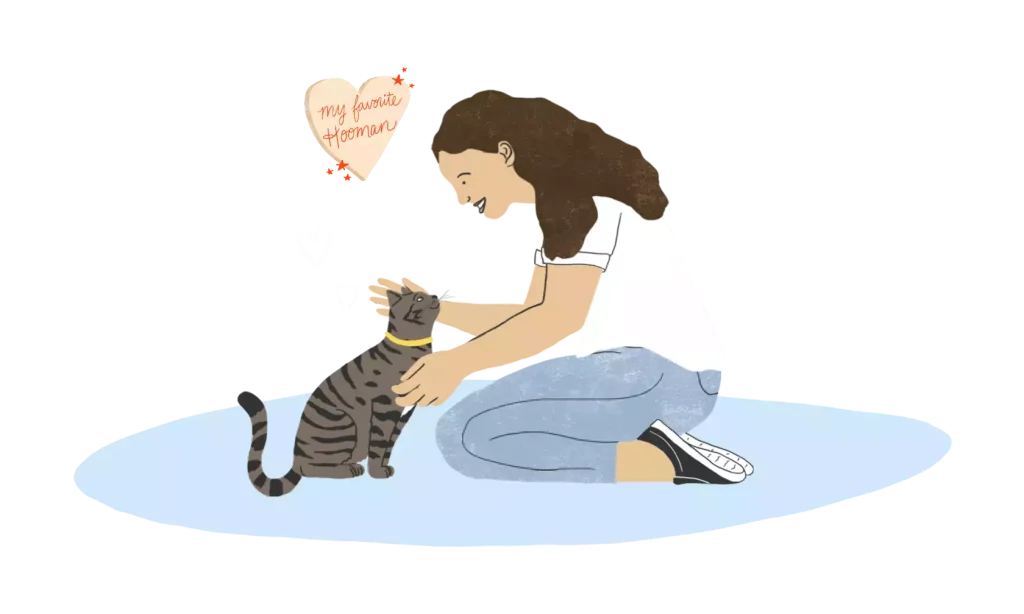
- Interaction with Humans: The nature and intensity of human interaction play an instrumental role in shaping a cat’s social behavior. Regular engagement through play and affection can help enhance the bond between a cat and its owner. Cats that experience nurturing interactions are often seen to be more relaxed and sociable. By taking time to engage in quality activities, such as interactive toys or puzzle feeders, owners can positively influence their cats’ emotional states, making them more adaptable to various situations.
- Exposure to Other Animals: The ability to socialize with other pets or unfamiliar humans can significantly affect a cat’s behavior. Kittens that are gently exposed to diverse environments and experiences during their early developmental stages are more likely to grow into well-adjusted adults. In contrast, adult cats with limited social interactions may exhibit defensive behaviors when introduced to newcomers. Thus, understanding the socialization window is crucial for developing a healthy feline companion.
- Environmental Enrichment Strategies: Providing diverse enrichment options is essential for a cat’s physical and mental stimulation. Interactive toys, scratching posts, and cozy napping spots contribute to a well-rounded living situation. Studies have shown that cats entertained with engaging toys tend to exhibit lower stress levels and fewer destructive behaviors. Furthermore, rotating toys and adding new puzzles can keep a cat’s environment fresh and interesting.
Moreover, stressors, such as loud noises or abrupt changes in routine, can lead to undesirable behaviors like excessive grooming or territorial aggression. It is crucial for pet owners to recognize and adapt to their cats’ needs by modifying their environment to alleviate stress. For instance, a study revealed that cats introduced to tranquil spaces experienced decreased anxiety and displayed enhanced positive social behaviors.
The significance of environmental influence extends beyond just comfort; it shapes how a cat interacts with its surroundings and its human family. Therefore, understanding these dynamics serves as a cornerstone for creating a harmonious living atmosphere that encourages healthy feline behavior. By taking a proactive approach in adjusting the environmental factors, cat owners in the United States can observe remarkable improvements in their pets’ socialization skills and overall demeanor.
| Environmental Factor | Impact on Behavior |
|---|---|
| Social Interaction Opportunities | Cats exposed to diverse feline and human interactions tend to develop better social skills and exhibit less aggression. |
| Spatial Environment | The presence of vertical spaces can decrease stress levels and enhance confident exploration, positively influencing overall behavioral engagement. |
A cat’s environment plays a pivotal role in shaping its social behaviors and interactions. For instance, social interaction opportunities, including exposure to various cats and humans, are crucial in developing a well-rounded personality. These interactions can lead to a decrease in aggression and an increase in confidence, as cats learn to navigate social dynamics effectively. Moreover, the spatial environment significantly affects feline behavior. Environments rich in vertical spaces, such as shelves and cat trees, allow cats to explore and establish territory, which can reduce anxiety and encourage healthy exploratory behaviors. Understanding these factors can lead to improved welfare for domestic cats, highlighting the importance of designing living spaces that support their natural instincts. As pet owners, creating a stimulating environment is key to fostering balanced socialization and behavior in our feline companions.
Understanding the Role of Socialization and Environmental Context
Beyond physical layout and interaction, the broader socialization context within which a cat lives plays a crucial role in shaping its behavior. The interactions that occur within the household—between different family members, visitors, and even potential threats—contribute substantially to a cat’s emotional well-being and adaptability. Early exposure to various human behaviors and social structures can condition a kitten’s comfort levels with new situations. For example, kittens raised in busy households where they encounter various noises, movements, and personalities tend to adapt better to new environments later in life.
The Influence of Neighborhood Dynamics
Interestingly, a cat’s environment extends beyond the immediate household. Neighborhood dynamics heavily influence a cat’s experiences and behaviors. For instance, outdoor cats or those with access to windows may face stimuli from passing vehicles, other animals, and even different human interactions. Observing these elements can either intimidate a cat or enhance its confidence, depending on its prior experiences. In urban areas, where the pace of life is fast and stimuli can be overwhelming, cats that are less socially adept may exhibit heightened fearfulness or even territorial aggression. Recognizing the challenges presented by a bustling neighborhood can guide owners in finding ways to create more calming indoor environments.
Routine and Stability
The stability of routine and predictability also play a vital role in a cat’s emotional health. Cats are creatures of habit, and changes in daily activities, such as feeding times or sleep patterns, can lead to increased anxiety. Research shows that maintaining a stable environment helps foster trust and encourages positive interactions between pets and owners. In fact, a longitudinal study indicated that cats with consistent daily routines showed fewer signs of stress compared to those with fluctuating schedules. Therefore, stable schedules, encompassing feeding, playtime, and rest, can significantly enhance the well-being of domestic cats.
The Impact of Environmental Stressors
Moreover, environmental stressors, such as high-traffic areas, lack of hiding spaces, or exposure to loud sounds, can lead to behavioral issues. For instance, a survey of cat owners indicated that those living in stressful environments reported higher instances of behavioral problems, including litter box avoidance and aggression. To combat these stress factors, creating a safe haven where a cat can retreat and feel secure is crucial. A designated, quiet area equipped with cozy beds or cat structures can help them navigate stress effectively, promoting healthier social behaviors.
- Routine Adjustments: Establish set times for feeding, play, and cuddling, allowing the cat to develop a sense of security and predictability.
- Safe Spaces: Introduce areas within the home where the cat can retreat when feeling overwhelmed, ensuring it has access to hiding spots and vertical spaces.
- Observational Opportunities: Create areas where the cat can observe the outdoor world from a safe vantage point, enriching its environment and stimulating its natural instincts.
By delving into these aspects—the socialization context, neighborhood influences, routine stability, and environmental stressors—cat owners can gain a comprehensive understanding of how their furry companions experience their world. They can take actionable steps to alter their environments accordingly, promoting beneficial behaviors and improving the socialization of their cats. Ultimately, a holistic approach that encompasses all dimensions of the feline experience can facilitate a more harmonious coexistence between humans and their feline friends.
Conclusion: The Holistic Perspective on Cat Behavior
Understanding the complex interplay between a cat’s environment and its socialization is essential for any responsible pet owner. The environment significantly influences a cat’s behavior, shaping its reactions and interactions within the home and beyond. From the design of the living space to the dynamics of neighborhood life, every element contributes to how a cat perceives its world. For instance, a multi-cat household might create a rich tapestry of social interactions, but it may also introduce stressors that necessitate careful management to prevent behavioral issues.
Moreover, the importance of consistent routines cannot be overstated. Establishing stable daily patterns allows cats to thrive, reducing anxiety and fostering positive behaviors. In addition, mitigating environmental stressors by crafting safe spaces can enhance a cat’s sense of security, promoting healthy social engagements. For owners wanting to deepen their understanding of feline behavior, observing their cats in varied settings and implementing modifications based on these insights can lead to a more harmonious relationship.
In conclusion, by embracing a holistic approach that accounts for all facets of a cat’s environment, owners can significantly enhance their pets’ well-being. This comprehensive perspective not only benefits the individual cat but fosters a deeper understanding of feline nature itself, paving the way for a more compassionate and informed way of caring for these enigmatic companions. Ultimately, creating an enriching environment tailored to a cat’s socialization needs can lead to a happier, more confident feline friend.