
The Importance of Regular Veterinary Check-Ups for Preventative Health in Pets
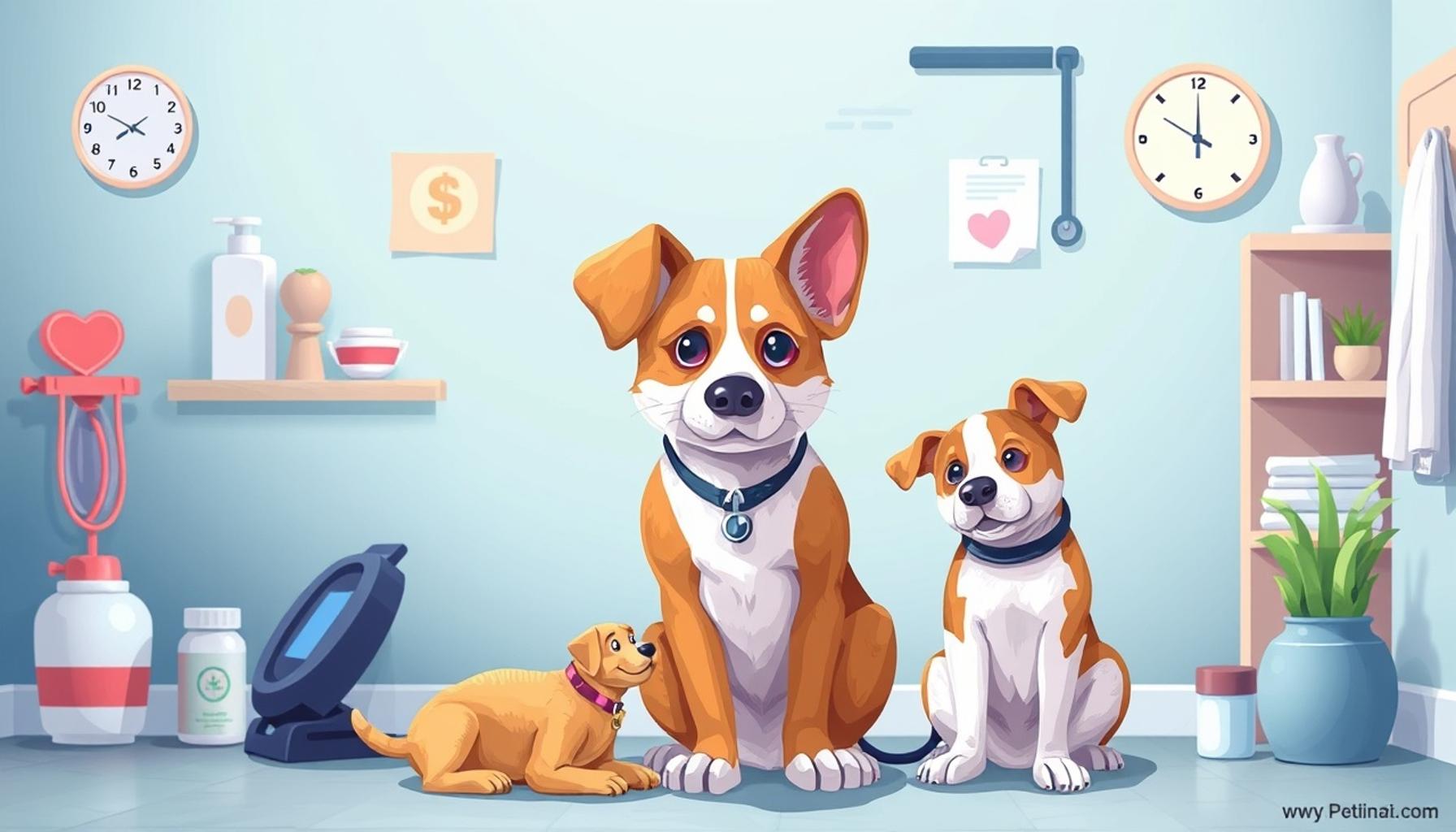
The Importance of Regular Veterinary Check-Ups for Your Pet
Every pet owner knows the joy a furry companion can bring. However, keeping that companion healthy and happy requires more than just love and attention. Regular veterinary check-ups are essential to ensure your pet lives a long and healthy life. By prioritizing these visits, you take an active role in safeguarding your pet’s health.
Preventative health care plays a significant role in maintaining your pet’s well-being. Through regular check-ups, veterinarians can:
- Detect early signs of illness: Just like humans, pets often show subtle signs of health issues that can be caught during routine visits. For example, weight loss, changes in appetite, or unusual behavior may indicate underlying health problems. By identifying these signs early, veterinarians can implement treatment or lifestyle changes that may prevent more serious conditions.
- Administer vaccinations: Vaccines protect against serious diseases such as parvovirus in dogs or feline leukemia in cats. These illnesses can be fatal, making regular vaccinations critical in protecting your pet’s health. Depending on your location and your pet’s lifestyle, your veterinarian will recommend a tailored vaccination schedule.
- Provide dental care: Oral health is vital; a check-up allows for professional cleaning and advice on home care. Dental disease is common in pets and can lead to pain, infection, and even systemic health issues if left untreated. Annual cleanings and routine screenings at the veterinarian can help maintain your pet’s dental hygiene.
Furthermore, regular visits can help you stay informed about:
- Nutritional needs: A vet can advise on diet based on your pet’s age, breed, and health status. For example, puppies require different nutrients than older dogs, and specific breeds may have predispositions to certain health issues that necessitate a special diet.
- Behavioral issues: Early intervention can often resolve problems before they escalate. Encountering issues like excessive barking, anxiety, or aggression is common, and discussing these with a veterinarian can lead to effective solutions and training resources.
- Parasite prevention: Routine checks provide opportunities to discuss flea, tick, and worm prevention methods. In the U.S., parasites can be prevalent, especially in warmer months, making it essential to stay proactive with preventive treatments.
Taking the time for these veterinary appointments not only enhances your pet’s quality of life but also strengthens the bond between you. Dogs and cats rely heavily on their owners for health and wellbeing, and regular check-ups demonstrate your commitment to their health. Ultimately, investing in your pet’s health today can lead to a happier, healthier tomorrow.
In conclusion, while it might be easy to overlook veterinary appointments when your pet seems fine, regular check-ups are a cornerstone of responsible pet ownership. With the right care and timely interventions, you can ensure your furry friend enjoys a long, vibrant life by your side.

Understanding the Value of Preventative Care
When considering your pet’s health, preventative care is not just an option—it’s a necessity. Regular veterinary check-ups provide a foundation for detecting and addressing health issues before they develop into serious problems. An estimated one in four dogs and one in five cats have undiagnosed health conditions, many of which could be identified during a routine exam. By maintaining a schedule of regular visits, pet owners can unlock the door to a multitude of health benefits.
One of the fundamental aspects of preventative health care is the ability to detect early signs of illness. Subtle changes in behavior or health can easily go unnoticed at home, but trained veterinarians know what to look for. For instance, a pet that starts to show lethargy, exhibits changes in weight, or develops strange habits may be signaling a medical issue. Early intervention can not only lead to simpler, less invasive treatments but can also extend your pet’s lifespan significantly.
Regular check-ups also play a crucial role in vaccination administration. Vaccines are a first line of defense against several dangerous diseases that can afflict our beloved pets. Common examples in the United States include distemper and kennel cough for dogs, while feline viral rhinotracheitis and rabies are critical for cats. Missing vaccination schedules can leave pets vulnerable to these life-threatening diseases, making adherence to your veterinarian’s recommended vaccination plan essential.
Comprehensive Health Assessment
During a routine visit, the veterinarian conducts a thorough examination that encompasses various aspects of your pet’s health. This examination usually includes:
- Weight and Body Condition Assessment: Maintaining a healthy weight is vital. Obesity can lead to a range of health issues such as diabetes, joint problems, and heart disease. A veterinarian can guide you on managing your pet’s weight through diet and exercise.
- Skin and Coat Evaluation: Skin issues are common among pets, and a comprehensive assessment allows for early detection of allergies, infections, or parasites such as fleas and ticks, which can be detrimental to your pet’s health.
- Monitoring of Vital Signs: Routine checks include heart rate, respiratory rate, and temperature, facilitating the identification of potential health concerns before they progress.
- Behavioral Assessment: A discussion about your pet’s behavior can reveal underlying problems such as anxiety or stress, leading to timely training or therapeutic interventions.
The commitment to regular veterinary visits serves not only to enhance your pet’s health but also to ease your mind. Understanding the vitality of these appointments ensures you are taking all necessary precautions to provide your pet with the longest, healthiest life possible. By remaining proactive about your pet’s health, you reinforce your role as a responsible pet owner and help create a loving, nurturing environment for your furry friend.
The Importance of Regular Veterinary Check-Ups for Preventative Health in Pets
Regular veterinary check-ups are crucial for maintaining your pet’s health and longevity. These appointments not only allow veterinarians to catch potential health issues early but also provide an opportunity for pet owners to receive vital education on their pets’ care, diets, and behavioral needs. Understanding the preventative measures available can significantly improve a pet’s quality of life.
One of the most significant benefits of having these routine check-ups is the early detection of diseases. Conditions such as dental disease, obesity, and heart problems can develop quietly over time. During a check-up, the veterinary staff often conducts a comprehensive physical examination, which may include blood tests and vaccinations, and can identify these issues before they become severe.
Moreover, regular visits allow for personalized healthcare plans tailored to the specific needs of your pet. For example, a senior dog may require different nutritional guidance and monitoring than a young kitten. These tailored plans ensure that your pet receives age-appropriate care, ultimately enhancing their overall well-being.
Another highlight is the reassurance provided to pet owners. Knowing that your furry friend is up to date on vaccinations and health assessments can alleviate anxiety. It empowers owners with knowledge, helping them to better understand signs of distress or discomfort in their pets.
Ultimately, prioritizing regular veterinary check-ups is an investment in your pet’s health, leading to happier, longer lives. The consistent oversight from veterinary professionals provides both you and your pet with invaluable support, making these appointments a necessary component of responsible pet ownership.
| Advantage | Description |
|---|---|
| Early Disease Detection | Regular check-ups help spot health issues before they escalate. |
| Tailored Health Plans | Veterinarians provide customized care based on your pet’s needs and medical history. |
The Role of Routine Diagnostics and Preventative Treatment
In addition to physical examinations, regular veterinary check-ups enable pet owners to take advantage of routine diagnostics that can catch health concerns early. Diagnostic tests such as blood work, fecal exams, and urinalysis can reveal hidden issues that may not be immediately evident. For instance, blood tests can uncover problems with organ function, hormonal imbalances, or infections. Such early identification of issues can lead to prompt treatment, resulting in better outcomes and potentially reducing the costs associated with more complicated medical interventions.
Moreover, advancements in veterinary medicine continue to improve diagnostic procedures, making them more effective and accessible. For example, technology such as digital radiography and ultrasound allows veterinarians to visualize internal structures and assess ailments with greater precision. These tools not only enhance the veterinary diagnostic process but also alleviate anxiety in pet owners. Knowing that your pet is receiving state-of-the-art care fosters a sense of assurance and trust in the veterinary profession.
The Benefits of Preventative Treatments
Routine veterinary visits intersect strongly with the administration of preventative treatments. Preventative care goes beyond vaccinations and encompasses strategies for maintaining optimal health, such as flea and tick control, heartworm prevention, and dental health management. Parasitic infections, if not addressed, can lead to severe health complications. For instance, heartworm disease can result in heart failure and even death. Regular preventative measures prescribed by your veterinarian can drastically reduce the risk of such diseases.
Dental health is another critical aspect of pet welfare often overlooked by owners. According to the American Veterinary Dental College, approximately 80% of dogs and 70% of cats show signs of oral disease by the age of three. During regular check-ups, veterinarians assess the health of your pet’s teeth and gums and may recommend professional cleanings or at-home care routines to prevent issues such as periodontal disease, which can lead to systemic infections.
Emotional and Behavioral Health Considerations
Regular veterinary visits also provide an opportunity to address emotional and behavioral health, which is often intertwined with physical health. Pets can develop behavioral issues due to anxiety, stress, or changes in their environment. Discussing these matters with a veterinarian allows for tailored solutions, such as behavioral modifications and training recommendations. The veterinarian may also refer the pet owner to a certified animal behaviorist when necessary.
Additionally, routine interactions with the veterinary staff can help socialize pets, making future visits less stressful for both the animal and the owner. A positive experience at the vet’s office can foster confidence in pets, making them more comfortable with examinations, vaccinations, and other medical processes throughout their lives.
Fostering a close relationship with your veterinarian is crucial for addressing not just immediate health concerns but also the overall wellness of your pet. These routine visits foster an environment where preventative care becomes second nature, allowing pet owners to be vigilant about their furry companions’ health and happiness.
Conclusion: Ensuring a Healthy Future for Our Pets
In closing, the importance of regular veterinary check-ups cannot be overstated when it comes to maintaining the overall health and well-being of our beloved pets. These routine visits go beyond mere vaccinations; they serve as critical checkpoints for detecting potential health issues early on, utilizing advanced diagnostic tools that enhance our veterinarians’ ability to provide exceptional care. As loving pet owners, it is imperative that we invest in preventative health measures that encompass regular check-ups, dental care, and proactive management of behavioral concerns.
Moreover, these visits foster a strong bond between pet owners and veterinarians, creating an environment where health concerns can be swiftly addressed and emotional queries can be discussed. By prioritizing routine veterinary care, we not only ensure that our pets live vibrant, happy lives but also reduce the likelihood of severe health complications that can arise unnoticed over time.
As we reflect on the staggering statistics—like the fact that a majority of pets will show signs of dental disease by age three—it becomes clear that prevention is indeed better than cure. Therefore, next time your furry friend is due for a check-up, remember that these appointments are not just obligations; they are essential for a healthier and longer life for our four-legged family members. Make that vital investment in your pet’s health today—because when it comes to preventative care, every moment counts.