The Influence of Age on Pet Nutrition: How to Adjust Their Diet as They Age
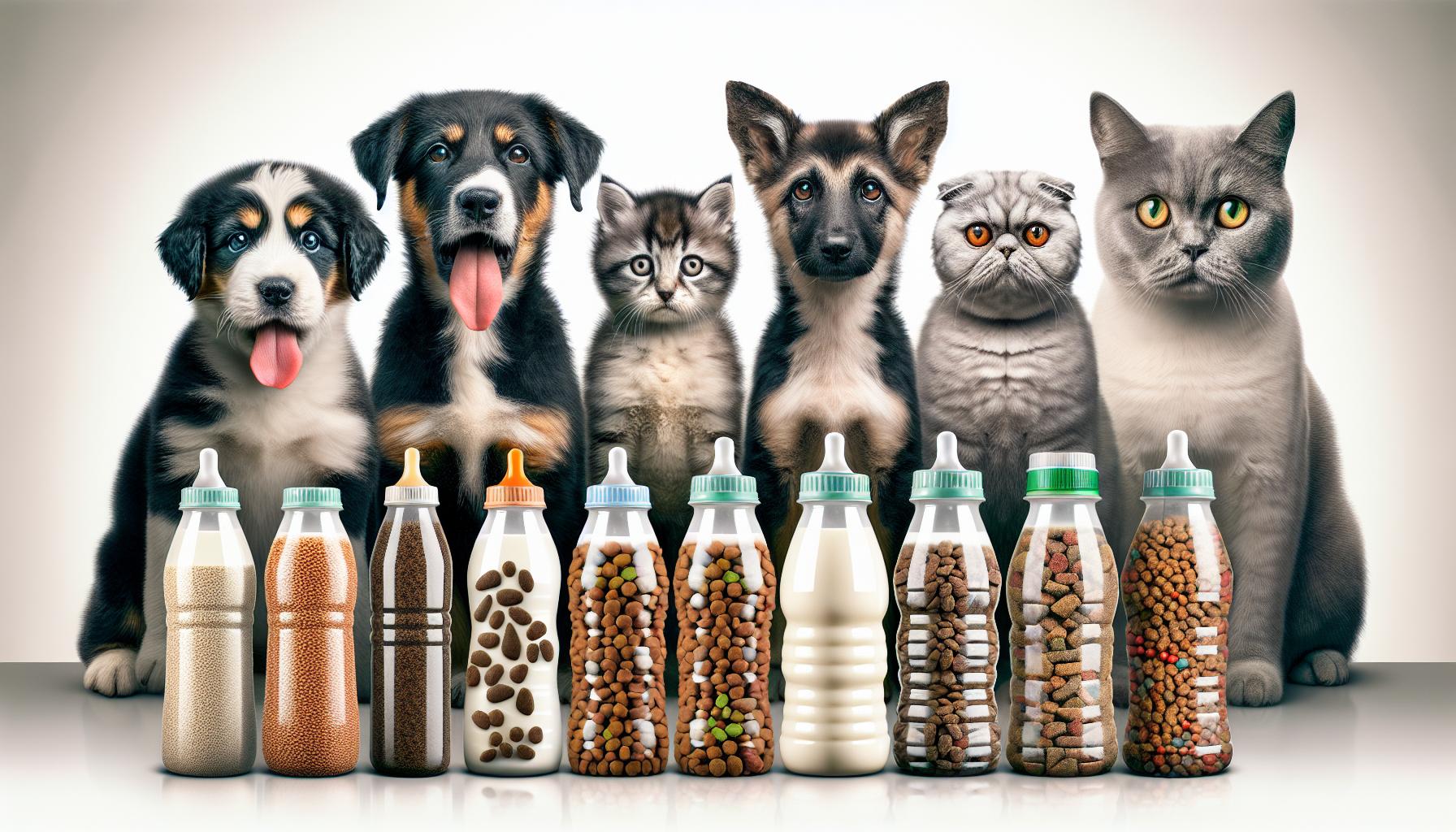
As our beloved pets journey through life, their nutritional requirements evolve significantly. It is imperative for pet owners to recognize and adapt to these changes to ensure their furry companions lead healthy and fulfilling lives. Making dietary adjustments plays a crucial role in enhancing the overall well-being of pets as they progress through various life stages.
Key Factors Influencing Nutritional Needs
When evaluating their pet’s diet, owners should take into account several critical factors:
- Age-specific requirements: Just like human infants, puppies and kittens have distinct nutritional needs compared to senior pets. Puppies require higher levels of protein and fat to support their rapid growth and active play. Conversely, older pets may benefit from diets lower in calories but enriched with supportive nutrients to maintain muscle mass and overall health.
- Weight management: An observable aspect of aging is a decrease in activity. This decline often leads to obesity in pets, which can exacerbate health problems. Therefore, it becomes essential to provide a balanced diet that caters to their diminishing energy levels while ensuring they do not gain excessive weight. Incorporating low-calorie treats and controlling portion sizes can be effective strategies for weight management.
- Digestive health: Aging often brings about digestive issues as a pet’s gastrointestinal system becomes less efficient. Pets may experience constipation, reduced nutrient absorption, or other digestive difficulties. In such cases, a diet high in fiber and moisture can be helpful, with options ranging from specialized senior pet foods to home-prepared meals that include soft vegetables and easily digestible proteins.
Common Health Conditions in Aging Pets
In addition to standard dietary adjustments, pet owners must remain vigilant about specific health conditions that frequently arise as pets age:
- Kidney disease: This condition is prevalent in senior cats and dogs. A diet low in phosphorus and protein but high in omega fatty acids can support kidney function, helping to prolong your pet’s life.
- Diabetes: Older pets can be especially prone to this illness due to hormonal changes and declining activity levels. Foods high in fiber and complex carbohydrates can help regulate blood sugar levels, which is crucial to managing diabetes effectively.
- Arthritis: Joint pain is a common affliction as pets age. Foods enriched with glucosamine and chondroitin can promote joint health, while maintaining an optimal weight will reduce stress on their joints. Regular veterinary check-ups can guide owners in selecting the best dietary options for arthritis management.
Implementing Dietary Changes
With a better understanding of how age impacts pet nutrition, pet owners can make informed adjustments throughout their companion’s life. For each stage of life—puppy, adult, and senior—there are tailored dietary recommendations available. Consulting with a veterinarian can provide clarity on specific needs based on the individual pet’s health profile. Additionally, educating oneself on high-quality pet foods and understanding ingredient labels can empower owners to make better choices for their pets.
In conclusion, adapting to your pet’s changing nutritional needs is a vital component of responsible pet ownership. These adjustments not only enhance the quality of life but can directly influence the longevity and happiness of our furry friends. By exploring the best dietary practices, we can ensure our companions remain healthy and energetic throughout their lives.
DIVE DEEPER: Click here to discover how pets boost your well-being
Understanding the Nutritional Shifts Across Life Stages
The nutritional demands of pets are not static; they shift dramatically through the various stages of life. One of the most significant transitions occurs as pets move from the puppy or kitten stage to adulthood and eventually to their senior years. Recognizing these shifts is critical for pet owners aiming to provide the best possible care for their companions. Each stage of life not only brings distinct dietary requirements but also presents an opportunity for owners to strengthen their bond with their pets through tailored nutrition.
Puppies and Kittens: Laying the Foundation
Puppies and kittens, while adorable and playful, require a diet rich in calories, protein, and fat to support their rapid physical and cognitive development. According to the Association of American Feed Control Officials (AAFCO), a diet meant for puppies should contain at least 22% protein and 8% fat, while kittens need 30% protein and 9% fat. This increased nutrient density ensures they grow to their full potential, helping differentiate them from adult pets who require fewer calories per pound.
Pet owners should also be mindful of the type of food they select. For instance, high-quality commercial pet foods formulated specifically for growth can be a reliable choice, but it’s crucial to check the ingredients. A well-balanced diet should include premium protein sources, such as chicken or fish, and provide essential vitamins and minerals to support their burgeoning immune systems. Additionally, it’s wise for owners to engage in a discussion with a veterinarian to determine the best dietary approach for their young pets.
Adults: Maintaining Balanced Nutrition
As pets transition into their adult years, their nutritional needs shift towards maintaining their health rather than fostering growth. Adult pets generally thrive on a diet that contains a balanced composition of protein, fat, and carbohydrates. The nutritional requirements, while still needing to be high quality, are less intensive, typically around 18% protein and 5% fat. Portion control becomes increasingly important, as pets tend to lead a more sedentary lifestyle.
Monitoring weight is critical during this phase. A burgeoning waistline can lead to obesity, which brings numerous health challenges such as diabetes and joint issues. Owners should focus on shifting their pets to a maintenance diet that ensures their energy needs are met without excess. Incorporating low-calorie treats and adhering to recommended feeding guidelines helps keep their pets in optimal physical condition.
Senior Pet Nutrition: Addressing Aging Needs
As pets enter their golden years, their nutritional needs become even more specialized. Many senior pets experience a decline in metabolic rate, necessitating a nutritional shift towards lower-calorie food that doesn’t compromise on essential nutrients. Additionally, senior diets should support joint health, digestive capabilities, and heart function. Ingredients like glucosamine for joint support, easily digestible proteins, and high-fiber options can greatly improve a senior pet’s quality of life.
While adjusting to these dietary changes can be complex, the key is to remember that age alters a pet’s physiology and, as a result, their nutritional requirements. Close observation and regular consultations with a veterinarian are critical for guiding these transitions effectively. By understanding the influence of age on pet nutrition and adapting their diet accordingly, pet owners not only ensure enhanced well-being but also contribute significantly to their pet’s longevity and happiness.
| Nutritional Needs | Adjustments as Pets Age |
|---|---|
| Protein | Older pets require higher-quality protein to maintain muscle mass. |
| Fat Content | Reducing fat intake can prevent obesity, common in senior animals. |
| Fiber | Increased fiber supports digestive health and helps control weight. |
| Consultation | Regular vet check-ups are vital for personalized dietary plans. |
As pets age, their nutritional requirements change significantly. Adapting their diet is crucial for maintaining optimal health and well-being. The shifts in digestion and metabolism can notably affect how pets utilize nutrients. For instance, senior pets may show increased difficulty in digesting certain proteins, making high-quality protein sources essential to preserve muscle mass.Moreover, the fat content in a senior pet’s diet should be closely monitored. Many older pets tend to become less active, leading to a higher risk of obesity; therefore, adjusting their food to lower fat options is beneficial. Fiber is another critical component; seniors often struggle with digestive issues, so increasing fiber intake can help manage these concerns effectively. Regular check-ups with a veterinarian can facilitate timely dietary adjustments, ensuring every individual pet’s unique needs are met as they enter their golden years.
DIVE DEEPER: Click here to discover how pets can boost your wellness
Navigating the Specific Dietary Requirements of Aging Pets
Adjusting the diet of aging pets goes beyond simply reducing calories. In fact, senior pets often face a host of unique health challenges that necessitate a more nuanced approach to their nutrition. Recognizing these challenges can help pet owners provide a diet that promotes vitality and mitigates age-related health issues.
Recognizing Health Challenges in Senior Pets
With advancing age, pets may begin to suffer from various conditions, such as arthritis, kidney disease, and dental problems. Each of these issues requires careful attention to diet:
- Arthritis: As joint health becomes a growing concern for senior pets, providing a diet enriched with omega-3 fatty acids can help reduce inflammation and pain. Ingredients such as fish oil or flaxseed are excellent additions to support joint health.
- Kidney Disease: Pets suffering from kidney issues may require a diet lower in protein and phosphorus to reduce stress on the kidneys. Incorporating more wet foods can assist with hydration, crucial for kidney function, while still providing necessary nutrients.
- Dental Problems: Aging pets often face dental challenges, which can hinder their ability to chew dry kibble. Transitioning to soft or wet foods not only eases their eating experience but often contains higher moisture levels, benefiting their overall hydration.
The Role of Supplements
In addition to modifying their main diet, the inclusion of nutritional supplements can play a pivotal role in enhancing the quality of life for senior pets. Common supplements include:
- Probiotics: To aid digestive health, probiotics can improve gut flora balance and help with any gastrointestinal issues that may arise.
- Antioxidants: Ingredients like vitamin E, vitamin C, and beta-carotene may help combat oxidative stress, promoting cellular health in aging pets.
- Joint Support Supplements: Formulations containing glucosamine, chondroitin, and green-lipped mussel are popular choices to aid mobility in arthritic pets.
Hydration: A Vital Aspect of Nutrition
Hydration becomes increasingly important as pets age, particularly because many may not drink enough water on their own. Dehydration can exacerbate most health issues, particularly kidney problems. Offering fresh water regularly and incorporating moist foods can ensure that senior pets remain hydrated. Additionally, consider using pet water fountains which entice dogs and cats alike to drink more.
Monitoring Dietary Changes
As changes are made to the diets of aging pets, pet owners should be vigilant in observing their pet’s responses. A gradual transition is essential to minimize gastrointestinal disturbances; sudden changes can lead to issues such as diarrhea or inappetence. Keeping a food diary to track any adverse reactions or improvements can be beneficial. Regular veterinary check-ups should also be scheduled to assess overall health and adjust dietary needs accordingly.
Engaging with a veterinary professional is crucial for identifying the most appropriate diet plan tailored to an individual pet’s unique health concerns and life stage. The goal is to nourish them in a manner that enhances their quality of life while accommodating their evolving needs as they age.
DIVE DEEPER: Click here to find out how pets enhance our well-being
Conclusion
Understanding the influence of age on pet nutrition is essential for ensuring our furry companions lead healthy, fulfilling lives as they transition from youthful exuberance to dignified maturity. Aged pets require more than just a simple reduction in calories; their diets must be tailored to address the specific health challenges they face. From arthritis to kidney disease and dental issues, each condition presents unique dietary needs that demand close attention.
Incorporating beneficial ingredients such as omega-3 fatty acids, moist foods, and necessary nutritional supplements not only safeguards their physical health but also significantly enhances their quality of life. Regular monitoring of their hydration levels and dietary responses can pave the way for necessary adjustments, ensuring that changes are made progressively and thoughtfully. Engaging with veterinary professionals remains crucial, as they possess the expertise to tailor nutrition plans suited to each pet’s health profile.
As the pet industry becomes increasingly aware of the importance of senior pet care, resources and information continue to expand. This means pet owners are better equipped than ever to make informed decisions regarding their pets’ diets. Ultimately, by prioritizing proper nutrition and remaining vigilant about their aging pets’ needs, owners can nurture their beloved animals through every stage of life, ensuring comfort and vitality in their twilight years. Explore further, consult with experts, and embark on this rewarding journey of enhancing your pet’s life through careful nutritional planning.