
The Role of Rescue Organizations in Animal Adoption: How They Make a Difference
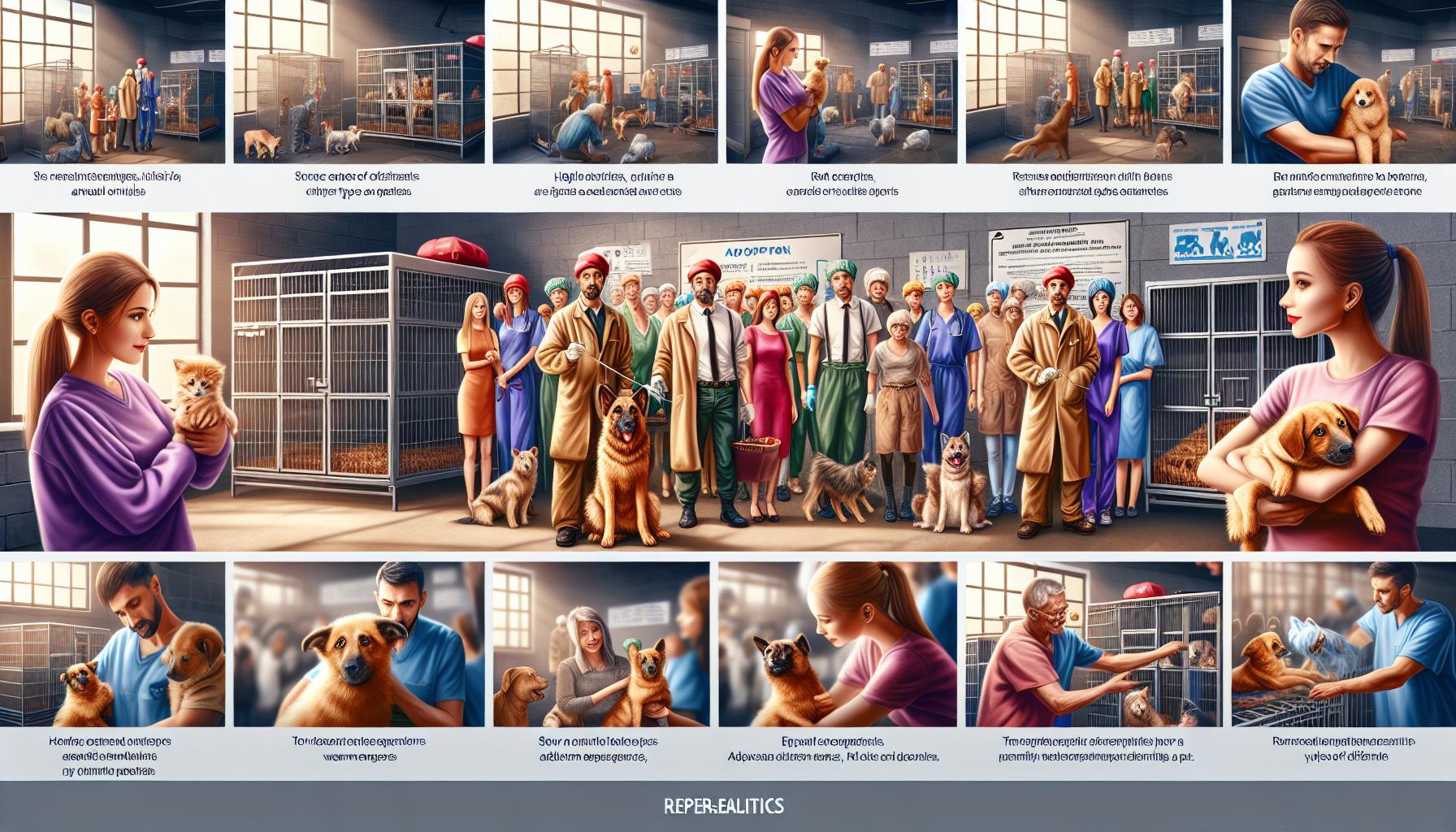
Understanding the Impact of Rescue Organizations
Every year, millions of animals find themselves in shelters across the United States. Rescue organizations make it their mission to give these animals a second chance at life. Their efforts not only facilitate adoptions but also address critical issues within the community, such as animal overpopulation and neglect. According to the ASPCA, approximately 3.3 million dogs and 3.2 million cats enter U.S. shelters annually, highlighting the urgent need for effective rescue operations.
Key Functions of Rescue Organizations
- Saving Lives: One of the most significant roles of rescue organizations is to pull animals from high-kill shelters. These shelters often have limited resources and space, leading to the heartbreaking outcome of euthanasia. By intervening, rescue groups provide a lifeline for countless animals who otherwise might not have a chance for survival.
- Fostering: Many organizations utilize foster homes to provide temporary residences for animals. This is crucial for socialization and rehabilitation, allowing pets to acclimate to home environments and receive essential care. For instance, a foster family can work on basic training and proper behaviors, easing the transition for these animals when they eventually enter permanent homes.
- Education: Rescue groups actively engage in educating the public about responsible pet ownership and the importance of spaying and neutering. They often host workshops and seminars that promote awareness of the pet overpopulation crisis, and share the benefits of adopting rather than buying pets. Their outreach can significantly contribute to reducing the number of animals in shelters.
Each rescue organization operates with unique approaches, yet they all share a common goal: to find forever homes for animals in need. Their work creates a ripple effect, impacting both the lives of the animals and the families who adopt them. The stories of adopted pets often serve as inspiration, showcasing how love and care can transform a once abandoned animal into a beloved family member.
Community Involvement
Local communities play a vital role in supporting these organizations and enhancing their efforts. Through:
- Volunteering: Individuals contribute time and resources, helping with everything from caring for animals to administrative tasks and event planning. Volunteering allows community members to engage directly with animals and contribute to their welfare.
- Donations: Financial support aids in operational costs, sustains rescue efforts, and covers medical expenses. Many organizations operate on tight budgets, and every dollar makes a significant difference, enabling them to provide necessary healthcare and food for the animals.
- Events: Fundraising events such as charity runs, adoption fairs, and community pet days engage local residents and raise awareness about animal welfare. These events not only raise funds but foster a sense of community and encourage more people to get involved with rescue efforts.
The collective effort of rescue organizations and community support creates a more humane society for all animals. By fostering a network of caring individuals and collaborative partnerships, these organizations ensure that fewer animals are left abandoned or euthanized. Discover how these organizations make a difference and the profound impact they have on our furry friends, inspiring each of us to play a role in creating a better world for animals in need.
DISCOVER MORE: Click here to learn how pets boost your physical wellness
How Rescue Organizations Save Lives and Promote Adoption
Rescue organizations play a pivotal role in the world of animal adoption, serving as the champions of voiceless creatures often left to face dire circumstances. By meticulously executing various functions, these organizations make immense strides toward reducing the heartbreaking statistics associated with animal overpopulation. According to the Humane Society of the United States, approximately 6.5 million companion animals enter U.S. shelters every year; however, rescue organizations actively combat this trend by implementing effective strategies that prioritize adoption and responsible pet ownership.
Crisis Intervention and Lifesaving Measures
Foremost among their functions is the lifesaving intervention that rescue organizations provide. These entities are often on alert for animals at risk in high-kill shelters, where space constraints and limited funding can lead to tragic outcomes. With each animal rescued, organizations not only save lives but spark hope for a better future. For example, organizations across the country coordinate with shelters to identify at-risk animals and expedite their transfer to safety, allowing them time to recover and find loving adoptive homes.
Moreover, these organizations frequently collaborate with local veterinarians to provide much-needed medical care. This isn’t just about giving animals a roof over their heads; it’s about attending to their physical and emotional health as well. Animals that arrive at rescue organizations are often in desperate need of vaccinations, spaying or neutering, and treatment for medical conditions. By handling these health concerns before adoption, rescue organizations ensure that animals are more likely to thrive in their new homes.
Enriching Lives Through Fostering
The concept of fostering is another critical aspect of rescue work. Many organizations employ a network of foster homes where animals can live temporarily before being adopted. This practice serves multiple purposes:
- Socialization: Foster families help animals learn how to adapt to a household environment. This socialization is vital for dogs or cats that may have had traumatic experiences or been isolated for long periods.
- Behavioral Training: Through day-to-day interactions, foster caregivers can teach essential skills and routines that will make the transition to a permanent home smoother, such as basic obedience and house training.
- Emotional Support: Foster homes provide a nurturing environment where animals receive love and attention, rebuilding their trust in humans which is critical for their overall well-being.
By opening their homes to these animals, fosters contribute significantly to successful adoptions. Reports indicate that pets from foster homes often adapt better because they have experienced life in a loving environment, showcasing the essential role fostering plays in the adoption process.
Community Engagement and Public Awareness
The impact of rescue organizations extends beyond mere animal rescue—they also focus on building community awareness. Through public engagement initiatives, such as workshops on pet ownership responsibilities and the importance of spaying and neutering, these organizations endeavor to educate potential pet owners. By fostering a culture of compassion and responsibility, they aim to address the root causes of overpopulation and abandonment.
In a world where animal welfare is frequently overlooked, the actions taken by rescue organizations can lead to transformative changes, not just for individual animals but for communities as a whole. Their multifaceted approach illustrates the profound difference these entities make in promoting humane treatment and the pursuit of lifelong companionship for our furry friends.
| Advantage | Description |
|---|---|
| Comprehensive Support | Rescue organizations provide extensive education on pet care, ensuring successful adoptions. |
| Community Impact | These organizations enhance local communities by reducing the number of homeless animals. |
Rescue organizations play a pivotal role in enabling responsible pet ownership and promoting sustainable adoption practices. One of the primary advantages is their comprehensive support for potential adopters. Organizations often conduct thorough screenings and provide educational resources to help new pet owners understand the responsibilities, needs, and behaviors of their adopted animals. This approach not only fosters healthier relationships between humans and pets but also diminishes the chances of returns to shelters.Additionally, by focusing on community impact, rescue organizations contribute significantly to societal welfare. Through adoption drives and awareness campaigns, they address the pressing issue of animal overpopulation and improve the overall well-being of neighborhoods. Their work decreases the number of stray animals, thus minimizing potential public health risks. This creates a unified effort towards building a compassionate society where every animal has the chance to find a loving home. To learn more about the incredible differences these organizations make, consider exploring their programs and initiatives in your local area.
DISCOVER MORE: Click here to learn how pets enhance our physical wellness
Innovative Programs and Collaborations that Expand Impact
Rescue organizations continuously seek innovative solutions to the challenges faced in animal adoption and welfare. One such approach is the implementation of community outreach programs that bridge the gap between potential adopters and available pets. By holding adoption events in community parks, schools, and shopping centers, these organizations make it easier for people to meet animals in need of homes. For instance, events like “Adopt-a-Palooza” showcase numerous pets in a fun, engaging atmosphere, transforming the adoption process from a daunting task into an enjoyable experience.
Tailored Adoption Processes
Another significant advancement in rescue organizations is the development of tailored adoption processes designed to match animals with the right families. Many rescue groups employ adoption counselors who assess an adopter’s lifestyle, living situation, and preferences before recommending the best pet matches. This tailored approach reduces the likelihood of returns and aids in ensuring long-term success. For example, a family with young children might be steered toward a dog known for its calm demeanor, while individuals seeking a running companion might receive suggestions of high-energy breeds.
Partnerships with Local Businesses and Community Resources
In addition to fostering relationships with the community, rescue organizations often partner with local businesses and services to enhance their adoption services. Collaborations with pet supply stores for supply drives, veterinary clinics for discounted care, or even dog training facilities for post-adoption support create a comprehensive safety net for newly adopted pets. Such partnerships not only help to reduce individual adoption costs for families but also reinforce the idea that animal welfare is a communal effort.
For instance, some rescue organizations work alongside local pet supply stores to offer “welcome home” kits that include necessary items like food, bowls, leashes, and toys, ensuring new adopters are fully equipped to transition their new family member into their home. Statistics show that new pet owners who utilize these resources report higher satisfaction rates and increased bonding experiences with their pets.
Advocacy and Policy Change
Beyond facilitating adoptions, many rescue organizations have taken on the mantle of advocacy. They actively engage in lobbying for legislative changes that enhance animal welfare practices and combat neglect and abuse. Events such as “Paws for a Cause” bring together activists and concerned citizens to rally for improved animal welfare laws. These organizations also lead educational campaigns surrounding the importance of spaying and neutering pets, aiming to reduce the number of animals entering shelters. As a testament to their influence, several states have passed stricter regulations and guidelines as a result of advocacy efforts from these organizations.
Moreover, social media has become a powerful tool for rescue organizations, enabling them to reach a broader audience. Platforms like Instagram and Facebook are utilized to share “urgent” pleas to find homes for animals at risk, often resulting in faster placements than traditional methods. Success stories shared online not only inspire community engagement but also foster a sense of inspiration and urgency among followers to consider adoption.
By focusing on a blended approach of innovation, community partnerships, and advocacy, rescue organizations not only save lives but actively engage in shaping a culture that values animal welfare. These multifaceted efforts continue to make a lasting difference—one adoption at a time.
DISCOVER MORE: Click here to learn how pets can enhance your well-being
Conclusion: The Transformative Power of Rescue Organizations in Animal Adoption
The impact of rescue organizations on animal adoption is profound and far-reaching. By integrating innovative strategies, community outreach, and partnerships with local businesses, these organizations have redefined the adoption landscape, moving away from traditional methods to a more engaging and supportive approach. Their commitment to facilitating tailored adoption processes not only enhances the experience for potential pet owners but also significantly increases the chances of successful, long-term placements. The emphasis on matching pets with appropriate families reflects a deeper understanding of both human and animal needs, ensuring that both can thrive together.
Moreover, the advocacy efforts led by rescue organizations play a critical role in shaping public policy and promoting animal welfare standards across the United States. Their work to lobby for improved legislation highlights the responsibility society holds towards its voiceless inhabitants. Through educational campaigns and insightful social media outreach, these organizations are not just finding homes for animals; they are cultivating a culture of compassion, awareness, and responsibility towards all living beings.
Ultimately, the endeavors of rescue organizations resonate beyond individual adoptions—they foster a collective ethos that values and supports animal life. By continuing to support these organizations, individuals can contribute to a larger movement that transforms not just the lives of pets, but also enriches the communities they inhabit. Engaging with rescue groups opens doors to new relationships, joyous companionships, and a sustainable future for countless animals. As potential adopters, advocates, or volunteers, everyone has a role to play in this vital mission. Together, we can ensure that every animal finds the loving home it deserves.