Tips for Choosing the Ideal Toy for Your Pet
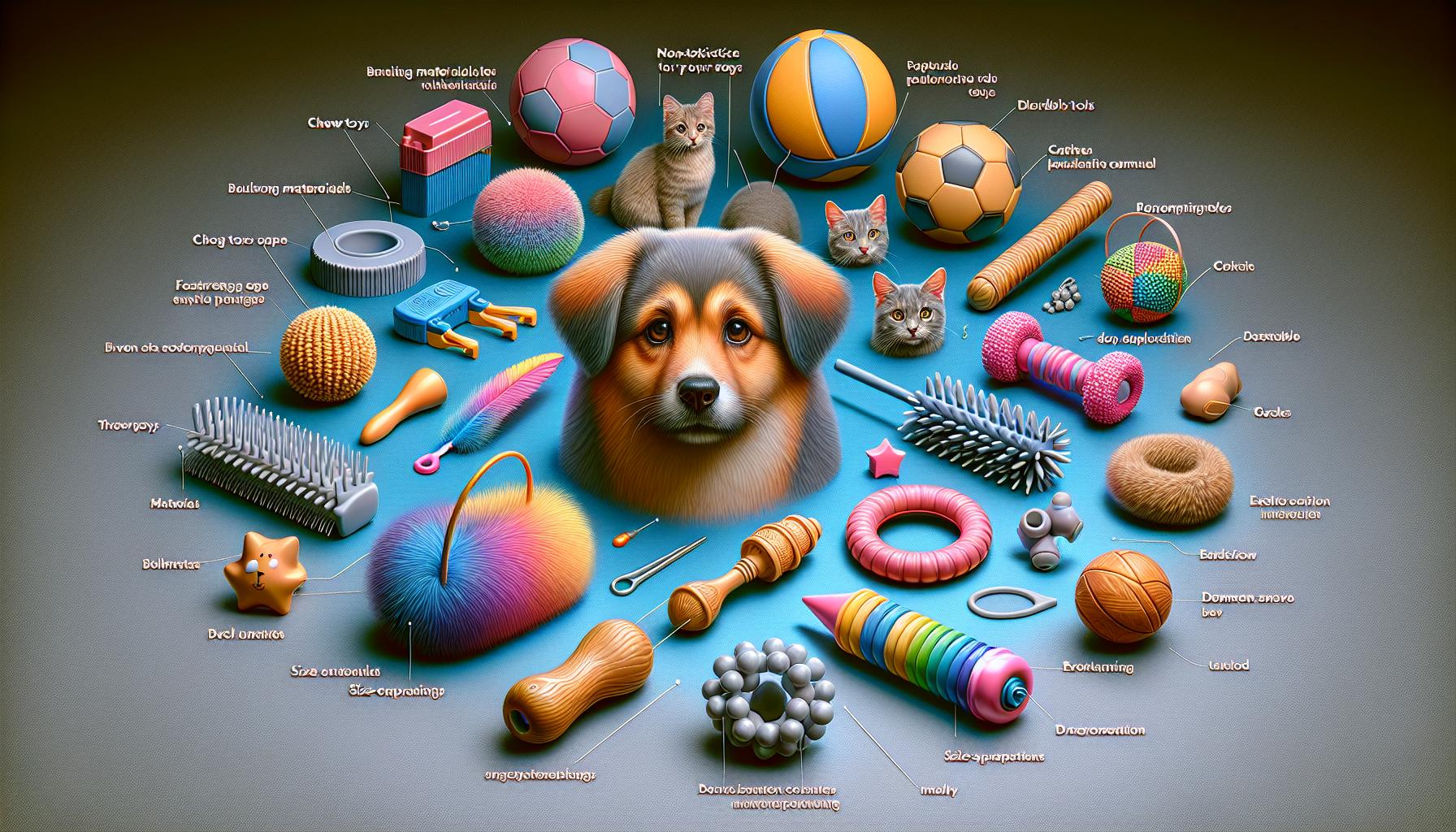
Assessing Your Pet’s Size and Breed
Before diving into the vast ocean of toy options, it’s imperative to assess your pet’s size and breed. This consideration is not merely about aesthetics; it directly impacts safety and enjoyment during playtime. For instance, small breeds like Chihuahuas or Yorkshire Terriers may prefer toys that are tiny and lightweight. Soft toys designed for smaller mouths can often make for great companions, offering play value without the risk of choking. Conversely, large breeds such as Great Danes or Rottweilers require sturdier toys that can endure their powerful jaws. Look for items that are clearly labeled for large breed durability to avoid disappointment or potential hazards.
The Importance of Chewing Habits
Another essential aspect to consider is your pet’s chewing habits. If your furry friend is an aggressive chewer, the right toy selection becomes critical to both safety and longevity. For these enthusiastic chewers, rubber toys are often the best bet, particularly those that are toughened against wear and tear. Brands like KONG or Nylabone offer options engineered specifically for high-energy chewers, making them ideal for entertainments that also promote healthy chewing. On the other hand, stuffed toys may be more suitable for gentler chewers who enjoy cuddling, providing comfort during rest periods. Additionally, dental toys serve a dual purpose: they occupy your pet while simultaneously promoting dental hygiene—a win-win situation for pet owners concerned about oral health!
Understanding Your Pet’s Interests
Each pet has unique preferences and interests that should inform your choice of toys. For example, fetch toys like balls or frisbees can be particularly appealing to active breeds such as Labrador Retrievers or Border Collies, who thrive on outdoor play and exercise. These toys not only fulfill their needs for physical activity but also strengthen the bond between pet and owner during playtime. Alternatively, puzzle toys are great for stimulating mental engagement, especially for intelligent breeds like Poodles or Australian Shepherds. These toys often challenge pets to solve problems to access treats, effectively combating boredom and frustration.
Enhancing Your Pet’s Overall Well-Being
Ultimately, understanding these key factors—size, chewing habits, and interests—can help you choose toys that not only entertain but also enhance your pet’s overall well-being. Toys that stimulate physical or mental activity can lead to happier, healthier pets, reducing anxiety and destructive behaviors at home. Your pet deserves the best available, not only for amusement but for developing their natural instincts and skills. So take the time to explore options, read reviews, and consult with fellow pet owners or veterinarians to make informed choices. In doing so, you’re setting the stage for countless joyful adventures with your furry companion!
DISCOVER MORE: Click here to learn how pets boost our physical wellness
Considering Safety Features
In the pursuit of the perfect toy for your beloved pet, safety cannot be an afterthought. Toys constructed from non-toxic materials should be at the forefront of your selection process. Pets, especially curious ones, often explore their surroundings by mouthing objects, which makes it crucial for their toys to be made from safe substances. Look for clear labels or product descriptions that guarantee the absence of toxic compounds, including BPA (Bisphenol A) and phthalates, both of which have been linked to various health issues in animals and humans alike.
Moreover, in your quest for safe toys, it is vital to be aware of the potential for choking hazards. Small parts, such as squeakers or detachable eyes, can be especially dangerous for younger or exploratory pets. This is where purchasing from reputable manufacturers comes into play; many companies voluntarily submit their toys for safety testing and certification, providing consumers with the assurance that their products meet established safety standards.
Interactive vs. Solitary Play
The dynamics of your pet’s playtime are influenced by their individual preferences, making it essential to consider whether they thrive on interactive activities or prefer solitary entertainment. Interactive toys, such as durable tug-of-war ropes, fetch toys, or sophisticated treat dispensers, foster engagement and connection between pet and owner. These types of toys not only stimulate your pet physically but mentally as well, encouraging problem-solving skills and interaction.
- Interactive Toys: Options like puzzle toys serve dual purposes, combining play with mental stimulation. Pets enjoy the challenge of getting to the treats hidden within, making it an enriching experience while simultaneously fostering a deeper bond with their owner during play sessions.
- Solitary Toys: If your pet is more of an independent spirit, durable chew toys, like those crafted from robust rubber or rope, can provide both comfort and engagement while you are away. Stuffed animals or comfort toys can also offer companionship to pets who may need a bit of emotional support when alone.
Recognizing your pet’s personal playstyles can lead to a more fulfilling toy collection—one that incorporates both interactive and solitary toys to suit their needs.
Exploring Seasonal Trends
Pet toy trends are as dynamic as fashion, offering ample opportunity for creativity and excitement in playtime. Seasonal toys often come adorned with thematic designs that resonate with the time of year. For instance, during the festive season, you might find a plethora of holiday-themed toys, from Santa-shaped chewables to ornaments designed for safe play. Similarly, summer brings beach-themed toys, such as floating balls for water-loving dogs, elevating both play and bonding experiences.
Embracing these seasonal offerings not only rejuvenates your pet’s toy collection but can also spark their curiosity and joy. Furthermore, rotating toys based on the season can reinvigorate a pet’s interest and keep boredom at bay, ensuring ongoing engagement throughout the year.
Conclusion
By prioritizing safety features, understanding your pet’s social interaction preferences, and staying updated on current trends in pet toys, you position yourself to make informed, thoughtful decisions. This tailored approach enhances the play experience, contributing to a happier, healthier life for your pet and strengthening the cherished bond you share. So, arm yourself with knowledge, and navigate the aisles of toy stores or online shops with confidence. Happy toy shopping!
Understanding Your Pet’s Needs
When selecting a toy for your pet, it is crucial to consider their specific needs and preferences. Different pets have varying play styles and behaviors. For example, a high-energy dog may benefit from interactive toys that promote physical activity, while a more gentle cat may prefer cozy toys to snuggle with. Observe how your pet interacts with their current toys, and use this insight to guide your choice.
Safety Should Be Your Priority
Before making a purchase, ensure that any toys you consider are free from harmful materials. Look for certifications and labels indicating that products are non-toxic. Avoid toys with small, detachable parts that pose a choking hazard, especially for mischievous pets who tend to chew. Having durable toys that can withstand rigorous play is essential to maintaining your pet’s safety and enjoyment.
The Importance of Size
Choosing the appropriate size toy for your pet is vital. Toys that are too small can pose choking risks, while oversized toys may deter your pet from playing. For dogs, chew toys should be solid enough to withstand vigorous chewing, while for cats, lightweight toys that can be batted around are ideal. Ensuring that toys are size-appropriate can greatly enhance their effectiveness and your pet’s enjoyment.
| Category | Description |
|---|---|
| Interactive Toys | Encourage mental and physical engagement. |
| Comfort Toys | Provide a sense of security for anxious pets. |
| Durability | Ensure toys can withstand aggressive play. |
| Safe Materials | Avoid toxic substances; look for non-toxic labels. |
Exploring these aspects can lead to a more thoughtful selection process, ensuring that your pet’s toys not only entertain but also contribute positively to their overall well-being. As you consider various options, remember that a well-chosen toy can stimulate your pet’s mind, strengthen your bond, and enhance their quality of life.
DISCOVER MORE: Click here to learn how pets boost physical wellness
Understanding Different Pet Types
Different pets have varied play styles, energy levels, and needs that influence toy selection. Understanding these differences is crucial in choosing the right toys for your furry friends. For example, a young, playful puppy may chew through toys in a matter of minutes, requiring items designed specifically for heavy-duty play. Conversely, a more laid-back older dog might prefer soft toys or gentle fetch balls that suit their relaxed nature.
- Dog Breeds: Large dog breeds, such as Great Danes or Labrador Retrievers, often need robust toys that can withstand their strong jaws. Heavy-duty rubber balls or indestructible chew toys made with thick materials are ideal. In contrast, small breeds like Chihuahuas may benefit from lighter, squeaky toys that match their smaller mouths and are easier for them to carry.
- Cats: Cats are natural hunters and appreciate toys that cater to their instinctual behaviors. Feather wands, laser pointers, and interactive robotic mice can invoke their stalking and pouncing tendencies. Additionally, soft, plush toys mimicking small prey can become ideal companions for many feline pets.
- Small Animals: For pets like rabbits, guinea pigs, or hamsters, safe chew toys made from untreated wood or natural fibers can help maintain their dental health while providing amusement. Enrichment toys that allow these critters to forage for treats also contribute to mental stimulation.
Matching the toy type with the animal’s breed, age, and activity level can result in a more satisfying play experience that encourages healthy exercise and mental engagement.
Material Matters
The material composition of a toy significantly impacts its suitability for your pet. Delicate toys may be suitable for smaller pets but could pose risks to larger, more aggressive chewers. Generally, pet toys are made from various materials, including rubber, fabric, nylon, and natural fibers, each with its benefits and drawbacks.
- Rubber: Especially durable, rubber toys are perfect for vigorous chewers and can withstand intense biting. Brands like Kong specialize in hard rubber toys that also allow for treat filling, making them interactive!
- Fabric: Soft toys and plush animals serve as comfort items for many pets, particularly dogs and cats. It is essential to check that these toys do not contain hazardous materials like buttons or embellishments that could be chewed off.
- Nylon: Long-lasting and tough, nylon toys meet the desires of heavy chewers, but overindulgence can result in dental wear, so monitoring usage is necessary.
- Natural Fibers: Toys made from jute, sisal, or cotton allow for gentle chewing while being biodegradable. These toys are excellent options for environmentally conscious pet owners.
Understanding the materials your pet prefers and what suits their chewing habits is crucial to ensure their playtime is both safe and enjoyable.
Engaging with Your Pet’s Preferences
Every pet has distinct personalities and preferences, making it essential to observe how they interact with different toys. Experimenting with varied playthings can yield valuable insights. For instance, while one dog may prefer toys that squeak, another could find silent balls more appealing.
You can introduce a range of toys—such as balls, ropes, and interactive gadgets—and see which captivate their attention. Additionally, consider your pet’s previous experiences. If they have had positive interactions with a particular style or brand of toy, there’s a good chance they will enjoy similar options in the future.
Moreover, pay attention to your pet’s play patterns. Do they prefer tugging and pulling, or are they more inclined to fetch and chase? By closely observing your pet’s behavior, you can curate a toy collection that matches their unique preferences, ensuring countless hours of joy and stimulation.
DISCOVER MORE: Click here to find out how pets boost your health
Conclusion
Choosing the ideal toy for your pet encompasses a thoughtful blend of understanding your pet’s unique traits, the materials used, and their personal preferences. Recognizing the distinct needs of different animals—from energetic puppies to contemplative cats or even playful small mammals—is the cornerstone of providing enjoyable and engaging play experiences. Observing their play habits and determining what captures their attention will not only enhance their happiness but also contribute to their overall health and well-being.
Moreover, the choice of material is paramount in ensuring safety and durability. Selecting toys made from suitable materials, such as durable rubber for heavy chewers or soft fabrics for gentler play, protects your pet while facilitating their natural inclinations. As you navigate the plethora of options available, consider not just the immediate appeal of a toy, but also its compatibility with your pet’s lifestyle and preferences.
Finally, creating a diverse toy collection allows for exploration and excitement, much like discovering new favorites in a treasure trove. By actively engaging with your pet during playtime and taking the time to curate toys that resonate with their preferences, you foster a deeper bond, promote mental stimulation, and introduce an enriching element to their daily routine. Ultimately, the joy of play lies in the relationship you nurture, ensuring that your pet remains both physically active and emotionally fulfilled.