
Understanding Pet Safety: Tips for Keeping Your Companion Animals Secure During Travel
Understanding the Challenges of Traveling with Pets
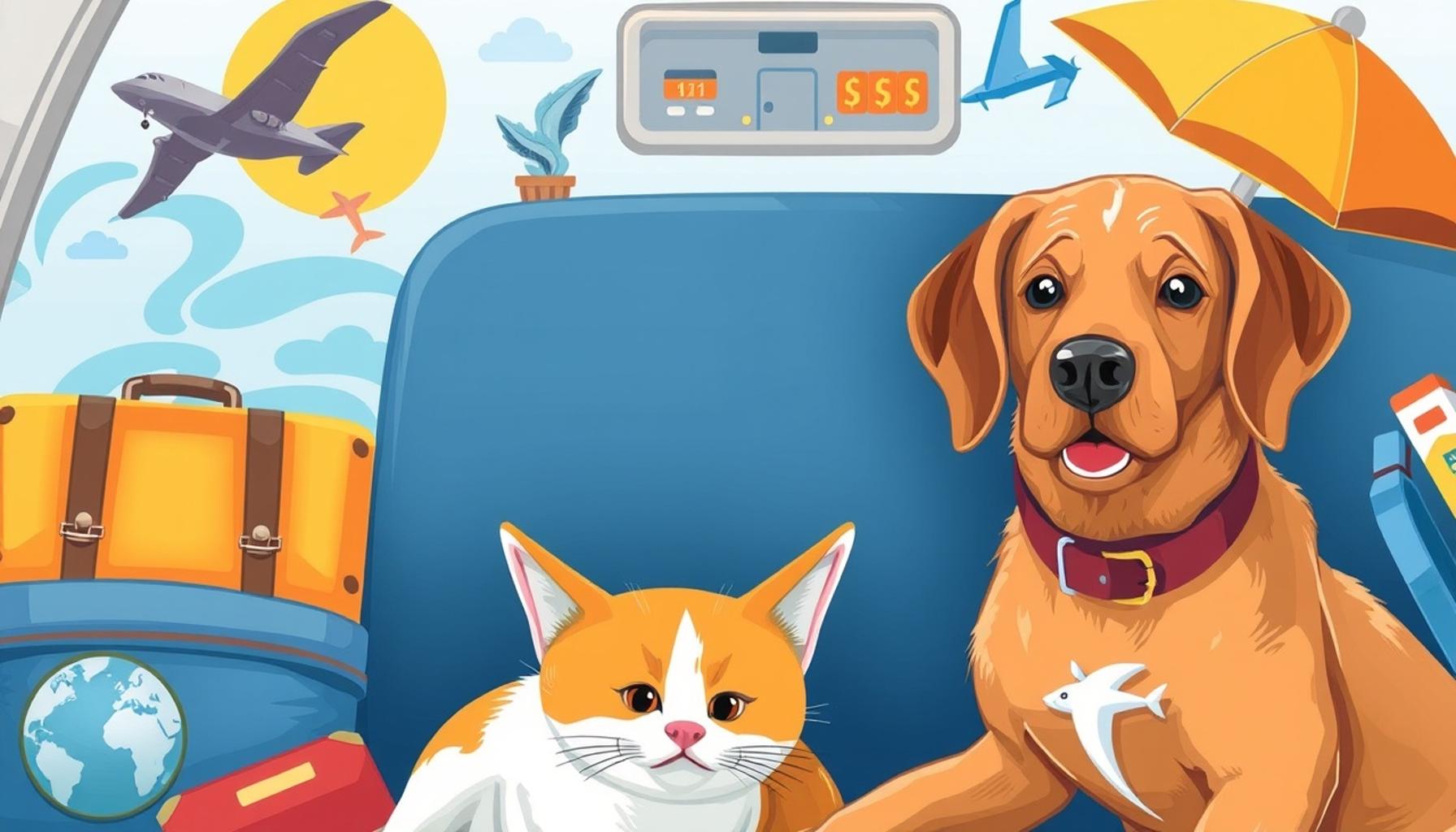
Traveling with your pet may seem like a wonderful adventure, filled with the joy of shared experiences and the chance to explore together. However, it is essential to recognize that such journeys come with distinct challenges that require careful planning and consideration. Prioritizing the safety and comfort of your furry friend is crucial for a pleasant and stress-free trip. With the right precautions in place, you can ensure both you and your pet have an enjoyable experience.
Implementing Secure Restraints
One of the first steps in pet travel safety is to use secure restraints. Just like seatbelts protect human passengers, a proper harness or pet seatbelt can prevent injuries for your animal during sudden stops or accidents. Brands like Ruffwear and PetSafe offer high-quality harnesses designed specifically for car travel. Not only do these restraints enhance safety, but they also keep your pet calm, preventing them from roaming around the vehicle, which can be a major distraction for drivers.
Planning Frequent Breaks for Well-Being
Long hours on the road can be tiring for pets, much like humans. This is why it is vital to plan frequent breaks during your journey. Aim to stop every two to three hours to allow your pet to stretch, hydrate, and relieve themselves. These breaks are essential to reduce any anxiety your pet may feel from confined spaces. Research dog-friendly rest stops or parks along your route, where your furry companion can enjoy the outdoors while getting some much-needed exercise.
Importance of Identification Tags
Having identification tags on your pet can be a lifesaver in case your furry friend unexpectedly escapes or gets lost. Ensure that your pet wears a collar with up-to-date tags that include your name, phone number, and any relevant health information. Additionally, consider microchipping your pet for an extra layer of security. This permanent form of identification can be invaluable should your pet wander off, providing a much better chance of reunification.
While the above tips are vital, it is important to remember that pet safety is a continuous commitment. Familiarizing yourself with the specific travel guidelines, whether flying or driving, can significantly impact the success of your journey. Each mode of transportation may have particular regulations regarding pet travel, which you should be aware of in advance. Planning ahead and understanding these guidelines will not only keep your pet safe but will also make your travels smoother and more enjoyable.
In conclusion, with due diligence and proactive measures, traveling with your pet can transform from a daunting task into an unforgettable adventure. Join us as we delve deeper into the ins and outs of pet travel, ensuring that your furry friends are well-prepared for every journey that lies ahead.
Essential Preparations Before Your Trip
Preparation is the cornerstone of a successful travel experience with your pet. Before embarking on your journey, there are several crucial steps to take to ensure your companion’s safety and comfort. From understanding your pet’s health needs to having the right travel gear, your preparations will set the tone for a smooth voyage.
Consulting Your Veterinarian
Before hitting the road, it is wise to consult your veterinarian for a pre-travel check-up. Ensure your pet is healthy enough for travel and discuss any medications or vaccinations that may be necessary, especially if you’re crossing state lines or visiting areas with specific health concerns, like ticks or heartworm. Some states have regulations that require pets to be vaccinated against rabies, so familiarity with local laws can prevent potential roadblocks during your journey.
Choosing the Right Travel Gear
Having the appropriate travel gear is pivotal to your pet’s safety. Here are essential items to consider:
- Pet Carrier: Invest in a sturdy and well-ventilated carrier that complies with airline regulations if air travel is on your agenda. It should provide enough space for your pet to stand, turn around, and lie down comfortably.
- Travel Bowls: Portable, collapsible water and food bowls are ideal for on-the-go feedings and hydration. Keep water readily available to keep your pet hydrated, especially during long trips.
- Pet First Aid Kit: Always have a first aid kit on hand, containing antiseptics, bandages, and relevant medications. Familiarize yourself with basic first aid procedures for pets in case of an emergency.
- Comfort Items: Bringing a blanket or familiar toy can reduce anxiety and provide a sense of security for your pet in the unfamiliar surroundings.
Acclimating Your Pet to Travel
Prior to your trip, take the time to acclimate your pet to travel. Short practice runs, like riding in the car or walking in the carrier, can ease the transition. Gradually increasing the distance will help your pet grow accustomed to longer journeys. Additionally, consider taking them to pet-friendly locations to enhance socialization while making travel feel more routine and less overwhelming.
By implementing these preparatory steps, you will not only safeguard your pet’s well-being but also reduce your own stress as a traveler. Remember, every journey is as much about your pet as it is about you, and a little extra planning goes a long way to ensure both of you arrive at your destination safe and sound.
Understanding Pet Safety: Tips for Keeping Your Companion Animals Secure During Travel
Traveling with your pets can be a delightful experience, but it also comes with inherent risks. Keeping your furry friends secure while on the move is crucial to ensuring their safety and comfort. Here are some advanced strategies and insights to enhance pet safety during travel.Firstly, understanding your pet’s behavior is vital. Different animals react uniquely to new environments. While some pets may feel anxious or agitated, others could be curious and adventurous. Observing their behavior can help you make informed decisions about their travel arrangements. For example, if your pet tends to get nervous, consider using a familiar blanket or toy to help comfort them during the journey.Next, it is essential to choose the right travel gear. Invest in high-quality, safety-tested carriers or harnesses designed specifically for pets. Look for products that offer adequate ventilation and security features, ensuring that your pet can’t escape while you’re en route. Make sure that the carrier is big enough for your pet to stand up, turn around, and lie down comfortably. Additionally, before hitting the road, make sure your pet is capable of adapting to travel by taking them on short trips first. This introduction helps them gradually acclimate to the movement and sounds associated with travel, reducing anxiety and stress.In the case of traveling by car, always remember to keep your pet restrained. If an accident occurs, unrestrained pets can be thrown around the vehicle, resulting in severe injury not only to them but to all passengers in the vehicle. Use a pet seatbelt, carrier, or even a pet gate to keep them secure in a specific area.Furthermore, it’s critical to keep your pet’s essentials easily accessible. Pack a travel kit containing food, water, medications, a first aid kit, and disposal bags. Basic grooming tools can also be quite handy for a quick clean-up during breaks.To help your companion adjust to any travel situation, consider using calming aids such as pheromone sprays or natural supplements designed to reduce anxiety. Check with your veterinarian for recommendations that will suit your pet best. In the event of a longer journey, don’t forget to schedule regular breaks. Allow your pet to stretch their legs, relieve themselves, and hydrate. Always keep a watchful eye, especially in unfamiliar areas, to prevent your pet from escaping or getting lost.As you prepare for your travels, stay informed about pet regulations, requirements, and health guidelines for your destination. Some places may have specific rules regarding vaccinations or quarantine periods for bringing pets. This will ensure that your travel experience is smooth and enjoyable for both you and your furry friend.By embracing these practical tips and insights, you can significantly enhance your pet’s safety and happiness during travel, creating cherished memories that last a lifetime.
| Category | Details |
|---|---|
| Travel Equipment | Use safety-tested carriers or harnesses for secure transportation. |
| Behavior Monitoring | Observe your pet’s behavior to anticipate their needs during travel. |
Ensuring a Safe Journey: Transporting Your Pet
Once you’ve adequately prepared for your trip with your pet, the next step is ensuring their safety while in transit. Whether driving across the country or flying to a new destination, there are specific protocols to keep in mind that will help your pet remain secure and comfortable during travel.
Securing Your Pet in the Vehicle
When it comes to car travel, securing your pet in the vehicle is non-negotiable. Allowing your furry friend to roam freely can lead to dangerous distractions for the driver, putting everyone at risk. Consider using a pet seatbelt or a travel harness that can attach to the seatbelt of your car. Safety experts recommend restraining pets in the back seat to minimize risk during sudden braking or collisions. If you have a smaller pet, a secured crate or carrier can provide an added layer of safety while also making them feel secure.
Air Travel Considerations
If you’re flying, it’s essential to be well-informed about airline policies regarding pet travel. Some airlines allow pets to fly in the cabin with you, while others require them to be placed in the cargo hold. Make sure to secure your pet in an appropriate carrier that meets the airline’s specifications. Additionally, book direct flights whenever possible to reduce the stress of transfers, and try to fly during times when temperatures are mild to ensure your pet’s comfort.
Hydration and Frequent Breaks
For long car journeys, make it a point to take frequent breaks. Stopping every few hours allows your pet to relieve themselves, stretch their legs, and stay hydrated. Always have fresh water available, and consider bringing a portable pet water bottle that makes it easy to hydrate your companion during stops. Remember not to leave your pet unattended in a parked vehicle, as temperatures can soar quickly, posing a severe risk for heatstroke.
Monitoring Your Pet’s Behavior
Observing your pet’s behavior during travel is another vital aspect. Signs of anxiety or distress, such as excessive barking, whining, drooling, or destructive behavior may indicate your pet is uncomfortable. It’s crucial to intervene by reassuring them or, in some cases, providing calming aids like pheromone sprays, anxiety wraps, or even consulting your veterinarian about mild sedatives for particularly anxious pets.
Identifying and Microchipping Your Pet
In the unfortunate event that your pet gets lost during travel, having proper identification is essential. Make sure your pet wears an ID collar with up-to-date contact information. Additionally, consider microchipping your pet, which is a more permanent solution. Microchips can be scanned by shelters or vets to identify your pet and return them to you. Ensure your contact details are current in the microchip registry before your trip.
Traveling with pets doesn’t have to be a daunting task. By prioritizing their safety in transit through smart practices and thoughtful preparations, you’ll ensure that your journey is enjoyable for both you and your beloved companion. Each act of caution plays a substantial role in enhancing your pet’s travel experience, ultimately leading to beautiful shared memories and adventures along the way.
Conclusion: Prioritizing Pet Safety in Travel
Understanding pet safety during travel is paramount for any responsible pet owner. By implementing the practices discussed throughout this article, you can significantly reduce the risks associated with transporting your companion animals. The key takeaway is that preparation and vigilance are essential. Always start with proper planning, selecting the right travel equipment, and familiarizing yourself with travel regulations, particularly when flying.
Choosing appropriate restraint systems in your vehicle or suitable carriers for air travel not only protects your pet but also ensures a smoother journey for everyone involved. Remember, hydration and regular breaks are critical for both you and your furry friend, contributing to a more pleasant and stress-free experience. Additionally, keeping a close watch on your pet’s behavior during travel allows you to address any anxiety or discomfort in real-time.
Lastly, take proactive steps to safeguard your pet’s identity with proper identification and microchipping, which can be lifesaving if your pet gets lost. As you embark on your adventures, keep in mind that the comfort and security of your companion should always come first.
By adopting these comprehensive safety measures and staying informed, you can create a travel environment that supports your pet’s well-being. Utilizing these strategies will pave the way for wonderful experiences with your pet, leading to lasting memories of exploration and adventure together. Embrace the journey, and may every trip you take with your beloved animal be a safe and joyful one!