The Body Language of Dogs: How to Understand What Your Best Friend Is Trying to Say
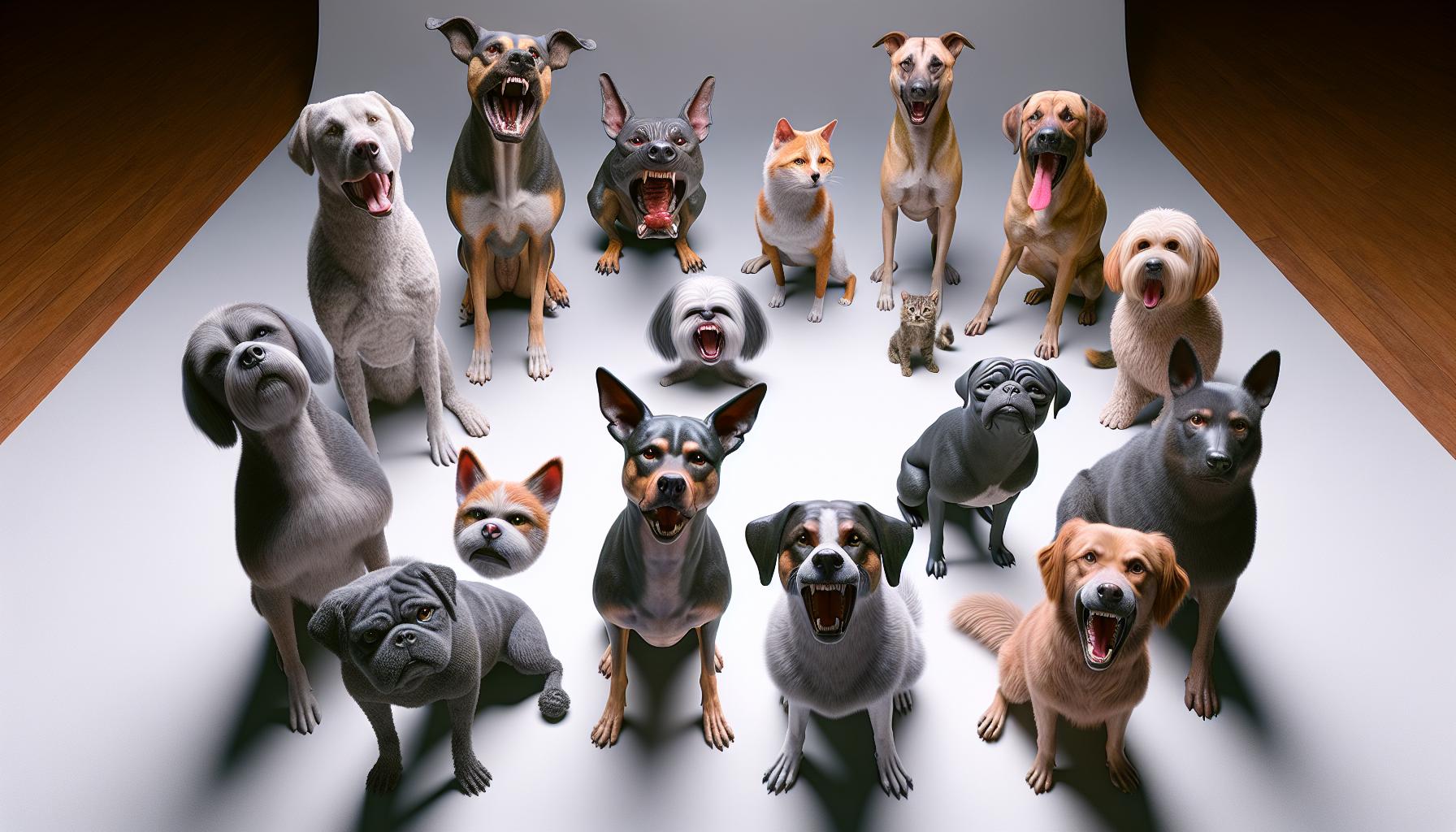
Understanding Canine Communication
Every dog owner knows the bond they share with their furry friend is special. But how often do we stop to consider what our dogs are trying to tell us? The secret lies in their body language.
Dogs communicate through a variety of gestures, expressions, and postures. To better understand your canine companion, pay attention to:
- Tail Wagging: The speed and position of the wag can indicate emotions. A high, fast wag usually means your dog is excited or happy, while a slow wag with a low tail can suggest uncertainty or even fear. Furthermore, a wagging tail that is tense rather than loose can indicate agitation or aggression.
- Ear Position: Ears perked up can indicate attentiveness or excitement, likely indicating curiosity about their surroundings. In contrast, ears pinned back can suggest submission, fear, or discomfort. Observing these subtle signals can provide insight into how your dog is feeling at any given moment.
- Body Posture: A relaxed stance with a loose body indicates comfort and confidence, while hunching or a lowered body can signal fear or submission. Even the way your dog approaches you can convey messages; a dog that walks cautiously and lowers its head may not feel safe, while one that strides confidently signals trust and openness.
Recognizing these signals is essential for building a stronger relationship with your dog. Knowing what your pet is trying to say can help in various situations, such as:
- Identifying Stress: Understanding when your dog feels uneasy can prevent escalated tensions. For instance, if you notice your dog repeatedly licking its lips or yawning when faced with a new environment, these can be signs of anxiety.
- Enhancing Training: Responding appropriately to your dog’s cues encourages better learning. Dogs are highly responsive to positive reinforcement, so recognizing when they are ready to engage or when they need a break can make training sessions more effective.
- Improving Behavior: Consistent interpretation of signals can lead to fewer behavioral issues. For example, if your dog is showing signs of irritation towards another dog at the park, recognizing this early can help you manage the situation before it escalates into aggression.
As you delve deeper into the world of canine body language, you will find that your dog’s unspoken words hold the key to a harmonious life together. Engaging with your dog in a way that recognizes their communication style fosters mutual respect and understanding, paving the way for a more satisfying relationship. Let’s explore how to decode these messages and strengthen the bond you share with your best friend.
To enhance your understanding even further, consider observing your dog in various scenarios—such as meeting other dogs, encountering unfamiliar people, or reacting to different stimuli at home or outdoors. Keeping a journal of their behaviors and emotions in these contexts can also provide valuable insights. Over time, you will become more attuned to what your dog is trying to convey, deepening your connection and enriching both your lives.
DIVE DEEPER: Click here to learn how pets boost your physical wellness
Deciphering Canine Signals
Being attuned to your dog’s body language is essential for fostering a strong and healthy relationship. The array of signals your pup employs can convey a multitude of feelings—from joy to fear and everything in between. By observing your dog’s behavior, you can learn to recognize distinct signals that indicate their mood and needs.
Among the most prominent forms of communication are facial expressions, which often go unnoticed but can hold significant meaning. Dogs have a unique ability to convey emotions through their facial features. For example, a relaxed mouth and soft eyes typically indicate that your dog is calm and content. Conversely, a furrowed brow and bared teeth signal discomfort or aggression. Watching for these expressions can give you a quick insight into your dog’s emotional state.
The Importance of Eye Contact
Eye contact is another crucial aspect of canine communication. While prolonged staring can be interpreted as a challenge or threat in dog behavior, brief moments of eye contact often signal trust and affection. When your dog gazes at you with soft eyes, they may be seeking reassurance or companionship. However, if your dog avoids your gaze, it could indicate anxiety or a desire to submit, suggesting that they may not feel entirely secure in the situation.
Understanding Vocalizations
While body language is vital, never underestimate the importance of vocalizations in a dog’s communication. Different barks, whines, and growls serve various purposes. For instance:
- Barking: A high-pitched bark can indicate excitement or playfulness, while a deep, growly bark may signal the need to protect or warn. Paying attention to the context of the bark can reveal much about your dog’s intentions.
- Whining: This sound may denote a range of emotions—including anxiety, frustration, or simply a desire for attention. If your dog frequently whines at certain triggers, it may be useful to investigate what is causing this reaction.
- Growling: Often associated with aggression, it can also serve as a warning or a way for your dog to express discomfort. Understanding the circumstances prompting the growl can help you gauge whether it’s a protective instinct or a sign of fear.
Learning to interpret these vocalizations in conjunction with body signals provides a more comprehensive understanding of your dog’s feelings. This holistic approach enables you to respond appropriately to their needs, ensuring their well-being and happiness.
As you delve further into the rich language of your canine companion, remember that context is key. Every setting may elicit different responses from your dog, and observing them in various situations will enhance your ability to interpret their unique form of communication. By investing time in understanding your dog’s body language and vocal cues, you forge a deeper connection—one that is based on trust and empathy.
The Body Language of Dogs: How to Understand What Your Best Friend Is Trying to Say
Understanding your dog’s body language is a critical part of building a strong bond with your furry companion. Dogs communicate a lot through their posture, facial expressions, and movements. By learning these signals, you can enhance your relationship, ensuring that both you and your dog feel secure and understood.
For instance, a dog that rolls onto its back might be signaling a desire for affection and trust. This simple gesture indicates vulnerability, as they expose their belly. On the other hand, a rigid stance or raised hackles can indicate that a dog is feeling threatened. Recognizing these signs helps pet owners respond appropriately to their dog’s emotional state.
Another vital aspect of canine communication is tail wagging, which can be misunderstood. A wagging tail doesn’t always mean a happy dog; the speed and direction of the wag can provide insights. A slow wag paired with a lowered head may indicate uncertainty, while a fast, high-held wag usually suggests excitement. By being attentive to these nuances, you can decipher your dog’s mood and avoid potential conflicts
Furthermore, eye contact is another crucial element of a dog’s body language. A soft gaze often reflects comfort and affection, while a hard stare may signal a challenge or assertion of dominance. It’s essential to cultivate a deeper awareness of these signals, which will enable you to engage more passionately and empathetically with your dog.
| Category | Advantages |
|---|---|
| Understanding Fear Signals | By recognizing signs of fear, you can reduce anxiety and prevent aggressive behavior. |
| Recognizing Affection | Deciphering affectionate signals helps you respond positively, enhancing your bond. |
As you delve deeper into understanding your dog’s body language, remember that each dog is unique and may express emotional states differently. Observing their behavior in various situations will provide you with a richer view of their feelings and needs. This knowledge not only benefits your communion but also promotes a fulfilling and harmonious life with your four-legged friend.
Dive deeper: Click here to discover how pets enhance our well-being
Recognizing Postures and Movements
In addition to facial expressions and vocalizations, postures and movements play an essential role in a dog’s communication style. Observing how your dog positions its body can reveal a wealth of information regarding its emotional state and intentions. Different stances can indicate confidence, submission, or readiness to play, among other feelings.
The Significance of Tail Positioning
The tail is often described as a barometer of a dog’s mood. To decode tail language effectively, consider both the position and the motion of the tail. A wagging tail generally signals happiness or excitement, but not all wags are the same. For instance:
- High, fast wagging: This suggests that your dog is in an upbeat and friendly mood, eager to interact.
- Low wagging or tucked tail: This can indicate uncertainty or submission, suggesting that your dog may feel vulnerable in the situation.
- Slow, deliberate wagging: This might reflect caution, and your dog could be assessing a new environment or situation.
It’s crucial to observe these movements in context; a tail wagging near a set of bared teeth means something entirely different than a wagging tail that accompanies a playful leap. Understanding these subtle differences can enhance your ability to interpret your dog’s emotional state.
Reading the Whole Body
Beyond the tail, the entire body provides clues about what your dog is trying to communicate. For example, a dog that stands tall with both front paws planted firmly on the ground may exhibit confidence and assertiveness. In contrast, a dog that crouches low with its head down is likely feeling scared or submissive. Other signals include:
- Play Bow: A dog demonstrating a play bow, wherein they stretch their front legs while keeping their rear end elevated, is inviting you or another dog to engage in play.
- Rigid Posture: If you notice your dog standing stiffly with their body tense, they may feel threatened or ready to defend themselves. This posture is often accompanied by other signs of agitation, such as growling or raised hackles.
- Rolling Over: A dog that rolls onto its back indicates trust and a willingness to submit, often signaling that they are not a threat. This can be an invitation for belly rubs or simply a comfortable position for relaxation.
Recognizing these signals allows pet owners to better respond to their dog’s needs, providing a safer and more understanding environment. By acknowledging the various postures that your dog exhibits, ranging from playful to defensive, you can create a deeper emotional bond.
The Role of Context in Interpretation
Understanding body language requires context. Each dog, much like humans, exists within a unique world shaped by its environment, experiences, and inherent temperament. An outgoing and socialized dog will display different signals in contrast to a more reserved or fearful dog, even when experiencing the same situation. Factors such as the presence of other animals or unfamiliar people can drastically alter a dog’s body language.
Furthermore, various dog breeds often exhibit unique communication styles. For instance, herding breeds might show more focused eye contact and subtle body shifts while trying to guide other animals or children. Recognizing these intricacies can enrich your understanding of your best friend’s communication style and needs.
DISCOVER MORE: Click here to learn how pets contribute to your physical wellness
Conclusion
Understanding the body language of dogs is a rewarding journey that enhances the bond between you and your furry friend. By observing their postures, tail positions, and movements, you can decode the nuanced messages that your dog communicates every day. From excited wags to cautious stances, each behavior reflects their emotional state and intentions. Recognizing these signals not only fosters a deeper connection but also allows you to respond appropriately to your dog’s needs, leading to a safer and more fulfilling interaction.
As you become proficient in interpreting canine communication, it’s vital to remember the role of context. Each dog’s individual temperament, past experiences, and the current environment significantly influence their behavior. Tailwags can vary dramatically depending on the situation, and subtle body shifts might convey entirely different meanings. This knowledge empowers you to better understand your dog while respecting their unique personality.
Moreover, exploring the specific communication styles of different breeds can provide insightful pathways to strengthen your relationship. By diving deeper into the fascinating world of dog body language, you not only improve your skills as a pet owner but also open the door to a world rich in emotional connection and mutual understanding. Your dog is always trying to tell you something—are you listening?