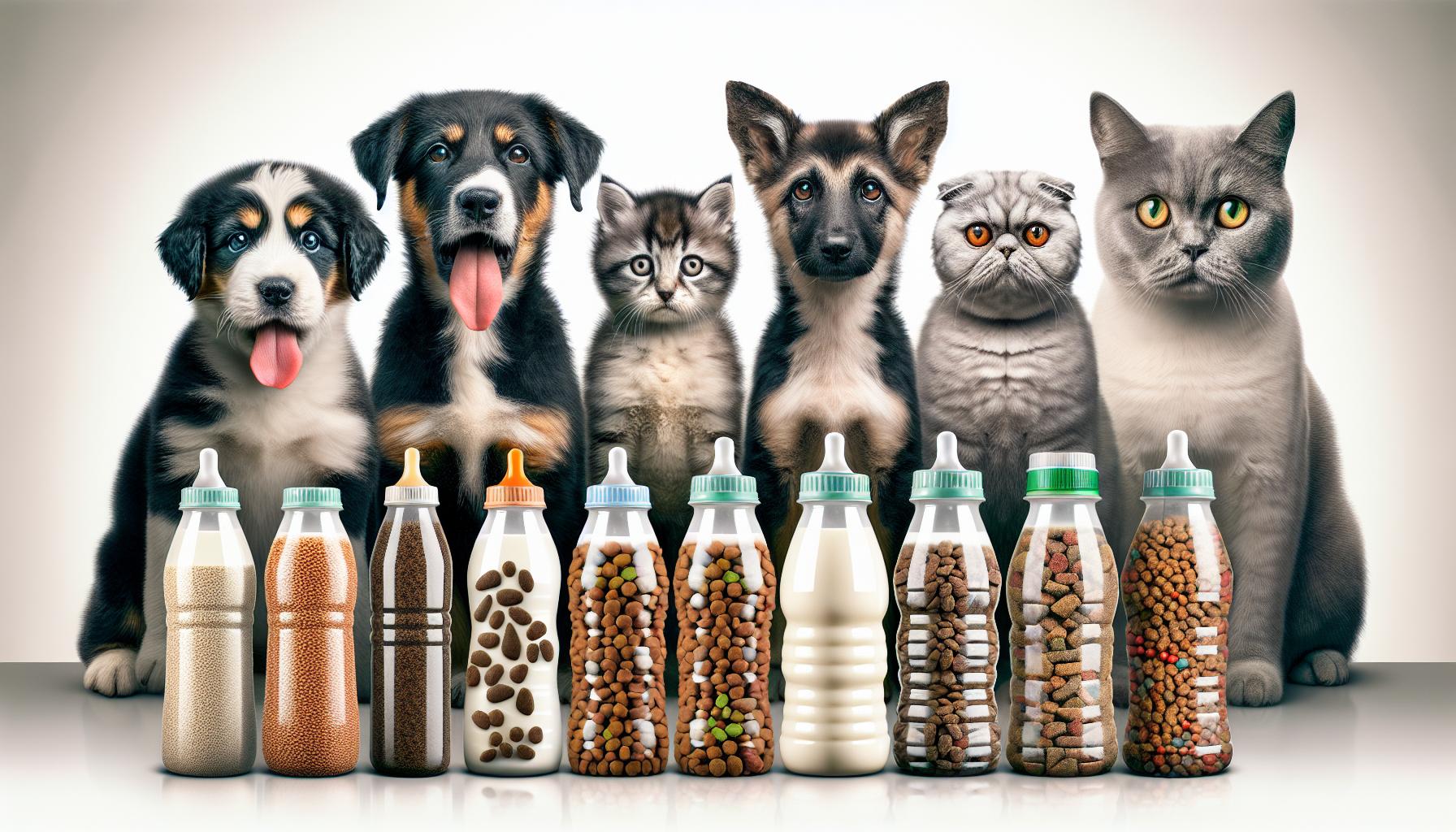
The Influence of Nutrition on the Mental Health of Pets

The Impact of Nutrition on Pet Mental Well-Being
Pet owners often overlook how nutrition impacts the mental well-being of their furry companions. Just like humans, pets require a balanced diet that supports not only their physical health but also their emotional and psychological stability. Poor dietary choices can lead to a range of behavioral issues, highlighting the critical importance of proper nutrition in maintaining a pet’s overall well-being.
What areas can poor nutrition affect? Consider the following:
- Behavioral problems: Pets can exhibit anxiety, aggression, and mood swings when their diets lack essential nutrients. For example, a dog that is frequently anxious and fearful may benefit from a diet containing ingredients that promote calmness, such as certain amino acids or adaptive herbs.
- Cognitive decline: Aging pets, particularly dogs and cats, may suffer from memory issues and confusion due to nutritional deficiencies. Studies suggest that diets lacking antioxidants may accelerate cognitive decline in senior pets, making proper nutritional choices vital for longevity and mental clarity.
- Stress levels: Pets with inadequate diets may become increasingly susceptible to stress and anxiety disorders. A diet rich in complex carbohydrates can help regulate blood sugar levels, stabilizing mood and reducing stress triggers.
Research indicates that certain nutrients can significantly affect how pets think and feel. For instance, Omega-3 fatty acids have been shown to:
- Support brain function by enhancing neuronal communication and reducing inflammation.
- Reduce anxiety and depression symptoms, particularly in dogs showing signs of separation anxiety or phobias.
- Enhance overall mood, which can be further improved by incorporating high-quality protein sources like fish or grass-fed meats into their diet.
As more pet owners become aware of this important link, they are beginning to reconsider their pets’ diets. Premium pet foods enriched with specific vitamins and minerals may hold the key to improving mental health outcomes in our beloved companions. Brands offering tailored diets are now on the rise, with formulations that include brain-boosting nutrients aimed at enhancing pets’ cognitive abilities and emotional resilience.
Exploring the ways in which nutrition influences mental health reveals practical strategies to ensure pets lead happier, healthier lives. For instance, many pet owners are beginning to integrate fresh, whole foods into their pets’ meals alongside traditional kibble, boosting the nutritional content efficiently. Ingredients like blueberries, sweet potatoes, and organic meats not only provide essential vitamins but also carry antioxidants that can fight stress-induced damage at the cellular level.
Ultimately, understanding the relationship between pet nutrition and mental health empowers owners to make informed choices that can lead to more harmonious lives. By investing in their pets’ diets and consulting with veterinary professionals about nutritional needs, owners can take proactive steps to support both physical health and emotional stability.
DISCOVER MORE: Click here to learn how pets enhance physical wellness
Understanding Nutritional Deficiencies and Their Behavioral Manifestations
The intricate relationship between nutrition and mental health in pets is becoming increasingly clear to pet owners and researchers alike. Nutritional deficiencies can manifest in various ways, ultimately affecting a pet’s demeanor and behavior. It is essential to recognize how everyday dietary choices can lead to significant emotional repercussions for our animal companions.
One of the primary areas where poor nutrition has a toll is in behavioral problems. Pets suffering from anxiety may bark excessively, chew furniture, or exhibit destructive behavior when left alone. These issues often stem from a lack of specific nutrients that play pivotal roles in regulating mood. For example, amino acids such as tryptophan, which are involved in the production of serotonin—a key neurotransmitter responsible for happiness—can be lacking in a diet that does not include quality protein sources.
Additionally, pets may show signs of aggression or increased irritability if their nutritional needs are not adequately met. A deficiency in Omega-3 fatty acids may contribute to heightened stress reactions, leading to more aggressive outbursts. These dietary adjustments are crucial for owners seeking ways to foster a calm environment for their pets.
- Nutritional deficits can prompt:
- Excessive barking: Often a sign of anxiety or boredom, it can be mitigated through nutritious diets rich in essential amino acids.
- Destructive behavior: Chewing or scratching can be a bid for attention or a reaction to stress; adequate nutrition helps formulate a more balanced temperament.
- Social issues: Pets may struggle to interact well with others if they lack important fatty acids that support cognitive functions.
The Role of Specific Nutrients
Understanding the specific nutrients that bolster mental well-being is crucial for crafting a balanced diet. Research suggests that certain vitamins and minerals play vital roles in managing stress levels and enhancing overall mood. For instance, B vitamins, particularly B1 and B12, aid in brain function and energy production, while magnesium is linked to a reduction in anxiety. Furthermore, a balanced intake of amino acids supports neurotransmitter synthesis, ensuring a pet has the right biochemical foundation for emotional health.
Fruits and vegetables, often seen as human food, can also offer surprising benefits to a pet’s mental health. Incorporating antioxidant-rich choices—like blueberries and carrots—may not only provide vitamins but also combat oxidative stress in the brain, a leading factor in various cognitive disorders. These natural options can enhance the quality of life, keeping pets mentally agile and emotionally balanced as they age.
In conclusion, recognizing the critical components of a pet’s diet addresses not just physical health but also opens doors to improved mental well-being. Owners who invest in carefully selected meals, understanding the importance of nutrition, can forge a pathway to happier, healthier, and more harmonious lives with their beloved pets.
| Category | Key Features |
|---|---|
| Essential Nutrients | Vitamins, minerals, and omega fatty acids support brain health and emotional stability in pets. |
| Mood Stabilization | Proper diet can reduce anxiety and promote overall happiness in pets. |
| Cognitive Function | Nutrition plays a key role in improving memory and problem-solving skills. |
| Behavioral Issues | Systemic issues linked to poor diet can lead to aggression or withdrawal in pets. |
Feeding your pet a balanced diet rich in essential nutrients not only supports their physical health but is also crucial for their mental well-being. It’s fascinating to note that a diet lacking in adequate vitamins and minerals can lead to behavioral changes in pets. Notably, omega-3 fatty acids are known to play an instrumental role in maintaining healthy brain function, which can help mitigate issues such as anxiety and depression in animals.Additionally, certain nutrients are linked to improved cognitive function. Studies suggest that pets receiving appropriate dietary support show enhanced memory and learning abilities, suggesting a direct correlation between nutrition and mental sharpness. Moreover, a proper diet may reduce the prevalence of undesirable behavioral issues in pets. Pets that receive structured, nutrient-dense meals tend to display more stable behaviors, highlighting the significant influence of nutrition on their mental health. This intricate relationship continues to spark interest among veterinarians and pet owners alike, encouraging ongoing research into the pivotal effects of diet on our furry companions.
DISCOVER MORE: Click here to learn how pets can enhance your active lifestyle
The Impact of Diet on Cognitive Function and Emotional Regulation
Beyond the immediate effects of nutritional deficiencies on behavior, the long-term consequences can be profound, influencing both cognitive function and emotional regulation in pets. Researchers are beginning to uncover the neurological impacts of diet, particularly as it relates to age-related cognitive decline. Just like in humans, pets can suffer from conditions akin to dementia, which can often be exacerbated by poor nutrition.
A diet rich in antioxidants, essential fatty acids, and specific vitamins can contribute significantly to maintaining cognitive function as pets grow older. For instance, Omega-3 fatty acids, commonly found in fish oil, have been shown to enhance brain health and slow the progression of cognitive dysfunction syndrome (CDS) in older dogs. These fatty acids support neurogenesis—the growth of new neurons—creating a biochemical buffer against the effects of aging.
Additionally, certain supplements may aid in further improving mental energy and mood. For example, probiotics are not just beneficial for digestive health; recent studies have indicated a strong link between gut health and mental well-being in pets. A harmonious gut microbiome can influence neurotransmitter production and overall behavior, suggesting that incorporating prebiotics and probiotics in pet diets can offer dual benefits.
The Power of Proper Hydration
Hydration, often overlooked, is another critical aspect of nutrition that profoundly impacts a pet’s mental health. Just as humans risk cognitive impairment from dehydration, so too can our pets suffer in this regard. Pets who do not drink enough water may experience anxiety and lethargy, which can alter their interactions and engagement with their surroundings. Hydration is crucial not only for maintaining energy levels but also for optimal brain function.
When assessing overall well-being, pet owners should remember that the quality of food matters just as much as the quantity. A diet composed of artificial additives, preservatives, and low-quality ingredients can have detrimental effects on mental health. Many commercial pet foods contain fillers and by-products that lack nutritional value, which can rob pets of the necessary nutrients they need for stable moods and cognitive clarity.
- Adequate hydration: Ensuring pets have constant access to fresh water can support mood stabilization and cognitive function.
- Impact of low-quality ingredients: Artificial flavors and fillers can contribute to hyperactivity and anxiety, making it imperative to select high-quality, whole-food options.
- Benefits of supplementation: Products like fish oil and probiotics can bridge nutritional gaps, leading to improved mental health and behavior.
As pet owners navigate the myriad of food choices available, understanding the links between nutrition and mental health is essential for fostering resilient, happy companions. The combination of a balanced diet, adequate hydration, and high-quality ingredients can create a synergistic effect, enhancing both the emotional and cognitive aspects of a pet’s life. This holistic approach to nutrition not only enriches their physical health but serves as a foundation for stability and happiness in their everyday experiences.
DISCOVER MORE: Click here to learn how pets boost your fitness
Conclusion: The Essential Link Between Nutrition and Mental Well-Being in Pets
Understanding the influence of nutrition on the mental health of pets is not just an emerging trend; it is a vital aspect of responsible pet ownership that can have lasting effects on our furry companions. As we’ve explored, the relationship between a balanced diet and emotional stability is clear. From the impact of essential fatty acids on cognitive function to the crucial role of hydration and quality ingredients, all these factors converge to shape our pets’ mood, behavior, and overall quality of life.
Pet owners are encouraged to be proactive in evaluating their pets’ dietary choices. Focusing on high-quality, whole-food options, supplemented with vital nutrients like Omega-3 fatty acids and probiotics, can significantly boost mental health and cognitive clarity. Furthermore, ensuring proper hydration plays an equally important role in maintaining mental acuity and stability.
As our pets age, their nutritional needs may shift, and staying informed about these changes can pave the way for a healthier, more vibrant life. The science behind pet nutrition is intricate, but the key takeaway is indisputable; what we feed our pets is a fundamental building block for their emotional health. A well-rounded diet is a powerful tool that pet owners can utilize to enable their companions not only to thrive physically but also to enjoy a joyful and fulfilled life.
In conclusion, prioritizing nutrition is a simple yet profound act of love that can transform our pets’ well-being, signaling a commitment to their overall health that resonates throughout their years. So as you head to the pet store or make lunch for your furry friend, remember that each meal is an opportunity to boost both their body and mind.