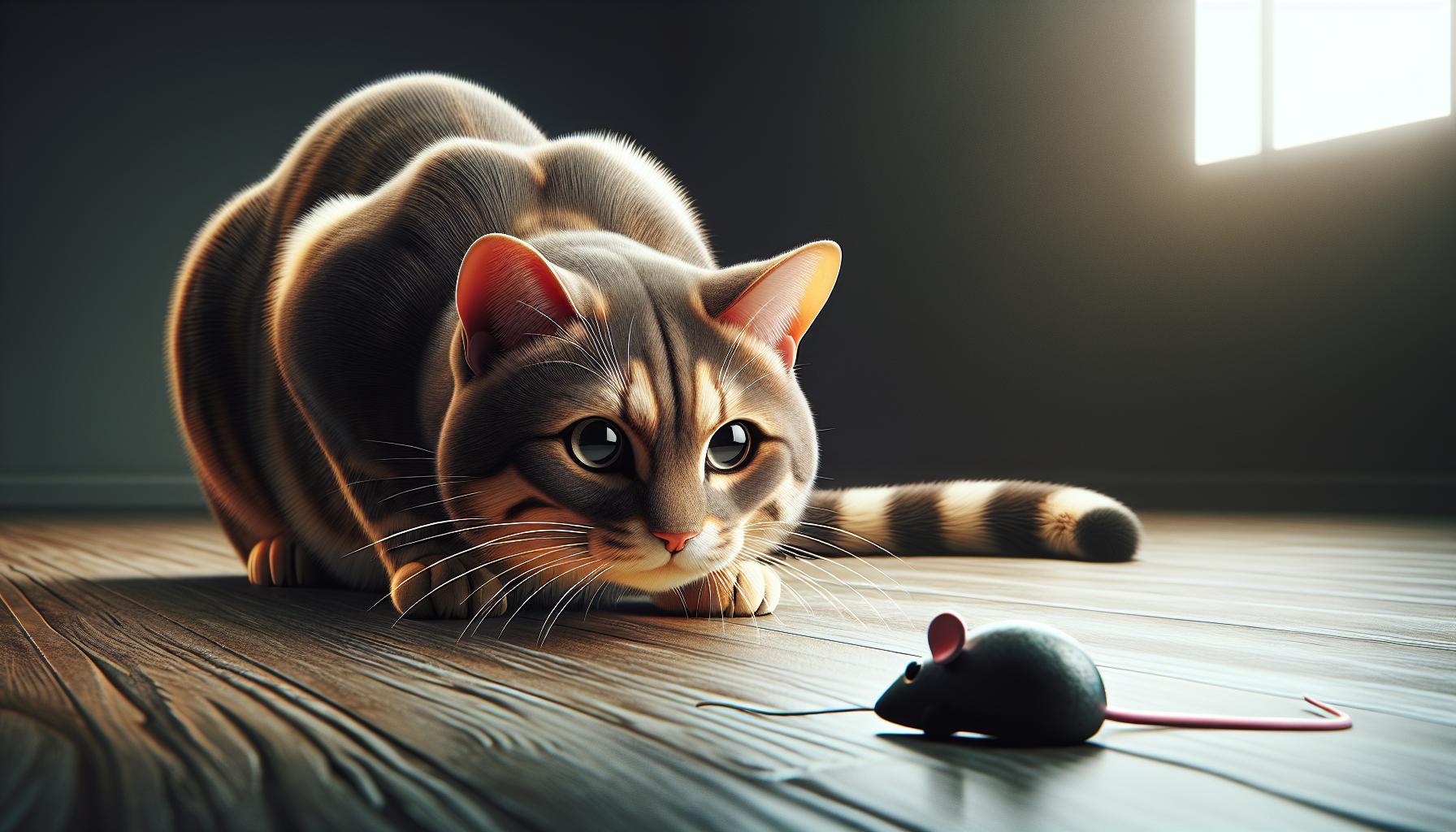
Socialization of Cats: How Interactions with Other Animals Affect Their Behavior

The Importance of Feline Friendships
While cats are often viewed as solitary creatures, their dynamics with other animals play a crucial role in shaping their behaviors and overall personality. In fact, socialization is essential in creating well-adjusted feline companions. Interactions with a range of animals—from friendly dogs, playful kittens, to even curious rabbits—contribute substantially to a cat’s character and social skills.
Key Factors Influencing Behavior
Understanding how cats respond to their environments and the animals within them can illuminate their social behaviors. Several factors are paramount in this socialization process:
- Age of Introduction: Kittens are far more adaptable than their adult counterparts. During the critical socialization window, typically between 2 to 9 weeks of age, they are like sponges, soaking up social cues and learning essential skills. Exposing them to a variety of experiences during this period can lead to a more confident adult cat.
- Type of Interactions: The nature of each encounter profoundly shapes a cat’s emotional landscape. A positive experience, such as playful engagement with another friendly pet, can foster trust and build a friendly demeanor. Conversely, a negative experience involving aggression or fear can lead to withdrawn behavior, often resulting in an anxious or skittish adult cat.
- Environment: The surroundings where socialization occurs can either facilitate or hinder these interactions. A stable and secure environment allows for positive reinforcement, encouraging healthy social behaviors. For example, introducing a new pet in a neutral space can help reduce territoriality and promote easier acceptance.
By understanding these factors, cat owners can create a nurturing environment that encourages positive interactions. This makes for a less stressed and happier feline, capable of thriving in a community setting with both humans and other animals alike.
Why This Matters
Socializing your cat not only enhances their well-being but also enriches your experience as a pet owner. Improved social skills can lead to a peaceful household, with reduced territorial disputes and increased companionship among pets. As you introduce your feline to new friends, be attentive to behavioral shifts. Positive interactions can nurture a lifelong bond, while negative ones warrant careful reconsideration.
The impact of these social interactions is profound and greatly influences the quality of life for both cats and their human companions. Exploring the dynamics of your cat’s social life can lead to fascinating discoveries and a deeper understanding of their needs. Delving deeper into methods and strategies for socialization may create a harmonious household, maximizing happiness for every member of the family.
DISCOVER MORE: Click here to learn how pets enhance your health
Understanding Cat Behavior through Socialization
The socialization of cats is a multifaceted process that can significantly influence their behavior and emotional well-being. Recognizing how interactions with other animals can shape this journey is critical for both cat owners and enthusiasts. Cats, despite the common belief that they are lone hunters, engage in various social behaviors that can be altered through numerous types of interactions. These interactions not only help in integrating cats into their households but also expand their adaptability in new environments.
The Role of Play in Socialization
Play is a fundamental aspect of cat socialization that often involves engagement with other animals. Through play, cats learn vital skills such as hunting strategies, body language communication, and appropriate social cues. The following elements illustrate how play contributes to social development:
- Positive Reinforcement: Engaging in play with other pets, especially kittens, provides essential feedback that reinforces acceptable behavior. For instance, playful wrestling with a littermate helps a kitten gauge the strength of their bite without causing harm, teaching them boundaries.
- Confidence Building: Cats that interact with other confident pets, like friendly dogs, can adopt a more assertive demeanor. This confidence can translate into other areas of their lives, making them more comfortably sociable with humans and various environments.
- Stress Relief: Play is an outlet for energy and anxiety. Cats that regularly interact with other animals can relieve stress through these playful experiences, contributing to a calmer and more balanced demeanor.
These aspects illustrate why play is more than a pastime; it is an essential vehicle for healthy socialization. By allowing cats to explore this engaging interaction, pet owners facilitate not only joy but behavioral growth that fosters well-rounded feline companions.
Fostering Inter-species Friendships
Introducing cats to different species can also be beneficial. Cats that share their living spaces with dogs or other pets often display a unique dynamic. The experiences from these inter-species friendships can result in:
- Enhanced Social Skills: Interactions with other animals require cats to adapt their behavior. Learning to coexist with a dog, for example, involves understanding different social cues and responding appropriately.
- Reduced Fearfulness: Early positive interactions with other animals can significantly decrease fear responses. Cats that interact with friendly dogs or other animals typically exhibit less anxiety towards new experiences.
- Cognitive Development: Exposure to various animals stimulates a cat’s cognitive abilities. Observing and interacting with different species forces a cat to think critically and learn adaptive behaviors, enhancing problem-solving skills.
Overall, these interactions can lead to an enriched life for your feline, providing mental and emotional benefits that resonate in their day-to-day activities. Understanding the profound impact of social interactions helps cat owners nurture supportive environments where their pets flourish.
| Socialization Benefits | Behavioral Enhancements |
|---|---|
| Improved Temperament | Less Aggression |
| Increased Confidence | Better Adaptability |
The socialization of cats is a multifaceted topic that reveals how their interactions with other animals can lead to significant behavioral shifts. Firstly, improved temperament is often noted among cats that regularly engage with diverse species. This exposure helps to cultivate a sense of calmness, promoting a more balanced life. Moreover, socialization can lead to less aggression, allowing your feline friend to coexist peacefully with other pets or even strangers.Additionally, well-socialized cats often exhibit increased confidence. As they navigate new interactions and environments, they become more self-assured and secure in their place within the household. This confidence also translates into better adaptability, enabling them to handle changes—such as moving homes or the arrival of new family members—much more gracefully. Such behavioral enhancements underscore the importance of nurturing a sociable environment for your cat, unlocking their full potential as a companion.Understanding these dynamics can lead to an enriched life for your cat, while fostering a harmonious atmosphere at home. Emphasizing the importance of early and ongoing socialization sets the foundation for better feline behavior, ensuring that pet owners and their cats can enjoy a lasting bond.
DISCOVER MORE: Click here to learn how pets enhance our physical well-being
Exploring the Importance of Socialization in Greater Contexts
The socialization of cats extends beyond mere household dynamics and plays a vital role in shaping behavior throughout various life stages. Understanding how these interactions with other animals contribute to a cat’s development can enhance the quality of life for both feline companions and their human counterparts. In many cases, the environment in which cats are raised and the types of interactions they encounter form the foundation of their behavioral patterns.
Critical Periods of Social Development
Kittens go through crucial developmental stages during their first few months of life when they are most receptive to social experiences. This period, known as the socialization window, typically occurs between 2 and 9 weeks. During this time, exposure to a variety of stimuli, including other animals, plays a pivotal role in shaping a kitten’s future behavior.
- Peer Interactions: Kittens that interact with their littermates or friendly adult cats during this stage are more likely to develop essential social skills. They learn playful behaviors and proper boundaries, creating a foundation for healthy interactions as they grow.
- Exposure to Diverse Environments: Introducing them to different pets and environments can foster adaptability. For example, if a kitten is exposed to various sounds, sights, and smells associated with other animals, they’ll become more comfortable navigating a range of experiences later in life.
- Detriment of Isolation: Cats that lack significant interaction with other animals during this critical period may develop behavior issues such as anxiety or aggression. These cats might struggle to establish bonds with fellow pets or humans due to a lack of early positive experiences.
The Influence of Adult Socialization
While early socialization experiences significantly impact kitten behavior, adult cats also have substantial needs for social development. As cats grow older, continuing to foster social interactions remains essential for their emotional health.
- Building New Relationships: Adult cats can adapt well to new companions, essentially creating new social networks. Interactions with other cats, well-mannered dogs, or even pets like rabbits can positively influence their overall temperament and reduce behavioral problems.
- Social Learning: Adult cats are observant and capable of learning from peers. When sharing space with other animals, they may adopt positive behaviors or strategies for coping with stress similar to those demonstrated by their companions. For instance, a cat may become more at ease with unfamiliar situations after observing a dog greeting new guests confidently.
- Improved Coping Mechanisms: A socialized adult cat is generally better equipped to handle stressors. Relationships formed with other animals can serve as a buffer during challenging times, enabling cats to confront fears or anxiety more effectively.
These aspects underscore the notion that socialization is an ongoing journey. For holistic behavioral development, both kittens and adult cats benefit from varied interactions that nurture their social intelligence. By offering a plethora of experiences that engage and challenge their social skills, pet owners create an environment that fosters enriched, fulfilling lives for their feline friends.
DISCOVER: Click here to find out how pets can boost your well-being
Conclusion: The Ripple Effects of Feline Socialization
The socialization of cats is a multifaceted process that significantly influences their behavior and emotional well-being across their lifetimes. Through early interactions with their littermates and other animals, both kittens and adult cats gain critical social skills that shape their responses to various environments and situations. By understanding the profound impact of these relationships, pet owners can nurture their feline companions more effectively, fostering a more harmonious household.
As we’ve explored, interactions with other cats, dogs, and even different types of pets can lead to enhanced resilience, adaptability, and social intelligence. A well-socialized cat is typically more confident, allowing them to flourish in diverse settings and enjoy a fulfilling life. Pet owners play a pivotal role in this journey; they can create opportunities for their cats to engage with other animals and varying environments, ultimately contributing to robust behavioral development.
Moreover, it is essential to recognize that the need for social connection does not diminish as cats age. Continuously facilitating these relationships ensures that both young and mature felines can thrive emotionally and mentally. In conclusion, observing and understanding a cat’s socialization journey enables us to appreciate the deep connections between their interactions with others and their behavior. For those invested in the well-being of their feline friends, the exploration of social dynamics offers exciting insights. Embracing this knowledge can not only enrich a cat’s life but also deepen the bond between humans and their furry companions.