Special Diets for Pets with Food Allergies: What to Know
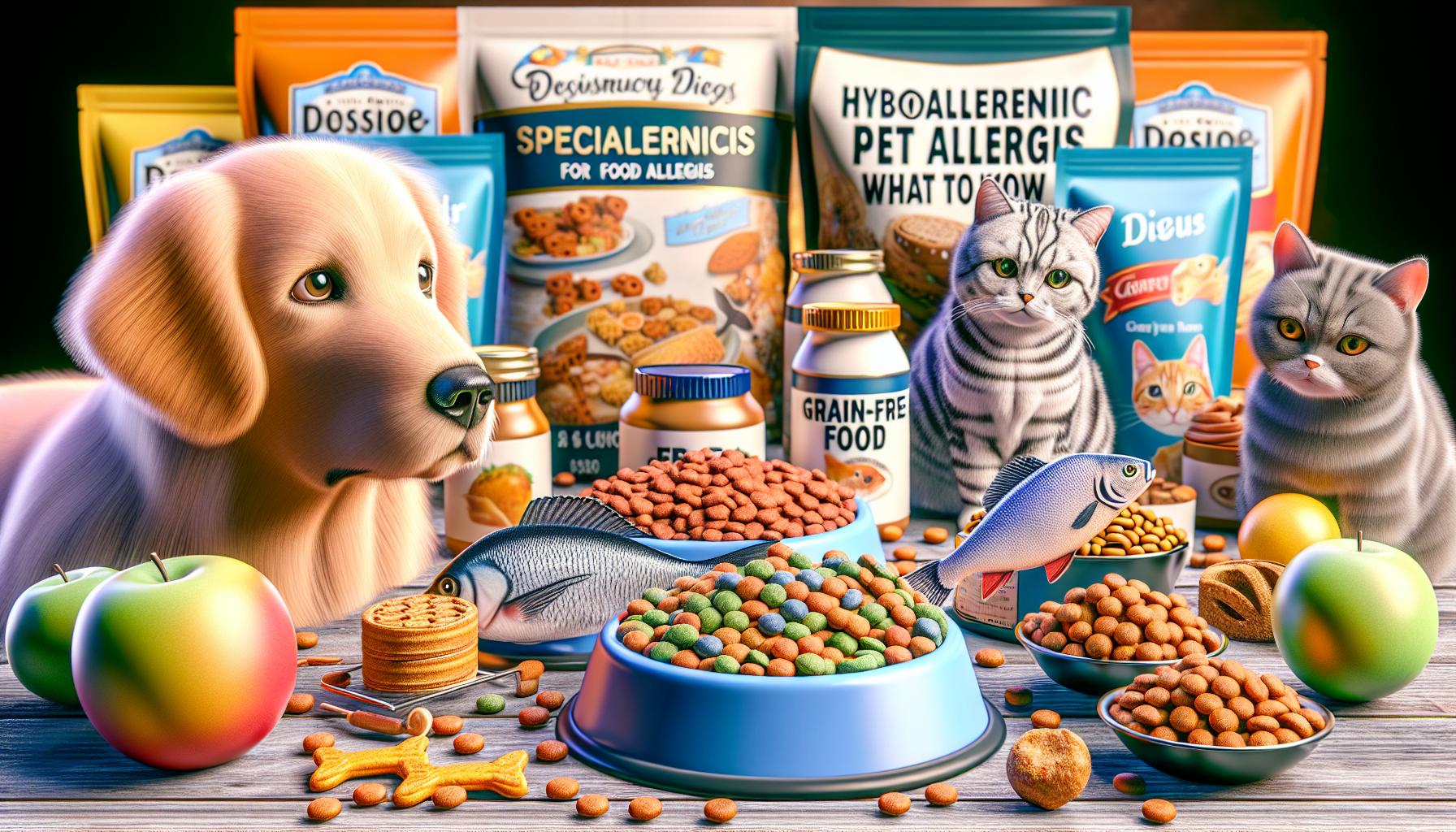
Understanding Food Allergies in Pets
Food allergies in pets, while frequently overlooked, are a significant concern for pet owners across the United States. Just like humans, pets can develop reactions to certain dietary components, resulting in distressing symptoms that can seriously affect their quality of life. Common manifestations include itchy skin, digestive issues, and even noticeable changes in behavior such as increased irritability or lethargy. Recognizing and addressing these allergies is vital to ensuring that your beloved companion remains both healthy and happy.
Signs of Food Allergies
Identifying the signs of food allergies is crucial for timely intervention and treatment. The most prevalent indicators include:
- Itching and scratching – This is often seen around the face, ears, and paws, causing your pet considerable discomfort. Pets may scratch until their skin is raw or form hotspots, which can lead to infections.
- Vomiting or diarrhea – These digestive upsets can vary in severity and may be chronic, indicating that the pet is reacting to a specific food ingredient. Monitoring your pet’s elimination habits is important, as changes can signal adverse reactions.
- Ear infections – Frequent ear problems are a typical red flag for food allergies. If your pet experiences recurring infections, it may be worth investigating potential dietary culprits.
If you observe any of these symptoms, consulting a veterinarian should be an immediate priority. Veterinarians can perform a range of tests, including elimination diets or allergy testing, to identify specific allergens, enabling you to take informed steps towards managing your pet’s diet effectively.
Types of Special Diets
There is a variety of specialized diets available that can aid in managing food allergies in pets. Some common options include:
- Limited Ingredient Diets – These diets contain fewer components, which can significantly decrease the chance of allergic reactions. They typically focus on one protein source and one carbohydrate to minimize exposure to allergens.
- Hypoallergenic Diets – Crafted specifically to reduce the potential for allergies, these diets are usually made with hydrolyzed protein, which means the protein molecules have been broken down into smaller sizes, making them less likely to provoke an immune response.
- Homemade Diets – In some cases, pet owners turn to homemade meals tailored specifically for their pet’s needs. Under veterinary guidance, this can be a beneficial way to ensure complete control over the ingredients your pet consumes, potentially leading to improved health outcomes.
Understanding these dietary options is essential for pet owners seeking to make informed decisions about their pets’ nutritional needs. By selecting the right diet, you can significantly influence your pet’s well-being, helping them lead a comfortable and healthy life. Continuous research and discussions with your veterinarian can open a world of possibilities for managing food allergies effectively, contributing to the overall happiness of your furry friend.
DISCOVER MORE: Click here to learn how pets promote wellness
Navigating Nutritional Choices for Allergic Pets
When it comes to addressing food allergies in pets, the right dietary choices can make all the difference. Understanding how to safely navigate these choices involves more than simply switching food brands; it requires careful consideration of your pet’s specific needs and potential allergens. With the interconnected world of pet food, marketing, and veterinary advice, it’s vital for pet owners to arm themselves with knowledge.
Role of Veterinary Guidance
The journey to identifying the right diet often starts with a visit to your veterinarian. A professional can provide invaluable insights, guiding you through the process of identifying allergens and tailoring a diet that meets your pet’s unique requirements. In the majority of cases, diagnosing food allergies necessitates a systematic approach:
- Comprehensive History – Your veterinarian will delve deep into your pet’s eating habits, any symptoms exhibited, and the timeline of when issues began. This thorough history can help pinpoint potential triggers.
- Elimination Trials – This involves removing suspected allergens from your pet’s diet for a set period, followed by a gradual reintroduction of ingredients to observe for any adverse reactions.
- Allergy Testing – In some instances, veterinarians may recommend allergy testing to pinpoint specific food allergens more quickly, though this method can vary in accuracy between pets.
In integrating their findings into your pet’s dietary plan, veterinarians often recommend adopting one of several special diets designed to minimize allergic reactions and enhance overall health.
Choosing the Right Ingredients
When discussing food allergies, it’s essential to recognize the role that ingredients play in your pet’s diet. Many common dog and cat foods contain fillers that, while cheap and convenient, can provoke allergic reactions. Understanding the source of proteins, carbohydrates, and fats in your pet’s food is crucial. For instance, some pets may be sensitive or allergic to common protein sources such as chicken, beef, or dairy. Therefore, exploring alternative protein sources like venison, duck, or even exotic proteins is advisable.
Grains are another common source of food allergies that some pets struggle to tolerate. While grains can provide essential nutrients, options such as potatoes or peas may serve as excellent alternatives for pets with food sensitivities. Consulting with your veterinarian can help pinpoint which ingredients are best for your pet’s individual needs, allowing you to craft a balanced, allergen-free diet.
Ultimately, the key to managing your pet’s food allergies lies in informed choices, active veterinary collaboration, and a willingness to explore diverse dietary options. A tailored approach not only mitigates allergic reactions but also sets the foundation for a healthier, more vibrant life for your furry companion.
| Category | Details |
|---|---|
| Tailored Nutrition | Special diets are designed to reduce trigger ingredients that can cause allergic reactions in pets, ensuring a balanced intake of essential nutrients. |
| Health Benefits | A proper diet can lead to noticeable improvements in skin health and overall vitality, helping pets enjoy longer, happier lives. |
| Customized Formulas | Veterinary-developed formulas are specifically tailored to meet the unique requirements of pets with allergies, ensuring nutritious care without unwanted ingredients. |
| Convenience | Many special diets come in ready-to-feed forms, catering to busy pet owners and making it easier to maintain a consistent dietary plan. |
In exploring the world of special diets for pets with food allergies, it’s crucial to recognize the positive impact that tailored nutrition can have. For example, pets that feasibly consume diets eliminating specific allergens often experience fewer symptoms of discomfort, leading to an improved quality of life. The crucial component here is that each pet may have diverse responses to different ingredients, making it imperative for pet owners to work closely with veterinarians to identify the right dietary solutions that promote wellness and health.Additionally, it’s essential to understand the role of customized formulas. Veterinary professionals often recommend pet foods that are made specifically for pets with allergies, containing limited ingredients that satisfy the pet’s nutritional needs without triggering allergic reactions. Transitioning to such diets may also help simplify what goes into the pet’s meals, making it easier for pet owners to manage allergies effectively.Furthermore, the convenience of ready-made special diets allows owners to quickly adhere to their pets’ dietary needs, freeing them from the stress of trying to create homemade solutions while ensuring that their beloved pets receive the necessary nutrients to thrive. Whether addressing skin issues, digestive problems, or behavioral concerns related to allergies, pet owners are encouraged to explore the benefits of special diets, as the journey towards dietary mindfulness can lead to significant health improvements.
DISCOVER MORE: Click here to learn how pets boost your physical wellness
Types of Special Diets to Consider
For pet owners navigating food allergies, understanding the various types of specialized diets is essential. These diets vary in formulation, each designed to limits allergens while ensuring nutritional adequacy. Each type serves a unique purpose, allowing pet owners to find the perfect fit for their furry companions.
Hydrolyzed Protein Diets
One of the most recommended options for pets with food allergies is a hydrolyzed protein diet. In these diets, proteins are broken down into smaller molecules that are less likely to trigger an immune response. This makes it easier for pets to tolerate the food while still receiving essential nutrients. Hydrolyzed diets have become increasingly popular among veterinarians for their effectiveness in alleviating allergy symptoms.
Novel Protein Diets
Another option to consider is a novel protein diet, which introduces unique protein sources that your pet has likely never encountered before. By avoiding common allergens like chicken, beef, or dairy, pet owners can often reduce allergic reactions. Examples of novel proteins include kangaroo, rabbit, or even quail. These diets are particularly useful for pets with multiple food sensitivities, allowing pet owners to diversify their diets without compromising their pets’ health.
Grain-Free and Limited Ingredient Diets
For pets sensitive to grains, a grain-free diet might be the answer. These diets eliminate traditional grains such as corn and wheat, opting instead for alternative carbohydrates like sweet potatoes or lentils. Alternatively, limited ingredient diets focus on reducing the number of ingredients, which simplifies the diet and minimizes exposure to potential allergens. More manageable ingredient lists can lead to easier identification of issues and provide a clearer path to your pet’s dietary needs.
Commercial vs. Home-Cooked Diets
When crafting a diet for your pet, you may weigh the pros and cons of commercial versus home-cooked options. While commercial foods designed for pets with allergies provide guaranteed nutritional balance and are often formulated by pet nutrition experts, home-cooked meals can be tailored specifically to your pet’s preferences and sensitivities. If opting for a homemade diet, it’s crucial to ensure that it is well-balanced, which may require consultation with a veterinarian or a pet nutritionist to avoid any nutrient deficiencies.
Understanding Labels and Ingredients
Whichever diet you choose, reading labels meticulously is paramount. Regulations for pet food labeling in the U.S. require full disclosure of ingredients, but terms like “natural” or “holistic” do not necessarily translate to allergen-free or high-quality. It’s essential to familiarize yourself with the common allergens and scanning for any hidden ingredients that could provoke an unwanted reaction. Transparency from manufacturers can often reveal how thoughtful their formulations are concerning food allergies.
Overall, exploring the wide variety of special diets available for pets with food allergies opens up a realm of possibilities, each with its benefits and considerations. Ensuring that your pet’s nutritional needs are met while avoiding allergens is crucial in promoting their overall health and well-being.
DISCOVER MORE: Click here to learn how pets promote healthy living
Final Thoughts on Special Diets for Pets with Food Allergies
Navigating the world of special diets for pets with food allergies can feel overwhelming, but it is an essential journey for ensuring the well-being of your furry friends. With various options such as hydrolyzed protein diets, novel protein diets, and limited ingredient diets, pet owners have the flexibility to tailor their pets’ nutrition to avoid allergens while still meeting their dietary needs. Understanding the critical differences between commercial and home-cooked diets can further empower you to choose the best path for your pet’s health.
As you explore these specialized diets, meticulous attention to labels and ingredients is paramount. Knowing how to read between the lines of food packaging will help you avoid hidden allergens that could cause harm. In addition, collaborating with your veterinarian or a pet nutritionist can enhance your efforts, ensuring that your chosen diet is not only allergen-free but also nutritionally balanced.
The journey to finding the right diet for your pet with food allergies may require patience, experimentation, and ongoing observation. However, the reward of seeing your beloved companion thrive without discomfort is undeniably worth the effort. Delve deeper into this topic, and you may uncover emerging trends and new formulations that could revolutionize your pet’s diet and enhance their quality of life.
In this evolving landscape of pet nutrition, being informed is your best ally. With diligence and care, you can unlock a world of possibilities that cater to your pet’s unique dietary requirements, ensuring they enjoy a happy, healthy, and allergy-free life.