Tips for Creating a Safe and Comfortable Environment for Your Pet at Home
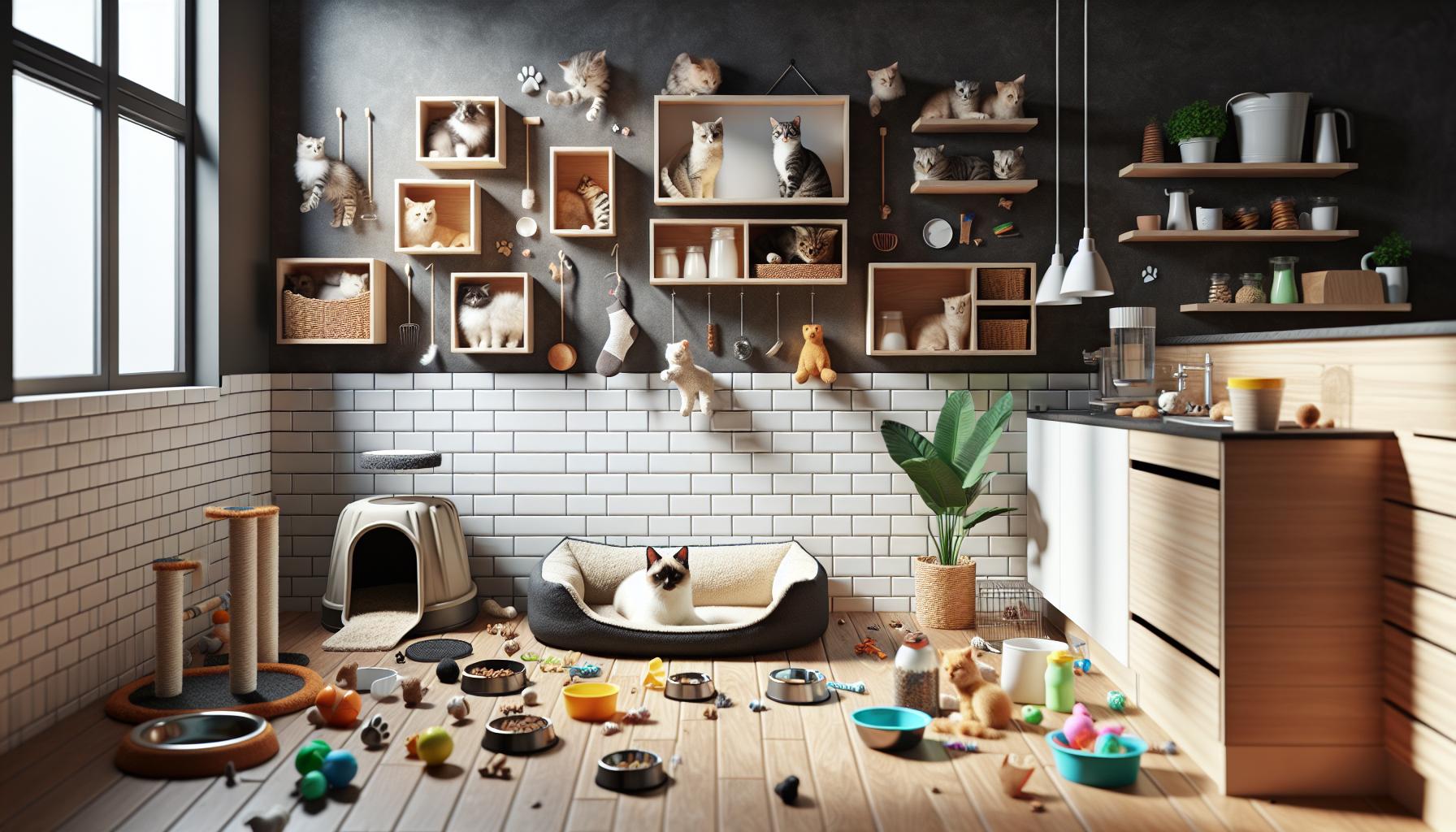
Creating a Safe Haven for Your Furry Friend
The comfort and security of a pet are paramount to their well-being. By taking thoughtful steps, you can cultivate a home environment that serves as a safe haven for your beloved companions. This effort contributes significantly to their overall happiness and strengthens the emotional bond you share with them.
Consider the following aspects when establishing a pet-friendly environment:
- Safety measures: Begin by securing wires and cords to prevent entanglement or chewing, which can lead to serious injury or damage. Additionally, identify and remove toxic plants such as lilies, azaleas, or philodendrons, as they can be dangerous for pets if ingested. Ensure that small objects, such as coins or batteries, are out of reach to avoid choking hazards.
- Comfort elements: Create a cozy and inviting space with soft bedding that suits your pet’s size. Provide a variety of favorite toys to stimulate their minds and keep them entertained. It’s also essential to constantly have clean, fresh water available, as hydration is crucial for their health. Your pet might have specific preferences—like a favorite blanket or a particular type of toy—so pay attention to what makes them feel happiest.
- Designated areas: Establish pet zones specifically designed for relaxation. Whether it’s a designated corner with their favorite chair or a crate outfitted with their bedding, these areas should be away from household chaos. This separation allows them to retreat when they need quiet time, reducing anxiety and stress.
Many pet owners overlook the profound influence of their surroundings on their animal’s well-being. Research shows that pets thrive in environments that limit stressors, such as loud noises or constant foot traffic. For instance, dogs tend to feel anxious during thunderstorms; providing a designated ‘safe space’ can help them cope with their fears. Similarly, cats prefer well-defined territories, so creating vertical spaces like cat trees can make them feel more secure.
Understanding your pet’s specific needs and preferences can significantly enhance their quality of life. Paying attention to their reactions to different areas in your home will help you adjust your space accordingly. For example, if you notice your dog enjoys the sun, placing their bed near a sunny window can provide them with comfort and warmth.
In the upcoming sections, we will explore practical tips and effective strategies to enhance your home, transforming it into a safe and comfortable environment for your pet. Whether you are a first-time pet owner or an experienced enthusiast, the attention and care you dedicate to your pet’s living space will not go unnoticed. Your furry friends will undoubtedly appreciate the love and effort you put into making them feel truly at home.
DISCOVER MORE: Click here to learn how pets boost our wellness
Essential Strategies for a Pet-Friendly Home
Creating a warm, safe, and comfortable space for your pet goes beyond just providing food and shelter. Your home should be tailored to meet your pet’s unique needs and preferences, ensuring that they feel secure and at ease. To achieve this, consider integrating the following strategies into your living environment:
- Pet-proofing your home: A critical step in ensuring your pet’s safety is thorough pet-proofing. This means securing anything that could pose a risk. From stabilizing furniture to prevent tipping to locking away cleaning supplies and medications, taking proactive measures can prevent accidents. Don’t forget to install gate barriers for stairways to prevent falls.
- Creating a calm atmosphere: Sound can have a profound impact on pets. Loud noises, such as vacuum cleaners or even thunder, can lead to anxiety in pets. Utilizing soundproofing materials, or arranging fabrics in your home that absorb sound, can create a calmer environment. Additionally, consider playing soft music or white noise to drown out unsettling external sounds.
- Temperature control: Just like humans, pets can be sensitive to extreme temperatures. It’s essential to maintain a comfortable climate in your home. In summer, ensure proper ventilation and shade; while in winter, provide warmth without risking overheating. Use pet-safe heating elements, and always monitor room temperatures to suit your pet’s comfort.
- Color and texture matter: The colors and textures in your home can influence your pet’s comfort levels. Soft, muted tones create a serene atmosphere, while bold colors may energize or stimulate. Additionally, using various textures in their sleeping area can make it more appealing. Consider fleece blankets or plush beds tailored to their size for ultimate comfort.
Understanding the specific needs of your pet, whether it’s a dog, cat, or another animal, is imperative to creating a safe haven. For instance, while dogs often flourish in an environment with ample play space, cats may prefer more secluded areas where they can observe their surroundings from a safe distance. Tailoring your approach based on these preferences not only enriches their living space but also increases their sense of security.
Furthermore, regular assessments of your home for potential hazards are vital. As pets age or their behaviors evolve, their needs change, and common household items can soon become risks. Conducting frequent checks can help identify new dangers and inform further adjustments to your home.
In this journey to create a pet-friendly environment, knowledge is key. Researching your specific pet’s traits, behaviors, and instincts will lead to a more informed approach in shaping their space. Not only will this beneficial effort foster a greater sense of comfort and safety for your furry family member, but it will also deepen the loving bond you share as they thrive in their secure retreat.
Tips for Creating a Safe and Comfortable Environment for Your Pet at Home
A pet-friendly home is essential for the well-being of your furry companions. Here are some effective strategies to ensure their environment is both safe and comfortable.
| Category | Description |
|---|---|
| Safe Zones | Create designated safe areas within your home using baby gates or pet barriers to restrict access to hazardous areas. |
| Comfortable Spaces | Ensure comfortable bedding, warm spaces, and quiet spots are available for your pet to rest and feel secure. |
| Hazard Prevention | Remove toxic plants, secure electrical cords, and store chemicals away from your pet’s reach to avoid accidents. |
| Interactive Environments | Provide toys and activities that engage your pet’s mind and body, promoting mental and physical health. |
Remember, a safe and comfortable environment not only keeps your pet secure but also enriches their quality of life. Regularly assess your home for potential hazards and adapt as needed. By prioritizing both safety and comfort, you’re also fostering a loving and joyful space for your beloved companion.
For more tips on how to enhance your pet’s living space, stay tuned for additional insights and ensure you create an optimum habitat for your beloved pets.
DIVE DEEPER: Click here to discover how pets boost our wellness
Additional Considerations for Pet Comfort and Safety
While the foundational strategies discussed previously are vital to establishing a pet-friendly home, diving deeper into specialized details can further enhance your pet’s experience. One area to consider is how your pet navigates their environment. This involves understanding their physical capabilities and potential limitations.
- Accessible layouts: Your home’s layout should cater to your pet’s mobility. For instance, if your pet is small or aging, ensuring that essentials like food, water, and litter boxes are easy to access is crucial. Avoid high countertops for food and instead opt for sturdy, low bowls. If you have stairs, consider pet ramps to make traversing easier for pets with joint issues.
- Safe zones: Creating designated safe zones offers your pet a retreat where they can find comfort when feeling overwhelmed. For dogs, this could mean a cozy corner with their favorite toys, while for cats, a high perch in a quiet room can serve as an ideal hideaway. These areas should be free from foot traffic and loud noises, providing a sanctuary for rest.
- Interactive elements: Engage your pet’s natural instincts by including interactive features in your space. Consider installing scratching posts for cats or creating a play zone with durable toys for dogs. Not only do these elements keep your pets entertained, but they also promote mental stimulation, which is essential for their overall wellbeing.
- Proper lighting: The importance of lighting cannot be overlooked. Just as humans benefit from natural light, pets thrive in environments that are well-lit but not overly bright. Use curtains or blinds to manage sunlight during peak hours, ensuring pets can bask in light without overheating. Consider using soft, adjustable lighting for nighttime to avoid startling your pet if they wake up.
Another critical aspect of creating a safe space is monitoring your pet’s health through their environment. Regularly assessing your living area can help catch potential health hazards before they become significant issues. This includes not only removing toxic plants but also ensuring that materials used in your furniture and decor are non-toxic. For example, certain common household items like essential oils can be harmful to pets, so it’s wise to familiarize yourself with pet-safe alternatives.
Dogs and cats, like many animals, are highly sensitive to their environments. Therefore, consider adopting pet-friendly cleaning products to reduce harsh chemical exposure. These alternatives are not only safer for your furry friends but also promote a healthier living space for everyone in the household.
Observe how your pet interacts with their environment. If they seem anxious or hesitant in certain areas, take note. Sometimes, seemingly minor changes—like introducing new furniture or decorations—can trigger stress. Adjusting your home according to these observations not only enhances comfort but also nurtures a positive living experience for your pet.
Knowing that every pet has its own personality and needs is essential. Some dogs thrive on companionship while others may wish to have their personal space. Understanding and respecting these behavioral nuances can lead to an enriching environment that feels like a haven. By thoughtfully enhancing your living space, you ensure that your pet not only feels safe but also cherished in their home.
DIVE DEEPER: Click here to learn how pets boost our fitness
Conclusion: Elevating Your Pet’s Home Experience
Creating a safe and comfortable environment for your pet is not only an act of care but also a vital aspect of enhancing their well-being and quality of life. By integrating accessible layouts that consider your pet’s mobility, along with dedicated safe zones that provide solitude when needed, you set the stage for a nurturing atmosphere. Remember, your home is not just a shelter for your pet; it is a sanctuary that fosters their happiness and health.
Incorporating interactive elements and ensuring proper lighting can turn an ordinary living space into an engaging playground that stimulates both their physical and mental needs. Moreover, being vigilant about the health implications of your home’s environment enables you to preemptively tackle potential hazards, safeguarding your pet from harm. Regular evaluations and adjustments based on your pet’s behavior will ensure that their living conditions stay aligned with their needs.
Lastly, understanding that pets have diverse personalities allows you to create an enriching journey that respects their unique preferences. As your pet thrives in a well-thought-out environment, the bond you share will undoubtedly strengthen, making the home a joyous domain for both of you. By embracing these tips and adapting them to your specific lifestyle, you are investing in a lifetime of comfort, safety, and unconditional love for your pet. For those wishing to delve deeper into enriching your pet’s home life, consider consulting local veterinarians or pet behaviorists to tailor these practices further.